
Moving to Japan Alone Tips and Practical Advice

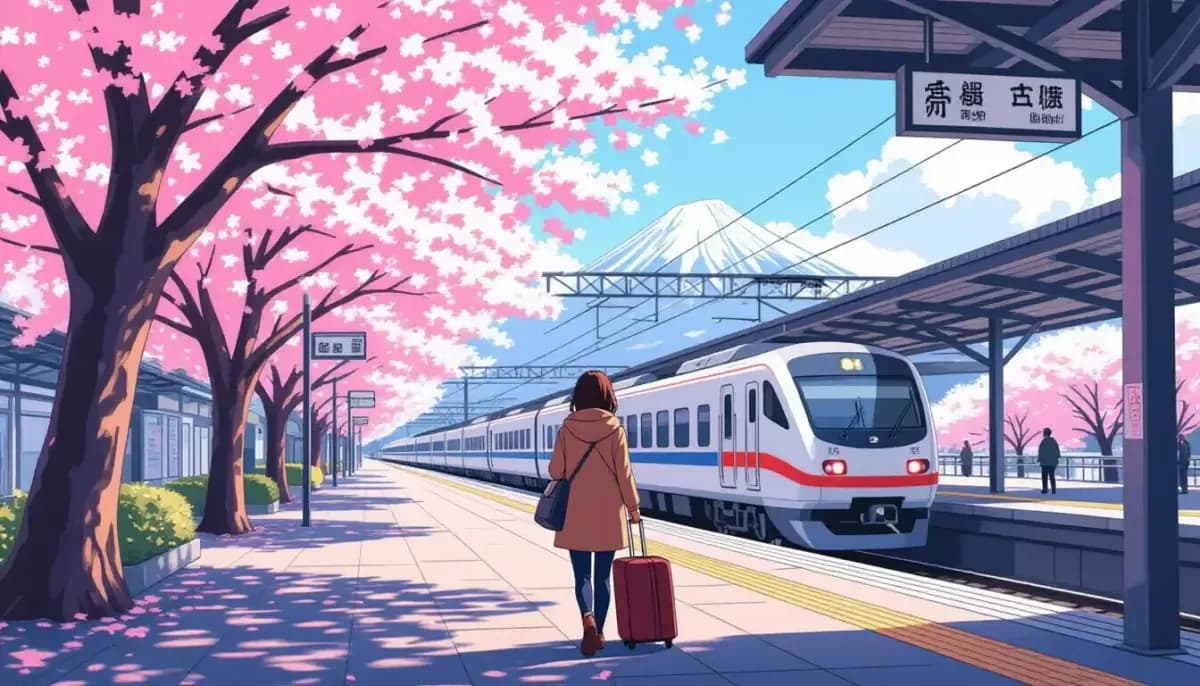
Complete guide to moving to Japan alone as a foreigner. Covers visas, housing, costs, daily life tips, and how to build a social life when relocating solo to Japan.
Moving to Japan Alone: Tips and Practical Advice
Moving to Japan alone is one of the most exciting and nerve-wracking decisions you can make. Whether you are chasing a career opportunity, pursuing studies, or simply drawn to Japanese culture, relocating solo to a country where only about 28% of people speak English as a second language takes real courage. As of June 2025, Japan is home to nearly 3.95 million foreign residents — an all-time high — so you are far from the first person to take this leap. This guide covers everything you need to know to make your solo move as smooth as possible.
Why People Move to Japan Alone
Japan consistently ranks among the safest countries in the world, with remarkably low crime rates that make solo living genuinely comfortable. The combination of a world-class public transportation system, universal healthcare, rich cultural heritage, and modern technology infrastructure makes it an appealing destination for solo expats. In 2024 alone, Japan received 177,000 new long-term immigrants — 8.6% more than the previous year — and the trend continues to grow.
Many solo movers are attracted by career opportunities in English teaching, IT, engineering, or international business. Others come on working holiday visas (available for citizens of 29 countries) or as students. Whatever your reason, moving alone means you have total freedom to shape your Japanese experience — but it also means you need to be well-prepared.
Visa Options for Solo Movers
Before anything else, you need a valid visa. The type you need depends on your purpose for coming to Japan. Here is an overview of the main visa categories:
| Visa Type | Duration | Key Requirement | Best For |
|---|---|---|---|
| Work Visa (Engineer/Humanities) | 1-5 years | Employer sponsorship | Professionals with job offers |
| Working Holiday Visa | Up to 1 year | Age 18-30 (varies) | Short-term work + travel |
| Student Visa | 1-2 years | School enrollment | Language or university students |
| Highly Skilled Professional Visa | 5 years | Points-based system | Skilled workers scoring 70+ points |
| Digital Nomad Visa | Up to 6 months | Remote income proof | Freelancers and remote workers |
| Designated Activities | Varies | Specific approved activity | Interns, trainees, job seekers |
Note that starting April 2025, Japan raised immigration-related application fees across multiple categories, so budget accordingly. For a detailed breakdown of each visa type, see our Japan visa and immigration guide. You can also find useful information about common visa application mistakes to avoid.
Pre-Move Preparation Checklist
Moving alone means nobody else is handling logistics for you. Start preparing at least six months before your target move date. Here are the essentials:
Documents to prepare:
- Valid passport (with at least 1 year remaining)
- Certified copies of diplomas and transcripts
- Police clearance certificate (if required by your visa)
- Medical records and prescriptions
- International driving permit (if you plan to drive)
- Essential documents checklist for full details
Financial preparation:
- Save at least ¥500,000-¥800,000 ($3,200-$5,100) for initial move-in costs
- Research the cost of moving to Japan and cost of living
- Set up an international money transfer service
- Bring a credit card that works internationally
- For more on financial planning, check out this financial preparation guide
Practical steps:
- Download offline Japanese maps and translation apps
- Get a temporary Japanese phone number or eSIM arranged before arrival
- Research your destination city — see our guide on the best cities in Japan for foreigners
- Read our what to pack guide and shipping guide
Finding Housing When You Are Alone
Housing is often the biggest challenge for solo movers. Japanese landlords may be hesitant to rent to foreigners, and the upfront costs are famously high. You will need to understand the key money and deposit system — key money (reikin) is a non-refundable gift to the landlord of 1-2 months' rent, plus a security deposit of another 1-2 months.
Short-term options for your first weeks: When you first arrive, consider temporary accommodation while apartment hunting. Share houses are an excellent option for solo movers — they are affordable, come furnished, and provide instant social connections. You can compare share houses and guest houses to find what suits your budget and lifestyle.
Finding a long-term apartment:
- Use apartment hunting websites like Suumo, Homes.co.jp, or GaijinPot Apartments
- Consider foreigner-friendly real estate agents who specialize in helping expats
- Budget for monthly apartment costs beyond just rent
- You will likely need a guarantor — our guide on how to find a guarantor or use a guarantor company explains your options
- Learn to read Japanese apartment layouts to avoid surprises
- UR Housing is a government-backed option that does not require key money or a guarantor
For a complete overview, visit our finding housing in Japan guide. Also check Japan move-in costs explained so you know exactly what to budget.
Your First Week in Japan Solo
Your first week in Japan will be a whirlwind of paperwork and setup. Here is what to prioritize:
Day 1-2: Official registration
- Register at your local city hall within 14 days of arrival
- Get your residence card (zairyu card) stamped with your address
- Sign up for National Health Insurance
Day 3-5: Essential services
- Open a Japanese bank account — see our banking and finance guide
- Get a Japanese phone number and mobile plan
- Get an IC card (Suica or Pasmo) for public transportation
Day 5-7: Settling in
- Introduce yourself to neighbors with a small gift (a towel or household item is traditional)
- Learn your local garbage separation rules — Japan is strict about this, and rules vary by ward
- Stock up on essentials and explore your neighborhood
- Check out NPO support services for foreigners in your area
For a complete month-by-month settling plan, see our first month in Japan guide.
Managing Daily Life on Your Own
Once you are settled, daily life in Japan as a solo foreigner has its own rhythm. Here are practical tips:
Language: Only about 10% of Japanese people are fluent in English. Learning Japanese — even basic conversational skills — will dramatically improve your daily life. Start with essential phrases for shopping, directions, and emergencies. Many city offices and hospitals now have multilingual support, but do not count on it everywhere.
Food and cooking: Japan is a paradise for solo diners. Ramen shops, gyudon chains like Yoshinoya, and conveyor-belt sushi restaurants are designed for people eating alone. For cooking at home, explore our Japanese food and cooking guide. Supermarkets often discount bento and prepared foods in the evening.
Healthcare: Japan's universal healthcare system covers 70% of medical costs, with you paying 30%. Always carry your insurance card. Read our healthcare guide for details on finding English-speaking doctors.
Money and taxes: Understanding the Japanese tax system is important, especially for solo workers. Your employer will typically handle income tax deductions, but resident tax bills arrive separately. For sending money home, check our sending money from Japan guide.
Building a Social Life When You Are Alone
Loneliness is the biggest challenge when moving to Japan alone. The good news is there are many ways to make friends and build a social life:
- Meetup groups: Websites like Meetup.com and Facebook groups connect expats for language exchanges, hiking, and social events
- Workplace connections: Japanese workplace culture involves after-work socializing (nomikai) — participate when you can
- Local community: Join your neighborhood association (chonaikai) for local events and festivals
- Sports and hobbies: Fitness and sports clubs are great for meeting both Japanese people and other expats
- Cultural events: Attend Japanese festivals and cultural events to immerse yourself
- Online communities: Join Reddit's r/japanlife, Facebook expat groups, and Discord servers for your city
Building genuine friendships takes time in Japan, but the connections you make as a solo expat tend to be deeper because you are fully immersed in the experience. For comprehensive tips on managing your emotional health abroad, see our mental health and wellbeing guide.
Common Mistakes to Avoid
Moving to Japan alone means learning from your own mistakes — or better yet, learning from others'. Here are the most common pitfalls:
- Not saving enough money: Expect to spend ¥300,000-¥600,000 on move-in costs alone. See our detailed moving cost breakdown
- Ignoring the guarantor requirement: Most apartments require a Japanese guarantor or guarantor company. Plan this before apartment hunting
- Assuming English is enough: While Tokyo and Osaka have more English support, rural areas have almost none
- Skipping health insurance: National Health Insurance is mandatory — do not delay enrollment
- Not registering at city hall: You must register within 14 days. Late registration can cause problems with banking and other services
- Underestimating culture shock: Japan is fascinating but different. Everything from etiquette rules to bureaucracy takes adjustment
- Not having emergency contacts: Register with your embassy and keep emergency numbers saved. Read our safety and emergency preparedness guide
Costs of Living Alone in Japan
Here is a realistic monthly budget for a solo foreigner living in Japan:
| Expense | Tokyo (¥) | Other Cities (¥) | Notes |
|---|---|---|---|
| Rent (1K/1DK apartment) | ¥70,000-¥120,000 | ¥40,000-¥70,000 | Varies hugely by location |
| Utilities (gas, electric, water) | ¥10,000-¥15,000 | ¥8,000-¥12,000 | Higher in winter |
| Food and groceries | ¥30,000-¥50,000 | ¥25,000-¥40,000 | Cooking saves money |
| Transportation | ¥10,000-¥15,000 | ¥5,000-¥10,000 | Commuter pass recommended |
| Phone and internet | ¥5,000-¥8,000 | ¥5,000-¥8,000 | Budget carriers available |
| Health insurance | ¥10,000-¥20,000 | ¥10,000-¥20,000 | Income-based |
| Entertainment and social | ¥15,000-¥30,000 | ¥10,000-¥20,000 | Nomikai can add up |
| Monthly Total | ¥150,000-¥258,000 | ¥103,000-¥180,000 |
Entry-level salaries typically range from ¥180,000 to ¥230,000 per month. For more details, read our full cost of living guide. You can also learn about getting settled efficiently with practical tips from experienced expats.
Planning Your Long-Term Future
Once you are settled, you may start thinking about the long term. Japan offers paths to permanent residency and citizenship, though the process takes years. Some solo movers eventually bring partners or family — our moving to Japan with family guide covers that transition.
For immigration trends and policy changes that may affect your stay, Japan Living Guide provides regular updates on immigration policy changes for 2025-2026. You should also understand your legal rights as a foreigner in Japan.
Whether you stay for one year or a lifetime, moving to Japan alone is an experience that will shape you. The initial challenges — the paperwork, the language barrier, the loneliness — give way to a rich and rewarding life in one of the world's most fascinating countries. Take it one step at a time, lean on the expat community when you need support, and embrace the adventure.
For the complete guide to your move, visit our moving to Japan pillar guide.

Originally from Vietnam, living in Japan for 16+ years. Graduated from Nagoya University, with 11 years of professional experience at Japanese and international companies. Sharing information about living in Japan for foreigners.
View Profile →Related Articles
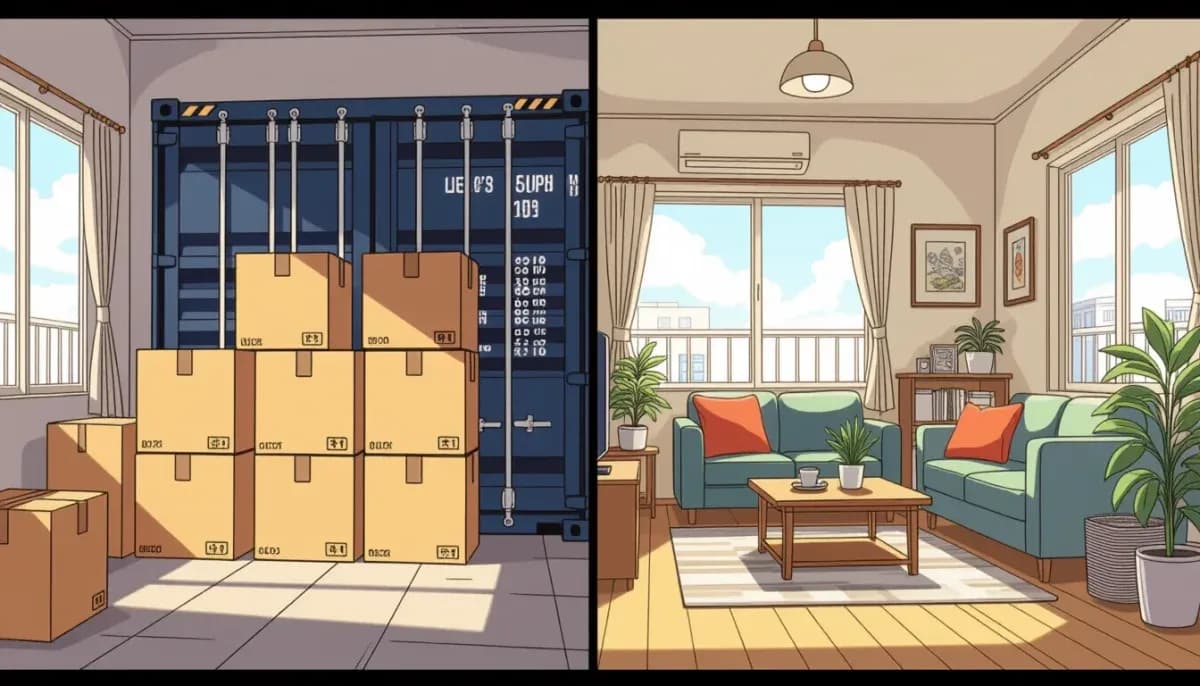
Buying vs Shipping Furniture When Moving to Japan
Should you ship furniture to Japan or buy new? Compare costs, timelines, and options including Nitori, IKEA, recycle shops, and rental services for foreigners moving to Japan.
Read more →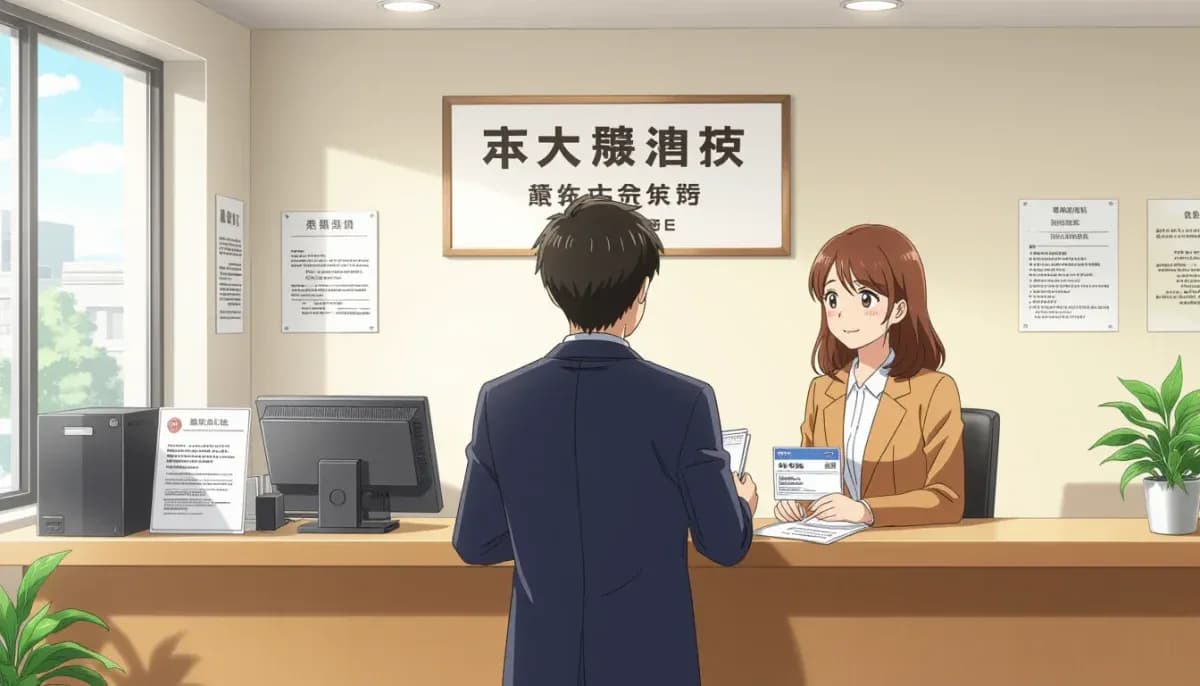
Registering at City Hall After Moving to Japan
Step-by-step guide to registering your address at city hall in Japan as a foreigner. Learn the 14-day deadline, required documents, My Number process, and tips for a smooth registration.
Read more →
How to Find a Guarantor in Japan as a Foreigner
Complete guide to finding a guarantor (hoshonin) in Japan as a foreigner. Compare guarantor companies like GTN, learn costs, required documents, and alternatives like UR housing and shared houses.
Read more →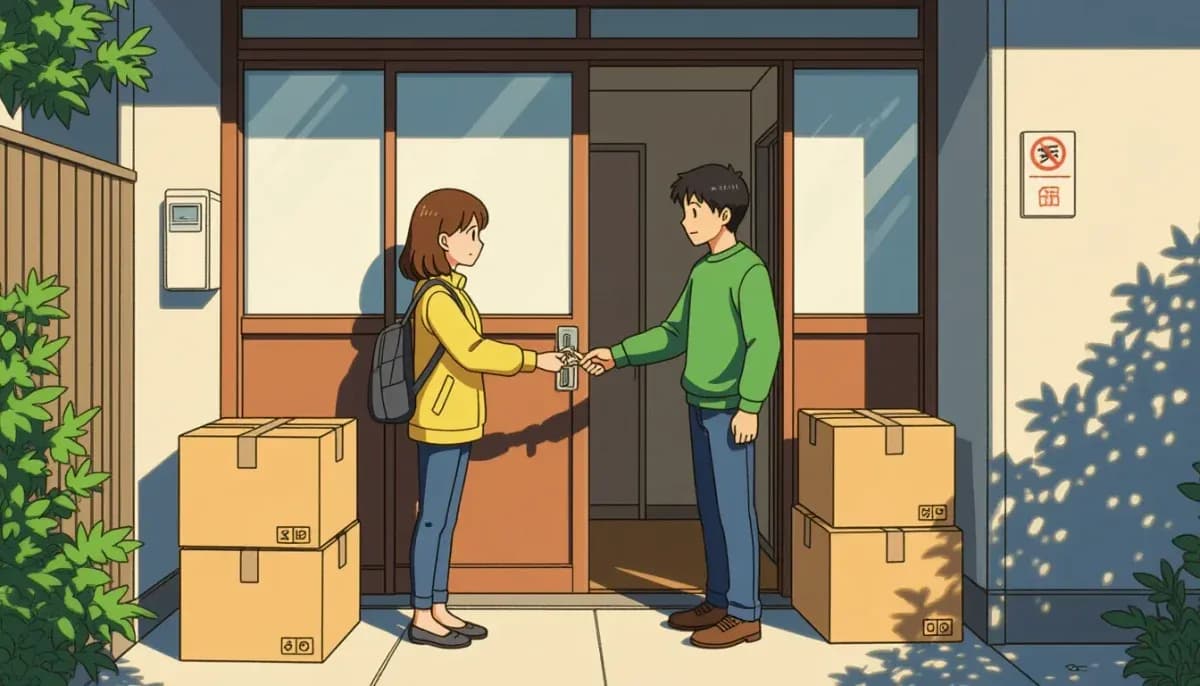
Japan Move-In Costs Explained for Foreigners
Understand every move-in cost when renting an apartment in Japan. Breakdown of security deposit, key money, agent fees, and proven strategies to save money as a foreigner.
Read more →
Essential Documents You Need Before Moving to Japan
Complete checklist of essential documents you need before moving to Japan including visa paperwork, COE, financial documents, medical records, and post-arrival registration requirements.
Read more →
Best Cities in Japan for Foreign Residents
Compare the best cities in Japan for foreign residents including Tokyo, Osaka, Fukuoka, Yokohama, Kyoto, and Sapporo. Cost of living, jobs, and lifestyle comparison for expats.
Read more →