
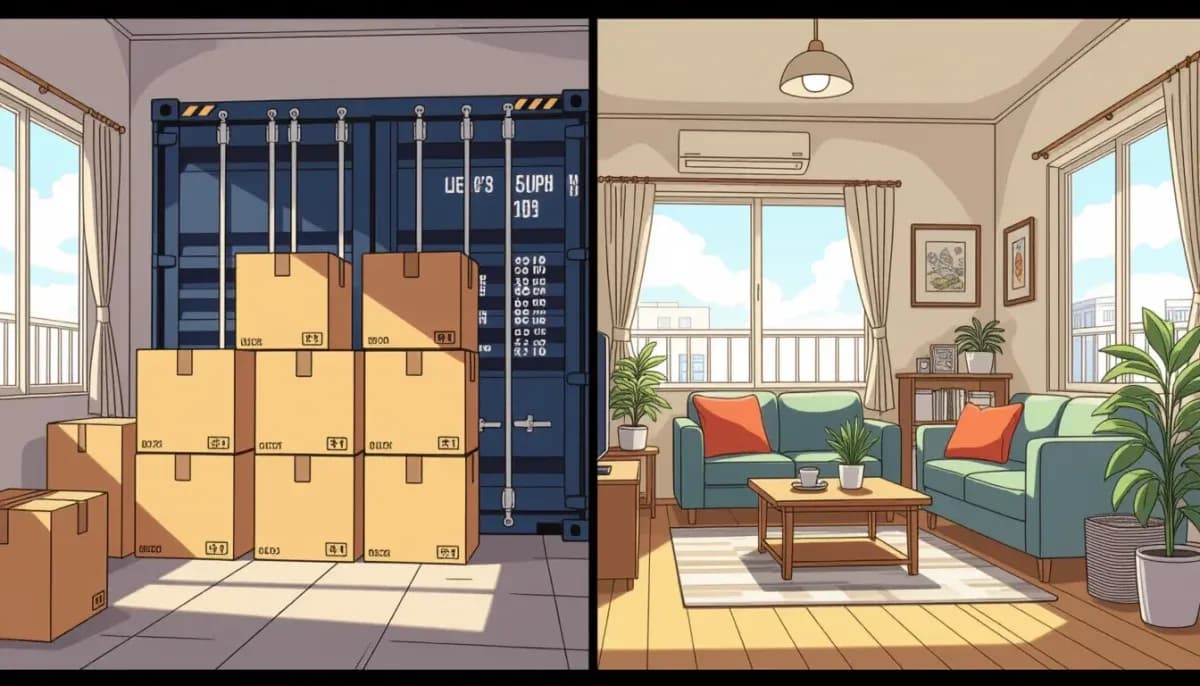
Buying vs Shipping Furniture When Moving to Japan
Should you ship furniture to Japan or buy new? Compare costs, timelines, and options including Nitori, IKEA, recycle shops, and rental services for foreigners moving to Japan.
Read more →
Everything you need to know about moving to Japan as a foreigner. Step-by-step visa guide, cost breakdown, housing tips, and essential first-week checklist for a smooth relocation.
Moving to Japan is a life-changing decision that thousands of foreigners make every year. With nearly 4 million foreign residents as of mid-2025 — approximately 3.2% of the total population — Japan has never been more accessible to international newcomers. Whether you are drawn by career opportunities, cultural fascination, or a desire for a fresh start, this guide walks you through every step of the relocation process, from choosing your visa to settling into daily life.
Japan offers a unique blend of ancient tradition and cutting-edge modernity that few countries can match. The country boasts one of the lowest crime rates in the world, a highly efficient public transportation network, and universal healthcare coverage. A record 42.43 million foreigners entered Japan in 2025, underscoring the country's growing appeal.
For professionals, Japan's expanding tech sector, renowned manufacturing industry, and thriving English-teaching market present diverse employment paths. The government has actively expanded visa categories, including the new J-Skip visa for high earners, signaling a clear shift toward welcoming skilled foreign talent. For more on visa options, check out the comprehensive visa and residency guide at Living in Nihon.
Selecting the correct visa is the foundation of your move. Japan offers numerous visa categories, each with specific requirements and benefits. Here is an overview of the most common options for foreigners:
| Visa Type | Requirements | Duration | Key Benefits |
|---|---|---|---|
| Work Visa (Engineer/Specialist) | Bachelor's degree + job offer | 1-5 years | Most common route for professionals |
| Highly Skilled Professional (HSP) | Points-based assessment | 5 years | Fast-track to permanent residency |
| J-Skip Visa | JPY 20M+ annual income or master's degree + experience | 5 years | Permanent residency after 1 year |
| Student Visa | Enrollment at Japanese institution | Duration of study | Can work up to 28 hrs/week |
| Working Holiday | Age 18-30, select countries | 1 year | Flexible work permitted |
| Spouse/Dependent | Marriage to Japanese citizen | 1-3 years | Unrestricted work rights |
| Business Manager | ¥5M+ capital investment | 1-5 years | Start your own company |
| Specified Skilled Worker | Pass skills & language tests | Up to 5 years | Expanding to more industries |
The Certificate of Eligibility (COE) is typically your first step. Your employer or school in Japan applies for this document through the Immigration Services Agency, and processing takes 1 to 3 months. Once approved, you take the COE to your nearest Japanese embassy to receive the actual visa stamp. For a deeper look at the job hunting process that leads to visa sponsorship, explore the job hunting guide at For Work in Japan.
Note that immigration application fees were revised upward from April 2025, so budget accordingly when planning your timeline. For detailed information on Japan's visa and immigration process, refer to our dedicated guide.
One of the biggest mistakes newcomers make is underestimating the upfront costs of moving to Japan. Experts recommend an initial budget of $5,000 to $10,000 to cover deposits, basic furnishings, and your first three months of living expenses.
| Expense | Tokyo | Osaka | Fukuoka | Rural Area |
|---|---|---|---|---|
| Rent (1BR) | ¥100,000-¥200,000 | ¥60,000-¥120,000 | ¥50,000-¥90,000 | ¥30,000-¥60,000 |
| Utilities | ¥10,000-¥15,000 | ¥8,000-¥12,000 | ¥8,000-¥12,000 | ¥8,000-¥12,000 |
| Food | ¥40,000-¥60,000 | ¥35,000-¥50,000 | ¥30,000-¥45,000 | ¥25,000-¥40,000 |
| Transportation | ¥10,000-¥15,000 | ¥8,000-¥12,000 | ¥5,000-¥10,000 | ¥5,000-¥15,000 |
| Phone/Internet | ¥5,000-¥8,000 | ¥5,000-¥8,000 | ¥5,000-¥8,000 | ¥5,000-¥8,000 |
| Total | ¥165,000-¥298,000 | ¥116,000-¥202,000 | ¥98,000-¥165,000 | ¥73,000-¥135,000 |
These figures translate to roughly $1,100 to $2,000 per month in rural areas and significantly more in Tokyo. For a comprehensive breakdown, see our cost of living in Japan guide.
Traditional Japanese rentals come with substantial upfront fees:
All told, moving into a standard apartment can cost 5 to 7 times the monthly rent upfront. For detailed guidance on finding and securing housing, check out our finding housing in Japan guide.
While some people arrive in Japan on a working holiday visa and job-hunt locally, the most reliable path is to secure employment before relocating. Your employer will typically sponsor your visa and may assist with initial housing arrangements.
Popular job-search platforms for foreigners include GaijinPot Jobs, Daijob, LinkedIn Japan, and Indeed Japan. English-teaching positions through programs like JET, Interac, or private eikaiwa chains remain the most accessible entry point for those without Japanese language skills. Our teaching English in Japan guide covers this path in detail.
For those with technical skills, Japan's IT sector is actively recruiting international talent. Many tech companies in Tokyo operate in English-friendly environments. Career transition resources at Ittenshoku can help you explore IT career opportunities in the Japanese market.
If you prefer to start your own business, the Business Manager visa requires a minimum capital investment of ¥5 million and a physical office space in Japan. For a full overview of employment options, visit our working in Japan guide.
Your first 14 days in Japan are critical for establishing your legal and practical foundation. Here is a timeline of what to prioritize:
Day 1-3: Address Registration You must register your residential address at the local municipal office (shiyakusho or kuyakusho) within 14 days of arrival. This process, called Jumin Toroku, creates your official resident record. Bring your passport and residence card.
Day 3-7: Essential Registrations
Day 7-14: Daily Life Setup
If your employer did not arrange housing, you will need to find a place on your own. Several options cater to different budgets and comfort levels:
Many landlords still hesitate to rent to foreigners, but the situation is improving. Having a Japanese-speaking friend or using a guarantor company greatly increases your chances. For a complete walkthrough, read our guide on finding housing in Japan. You can also find helpful housing tips at Living in Nihon.
While you can survive in major cities with English, learning Japanese dramatically improves your quality of life and career prospects. Even basic conversational ability opens doors to deeper friendships, better housing options, and professional advancement.
Cultural adaptation is equally important. Japan values punctuality, indirect communication, and group harmony. Familiarize yourself with basic etiquette — removing shoes indoors, bowing during greetings, and being mindful of noise levels on public transport. Our Japanese culture and etiquette guide provides a thorough overview.
For language learning strategies and resources, explore our learning Japanese guide.
As a resident of Japan, you have several legal and financial obligations:
Immigration authorities have increased scrutiny on permanent residency applications, with a stronger focus on tax payment compliance and social insurance contributions. Staying current on these obligations is crucial if you plan to stay long-term. For salary and benefits information, check the salary guide at For Work in Japan.
Many newcomers stumble on the same issues. Here are the most frequent pitfalls:
Moving to Japan is more than a relocation — it is the start of a transformative chapter. The country rewards those who approach it with respect, curiosity, and patience. From savoring seasonal festivals covered in our Japanese festivals guide to exploring regional cuisine in our food and cooking guide, every day brings new discoveries.
For families considering the move, our raising children in Japan guide and marriage and relationships guide address the unique considerations of family life as a foreigner.
Japan's foreign resident population continues to grow, and the government is gradually making systems more accessible to non-Japanese speakers. With proper preparation, the right mindset, and the resources in this guide, you can make your move to Japan smooth and successful. For step-by-step visa guidance, do not miss the detailed guide at Wise, and for the latest immigration policy updates, check Japan Living Guide.
Start planning today — your Japanese adventure awaits.
Should you ship furniture to Japan or buy new? Compare costs, timelines, and options including Nitori, IKEA, recycle shops, and rental services for foreigners moving to Japan.
Read more →
Step-by-step guide to registering your address at city hall in Japan as a foreigner. Learn the 14-day deadline, required documents, My Number process, and tips for a smooth registration.
Read more →
Complete guide to finding a guarantor (hoshonin) in Japan as a foreigner. Compare guarantor companies like GTN, learn costs, required documents, and alternatives like UR housing and shared houses.
Read more →
Understand every move-in cost when renting an apartment in Japan. Breakdown of security deposit, key money, agent fees, and proven strategies to save money as a foreigner.
Read more →
Complete checklist of essential documents you need before moving to Japan including visa paperwork, COE, financial documents, medical records, and post-arrival registration requirements.
Read more →
Compare the best cities in Japan for foreign residents including Tokyo, Osaka, Fukuoka, Yokohama, Kyoto, and Sapporo. Cost of living, jobs, and lifestyle comparison for expats.
Read more →
Complete cost breakdown for moving to Japan as a foreigner. Covers visa fees, flights, shipping, housing deposits, monthly expenses, and money-saving tips with real numbers in yen and USD.
Read more →
Complete guide to moving to Japan alone as a foreigner. Covers visas, housing, costs, daily life tips, and how to build a social life when relocating solo to Japan.
Read more →
Everything you need to know about moving to Japan with your family, from dependent visa requirements and school options to healthcare, housing, childcare costs, and cultural adjustment tips.
Read more →
Everything you need to do during your first month living in Japan as a foreigner. Step-by-step checklist covering registration, bank accounts, phone, housing, and daily life setup.
Read more →
A day-by-day survival guide for your first week in Japan as a foreigner. Covers ward office registration, bank accounts, phone setup, housing essentials, and cultural tips to help you settle in smoothly.
Read more →
The ultimate packing checklist for foreigners moving to Japan. Covers essential documents, personal care items unavailable in Japan, clothing tips, electronics, food from home, and what to leave behind.
Read more →
Learn how to ship your belongings to Japan including shipping methods, costs, customs regulations, packing tips, and timelines for foreigners moving to Japan.
Read more →
Complete pre-move checklist for moving to Japan as a foreigner. Covers visa documents, financial preparation, housing, healthcare, packing, and cultural tips to ensure a smooth relocation.
Read more →