


Summer Activities and Programs for Kids in Japan
Complete guide to summer activities and programs for kids in Japan. Discover English camps, traditional festivals, water sports, theme parks, and indoor activities for expat families.
Read more →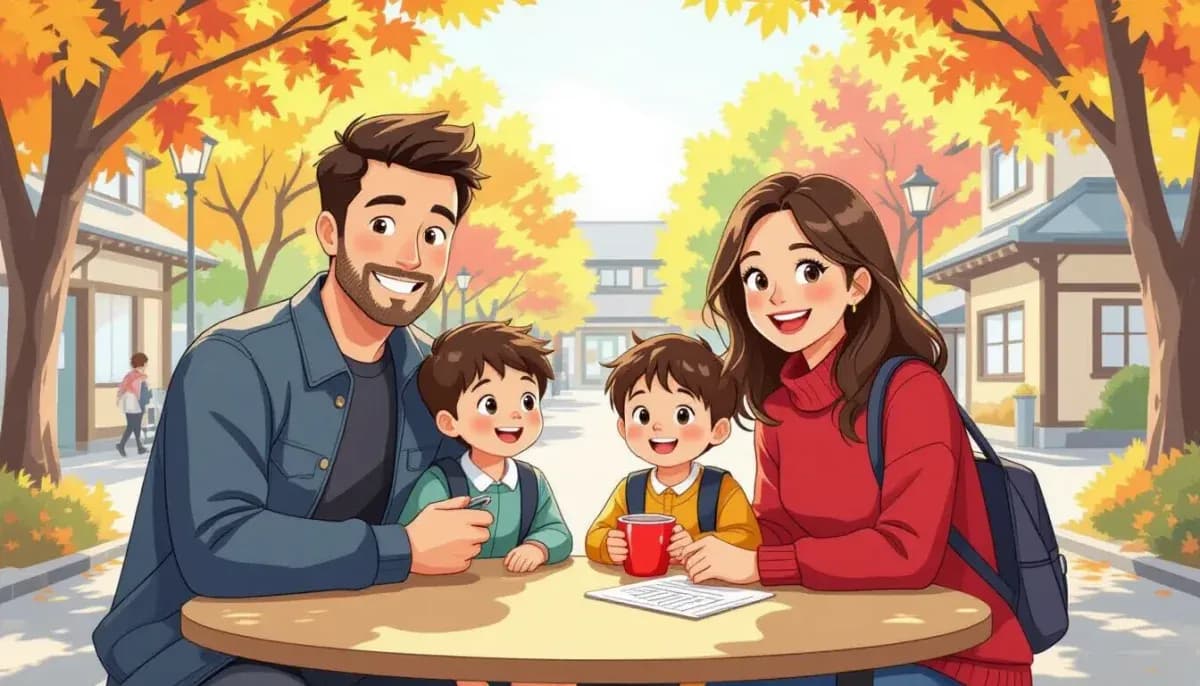
Everything foreign parents need to know about raising children in Japan: school enrollment, child allowance, free healthcare, daycare options, parental leave, and cultural tips for expat families.
Raising children in Japan as a foreigner can be one of the most rewarding — and at times, one of the most challenging — experiences of expat life. Japan offers exceptional safety, world-class healthcare, and a rich cultural environment for children to grow up in. At the same time, navigating the Japanese school system, understanding government benefits, and bridging cultural differences requires preparation and knowledge.
This complete guide covers everything foreign parents need to know: from enrolling children in school and accessing financial support to healthcare, daycare, and cultural considerations. Whether you've just arrived in Japan or are planning to move with your family, this guide will help you raise happy, healthy children in Japan.
!Foreign family enjoying life in Japan with children at a Japanese park
Japan follows the 6-3-3 school system: six years of elementary school, three years of junior high school, and three years of high school. Only the first nine years (elementary + junior high) are considered compulsory education under Japanese law.
An important distinction for foreign families: foreign children are not legally required to attend Japanese schools, but Japanese public schools must accept any foreign child who wishes to enroll. This gives expat families flexibility but also means you need to proactively register your child.
Children typically enter elementary school (小学校, shōgakkō) at age 6 or 7. The school year in Japan starts in April, not September — a key difference from Western countries. Be sure to plan your move and enrollment timeline accordingly, as registering after the school year begins can create complications.
| Feature | Public School | International School |
|---|---|---|
| Tuition | Free (compulsory years) | ¥2,000,000–3,000,000/year |
| Language of instruction | Japanese | English (or other) |
| Curriculum | Japanese national curriculum | IB, Cambridge, or national curriculum |
| Japanese language acquisition | Fast (immersion) | Slow |
| Japanese credentials | Yes | May not be recognized in Japan |
| Community integration | High | Lower |
| Best for | Long-term residents | Short-term residents / transitioning |
As of 2024, 129,000 foreign students attend Japanese public schools — up 9% annually — with over 70,000 requiring Japanese language instruction support. Japan's public school system has expanded its multilingual support significantly in recent years.
For more on navigating the Japanese education system, see our guide on Learning Japanese as a Foreigner.
Japan provides a generous range of financial benefits to families — and the good news is that foreign residents qualify for the same benefits as Japanese citizens, as long as they have valid residency status and are registered at their local municipal office.
The child allowance system underwent a major reform in October 2024, making it more accessible than ever:
| Child's Age / Order | Monthly Allowance |
|---|---|
| Under 3 years old | ¥15,000/month |
| Age 3 to high school (1st and 2nd child) | ¥10,000/month |
| Age 3 to high school (3rd+ child) | ¥30,000/month |
Key 2024 changes:
Important: If you don't apply within 15 days of moving to a new municipality or giving birth, you lose benefits for the months you were late. Apply promptly at your local ward or city office.
Foreign residents enrolled in Japanese health insurance receive a ¥500,000 lump-sum payment (ichiji-kin) per child born. This covers a significant portion of typical hospital delivery costs, which range from ¥400,000 to ¥700,000 at most hospitals.
Most municipalities in Japan offer free medical care for children through middle school. Some wards (particularly in Tokyo) extend this coverage through high school. This means your child pays nothing — or very little — for doctor visits, prescriptions, and hospital care.
For a full breakdown of Japan's healthcare system for foreigners, see our Complete Guide to Healthcare in Japan.
Securing daycare (保育所, hoikujo) in Japan — especially in major cities like Tokyo — is one of the most challenging aspects of raising young children here. The famous "daycare waiting list" (待機児童, taikijidō) problem has improved in recent years but hasn't disappeared entirely.
| Child's Age | Eligibility |
|---|---|
| Ages 3–5 | Free tuition at certified facilities (all families) |
| Ages 0–2 | Free only for households not paying resident tax (low income) |
Tokyo families can save ¥1–2 million per year through combined childcare subsidies, free daycare programs, and child medical care benefits.
認可保育所 (Ninka hoikujo) — Licensed Daycare Centers These are government-subsidized facilities with priority placement. They require application through your local ward office. Fees are income-based and often very affordable.
認定こども園 (Nintei kodomo-en) — Certified Children's Centers A hybrid of kindergarten and daycare that accepts children from ages 0–5. These are popular with working parents.
認可外保育所 (Ninkagai hoikujo) — Unlicensed Daycare Private facilities with more flexible hours but higher costs. They can be easier to access without a long waiting list.
幼稚園 (Yōchien) — Kindergarten Typically part-time, for ages 3–6. More focused on education than childcare. Some international kindergartens teach in English.
For context on managing finances and planning childcare costs, see our Complete Guide to Banking and Finance in Japan.
Japan has made significant progress on parental leave policies in recent years. In FY2024, 40.5% of male employees took childcare leave — a 10.4 percentage point increase year over year — reflecting a genuine cultural shift.
If your spouse is in Japan on a Family Stay (家族滞在) visa, they can work up to 28 hours per week with special permission from immigration. For full-time employment, they must apply for a work visa. See our Complete Guide to Working in Japan for more.
Raising children in Japan means your kids will absorb Japanese cultural norms — which can be beautiful and enriching, but also surprising for Western parents.
Japanese school culture emphasizes group harmony, responsibility, and cleanliness. Children:
This instills independence and responsibility, which many expat parents appreciate — though the emphasis on conformity can be a cultural adjustment.
Children who attend Japanese public schools typically achieve native-level Japanese fluency within 1–3 years, especially young children. However, maintaining your home language (English or your native tongue) requires deliberate effort.
Practical tips:
Foreign children may face a period of adjustment — and occasionally bullying (いじめ, ijime) — especially if they don't speak Japanese. However, most children adapt remarkably quickly. Schools with experience supporting foreign students are especially helpful.
Japan Dev has excellent first-hand accounts of raising an international family in Japan that can help you set expectations.
Before your children can access any benefits or enroll in school, you need to complete the proper administrative steps.
Children can come to Japan as dependents on a Family Stay (家族滞在) visa, provided:
Note: If you're on a Specified Skills 1 or Technical Trainee visa, family sponsorship is generally not available.
Once in Japan, register your child at your local ward or city office (市区町村役場). This is the gateway to all public services:
All residents — including foreign children — are assigned a My Number (個人番号). You'll need this for accessing various government services, so apply for your child's card at the ward office.
For a full overview of immigration procedures, visit our Complete Guide to Japan Visa and Immigration.
Japan's universal health insurance system is one of the best in the world for families. All registered foreign residents are enrolled in either Employees' Health Insurance (健康保険) or National Health Insurance (国民健康保険).
Under Japan's health insurance system, patients typically pay 30% of medical costs out-of-pocket. However, most municipalities offer additional child medical expense subsidies that reduce or eliminate this co-pay for children:
Japan has an excellent preventive healthcare system for children. Most vaccinations are free and administered through local health centers (保健センター, hoken sentā). Regular checkups (乳幼児健診, nyūyōji kenshin) are provided free at various developmental milestones: 1 month, 3-4 months, 6-7 months, 9-10 months, 1 year, 18 months, 2 years, and 3 years.
Build your local network early. Expat parent communities are active in major cities. Look for Facebook groups, Meetup.com events, and international PTA organizations. Areas like Setagaya, Minato, and Edogawa in Tokyo are particularly family-friendly for internationals.
Learn basic Japanese for school communications. Even if your child attends an international school, many administrative communications — neighborhood events, emergency notices, club activities — will be in Japanese. Basic proficiency helps enormously.
Use ward office multilingual support. Many ward offices now offer multilingual counseling for foreign residents, especially on childcare and education matters. Tokyo, Osaka, and other major cities have expanded these services significantly.
Register promptly for all benefits. Missing the 15-day application deadline for child allowance after a move or birth can cost you months of payments. Keep all deadlines in your calendar.
Plan for school supply costs. Even at free public schools, you'll need to budget for school supplies, uniforms (randoseru backpack, indoor shoes, gym uniforms), and class trip fees. Budget approximately ¥50,000–100,000 per year for these extras.
For more on managing daily life expenses, see our Complete Guide to Daily Life in Japan.
For comprehensive guidance on raising children and navigating Japan's education system, we highly recommend:
Raising children in Japan as a foreigner is a deeply enriching journey. The country offers an exceptional quality of life: safe neighborhoods, world-class healthcare, strong educational values, and a society that genuinely respects and protects children. The administrative systems — once you understand them — are generous, with extensive financial support available to all residents regardless of nationality.
The key is preparation: register your family promptly, apply for all available benefits, choose the right school environment for your child's needs, and build a strong community of fellow expat and local families around you.
Japan will challenge your family in some ways, but it will also give your children a truly global perspective — multilingual, culturally aware, and ready to thrive in an interconnected world. Welcome to this incredible adventure.
For more resources on settling in Japan as a family, explore our guides on Moving to Japan, Finding Housing in Japan, and Making Friends and Building a Social Life in Japan.
Complete guide to summer activities and programs for kids in Japan. Discover English camps, traditional festivals, water sports, theme parks, and indoor activities for expat families.
Read more →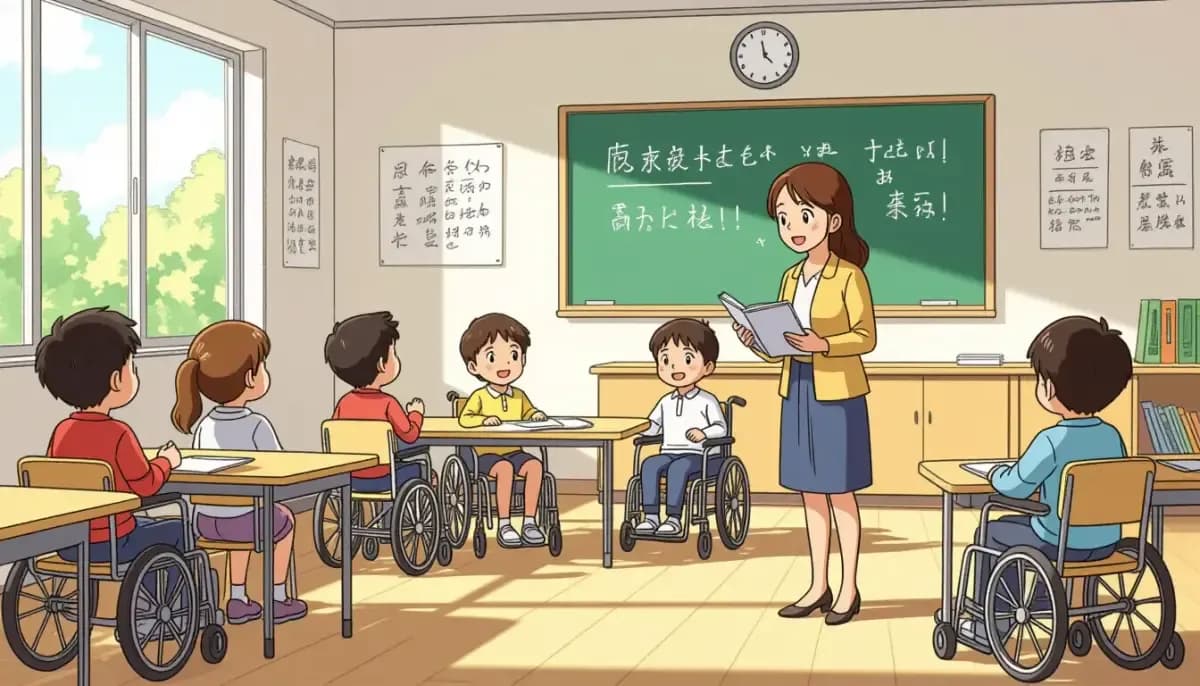
A complete guide to special needs education in Japan for foreign families. Learn about school types, support levels, enrollment process, international school options, and key resources for expat parents.
Read more →
Is homeschooling legal in Japan for foreigners? Learn about the legal gray area, steps to homeschool your child, curriculum options, and support organizations for expat families in Japan.
Read more →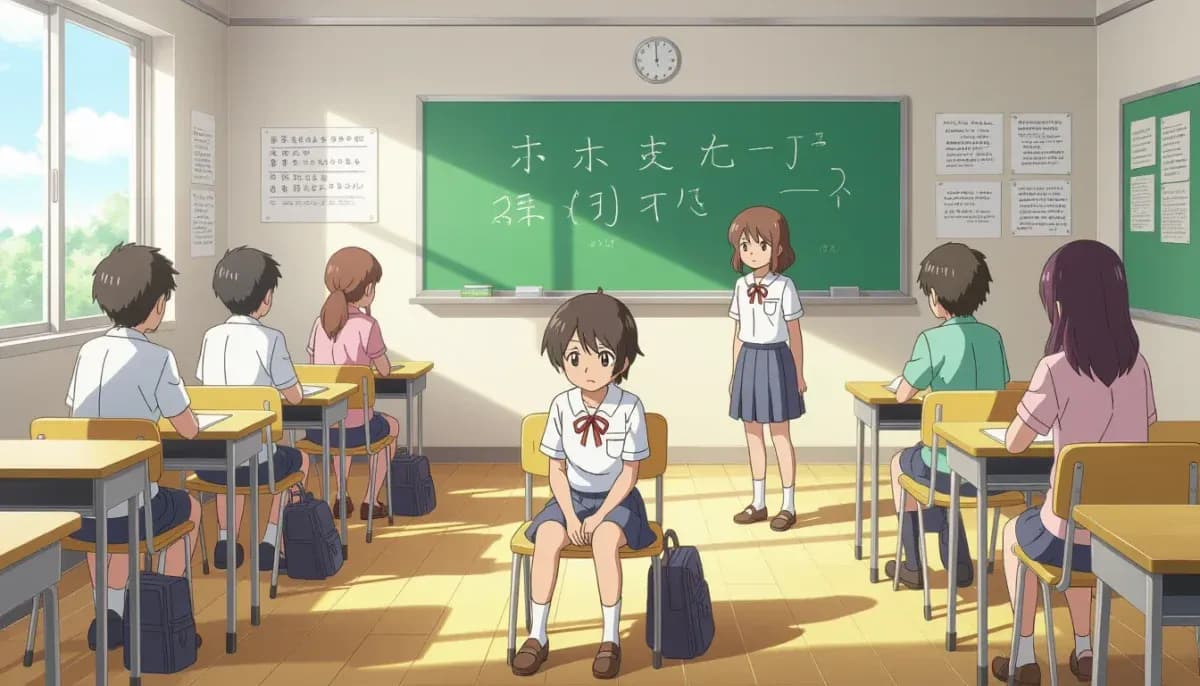
Learn how to recognize, report, and respond to ijime (bullying) in Japanese schools. A practical guide for foreign and expat parents in Japan, with key statistics and action steps.
Read more →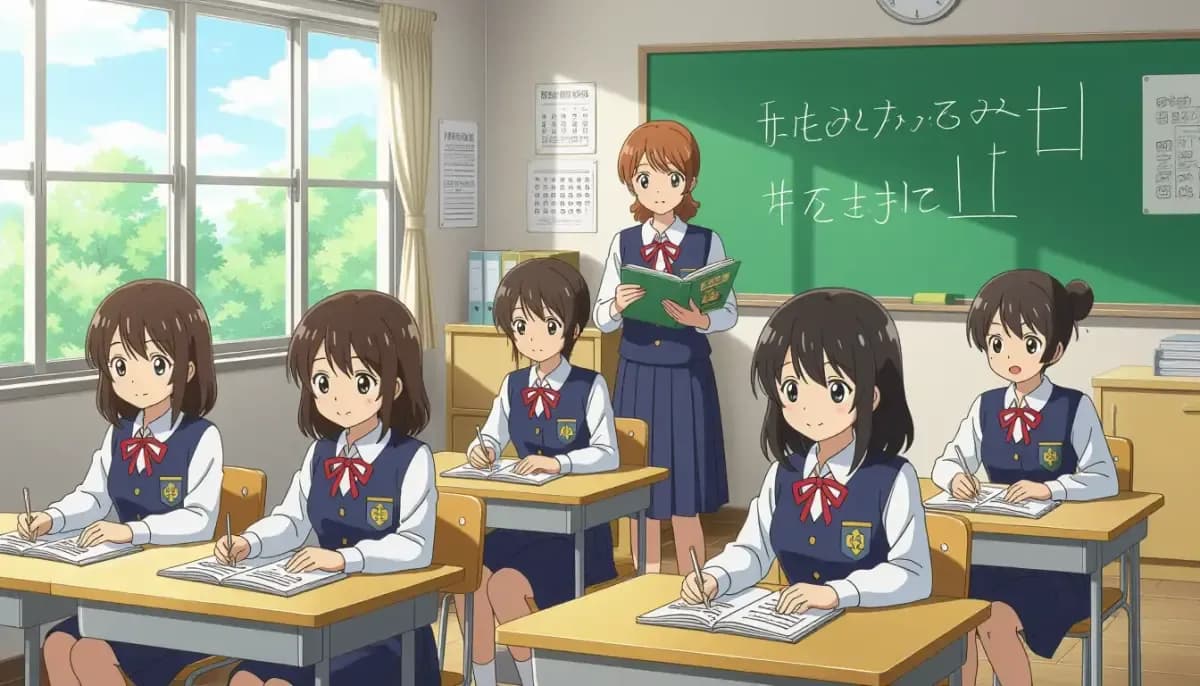
Complete guide to after-school activities (naraigoto) and juku cram schools in Japan for expat families. Learn about costs, enrollment, popular activities, and tips for foreign children.
Read more →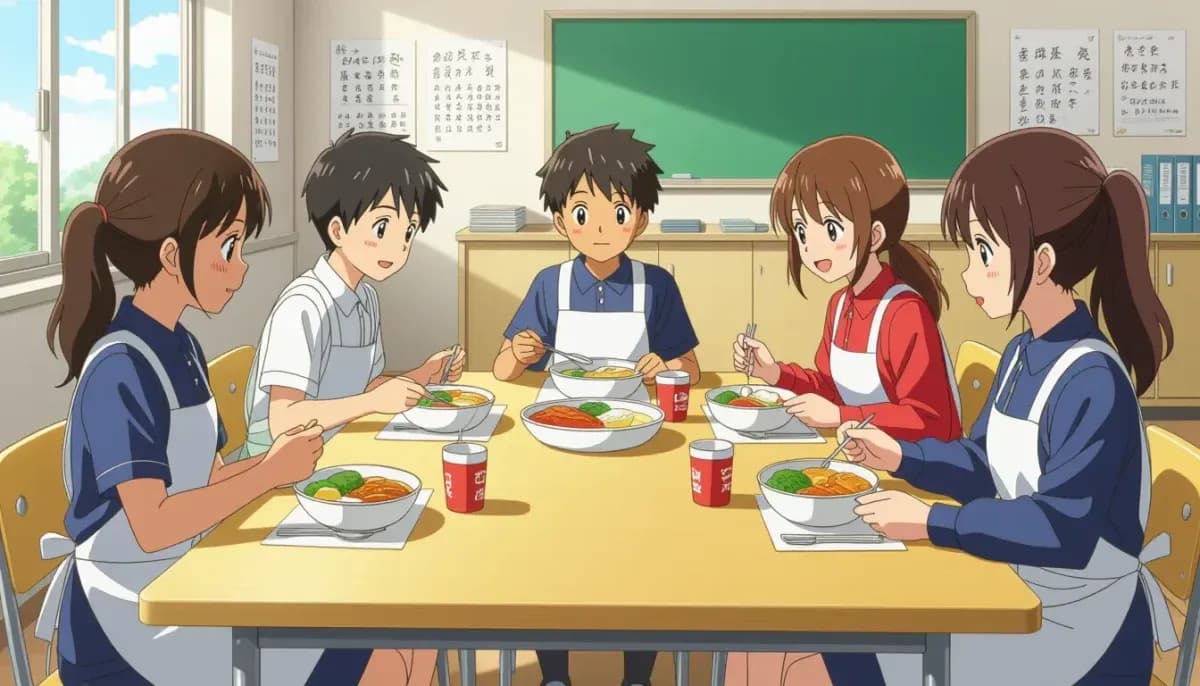
Everything foreign families need to know about Japan's kyushoku school lunch system: how it works, daily routine, costs, dietary restrictions, and practical tips for expat parents.
Read more →
Practical bilingual parenting tips for raising children in Japan. Learn OPOL strategy, daily habits, English playgroups, Saturday schools, and how to maintain minority language skills through the Japanese school years.
Read more →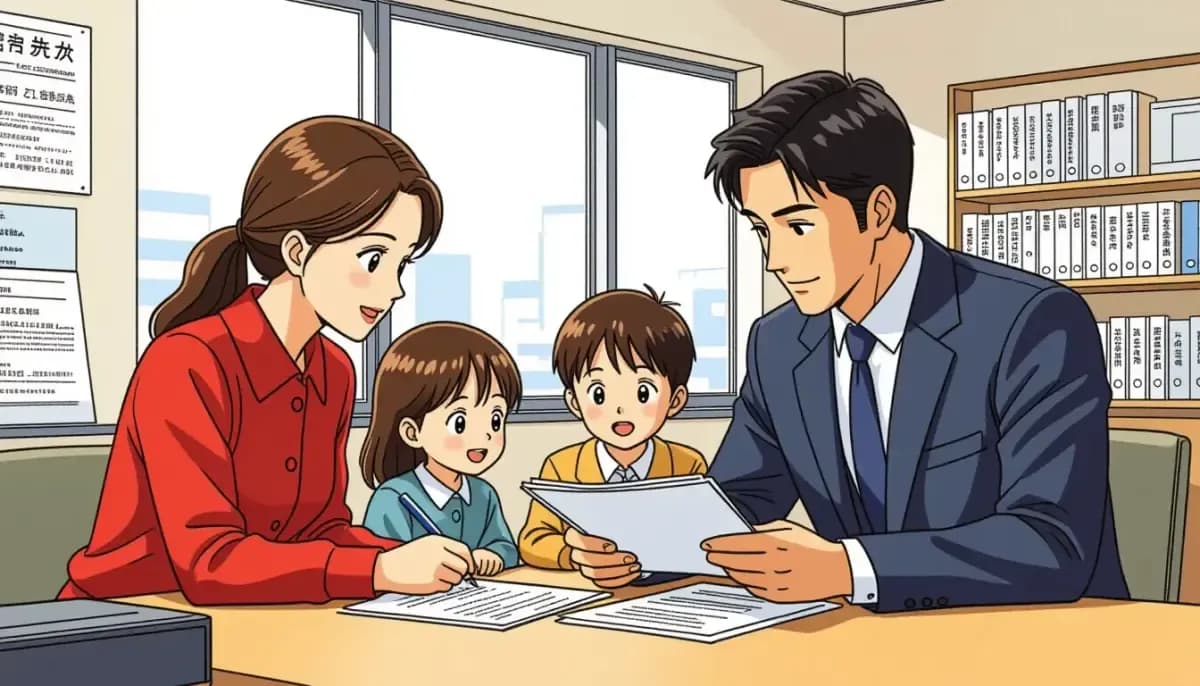
Complete guide to child allowance (Jido Teate) and family benefits in Japan for foreigners. Learn about the 2024 reforms, payment amounts, eligibility, how to apply, daycare subsidies, and more.
Read more →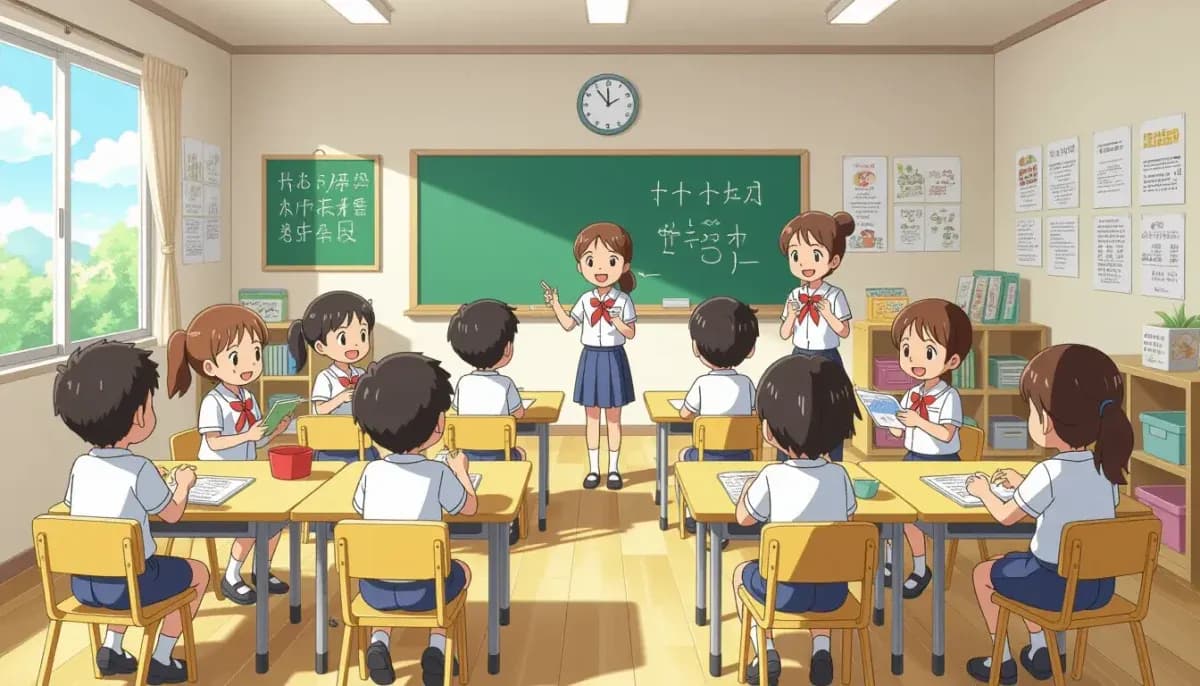
Compare yochien and hoikuen in Japan for foreign families. Learn about costs, enrollment process, age requirements, and tips for expat parents choosing the right Japanese kindergarten or daycare.
Read more →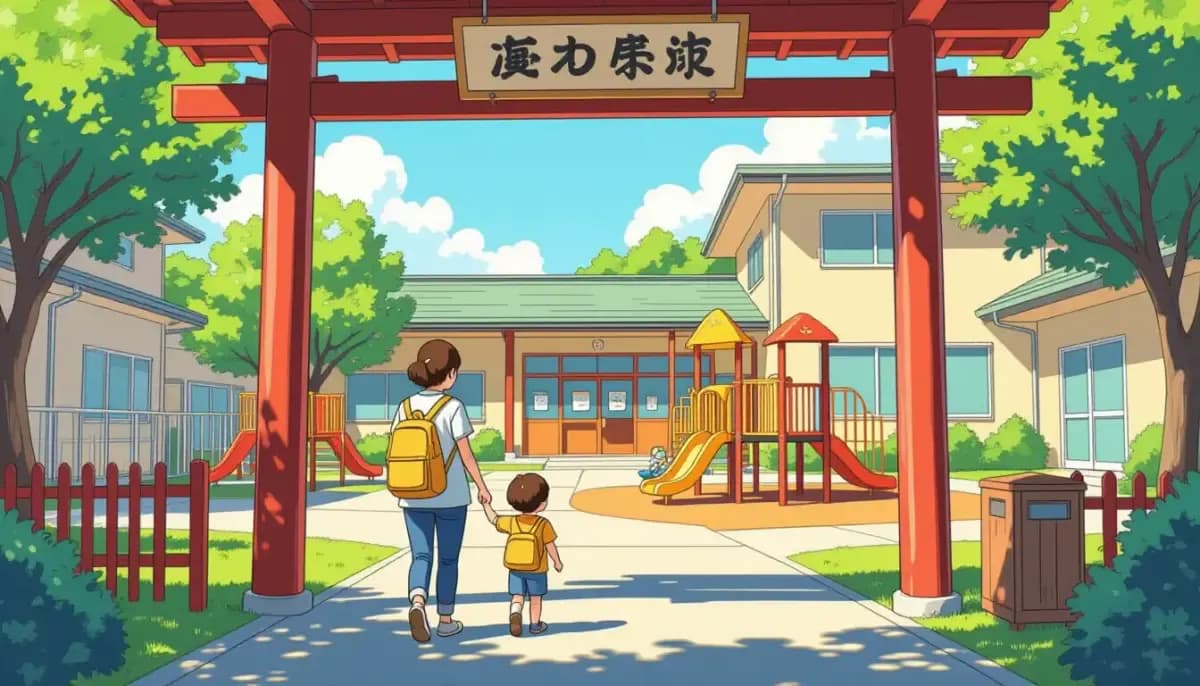
Step-by-step guide to applying for hoikuen (licensed daycare) in Japan as a foreign parent. Learn about the point system, required documents, costs, and tips to maximize your chances of enrollment.
Read more →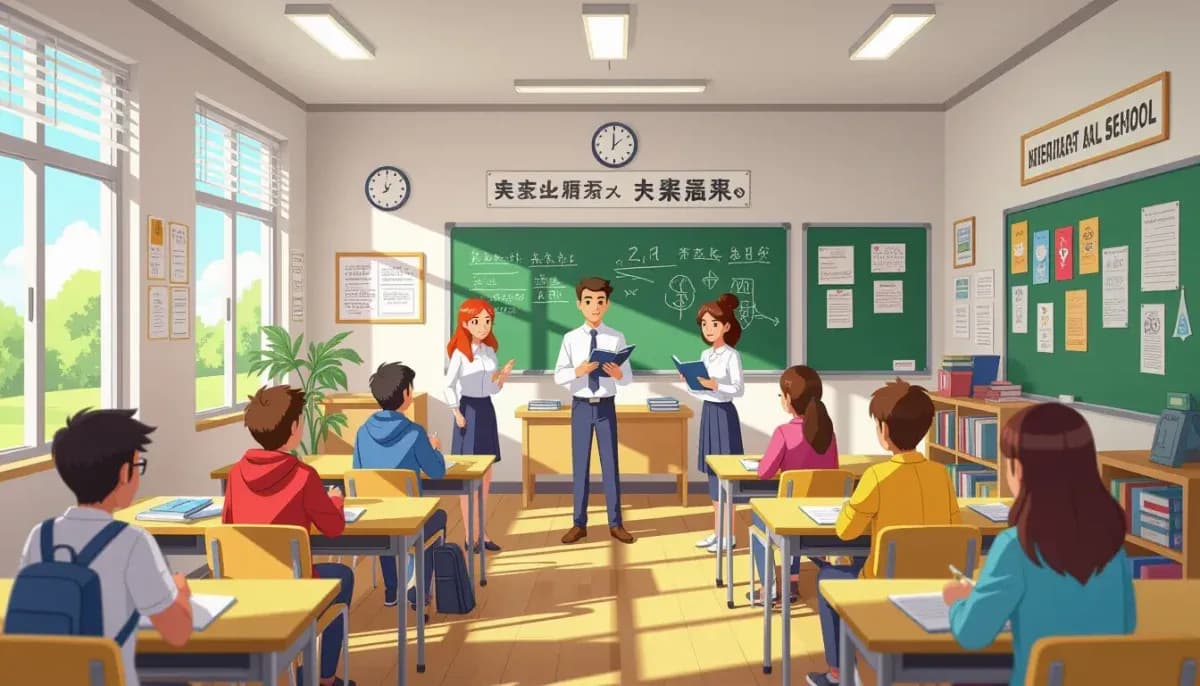
Complete guide to international schools in Japan for expat families. Learn about tuition costs (¥1.2M-¥5.5M/year), top schools in Tokyo and Osaka, application tips, and how to reduce fees with government subsidies.
Read more →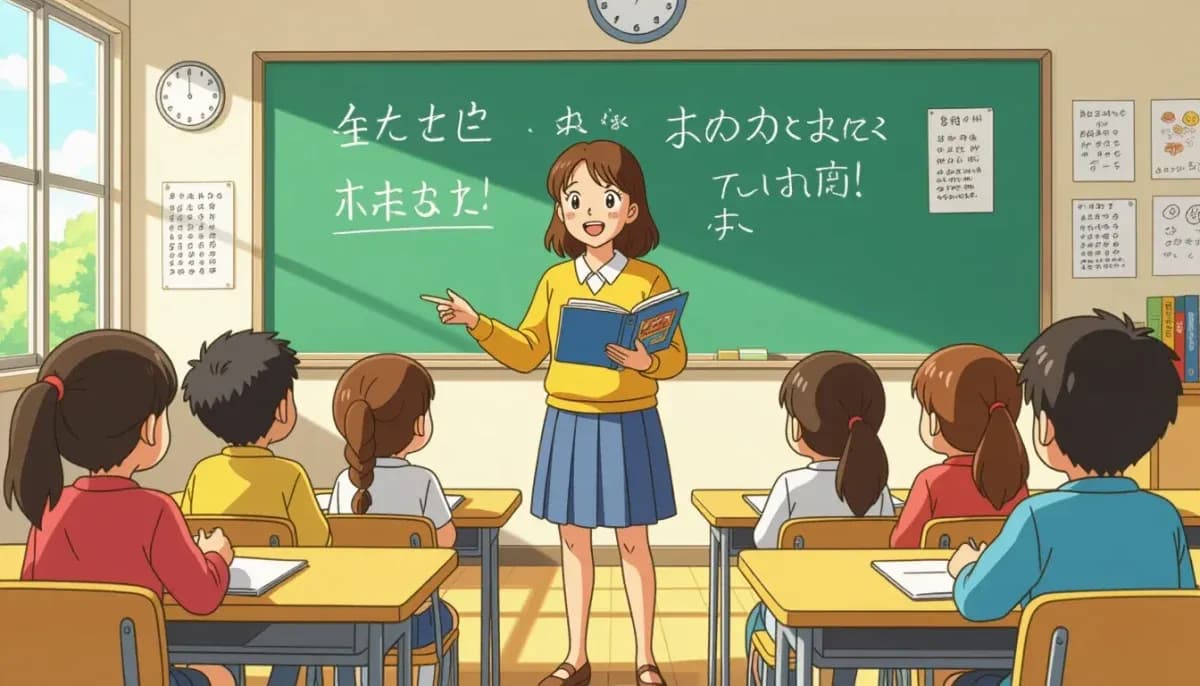
Complete guide to enrolling your children in Japanese public schools as a foreign family. Covers enrollment steps, costs, language support, school culture, and tips for a smooth transition.
Read more →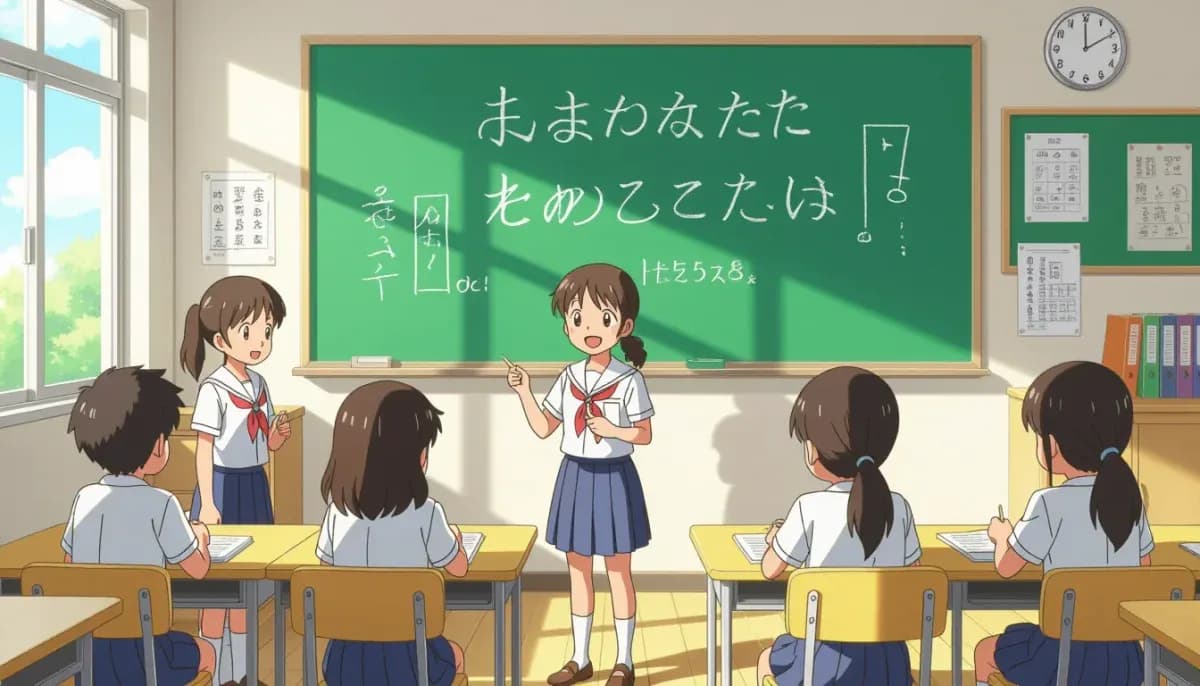
A complete guide to Japan's education system for foreign parents. Learn about school types, enrollment steps, costs, language support, and tips for raising bilingual children in Japan.
Read more →
Everything foreign parents need to know about PTA involvement in Japanese schools: how it works, the roles, language tips, how to decline gracefully, and how to connect with the school community.
Read more →