
Japanese Education System Explained for Foreign Parents

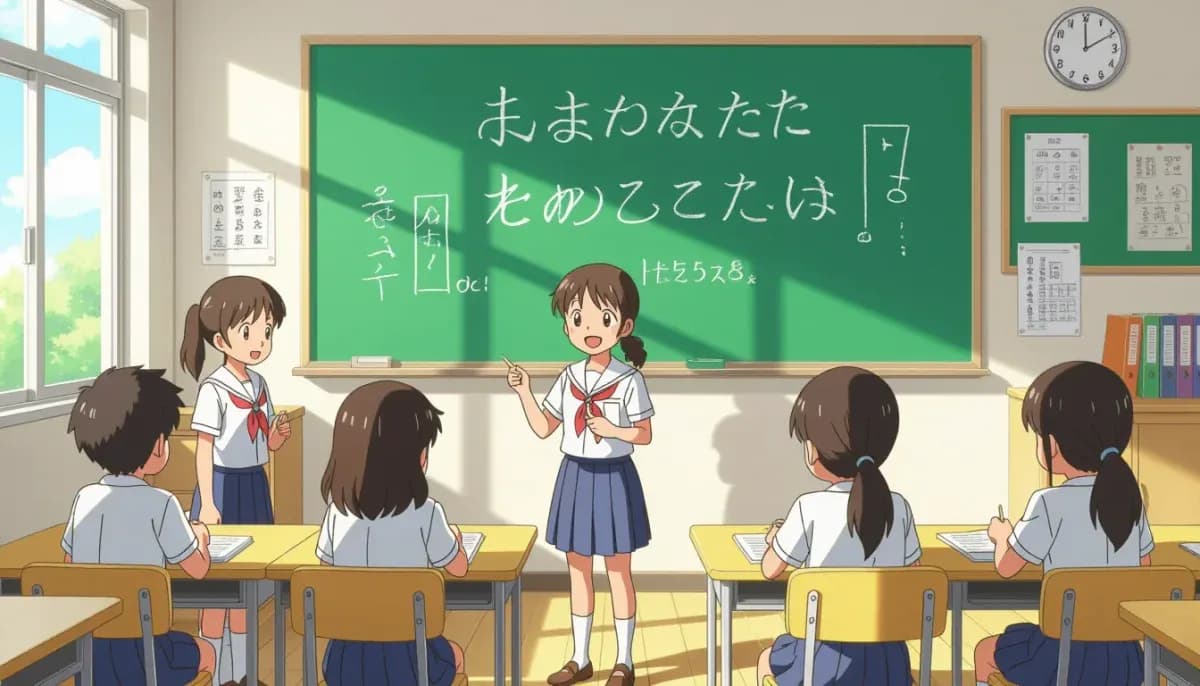
A complete guide to Japan's education system for foreign parents. Learn about school types, enrollment steps, costs, language support, and tips for raising bilingual children in Japan.
Japanese Education System Explained for Foreign Parents
Moving to Japan with children is an exciting adventure—but navigating the Japanese education system can feel overwhelming at first. From understanding school levels to managing language barriers and choosing between public and international schools, foreign parents face a unique set of challenges. This guide breaks down everything you need to know about Japan's education system so you can make the best choice for your family.
!Japanese elementary school students in uniforms studying in a classroom

How the Japanese Education System Is Structured
Japan follows a 6-3-3-4 model that covers education from elementary school all the way through university:
- Elementary School (小学校, Shōgakkō): 6 years, ages 6–12
- Junior High School (中学校, Chūgakkō): 3 years, ages 12–15
- High School (高校, Kōkō): 3 years, ages 15–18
- University/College: 4 years (or 2 years for junior colleges)
Compulsory education in Japan covers elementary and junior high school—a total of nine years. High school is not compulsory, yet over 95% of Japanese students continue their education past junior high. The school year runs from April to March, which differs significantly from the September-start academic calendars common in the West.
One important note for foreign families: Japan's compulsory education laws do not apply to foreign nationals. This means you are not legally required to enroll your child in a Japanese school. However, your children have every right to attend public schools, and foreign children are enrolled free of charge during the compulsory education years.
Public Schools vs. International Schools: Choosing the Right Path
One of the biggest decisions foreign parents face is choosing between public schools and international schools. Each option has distinct advantages and drawbacks depending on your family's situation, budget, and how long you plan to stay in Japan.
| Feature | Public School | International School |
|---|---|---|
| Language of Instruction | Japanese | English (or other languages) |
| Tuition | Free (compulsory years) | ¥1.5–3+ million per year |
| Curriculum | Japanese national curriculum | IB, British, American, etc. |
| Cultural Integration | High | Moderate |
| Language Support | Limited (varies by district) | Built-in |
| Location Availability | Nationwide | Mainly major cities |
| Uniforms | Required at most schools | Varies |
Public schools are an excellent choice for families planning a long-term stay in Japan. Children who enroll young (typically under age 10) tend to achieve conversational Japanese within 6–12 months through immersion, and academic proficiency within 2–3 years. The experience offers deep cultural integration and lifetime friendships.
International schools are ideal for families on short-term assignments, those uncomfortable with full Japanese immersion, or children who are older and would struggle with an entirely Japanese-language curriculum. While costly—often ¥1.5 to ¥3 million or more per year—they provide educational continuity and an English-language environment.
As of 2025, Japan's public schools host 114,853 foreign students, a 23% increase year-over-year, reflecting growing confidence among foreign families in the public school system. For more advice on financial planning for your children's education costs in Japan, check out Living in Nihon's guide on education fund planning.
How to Enroll Your Child in a Japanese Public School
Enrolling your child in a Japanese public school is a straightforward process once you know the steps:
- Register your address at your local city or ward office (市役所/区役所). You'll need your Residence Card (在留カード, Zairyu Card) and any household registration documents.
- Contact the Board of Education (教育委員会, Kyōiku Iinkai) for your municipality. Inform them that you wish to enroll your child in a local school.
- Receive your school assignment. Public school placement is based on your home address and school district (学区, gakku). You typically cannot choose which school your child attends.
- Complete enrollment paperwork at the assigned school, including health records and emergency contact information.
- Purchase required items. Schools will provide a list of necessary supplies such as a randoseru (school bag), indoor shoes, and stationery.
Public schools accept mid-year enrollment, so you don't need to wait until the April school year start. If your child's Japanese is limited, contact the school in advance—many districts, particularly in urban areas, offer introductory Japanese language support or assign a buddy to help your child settle in.
If you're also exploring Japanese language study for yourself or your older children, For Work in Japan's JLPT preparation guide is a helpful resource for building language skills systematically.
What Happens Inside Japanese Classrooms
Understanding Japanese classroom culture will help you prepare your children and set expectations. Japan's education philosophy emphasizes group harmony, diligence, and respect—values that are embedded into daily school life.
Key features of Japanese school life include:
- Cleaning duties (掃除, Sōji): Students are responsible for cleaning their own classrooms, hallways, and bathrooms daily. This builds a sense of responsibility and community.
- School lunch (給食, Kyūshoku): Most public elementary and junior high schools provide hot school lunches. Students serve meals to each other in their classrooms.
- Homeroom (ホームルーム): Students stay in one classroom for most lessons and teachers rotate, fostering strong class bonds.
- Club activities (部活動, Bukatsu): After-school clubs for sports, arts, music, and other interests are a cornerstone of junior high and high school life. Participation is strongly encouraged.
- Moral education: Classes focus on empathy, civic responsibility, and Japanese social values.
Uniforms are required at most junior high and high schools and are common at many elementary schools. These promote a sense of equality and reduce social pressure around clothing.
For more on adapting to Japanese culture and social norms as a foreigner, see our guide to Japanese culture and etiquette.
!A student wearing a Japanese school uniform with backpack (randoseru) in front of a school building

Navigating the Language Barrier
The language barrier is the most significant challenge for foreign children entering Japanese public schools. Here's what to realistically expect:
For young children (ages 6–10): The transition is typically manageable. Young children absorb language naturally through play and interaction. Most children become conversational within 6–12 months and achieve academic-level Japanese within 2–3 years.
For older children (ages 11+): The challenge is considerably greater. Academic content in junior high and high school is complex, and without Japanese language support, older children may struggle significantly. For older children entering the public system, supplementary Japanese tutoring is strongly recommended.
Steps to support your child's language journey:
- Enroll your child in after-school Japanese language classes (日本語教室, Nihongo Kyōshitsu) offered by many municipalities for free or at low cost.
- Use language-learning apps and books tailored to children.
- Arrange playdates with Japanese classmates to encourage natural language immersion.
- Communicate openly with teachers about your child's language level—schools can make accommodations.
For broader language learning strategies as an expat, visit our guide to learning Japanese as a foreigner.
An excellent external resource with detailed guidance on navigating Japan for expat families is Think Global People's overview of education in Japan for expat families, which covers school selection, cultural adjustment, and more.
Costs of Education in Japan
Understanding the cost landscape helps foreign parents plan effectively.
| School Type | Annual Cost Estimate |
|---|---|
| Public Elementary (compulsory) | ¥30,000–¥60,000 (supplies, lunch, etc.) |
| Public Junior High (compulsory) | ¥50,000–¥100,000 (supplies, activities) |
| Public High School | ¥300,000–¥500,000 (tuition + fees) |
| Private Japanese School | ¥600,000–¥1,200,000+ |
| International School | ¥1,500,000–¥3,000,000+ |
| University (national) | ¥500,000–¥800,000/year |
| University (private) | ¥800,000–¥1,500,000+/year |
Public schools are essentially free during compulsory years, with only modest costs for supplies, school lunch, and extracurricular activities. High school and university involve tuition, but scholarships are available through MEXT (Ministry of Education) and various private foundations for foreign students.
Japan's universities are also increasingly international—310,465 international students were enrolled in Japanese universities in 2023, a 14% increase from 2020, according to JASSO data.
For a complete picture of living costs in Japan including education expenses, see our guide to the cost of living in Japan.
You can also find detailed information about Japanese school enrollment for foreign students at JoynTokyo's Japanese school system guide and the official E-Housing guide on the Japanese education system.
For those looking to connect with other foreign families navigating Japan's school system, Ittenshoku is a resource for expats making life transitions in Japan.
Tips for Raising Bilingual Children in Japan
Japan's school environment offers a unique opportunity to raise bilingual or even multilingual children. Here are practical strategies to make the most of it:
1. Maintain your home language. While immersion in Japanese at school is powerful, consistently speaking your native language at home helps children maintain and strengthen their first language. The "one parent, one language" approach works well for many families.
2. Use the library system. Japan's public libraries carry extensive collections in multiple languages. Encourage reading in both Japanese and your home language.
3. Consider supplementary schooling. Many cities have weekend schools (補習校, Hoshūkō) affiliated with foreign embassies or expat communities that provide curricula in English, Chinese, Korean, and other languages. These allow children to stay connected to their home country's educational standards.
4. Don't rush the process. Language acquisition takes time. Avoid putting excessive pressure on your child during the adjustment period—children are remarkably resilient and adaptable.
5. Celebrate bilingualism. Being bilingual is a significant advantage in Japan's increasingly international job market. Frame your child's bilingual journey as a strength, not a burden.
For more on raising children in Japan as a foreign parent, check out our comprehensive guide to raising children in Japan as a foreigner.
Navigating Japan's education system requires preparation, flexibility, and an open mind—but the rewards are immense. Whether your child thrives in a Japanese public school or an international setting, education in Japan can be a truly enriching experience that shapes lifelong values of discipline, community, and curiosity. Take the time to explore your options, connect with other expat families, and work closely with schools to ensure your child has the best possible start to their Japanese education journey.

Originally from Vietnam, living in Japan for 16+ years. Graduated from Nagoya University, with 11 years of professional experience at Japanese and international companies. Sharing information about living in Japan for foreigners.
View Profile →Related Articles
Summer Activities and Programs for Kids in Japan
Complete guide to summer activities and programs for kids in Japan. Discover English camps, traditional festivals, water sports, theme parks, and indoor activities for expat families.
Read more →
Special Needs Education in Japan for Foreign Families
A complete guide to special needs education in Japan for foreign families. Learn about school types, support levels, enrollment process, international school options, and key resources for expat parents.
Read more →
Is Homeschooling Legal in Japan Guide for Foreigners
Is homeschooling legal in Japan for foreigners? Learn about the legal gray area, steps to homeschool your child, curriculum options, and support organizations for expat families in Japan.
Read more →
Dealing with Bullying Ijime in Japanese Schools
Learn how to recognize, report, and respond to ijime (bullying) in Japanese schools. A practical guide for foreign and expat parents in Japan, with key statistics and action steps.
Read more →
After School Activities and Juku in Japan for Kids
Complete guide to after-school activities (naraigoto) and juku cram schools in Japan for expat families. Learn about costs, enrollment, popular activities, and tips for foreign children.
Read more →
PTA Involvement in Japanese Schools Guide for Foreign Parents
Everything foreign parents need to know about PTA involvement in Japanese schools: how it works, the roles, language tips, how to decline gracefully, and how to connect with the school community.
Read more →