
Special Needs Education in Japan for Foreign Families

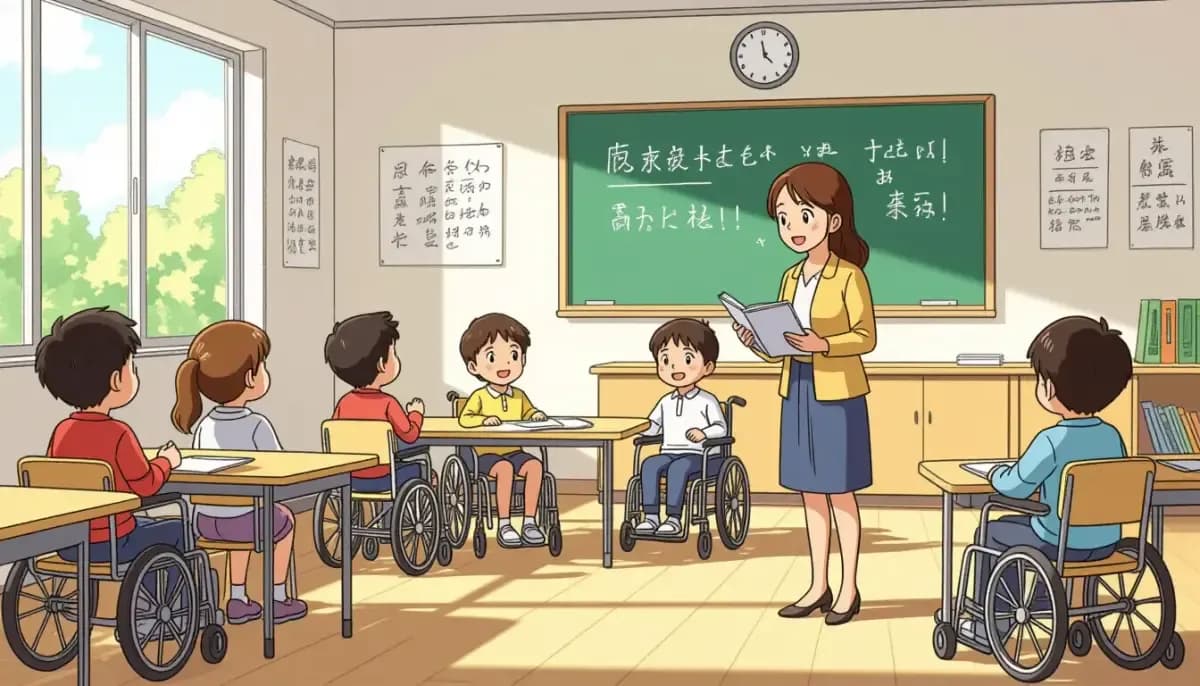
A complete guide to special needs education in Japan for foreign families. Learn about school types, support levels, enrollment process, international school options, and key resources for expat parents.
Special Needs Education in Japan for Foreign Families: A Complete Guide
Navigating special needs education in a foreign country is challenging enough — doing so in Japan, where language barriers, cultural differences, and an unfamiliar school system all come into play, can feel overwhelming. But thousands of foreign families with children who have disabilities or learning differences are successfully navigating Japan's educational landscape every year.
This guide covers everything foreign families need to know about special needs education in Japan: the types of schools available, how the support system works, how to access services as a foreigner, and practical resources to help your child thrive.
!Special needs education support in Japan

Understanding Japan's Special Needs Education System
Japan underwent a major reform of its special education system in 2007, transitioning from a segregated model (where separate schools existed for blind, deaf, or intellectually disabled students) to a more integrated framework. Today, the system is organized under "Schools for Special Needs Education" (特別支援学校, tokubetsu shien gakko), and a single school can now accept students with multiple types of disabilities.
The Ministry of Education, Culture, Sports, Science and Technology (MEXT) oversees the system and has emphasized inclusive education — ideally enabling children with and without disabilities to learn together as much as possible. However, how this is implemented varies significantly by region, school, and individual administrators.
Special needs education in Japan covers the following disability categories:
- Visual impairment
- Hearing impairment
- Intellectual disability
- Physical/motor impairment
- Fragile health conditions
- Autism spectrum disorder (ASD)
- Emotional/behavioral disorders
- Learning disabilities (LD)
- Attention deficit/hyperactivity disorder (ADHD)
- Speech and language impairment
Three Levels of Support in Public Schools
Japan's public school system offers three distinct tiers of support for children with special needs, allowing for a spectrum of integration depending on the child's needs:
| Support Level | Setting | Class Size | Best For |
|---|---|---|---|
| Regular class + support | Mainstream classroom | Standard | Mild needs, team teaching |
| Resource room (通級指導) | Part-time pull-out | Small group | Autism, ADHD, speech, LD |
| Special needs class | Dedicated classroom in regular school | Max 8 students | Moderate intellectual/physical needs |
| Special needs school | Separate facility | Max 6 (single), 3 (multiple) | Severe or multiple disabilities |
Level 1: Regular Classes with Support
Children with mild needs can remain in mainstream classrooms with accommodations such as team teaching, small-group instruction, or the presence of a support assistant. This level is designed for children whose needs don't significantly disrupt regular class flow.
Level 2: Resource Rooms (通級指導教室)
The resource room (tsukyu shido) system allows students to attend specialized instruction sessions a few times per week while remaining primarily in a mainstream classroom. This model serves children with:
- Speech and language impairment
- Autism spectrum disorder
- Emotional/behavioral disorders
- Low vision or hearing impairment
- Learning disabilities and ADHD
This is often considered the most flexible option for foreign families whose children have moderate support needs.
Level 3: Special Needs Classes (特別支援学級)
Around 62% of Japanese public schools operate special needs classes, which are dedicated classrooms within a regular school with a maximum of 8 students. These classes serve children with mild to moderate intellectual disabilities, autism/emotional disturbance, or physical/sensory impairments who benefit from a more structured, smaller environment.
Special Needs Schools (特別支援学校)
For children with more significant or complex needs, Japan's dedicated special needs schools offer comprehensive support. These schools:
- Serve children from kindergarten through upper secondary level
- Have capped class sizes of 6 students (single disability) or 3 students (multiple disabilities)
- Cost about 10 times per student compared to regular schools due to specialized staff and facilities
- Include curriculum focused on daily living skills, independence, and social participation
- Are primarily operated by local governments (prefectures)
As of 2023, approximately 1,178 special needs education schools operate across Japan, with the vast majority (1,118) being public institutions.
One notable private institution is Musashino Higashi Gakuen, which uses a "Daily Life Therapy" methodology. Since 1964, it has graduated 941 autistic students — 53% of whom are now employed in regular workplaces and 36% in sheltered workshops.
How Foreign Families Can Access Special Needs Education
Foreign children are legally entitled to attend Japanese public schools, and this includes access to special needs education services. Here's how to navigate enrollment:
Step 1: Contact Your Local Board of Education
The Municipal Board of Education (教育委員会, kyoiku iinkai) in your city or ward is the first point of contact. They handle enrollment for public schools and can advise on which school or class type is appropriate for your child. Many larger municipalities in Tokyo, Osaka, and other major cities have staff who speak English or can arrange translation.
Step 2: Get an Assessment/Diagnosis
Before enrolling in a special needs class or school, your child will typically need to go through an assessment. For foreign families, finding English-language assessments can be challenging but is possible:
- TELL Counseling Center — provides psychological assessments for children and adolescents in both Japanese and English
- International Mental Health Professionals Japan — offers a "Find a Therapist" search tool to locate English-speaking specialists
- National Rehabilitation Center for Children with Disabilities (Itabashi, Tokyo) — provides developmental assessments
Step 3: School Placement Consultation
After assessment, the Board of Education arranges a placement consultation to determine the most appropriate support level. Parents have input in this process, though final decisions are made by the school/board. Advocating for your child's needs is important — bring all documentation from your home country.
Step 4: Ongoing Support Planning
Special needs students receive an Individual Education Plan (IEP equivalent) that is reviewed regularly. Communication with teachers is crucial; if you don't speak Japanese, arranging an interpreter for meetings is highly recommended.
International School Options for Special Needs Children
Many foreign families in Japan opt for international schools, which typically offer English-language instruction and may have more familiar inclusion practices. Here are key international schools with special needs support:
| School | Location | Notable Features |
|---|---|---|
| American School in Japan (ASIJ) | Tokyo (Chofu) | Dedicated learning support specialists |
| British School in Tokyo (BST) | Tokyo | Inclusion support team |
| Nishimachi International School | Tokyo (Minato) | Small class sizes, supportive environment |
| Montessori School of Tokyo | Tokyo | Accepts diverse abilities including Asperger's, Down syndrome |
| Canadian International School Tokyo | Tokyo | Learning support program |
Most major international schools in the Kanto region now consider enrollment of children with diagnoses on a case-by-case basis. They typically have learning support specialists on staff and are more accustomed to IEP-style frameworks. However, costs can be substantial — international school fees in Japan typically range from ¥1,500,000 to ¥3,500,000 per year or more.
For more information on navigating family life in Japan, see our Complete Guide to Raising Children in Japan.
!International school classroom support Japan

After-School and Supplemental Support Services
Beyond school hours, a range of support services can complement your child's educational program:
Therapy Services
- Speech therapy (言語聴覚士) — available through hospitals and private clinics
- Occupational therapy (作業療法士) — helps with motor skills and daily activities
- Reading/learning support tutors — private and group options available
After-School Day Service (放課後等デイサービス)
Japan has a government-subsidized after-school day service (hogo-go to day service) system specifically for children with disabilities ages 6–18. These programs provide:
- Structured learning and social skills activities
- Physical and creative therapy
- Support for daily living skills
Litalico Junior is one of the most well-known providers, offering programs for children from infancy through elementary school with developmental differences. Programs are available across Japan in multiple cities.
Local Development Disability Support Centers
Each prefecture operates Development Disability Support Centers (発達障害者支援センター) that provide:
- Consultation and guidance for families
- Referrals to appropriate services
- Coordination with schools and medical providers
These centers are free to use and are an excellent starting point for newly arrived foreign families.
Challenges Foreign Families Face
While Japan's special needs system is comprehensive, foreign families often encounter specific hurdles:
Language Barrier Most services, IEP meetings, and communication from schools happen in Japanese. Bringing a Japanese-speaking friend or professional interpreter to all school meetings is strongly recommended.
Cultural Differences in Diagnosis Japan has historically had lower rates of formal autism and ADHD diagnoses compared to Western countries. If your child arrives with a foreign diagnosis, be prepared for a re-evaluation process in Japan.
Regional Variation Support quality varies significantly between urban areas (Tokyo, Osaka, Nagoya) and rural regions. Cities with larger expat populations generally offer better English-language support.
Transferring Documentation Bring all school records, IEPs, psychological assessments, and medical documentation from your home country. Getting these translated into Japanese before meetings will help communicate your child's needs effectively.
Cost of International Alternatives If Japanese public schools cannot meet your child's needs, private international school options are expensive. Budget carefully and research scholarship or subsidy options.
For support with healthcare navigation in Japan — including finding English-speaking specialists — see our Complete Guide to Healthcare in Japan.
Key Resources for Foreign Families
Here are the most important resources to know:
- TELL Counseling Center — English-language psychological assessment and counseling
- IMHPJ (International Mental Health Professionals Japan) — Find an English-speaking therapist
- Litalico — After-school support programs across Japan
- MEXT Special Needs Education Overview — Official government information
- Savvy Tokyo Special Needs Guide — Community-written resource for expats
- SEN Magazine Japan Feature — In-depth overview of SEN in Japan
- Living in Nihon — Comprehensive guides for foreigners in Japan
- For Work in Japan — Family life and living guides for expats
- Ittenshoku — Resources for expats navigating life in Japan
Planning Ahead: What to Do Before You Arrive
If you're planning to move to Japan with a child who has special needs, these steps will help you prepare:
- Research your destination city's support level — Tokyo and Yokohama have more resources than smaller cities
- Contact target schools before moving — International schools especially may have waiting lists
- Compile all documentation — IEPs, diagnoses, assessments in English AND get Japanese translations ready
- Connect with expat parent communities — Groups like Tokyo Special Needs Parents Network on Facebook provide invaluable peer support
- Identify English-speaking therapists in advance — Book consultations early as slots fill quickly
- Understand insurance coverage — Japan's National Health Insurance covers some therapy services; check what applies
For broader context on life in Japan as a foreigner, our Complete Guide to Daily Life in Japan covers essential practical information.
Conclusion
Raising a child with special needs in Japan as a foreign family is genuinely challenging, but it is far from impossible. Japan has a structured, well-funded special needs education system that foreign children are entitled to access. The public school system offers multiple tiers of support, after-school programs are government-subsidized, and international schools increasingly accommodate children with diverse needs.
The key is preparation: arrive with documentation, know your rights, connect with support communities, and don't hesitate to advocate strongly for your child. With the right resources and support network in place, children with disabilities can not only survive the Japanese school system — they can thrive in it.

Originally from Vietnam, living in Japan for 16+ years. Graduated from Nagoya University, with 11 years of professional experience at Japanese and international companies. Sharing information about living in Japan for foreigners.
View Profile →Related Articles

Summer Activities and Programs for Kids in Japan
Complete guide to summer activities and programs for kids in Japan. Discover English camps, traditional festivals, water sports, theme parks, and indoor activities for expat families.
Read more →
Is Homeschooling Legal in Japan Guide for Foreigners
Is homeschooling legal in Japan for foreigners? Learn about the legal gray area, steps to homeschool your child, curriculum options, and support organizations for expat families in Japan.
Read more →
Japanese Education System Explained for Foreign Parents
A complete guide to Japan's education system for foreign parents. Learn about school types, enrollment steps, costs, language support, and tips for raising bilingual children in Japan.
Read more →
Dealing with Bullying Ijime in Japanese Schools
Learn how to recognize, report, and respond to ijime (bullying) in Japanese schools. A practical guide for foreign and expat parents in Japan, with key statistics and action steps.
Read more →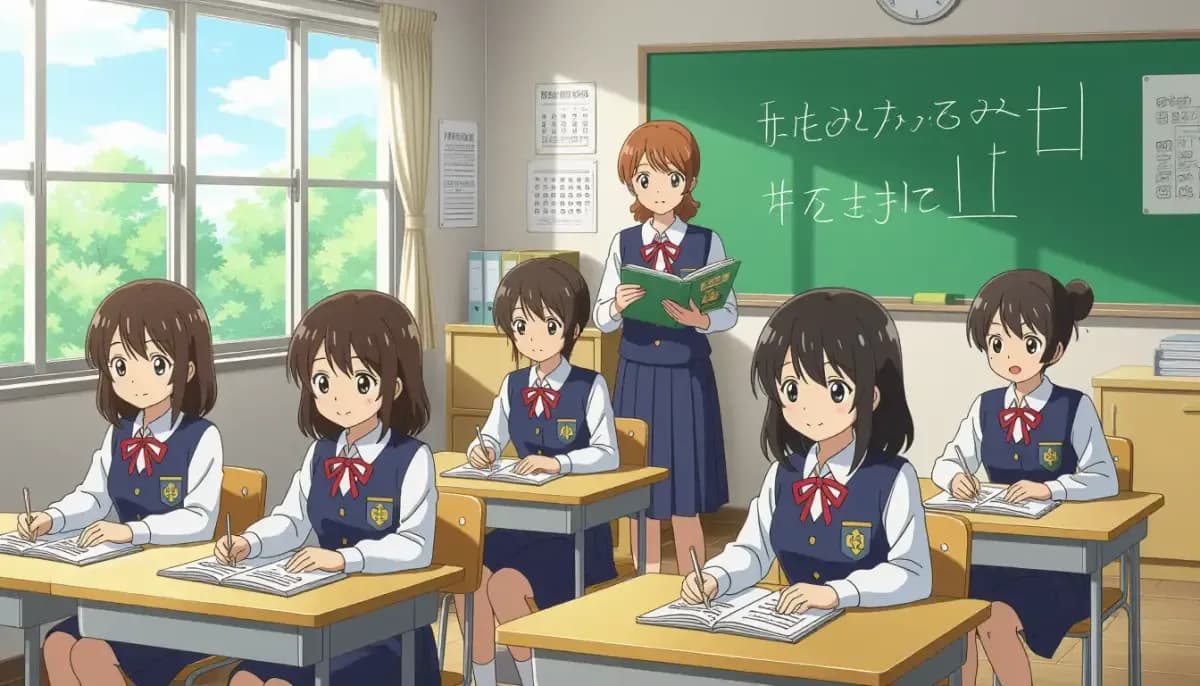
After School Activities and Juku in Japan for Kids
Complete guide to after-school activities (naraigoto) and juku cram schools in Japan for expat families. Learn about costs, enrollment, popular activities, and tips for foreign children.
Read more →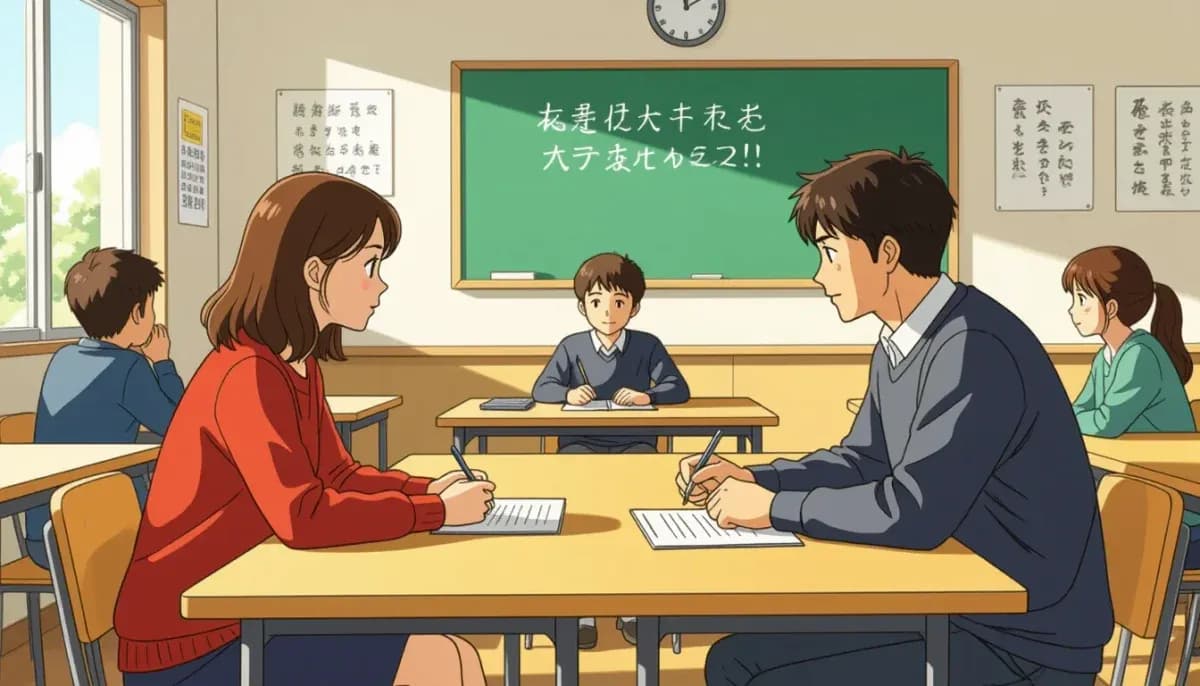
PTA Involvement in Japanese Schools Guide for Foreign Parents
Everything foreign parents need to know about PTA involvement in Japanese schools: how it works, the roles, language tips, how to decline gracefully, and how to connect with the school community.
Read more →