
Is Homeschooling Legal in Japan Guide for Foreigners

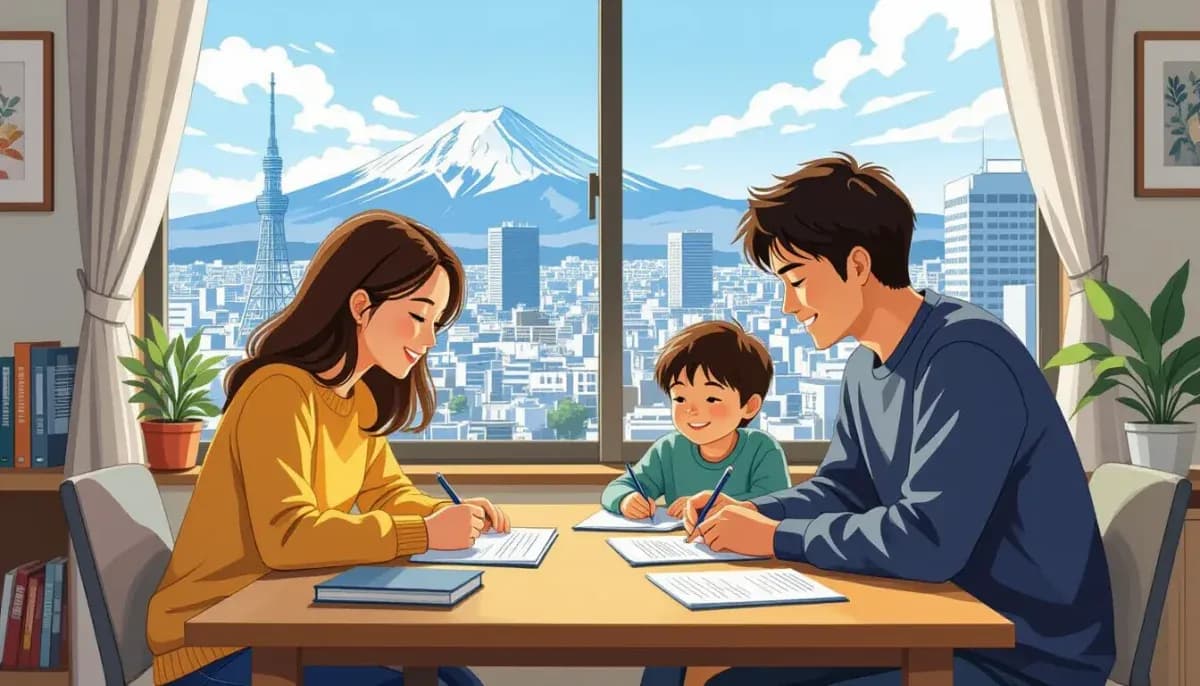
Is homeschooling legal in Japan for foreigners? Learn about the legal gray area, steps to homeschool your child, curriculum options, and support organizations for expat families in Japan.
Is Homeschooling Legal in Japan? A Complete Guide for Foreigners
As more foreign families choose to settle in Japan for the long term, questions about education options inevitably arise. One of the most common questions from expat parents is: is homeschooling legal in Japan? The answer is nuanced — it depends on your nationality, your child's age, and how you interpret Japanese law. This guide breaks down everything you need to know about homeschooling in Japan as a foreigner, including the legal landscape, practical steps, curriculum options, and the support networks available to you.
The Legal Status of Homeschooling in Japan
Japan's School Education Law (学校教育法) mandates that parents send children between the ages of 6 and 15 to elementary school and lower secondary school (junior high). This covers 9 years of compulsory education. Parents who fail to comply can technically face fines. However, enforcement is inconsistent, and there is a growing number of families — both Japanese and foreign — who are educating children at home.
For Japanese nationals, the law clearly applies. Japanese parents must request special permission or at minimum notify the local Board of Education if they intend to homeschool. Non-compliance can create legal complications.
For foreign nationals living in Japan, the situation is different. There are currently no domestic acts in Japan that specifically govern the educational rights or obligations of foreign children. The compulsory schooling obligation in Japan's law is generally interpreted as applying to Japanese citizens, not to non-Japanese residents. This means foreign families exist in a legal gray area — homeschooling is neither explicitly authorized nor explicitly forbidden for non-Japanese children.
Once your child reaches 15 years old, high school (upper secondary school) is not compulsory in Japan for anyone. At that point, homeschooling is entirely legal and unrestricted.
| Child's Age | School Stage | Legal Status for Foreign Nationals |
|---|---|---|
| 6–11 | Elementary School | Gray area — compulsory law mainly applies to Japanese nationals |
| 12–15 | Lower Secondary (Junior High) | Gray area — same as above |
| 15+ | Upper Secondary (High School) | Fully legal — high school is not compulsory |
| Any age | University / Higher Education | No restrictions |
What Does "Legal Gray Area" Mean in Practice?
Being in a legal gray area means the Japanese government has not explicitly legislated on whether foreign families must or may homeschool. In practice, this translates to:
- No formal registration system exists for homeschoolers in Japan
- Local governments and schools vary widely in their acceptance of homeschooling
- No criminal penalties have been documented for foreign families choosing home education
- You may receive social pressure from schools or local ward offices to enroll your child in public school
- Neighborhoods with fewer foreign residents may be less familiar with the concept
Many expat families in Tokyo, Osaka, and other major cities homeschool their children successfully without legal issues. The key is to be informed and proactive in your communications with local authorities.
For more context on the broader landscape of living and raising a family in Japan, check out Living in Nihon's guide to life in Japan and For Work in Japan's family resources.
Who Is Homeschooling in Japan — and Why?
Japan has seen a significant increase in school absenteeism in recent years. According to the Ministry of Education (2022), more than 500,000 students are truant from school, and approximately 5% of primary and lower secondary school students did not attend school for more than 30 days in the 2022 academic year. This has opened broader conversations about alternative education.
Foreign families in Japan typically homeschool for these reasons:
- Language barriers: Children not fluent in Japanese may struggle in public school settings
- Temporary residency: Families on short-term assignments may prefer continuity with a home-country curriculum
- Religious or philosophical values: Some families prefer faith-based or alternative educational philosophies
- Special educational needs: Children with disabilities or learning differences may benefit from individualized instruction
- Academic quality concerns: Some parents prefer the rigor or style of international curricula
- Flexibility: The ability to travel, adjust schedules, or tailor content to a child's interests
Practical Steps to Homeschool in Japan as a Foreigner
Even if you are in a legal gray area, it's wise to handle homeschooling proactively. Here are the key steps:
Step 1 — Notify your local Board of Education (教育委員会) While not legally required for foreign nationals, sending a written notice to your local Board of Education explaining your decision to homeschool avoids misunderstandings. This step shows good faith and reduces the risk of unwanted intervention.
Step 2 — Contact the school your child would normally attend If your child is of compulsory school age, inform the local public school principal or designated school. Many schools will simply issue a non-attendance notice (登校しない届出) and maintain your child on their rolls, which is the most common approach.
Step 3 — Choose your curriculum Select a curriculum that suits your child's needs and your home country's educational standards. Popular options among foreign families in Japan include:
- British National Curriculum (e.g., Cambridge International)
- American Common Core (or homeschool-specific curricula like Abeka, Saxon, or Classical Conversations)
- International Baccalaureate (IB) Primary Years Programme
- Japanese curriculum (available in full from the Ministry of Education)
- Online schools (e.g., Oak Meadow, Connections Academy, Time4Learning)
Step 4 — Keep records Maintain a portfolio of your child's work, including sample assignments, reading lists, projects, and assessments. This documentation is valuable if your family moves back to your home country or transfers to a formal school in Japan.
Step 5 — Connect with a support network Join local and online homeschooling communities in Japan. This makes the experience far less isolating and helps you navigate the unique challenges of homeschooling abroad.
For resources on broader education and family life topics in Japan, visit Ittenshoku's career and life guides for foreign residents.
Curriculum Options for Expat Homeschoolers in Japan
Choosing the right curriculum is one of the most important decisions you'll make as a homeschooling parent. The good news is that expat families in Japan have access to a wide range of options:
| Curriculum Type | Examples | Best For |
|---|---|---|
| Online schools | Time4Learning, Connections Academy, Khan Academy | Flexible, self-paced learners |
| Faith-based | Abeka, Sonlight, Classical Conversations | Christian or faith-oriented families |
| Classical | Well-Trained Mind, Great Books | Academic rigor, literature-based |
| International | Cambridge International, IB PYP | Families seeking globally recognized credentials |
| Japanese MOE curriculum | Ministry of Education textbooks | Families planning to re-enter Japanese public school |
| Hybrid | Combination of Japanese + home country curriculum | Bilingual or bicultural families |
Many families in Japan also supplement their homeschooling with:
- Japanese language tutoring to help children integrate socially
- Community sports teams or local club activities to maintain social connections
- Co-ops or homeschool groups where multiple families share teaching duties
- Online tutors for specialized subjects like math or science
Support Organizations for Homeschoolers in Japan
You are not alone. Several organizations exist specifically to support homeschooling families in Japan:
CHEA of Japan (cheajapan.com) A Christian homeschooling support organization that provides curriculum guidance, community events, and legal advice for families in Japan.
NPO Homeschool Association of Japan (HoSA) (homeschool.ne.jp) HoSA is the largest general homeschooling association in Japan. They welcome inquiries in English and can provide support to foreign families navigating the homeschooling landscape.
Facebook Groups & Online Communities Several active Facebook groups exist for homeschooling expat families in Japan, including groups specific to Tokyo, Osaka, and Nagoya. These communities are invaluable for finding local tutors, sharing curriculum resources, and getting practical advice from families who have been there.
HSLDA International The Home School Legal Defense Association provides resources for Americans and Canadians homeschooling abroad, including a dedicated Japan page at hslda.org/post/japan.
Also see: Education in Japan Community Blog for detailed discussion of the legal landscape.
Homeschooling and Re-enrollment: What Happens Next?
Many families homeschool for a period and then transition their children back into formal schooling — either in Japan or upon returning home. Here is what to expect:
Re-enrolling in a Japanese public school: Contact the local Board of Education (教育委員会) in your ward or city. They will assess your child's level and assign an appropriate grade. Schools are generally accommodating, especially if the child has Japanese language skills.
Re-enrolling in an international school in Japan: International schools typically assess students individually and do not rely on formal transcripts. A portfolio of work is helpful.
Returning to your home country: Requirements vary significantly. In the United States, for example, requirements differ by state. In the UK, local authorities may ask for evidence of educational progress. Keeping detailed records during your homeschooling period is essential.
For guidance on navigating Japanese bureaucracy and daily life as a foreigner, see our guides on raising children in Japan and daily life in Japan for foreigners.
Common Challenges and How to Overcome Them
Homeschooling in Japan as a foreigner comes with unique challenges. Here are the most common ones and practical strategies to address them:
Challenge: Social isolation for your child Japanese society places high value on group belonging and school-based friendships. Children who don't attend school may feel isolated. Solution: Enroll your child in local sports clubs (地域スポーツクラブ), music lessons, or community activities. Many municipalities have community centers (公民館) with programs for children.
Challenge: Lack of Japanese language development Even if you are homeschooling in English, living in Japan means your child will benefit from Japanese language skills for daily life and future opportunities. Solution: Include structured Japanese lessons in your curriculum. Hire a Japanese tutor or use online platforms like Rosetta Stone or JapanesePod101.
Challenge: No access to resources in your language Finding English-language curriculum materials or tutors in smaller cities can be difficult. Solution: Rely heavily on online platforms. Amazon Japan ships international curriculum materials, and many digital curriculum providers deliver content globally.
Challenge: Explaining your situation to local authorities Ward offices and schools may not be familiar with homeschooling, especially for foreign families. Solution: Prepare a brief written explanation (in Japanese if possible) of your educational plan and your legal status as a foreign national. Showing documentation of your curriculum builds credibility.
For further support navigating life in Japan, explore resources on Japanese culture and etiquette and learning Japanese as a foreigner.
Is Homeschooling Right for Your Family in Japan?
Homeschooling in Japan is a viable option for many foreign families, particularly those planning a longer stay, dealing with language transition challenges, or seeking continuity with their home country's educational standards. The legal gray area for foreign nationals provides practical flexibility, though it requires parents to be proactive, organized, and engaged.
Before making the decision, consider:
- Your child's age, personality, and learning style
- How long you plan to stay in Japan
- Your own availability and capacity to teach or supervise
- Your child's Japanese language skills and social needs
- Whether your home country's school system will recognize a homeschooling period
With the right curriculum, community connections, and proactive communication with local authorities, homeschooling in Japan can be a rich and rewarding experience for both children and parents.
For additional guidance on settling in Japan and building a fulfilling expat life, visit Living in Nihon for comprehensive Japan living guides and Beacon Education's guide to homeschooling in Japan.

Originally from Vietnam, living in Japan for 16+ years. Graduated from Nagoya University, with 11 years of professional experience at Japanese and international companies. Sharing information about living in Japan for foreigners.
View Profile →Related Articles

Summer Activities and Programs for Kids in Japan
Complete guide to summer activities and programs for kids in Japan. Discover English camps, traditional festivals, water sports, theme parks, and indoor activities for expat families.
Read more →
Special Needs Education in Japan for Foreign Families
A complete guide to special needs education in Japan for foreign families. Learn about school types, support levels, enrollment process, international school options, and key resources for expat parents.
Read more →
Japanese Education System Explained for Foreign Parents
A complete guide to Japan's education system for foreign parents. Learn about school types, enrollment steps, costs, language support, and tips for raising bilingual children in Japan.
Read more →
Dealing with Bullying Ijime in Japanese Schools
Learn how to recognize, report, and respond to ijime (bullying) in Japanese schools. A practical guide for foreign and expat parents in Japan, with key statistics and action steps.
Read more →
After School Activities and Juku in Japan for Kids
Complete guide to after-school activities (naraigoto) and juku cram schools in Japan for expat families. Learn about costs, enrollment, popular activities, and tips for foreign children.
Read more →
PTA Involvement in Japanese Schools Guide for Foreign Parents
Everything foreign parents need to know about PTA involvement in Japanese schools: how it works, the roles, language tips, how to decline gracefully, and how to connect with the school community.
Read more →