
PTA Involvement in Japanese Schools Guide for Foreign Parents

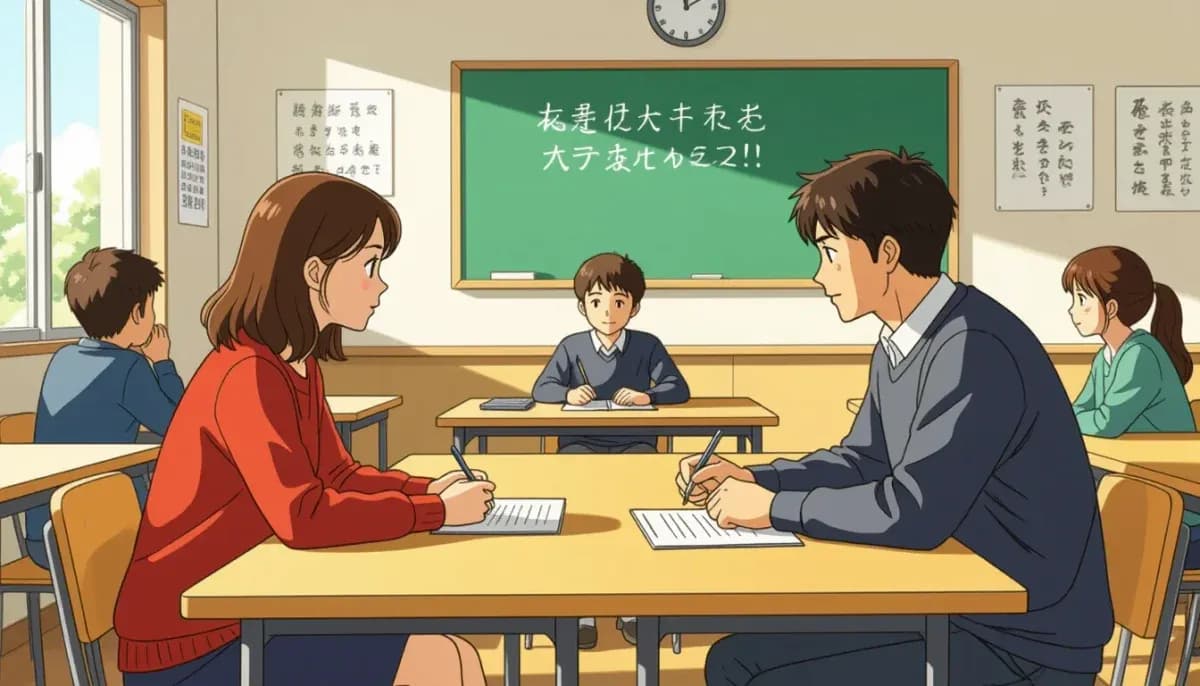
Everything foreign parents need to know about PTA involvement in Japanese schools: how it works, the roles, language tips, how to decline gracefully, and how to connect with the school community.
PTA Involvement in Japanese Schools: A Complete Guide for Foreign Parents
Enrolling your child in a Japanese public school is an exciting step, but it quickly introduces you to one of the most distinctly Japanese institutions you will encounter as a foreign parent: the PTA, or Parent-Teacher Association (保護者と教師の会 / PTA). Unlike PTAs in many Western countries, the Japanese version comes with its own set of unwritten rules, social expectations, and organizational culture. For foreign parents, navigating this system can feel overwhelming — especially when everything is conducted in Japanese.
This guide breaks down exactly how Japanese school PTAs work, what participation actually involves, how to handle language barriers, and how to engage with the community in a way that works for your family. Whether you are completely new to life in Japan or have been here for years, understanding the PTA will help you support your child's school experience and connect with other parents.
!Foreign parent attending PTA meeting at Japanese elementary school

What Is the Japanese School PTA?
The PTA (Parent-Teacher Association) exists in almost every Japanese public elementary and junior high school. While the name sounds similar to its Western counterparts, the Japanese PTA functions more like a volunteer labor organization than a fundraising or advisory board. Its primary purpose is to support school events, manage safety patrols, organize parent education activities, and build community among parents, teachers, and students.
Here are the key things to understand about the structure:
- Membership is technically voluntary under Japanese law. No parent is legally required to join the PTA.
- In practice, it often feels mandatory due to social expectations and the tight-knit nature of Japanese school communities.
- Monthly fees typically run around ¥350 per household in Tokyo public schools, though this varies by region and school.
- Roles are assigned annually, usually in spring at the beginning of the school year.
- Most parents serve only once during their child's time at a given school, typically for one year.
Understanding this balance between legal voluntarism and social expectation is the first step for any foreign parent approaching the PTA.
Common PTA Sections and What They Do
Japanese school PTAs are typically divided into sections (部 / bu), each with different responsibilities and time commitments. Here is an overview of the most common sections:
| Section Name (Japanese) | English Name | Main Duties | Time Commitment |
|---|---|---|---|
| 学年学級部 (gakunen gakkyu-bu) | Class Representatives | Organize class events, run festival stalls, create parent contact lists | Moderate - several meetings per term |
| 校外指導部 (kougai shidou-bu) | Outside School Instruction | Supervise safety patrols and route monitoring | Low - a few hours per month |
| 広報部 (kouhou-bu) | Newsletter / PR | Write and photograph school events for the newsletter | Moderate - deadline-driven |
| 成人教育部 (seijin kyoiku-bu) | Adult Education | Arrange 2 workshops per year for parents | Low - mainly event planning |
| 推薦部 (suisen-bu) | Recommendation Section | Recruit executive committee members | Variable |
| 本部役員 (honbu yakuin) | Executive Committee | Oversee all PTA operations as president, vice president, secretary, or treasurer | High - weekly or near-daily involvement |
Tip for foreign parents: The Outside School Instruction section (校外指導部) is often the best fit if your Japanese is limited. Safety patrols are more physical than verbal, and fellow members tend to be patient and supportive.
How PTA Roles Are Assigned in Japan
One of the most surprising things for foreign parents is how PTA roles get assigned. Unlike in some countries where parents enthusiastically volunteer for positions they want, in Japan the process is often more reluctant — and more random.
Here is how the typical assignment process works:
- Spring meeting (4月): Shortly after the school year begins in April, each class holds a parent meeting where PTA roles need to be filled.
- Nomination or lottery: If no one volunteers (which is common), schools often resort to lottery (くじ引き) or even jan-ken-pon (rock-paper-scissors) to assign roles.
- One term of service: Most parents are expected to serve one section or committee role during their child's entire time at that school — not every year.
- Executive roles: Positions like president (会長 / kaichou), vice president, secretary, and treasurer require the most time and are the hardest to fill. Section heads average about one meeting per week; lead vice presidents may work nearly every day.
If you are a foreign parent approached about taking a role, it is completely acceptable to communicate your limitations clearly and early. Many schools have experience working with foreign families and can be flexible.
Language Challenges and How to Handle Them
For foreign parents, the language barrier is often the single biggest obstacle in PTA participation. All documents, meetings, and communications are conducted in Japanese. Even parents with conversational Japanese may struggle with formal administrative language used in PTA paperwork.
Practical strategies to manage the language gap
1. Communicate early and honestly Before the spring meeting, if possible, speak to your child's homeroom teacher (担任 / tannin) and explain your Japanese level. Teachers can often alert the PTA section leader so they are prepared.
2. Bring a helper or ask for a buddy Some schools will pair a foreign parent with a bilingual parent buddy (ペアサポート). If this is not offered, it is perfectly reasonable to ask another parent in the class for help.
3. Use translation tools Apps like Google Translate's camera function work well for scanning documents. DeepL is excellent for longer passages. Many parents keep these tools handy at meetings.
4. Choose lower-language roles Safety patrol roles and outdoor supervision duties require far less reading and speaking ability than newsletter writing or secretary positions.
5. Ask for key information in writing Even if explanations at meetings are verbal, politely asking for a written summary afterward (メモをいただけますか?) is accepted in most PTA settings.
For more guidance on navigating daily life in Japan with language challenges, see our guide on learning Japanese as a foreigner.
Benefits of PTA Involvement for Foreign Parents
While PTA participation may feel like an obligation, there are genuine benefits — especially for foreign parents trying to build connections in the local community.
Building relationships with Japanese parents PTA activities put you in regular, low-stakes contact with Japanese parents from your neighborhood. These connections can grow into friendships, and they give your child's social life a boost too when neighborhood parents know each other.
Understanding your child's school from the inside Participating in PTA gives you direct access to information about school events, safety concerns, and school culture — information that can be hard to access from the outside, especially if you rely on your child to translate.
Demonstrating community commitment In Japan, showing willingness to participate — even imperfectly — earns respect. Fellow parents are generally forgiving of language mistakes when they see genuine effort.
Learning practical Japanese vocabulary The language of school life — event names, duty rosters, newsletters — is practical, everyday Japanese that you will use repeatedly. PTA involvement is unintentional immersion.
For a broader look at how to integrate socially in Japan, our social life guide for foreigners in Japan offers helpful strategies.
!Japanese school entrance ceremony with parents gathered

How to Decline PTA Participation Gracefully
If PTA involvement is genuinely not feasible for your family — due to work schedule, single-parent situation, or language limitations — you can decline. Here is how to do it respectfully in the Japanese context.
Be direct but polite in writing: Sending a note to the homeroom teacher before the assignment meeting is better than showing up and refusing in person. A short explanation in Japanese (or with translation help) goes a long way.
Cite specific, concrete reasons: In Japanese culture, vague refusals are less accepted than concrete explanations. Saying "I work full-time during school hours" (平日の昼間は仕事があります) or "My Japanese is not sufficient for committee work" (日本語のスキルが不十分です) is more effective than a general decline.
Offer an alternative contribution: If you can help with something lower-commitment — attending events, donating refreshments, helping with physical setup — offering this shows goodwill even if you cannot take on a formal role.
Know that ultimately, you can say no: PTA membership is voluntary. While social pressure is real, there are no legal or official consequences for opting out.
Connecting With Other International Parents
One of the most valuable resources for foreign parents navigating the Japanese school system is other international parents who have been through it before. Many schools in urban areas have small but active communities of non-Japanese families.
Ways to connect:
- Ask at the school office (事務室) if there are other foreign families you could be introduced to
- Join local expat Facebook groups for your city or ward — these often have school-specific threads
- Check with your ward office (区役所 / 市役所) as many local governments have international resident support programs that include school liaison services
For expert guidance on navigating school enrollment as a foreigner, Real Life Japan's PTA guide offers a practical, experience-based perspective. Savvy Tokyo's comprehensive PTA overview is also an excellent resource specifically covering Tokyo public school PTAs in detail.
For families new to Japan, our raising children in Japan guide covers enrollment, school culture, and everything you need to know about the education system from the beginning.
Key Japanese PTA Vocabulary
Understanding a few key terms will help you navigate PTA communications and meetings much more confidently.
| Japanese | Romaji | Meaning |
|---|---|---|
| PTA | PTA | Parent-Teacher Association |
| 役員 | yakuin | Officer / committee member |
| 会長 | kaichou | President |
| 担当 | tantou | Person in charge / assigned role |
| くじ引き | kuji-hiki | Lottery |
| 部 | bu | Section / department |
| 役割 | yakuwari | Role / duty |
| 総会 | soukai | General meeting |
| 担任 | tannin | Homeroom teacher |
| 保護者 | hogosya | Parent / guardian |
| 学校行事 | gakkou gyouji | School events |
Keeping this vocabulary handy — saved on your phone or printed out — makes attending your first PTA meeting considerably less stressful.
Planning Your Family's Approach to PTA
Every family's situation is different. A parent who works from home and speaks conversational Japanese will have a very different experience from one who works full-time with minimal Japanese skills. Here is a quick framework for thinking through your PTA approach:
If you want to participate actively: Consider the class representative or newsletter section. These roles offer the most community connection and are manageable with intermediate Japanese.
If you want to contribute minimally: Choose the outside school instruction or adult education sections. These have the lowest time and language demands.
If you need to decline: Do so early, politely, and with a specific reason. Follow up by being a visible, friendly presence at school events when you can.
If you are unsure: Talk to the homeroom teacher before the spring meeting. Ask what roles have worked well for other foreign parents at the school. Most teachers appreciate proactive communication.
For more on building a life in Japan as a foreigner — including school, housing, and community resources — explore our complete guide to raising children in Japan for foreigners and our overview of daily life in Japan for foreigners.
Additionally, Living in Nihon's comprehensive guide to raising children and education in Japan, For Work in Japan's family life guide, and Ittenshoku's Japan living resources offer extensive information to help foreign families thrive in Japan. For more on expat education experiences, see Expat Arrivals' Japan education guide and Japan Today's PTA perspective.
Final Thoughts
The Japanese school PTA may be one of the more culturally specific challenges you face as a foreign parent. It is rooted in Japanese values of community responsibility, group harmony, and collective effort — values that are genuinely admirable but can feel opaque or pressuring to outsiders.
The good news is that most schools, teachers, and fellow parents are far more understanding of foreign families' situations than the system's surface formality might suggest. Going in with realistic expectations, honest communication about your limitations, and a willingness to contribute in whatever way you can will serve you far better than trying to navigate the PTA exactly as a Japanese parent would.
Your child benefits when you are connected to their school community. Find the level of involvement that works for your family — and do not be afraid to ask for help along the way.

Originally from Vietnam, living in Japan for 16+ years. Graduated from Nagoya University, with 11 years of professional experience at Japanese and international companies. Sharing information about living in Japan for foreigners.
View Profile →Related Articles

Summer Activities and Programs for Kids in Japan
Complete guide to summer activities and programs for kids in Japan. Discover English camps, traditional festivals, water sports, theme parks, and indoor activities for expat families.
Read more →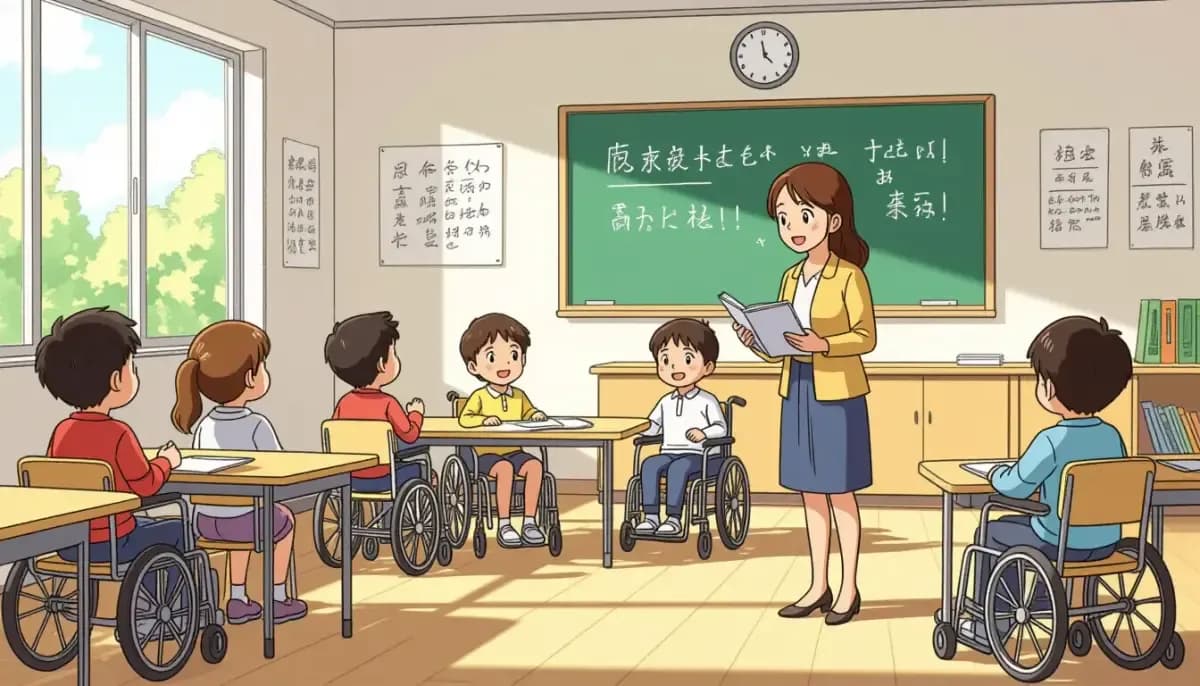
Special Needs Education in Japan for Foreign Families
A complete guide to special needs education in Japan for foreign families. Learn about school types, support levels, enrollment process, international school options, and key resources for expat parents.
Read more →
Is Homeschooling Legal in Japan Guide for Foreigners
Is homeschooling legal in Japan for foreigners? Learn about the legal gray area, steps to homeschool your child, curriculum options, and support organizations for expat families in Japan.
Read more →
Japanese Education System Explained for Foreign Parents
A complete guide to Japan's education system for foreign parents. Learn about school types, enrollment steps, costs, language support, and tips for raising bilingual children in Japan.
Read more →
Dealing with Bullying Ijime in Japanese Schools
Learn how to recognize, report, and respond to ijime (bullying) in Japanese schools. A practical guide for foreign and expat parents in Japan, with key statistics and action steps.
Read more →
After School Activities and Juku in Japan for Kids
Complete guide to after-school activities (naraigoto) and juku cram schools in Japan for expat families. Learn about costs, enrollment, popular activities, and tips for foreign children.
Read more →