The Complete Guide to Making Friends and Social Life in Japan
Moving to Japan is an exciting adventure, but one of the biggest challenges many foreigners face is building a meaningful social life. Japanese culture values deep, long-term relationships over casual acquaintances, which can make the initial stages of friendship-building feel slow and even discouraging. However, with the right strategies and an understanding of local social norms, you can create a rich, fulfilling social life in Japan — full of genuine friendships with both Japanese locals and fellow expats.
This guide covers everything you need to know about making friends, joining communities, navigating cultural expectations, and thriving socially as a foreigner in Japan.
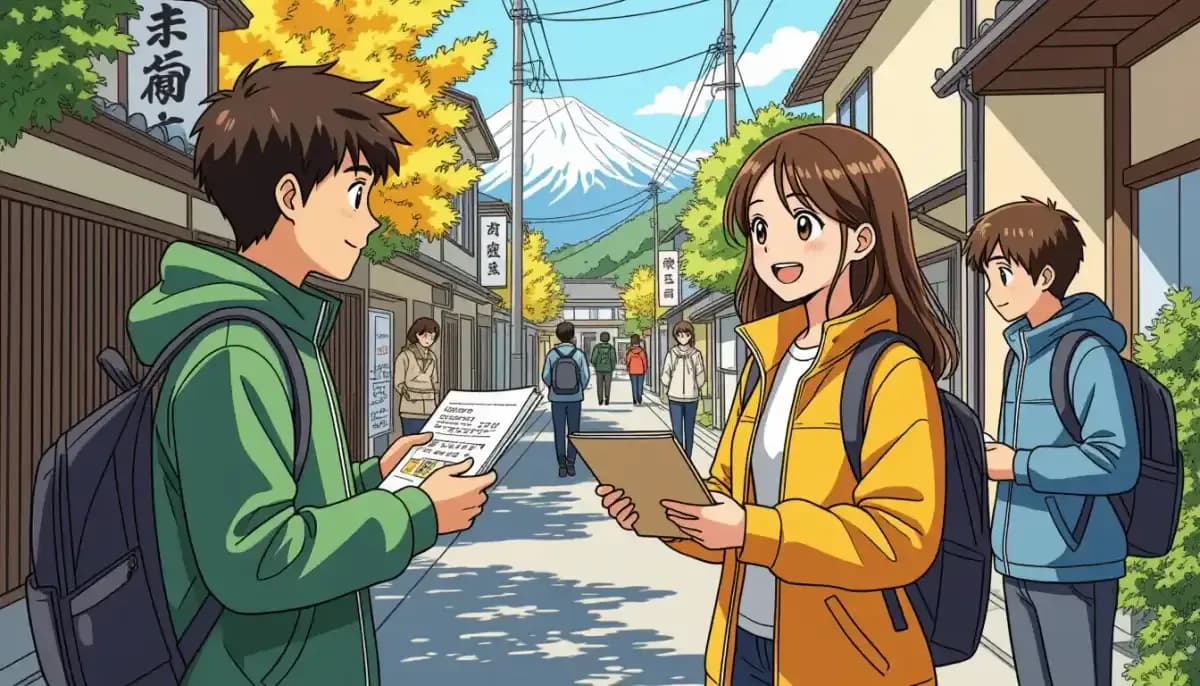
!Diverse group of foreigners and Japanese people socializing together at a cafe in Japan
Understanding Japanese Friendship Culture: The Uchi-Soto Concept
Before diving into where to meet people, it's essential to understand the cultural framework that shapes all social interactions in Japan: the concept of uchi (内) and soto (外), meaning "inside" and "outside."
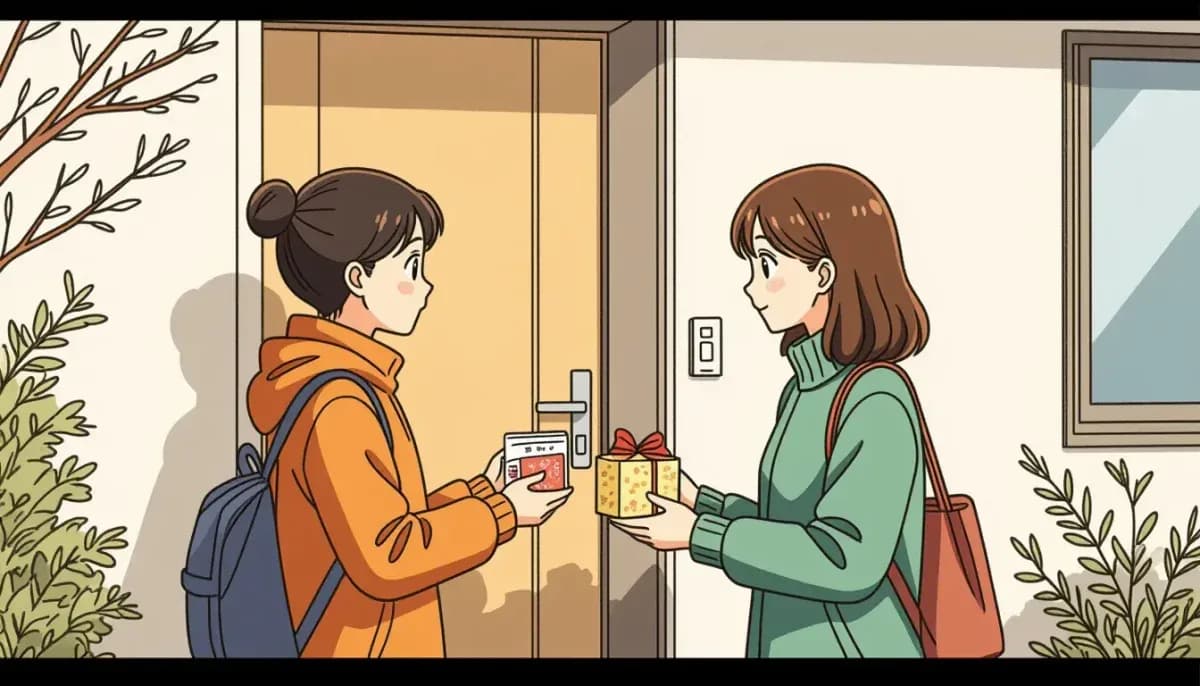
In Japanese society, people are categorized as either insiders (uchi) — close friends, family, colleagues — or outsiders (soto). When you first arrive, you are firmly in the "outside" category. Japanese people are typically reserved and formal with strangers, which can feel like coldness or disinterest to foreigners used to more open social cultures.
The key insight is that this is not rejection — it's simply the cultural expectation. Once you break through the initial barrier and become part of someone's "uchi" circle, Japanese friendships tend to be extraordinarily loyal, deep, and long-lasting.
Why Building Friendships Takes Time
- Group loyalty over individual networking: Japanese people often maintain long-term friend groups from school or work rather than constantly forming new ones
- Indirect communication: Discomfort is rarely expressed directly; you may need to read subtle social cues
- Trust through consistency: Showing up repeatedly over time matters more than a single impressive first impression
- Work and social blur: Many Japanese people socialize primarily through their workplace (nomikai culture)
Understanding these dynamics will help you approach social situations with patience and realistic expectations.
Where to Meet People in Japan: Online Platforms and Apps
The digital landscape offers tremendous opportunities to connect with both expats and Japanese locals. Here are the most effective platforms:
Best Apps for Making Friends in Japan
| Platform | Best For | Key Feature |
|---|
| Meetup.com | Expats & locals | Events for all interests in major cities |
| HelloTalk | Japanese friends | Language exchange with AI translation |
| Tandem | Japanese learners | Voice/video language exchange |
| InterNations | Professional expats | Quality events in Tokyo, Osaka, Nagoya |
| つなげーと (Tunagate) | Local circles | 65,000+ registered hobby circles |
| Facebook Groups | Expat community | Tokyo Expat Network (30,000+ members) |
| Bumble BFF | Female-friendly | Platonic friendship matching |
HelloTalk is particularly powerful because it's specifically designed for language exchange, meaning Japanese users are already expecting to help foreigners practice Japanese — making initial conversations far less awkward.
Meetup.com hosts daily events in Tokyo and Osaka ranging from hiking clubs to board game nights to language exchange meetups. It's one of the best ways to regularly meet new people around a shared activity.
The Tokyo Expat Network Facebook group has over 30,000 members, while Welcome Tokyo has over 50,000 — these communities are invaluable for practical advice, event announcements, and meeting fellow foreigners.
For more tips on navigating digital life in Japan, see our guide on Daily Life in Japan for Foreigners.
Joining Clubs and Hobby Groups (サークル活動)
One of the most effective ways to build genuine friendships in Japan is through circles (サークル) — Japan's beloved culture of interest-based clubs. Whether you're into hiking, photography, cooking, yoga, or board games, there's almost certainly a circle for it.
Why Circles Work So Well
Shared activities naturally reduce the pressure of conversation and allow friendships to develop organically over time. Circles also give you a built-in reason to meet regularly — essential for building the kind of trust that Japanese friendships require.
How to Find Circles
- Tunagate (つなげーと): Japan's largest circle app with over 65,000 registered groups
- CircleBook (サークルブック): Covers all 47 prefectures
- Community centers (公民館): Government-run centers offering free or low-cost programs that welcome foreigners
- Local noticeboards: Sports facilities, supermarkets, and community halls often post flyers for local groups
- University open programs: If you're studying Japanese, university language programs often include social clubs
Best Activities for Foreigners with Limited Japanese
Some activities have a naturally low language barrier, making them ideal for early-stage Japanese learners:
| Activity | Language Barrier | Notes |
|---|
| Soccer / Football | Very Low | Actions speak louder than words |
| Basketball | Very Low | Global sport with universal rules |
| Tennis / Badminton | Low | Easy to communicate during play |
| Hiking | Low | Beautiful scenery, natural conversation pace |
| Cooking classes | Medium | Instructions can be visual |
| Martial arts (karate, judo) | Medium | Traditional, welcoming of foreigners |
| Language exchange | Very Low | Built around helping each other |
Expat Communities: Finding Your Tribe
With over 3.4 million foreigners currently living in Japan (over 600,000 in Tokyo alone), you're far from alone. The expat community in Japan is vibrant, well-organized, and incredibly supportive.
Key Expat Organizations
InterNations is one of the most popular platforms for professional expats, with active hubs in Tokyo, Osaka, and Nagoya. Events are higher quality and more organized than typical meetups, though some require paid membership.
The Tokyo American Club, founded in 1928, has over 3,500 members and offers world-class facilities, professional networking, and social events — though it comes with a premium membership fee.
The International House of Japan is a non-profit dedicated to international cultural exchange, offering events, lectures, and networking opportunities.
For nationality-specific communities, most large cities have active groups for Americans, British, Australians, Koreans, Chinese, Brazilian-Japanese, and many other nationalities.
For a comprehensive overview of foreigner communities and networking in Japan, check out Living in Nihon's guide to foreigner communities.
While most communities are welcoming and genuine, be aware of:
- Religious recruitment: Some free events serve as entry points for religious groups
- MLM schemes: Be cautious of business "opportunities" at social events
- Personal information: Protect your details on social media groups
- Unclear fee structures: Always clarify membership and event costs upfront
Making Japanese Friends: Practical Strategies
Building friendships with Japanese locals requires more patience and cultural sensitivity than connecting with fellow expats, but it's deeply rewarding.
Strategy 1: Learn Some Japanese
Even basic Japanese skills signal respect and genuine interest in the culture. Japanese people enormously appreciate the effort, even if your grammar is imperfect. Apps like HelloTalk and Tandem can help you practice. See our comprehensive Guide to Learning Japanese as a Foreigner for more.
Strategy 2: Join a Language Exchange
Language exchanges are a win-win: you help Japanese people practice English (or your native language), they help you practice Japanese. This built-in reciprocity creates natural, easy conversation topics and a reason to meet regularly.
Popular language exchange events happen at:
- Expat bars and cafes in major cities
- Language exchange meetup groups (find them on Meetup.com)
- University campuses
- Through apps like HelloTalk and Tandem
Strategy 3: Become a Regular Somewhere
Japanese social life often revolves around regular haunts — the izakaya where the owner knows your name, the sports club you attend every Saturday, the cafe where you study Japanese each week. Becoming a "regular" somewhere dramatically accelerates relationship-building.
Strategy 4: Embrace Nomikai Culture
Nomikai (飲み会) — work drinking parties — are a cornerstone of Japanese social bonding. If you're invited to a nomikai, go. This is often where Japanese colleagues open up and friendships genuinely begin.
Even outside the workplace, drinking together at izakayas, karaoke bars, or standing bars (tachinomiya/立ち飲み屋) is a deeply social activity. International bars like HUB are particularly foreigner-friendly and great for meeting both expats and globally-minded Japanese locals.
Volunteering — whether for local festivals, environmental clean-ups, or community events — is an excellent way to meet Japanese people in a low-pressure, purpose-driven context. Local international centers (国際交流センター) and city halls often coordinate volunteer opportunities specifically welcoming of foreigners.
For insights into Japanese cultural expectations and etiquette in social settings, see our Complete Guide to Japanese Culture and Etiquette.
!Foreigners and Japanese people at a language exchange event in Tokyo
Social Life by City: Tokyo, Osaka, and Beyond
Tokyo
Tokyo offers the most extensive social infrastructure for foreigners, with:
- Hundreds of active Meetup groups
- Major expat neighborhoods like Roppongi, Shinjuku, and Shibuya
- Multiple international schools and community centers
- The largest concentration of language schools with active social programs
Osaka
Osaka's famously outgoing culture (Osaka-ben dialect and the local concept of kuidaore — eating to your heart's content) makes it arguably easier for foreigners to connect with locals than in Tokyo. The city's vibrant food and nightlife scene provides natural social settings.
Smaller Cities and Rural Areas
Life outside the major cities can be more isolating for foreigners, but it also comes with unique advantages:
- Local communities are often genuinely thrilled to meet foreigners, especially in rural areas
- Local international centers (sometimes the only foreigner in town) give you instant status as a valued community member
- JET Programme participants and English teachers in smaller cities often report surprisingly deep community connections
If you're working or teaching English in Japan, connecting with other JET participants and English teachers through organizations like the JET Alumni Association can be invaluable. For more on working in Japan, see our Complete Guide to Working in Japan as a Foreigner.
Mental Health and Social Isolation: When Things Get Hard
It's normal to feel lonely, especially in the first six months in Japan. Research shows that 48.4% of Japanese people themselves report familiarity with feelings of loneliness and isolation — so you're not alone in struggling.
Signs of Expat Social Burnout
- Feeling exhausted by cultural translation efforts
- Withdrawing from social opportunities
- Over-reliance on online communities or social media
- Comparing your social life to how it was back home
Resources for Support
- TELL Japan (Tokyo English Life Line): Mental health support in English
- JFMHW (Japan Foundation for Mental Health and Welfare)
- Local international centers (国際交流センター)
- Online expat forums and communities
Being kind to yourself is essential. Building a genuine social life in Japan typically takes 6-12 months of consistent effort. The early months are the hardest, but expats who persist almost universally report that their social lives in Japan eventually became rich and meaningful.
For information about finding healthcare and mental health support, see our Complete Guide to Healthcare in Japan for Foreigners.
Building Long-Term Friendships: What the Most Successful Expats Do
Research and anecdotal evidence from long-term Japan residents consistently highlight several habits that lead to lasting social success:
- Show up consistently — Japanese friendships are built through repeated, reliable presence, not grand gestures
- Engage in shared activities — Sport, hobby groups, language exchange, and volunteering all provide organic friendship opportunities
- Learn Japanese, even a little — Even basic effort is deeply appreciated
- Be patient — Don't rush the process; Japanese people move deliberately
- Reciprocate invitations — If someone invites you somewhere, invite them somewhere in return
- Attend multiple types of events — Mix expat and local communities for a balanced social life
- Use digital platforms strategically — Apps and groups are great starting points, but in-person consistency is what converts contacts into friends
For finding hobby groups and sports clubs as pathways to friendship, For Work in Japan's guide to sports clubs and hobby groups is an excellent resource.
Additionally, connecting with Japanese festivals and cultural events is one of the best ways to deepen relationships and meet locals in a celebratory context. See our Complete Guide to Japanese Festivals and Traditions for upcoming events and participation tips.
Quick Reference: Best Resources for Social Life in Japan
| Resource | Type | Best For |
|---|
| Meetup.com | App/Website | Finding events and groups |
| HelloTalk | App | Language exchange, Japanese friends |
| InterNations | Website | Professional expat networking |
| Tunagate (つなげーと) | App | Local hobby circles |
| Tokyo Expat Network | Facebook Group | General expat community |
| Welcome Tokyo | Facebook Group | New arrivals, events |
| International centers | Physical | Government-backed community support |
| Izakayas / HUB bars | Physical | Casual social settings |
| Public community centers (公民館) | Physical | Free/low-cost local activities |
For more comprehensive information about daily life, community integration, and practical living in Japan, explore the resources at Living in Nihon and IT転職 (Ittenshoku) for career-focused community connections.
Making friends in Japan is one of the most challenging — and ultimately rewarding — aspects of expat life. The culture is not designed to make it easy for newcomers, but it is designed to reward patience, consistency, and genuine effort. Approach your social life in Japan as a long game, invest in shared activities and language learning, and you'll find that the friendships you build here can be among the most meaningful of your life.
Whether you're newly arrived or years into your Japan journey, the social landscape here is rich with possibility — you just have to know where to look and how to approach it.