
Building Relationships with Japanese Neighbors

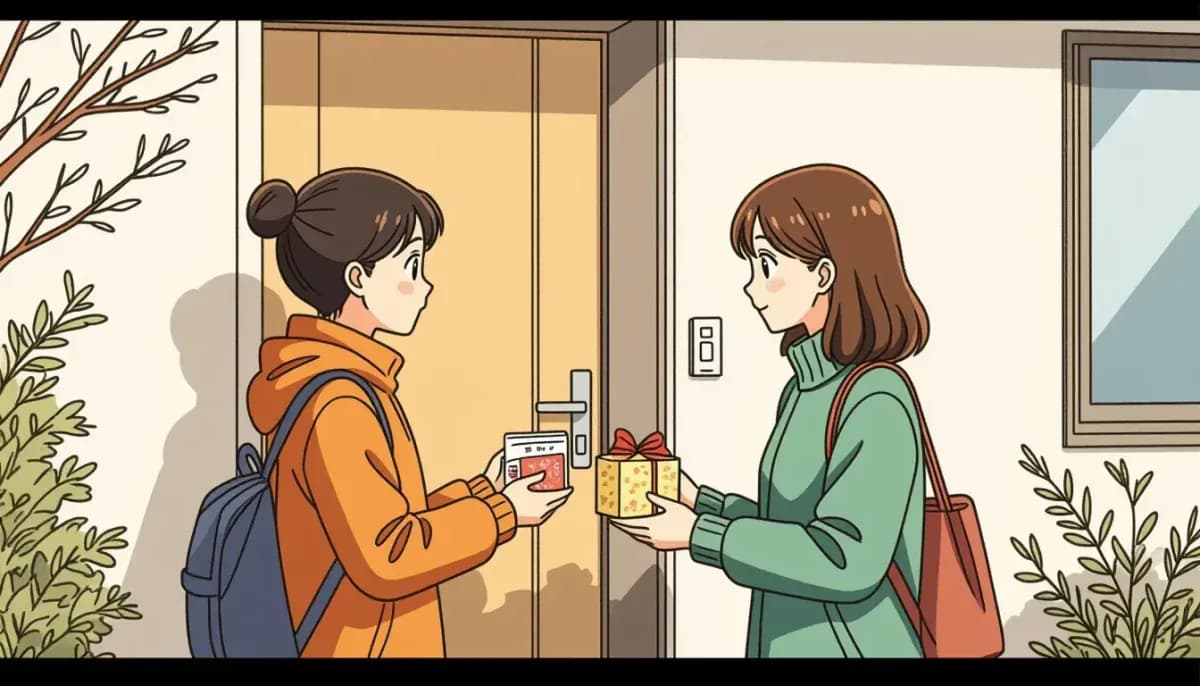
Learn how to build genuine relationships with your Japanese neighbors. From moving-in gift etiquette to joining the chonaikai, this complete guide covers all the cultural norms foreigners need to know.
Building Relationships with Japanese Neighbors: A Complete Guide for Foreigners
Moving to Japan is an exciting adventure, but integrating into your local community can feel daunting. Japanese neighbor relationships follow specific cultural norms and unwritten rules that differ significantly from Western customs. This guide explains everything you need to know about building genuine, respectful relationships with your Japanese neighbors — from your first greeting gift to joining the local neighborhood association.
!Foreigner greeting Japanese neighbor at apartment door with a gift

Why Neighbor Relationships Matter in Japan
Japan is a society that highly values harmony and community cohesion. Unlike in many Western countries where neighbors may barely speak to each other, in Japan, being on good terms with your neighbors is considered a basic social responsibility. Approximately 3.4 million foreigners currently reside in Japan, and many cite neighbor relationships as one of the most important factors in their daily comfort and sense of belonging.
Good neighbor relationships in Japan offer practical benefits: your neighbors may alert you to community rules you're unaware of, help you navigate local events, and even look out for your home when you're away. In emergencies — which Japan's earthquake-prone geography makes all too real — knowing your neighbors can be lifesaving.
For foreigners especially, maintaining positive neighbor relations acts as a buffer against potential complaints about cultural misunderstandings — noise levels, garbage disposal, shared space usage — before they escalate into real problems.
The Essential First Step: Moving-In Introduction (Hikkoshi Aisatsu)
In Japan, it is customary to introduce yourself to your neighbors within two to three days of moving in. This practice, called hikkoshi aisatsu (引越し挨拶), sets the tone for your entire time in that home.
Who to Greet
The number of neighbors you should visit depends on your housing type:
| Housing Type | Neighbors to Greet |
|---|---|
| Apartment / Condominium | Both sides, the unit above, and the unit below (4 households total), plus building management |
| Detached House | Three houses directly across the street, one house on each side (following the saying muko sangen ryōdonari) |
| Large Apartment Complex | At minimum the four immediate neighbors, plus the floor representative if applicable |
Timing Your Visit
Visit between 10 a.m. and 5 p.m. on a weekend or weekday evening. Avoid early mornings, late nights, and mealtimes. If you miss someone on your first visit, try again once or twice. If you still cannot meet them, it is perfectly acceptable to leave a handwritten note with a small gift in their mailbox.
What to Say
A simple Japanese introduction goes a long way. You don't need to be fluent — even a brief attempt in Japanese is appreciated:
- "Hajimemashite. Tonari ni hikkoshite kimashita [Your Name] to moushimasu. Yoroshiku onegaishimasu."
(Nice to meet you. I've just moved in next door. My name is [Your Name]. I look forward to getting along with you.)
Mentioning relevant household details — that you have young children, for example — helps prevent future misunderstandings about noise.
Gift-Giving Etiquette for New Neighbors
Bringing a small gift when you introduce yourself is standard practice in Japan. This temiyage (手土産) doesn't need to be expensive — the gesture itself is what matters.
Ideal gifts (around 1,000 yen):
- Practical household items: dish towels, hand towels, cleaning supplies
- Consumables: cookies, individually wrapped sweets, tea, coffee
Things to avoid:
- Fresh produce (shelf life too short)
- Highly personalized items
- Anything too expensive (may create a sense of obligation)
- Strongly-scented items
Always present and receive gifts with both hands — this is a sign of respect in Japanese culture. Gift wrapping is appreciated; you can find pre-wrapped neighbor gifts at most department stores and convenience stores.
For more tips on Japanese cultural etiquette, see our Complete Guide to Japanese Culture and Etiquette.
Daily Neighbor Etiquette: Building Trust Over Time
A one-time introduction is just the beginning. Maintaining good relationships requires consistent, respectful behavior throughout your time in the neighborhood.
Greetings Are Everything
Never underestimate the power of a simple greeting. Whether you cross paths in the elevator, at the mailboxes, or when taking out trash, always greet your neighbors:
- Morning: Ohayō gozaimasu (Good morning)
- Daytime: Konnichiwa (Hello/Good afternoon)
- Evening: Konbanwa (Good evening)
- Parting: Otsukaresama desu (Thank you for your hard work / Have a good rest)
Regular greetings build a quiet foundation of trust. They also serve an informal neighborhood watch function — neighbors who recognize each other are more likely to notice when something seems wrong.
Noise Awareness
Sound travels easily in Japanese apartments and closely-spaced homes. Be mindful of:
- Laundry and vacuuming: Avoid before 8 a.m. or after 9 p.m.
- Music and television: Keep volume low, especially in the evenings
- Footsteps: Many Japanese apartments have thin floors; wearing indoor slippers and walking softly is appreciated
- Guests: Let neighbors know if you're hosting a gathering that might be noisy
Garbage Rules
One of the most common friction points between neighbors in Japan is garbage disposal. Each area has specific rules about what goes in which bin and on which day. Ask your building manager or check the local ward office for your garbage schedule. Following these rules correctly signals that you respect community standards. See our guide on Daily Life in Japan for Foreigners for more details.
Shared Spaces
Hallways, entrances, stairwells, and parking areas are communal. Keep these areas clear of personal belongings, shoes, bicycles, or boxes. Regularly clean any area directly in front of your unit (many buildings have rotating cleaning duties).
!Japanese neighborhood community bulletin board with local event flyers

Joining the Chonaikai: Your Neighborhood Association
One of the most effective ways to integrate into your local community is by joining the chonaikai (町内会) or jichikai (自治会) — Japan's neighborhood associations. These voluntary organizations manage local community life and exist in virtually every residential area in Japan.
What Chonaikai Do
| Activity | Description |
|---|---|
| Local festivals | Organize matsuri and seasonal community events |
| Disaster preparedness | Run earthquake and fire evacuation drills |
| Neighborhood cleanups | Monthly trash collection days and area beautification |
| Safety patrols | Especially relevant for communities with children |
| Information distribution | Share local government notices and community news |
| Welfare checks | Sometimes check on elderly or isolated residents |
Can Foreigners Join?
Yes — and many municipalities actively encourage foreign residents to participate. You are not legally required to join, but membership offers significant social benefits. The membership fee is typically around 500 yen per month (varies by district, sometimes up to 2,000 yen).
After moving in, a chonaikai representative may knock on your door with a welcome packet. You can also inquire at your local ward office (区役所 / 市役所) about the association for your area.
Participating Without Perfect Japanese
Don't let language barriers stop you. Many associations have begun producing multilingual materials. You can also:
- Bring a bilingual friend to your first meeting
- Use a translation app during conversations
- Focus on actions over words — showing up for cleanups and events speaks loudly
For broader strategies on community building, the team at Living in Nihon has an excellent guide on foreigner communities and networking in Japan worth reading.
Building Deeper Connections: Beyond Mere Politeness
Once the basics are in place, you may want to build genuine friendships with your Japanese neighbors. This requires patience — Japanese people, particularly in urban areas, tend to value privacy and may seem reserved at first.
Shared Activities as Relationship Builders
Participating in shared activities is the most natural way to develop deeper bonds. Options include:
- Neighborhood events: Festivals, cleanups, and community sports days
- Local hobby groups (circles): Many wards have low-cost classes in calligraphy, tea ceremony, cooking, or sports
- PTA and school events: If you have children, parent associations are a gateway into the community
- Volunteer activities: Local international associations often welcome bilingual volunteers
For finding hobby groups and social circles, For Work in Japan has useful advice on sports clubs and hobby groups for foreigners.
Understanding Social Distance in Japan
Japanese culture maintains what might feel like a formal distance even in long-term relationships. Don't interpret this as coldness — it is simply the cultural norm. Many neighbors will be reliably friendly and helpful without ever becoming close friends in the Western sense. Appreciating this dynamic will prevent frustration and help you recognize the warmth that does exist.
Useful insight from BelongingJapan's guide on Japanese neighbor etiquette: the key principle is balancing appropriate social distance with respect and community awareness.
Handling Conflicts with Neighbors
Even with the best intentions, conflicts can arise. Japan has specific cultural approaches to handling disagreements that differ from direct Western communication styles.
Common Conflict Scenarios
| Issue | Recommended Approach |
|---|---|
| Noise complaint from neighbor | Apologize immediately and sincerely, take corrective action |
| Garbage rule violation (yours) | Thank the neighbor who informed you, correct the behavior |
| Neighbor making excessive noise | Speak to building management first rather than confronting directly |
| Dispute over shared space | Involve building manager as mediator |
| Misunderstanding due to language | Leave a written note (in Japanese if possible) with a small apology gift |
The Importance of Apology
In Japanese culture, a sincere apology (sumimasen or mōshiwake gozaimasen in formal situations) is enormously powerful. Even if you believe you are not at fault, showing empathy and regret diffuses tension quickly. Never respond to a neighbor's complaint with defensiveness — it escalates conflict in a culture that strongly values harmony.
When to Involve Authorities
If direct communication fails and problems persist — especially noise, harassment, or illegal activity — you can:
- Contact your building manager or real estate agent
- Reach out to the ward office's consultation service
- Contact the local police for serious issues
Japan has a low-crime, high-trust social environment, and authorities take community disruption seriously.
Seasonal Customs and Gift-Giving Calendar
Neighbor relationships in Japan are also maintained through seasonal gift-giving traditions. While not mandatory, participating in these customs can significantly strengthen your community bonds.
| Season | Custom | What to Give |
|---|---|---|
| Summer (July) | Ochugen (お中元) | Practical gifts: drinks, snacks, household items |
| Year-end (December) | Oseibo (お歳暮) | Foods, sweets, sake |
| New Year (January) | Otoshidama (children), aisatsu mawari | Greeting cards, small gifts |
| Moving out | Hikkoshi aisatsu (farewell) | Small thank-you gift to immediate neighbors |
These gestures are appreciated but never obligatory — and foreign neighbors who participate are often praised for their effort.
Resources for Foreigner Community Building
Building relationships with Japanese neighbors is just one part of integrating into Japanese society. Here are additional resources:
- Making Friends and Social Life in Japan — broader guide to social life as a foreigner
- Safety and Emergency Preparedness in Japan — how neighbor relationships help in emergencies
- Japanese Festivals and Traditions Guide — community events to participate in
- GaijinPot's practical guide on Japanese neighbor etiquette
- MailMate's breakdown of Japanese neighborhood associations
- Ittenshoku community resources for Japan residents
Conclusion
Building relationships with Japanese neighbors takes intention, patience, and cultural sensitivity — but the rewards are real. A warm neighborhood network improves your daily life, connects you to local events and resources, and gives you a genuine sense of belonging in Japan. Start with the basics: a timely introduction, a modest gift, and consistent respectful greetings. From there, participate in community activities, consider joining the chonaikai, and allow relationships to develop at a Japanese pace.
Japan's approximately 3.4 million foreign residents who navigate this process successfully often describe it as one of the most enriching aspects of living in the country. Your neighbors are your community — and in Japan, community matters deeply.

Originally from Vietnam, living in Japan for 16+ years. Graduated from Nagoya University, with 11 years of professional experience at Japanese and international companies. Sharing information about living in Japan for foreigners.
View Profile →Related Articles

Professional Networking Events in Japan for Foreigners
Discover the best professional networking events in Japan for foreigners. From chambers of commerce to startup meetups and career forums, build your network in Tokyo, Osaka, and beyond.
Read more →
Cultural Barriers to Friendship in Japan and How to Overcome Them
Discover the key cultural barriers to making friends in Japan — from uchi-soto dynamics to tatemae — and get practical strategies to build genuine Japanese friendships as a foreigner.
Read more →
How to Maintain Friendships Long Term in Japan
Learn how to maintain long-term friendships in Japan as a foreigner. Practical tips on LINE communication, omiyage culture, expat turnover, and building lasting bonds with Japanese friends.
Read more →
Best Online Communities and Forums for Expats in Japan
Discover the best online communities, forums, and social groups for expats living in Japan. From r/japanlife to InterNations and Tokyo Facebook groups — your complete guide to connecting.
Read more →
Joining Sports Clubs and Teams in Japan as a Foreigner
Complete guide to joining sports clubs and teams in Japan as a foreigner. Find expat-friendly clubs, understand costs, navigate language barriers, and build your social life through sport.
Read more →
Overcoming Social Isolation as a Foreigner in Japan
Struggling with loneliness in Japan? Learn why foreigners feel isolated, what standard advice gets wrong, and proven strategies to build genuine connections—from neighborhood activities to expat communities.
Read more →