
Joining Sports Clubs and Teams in Japan as a Foreigner

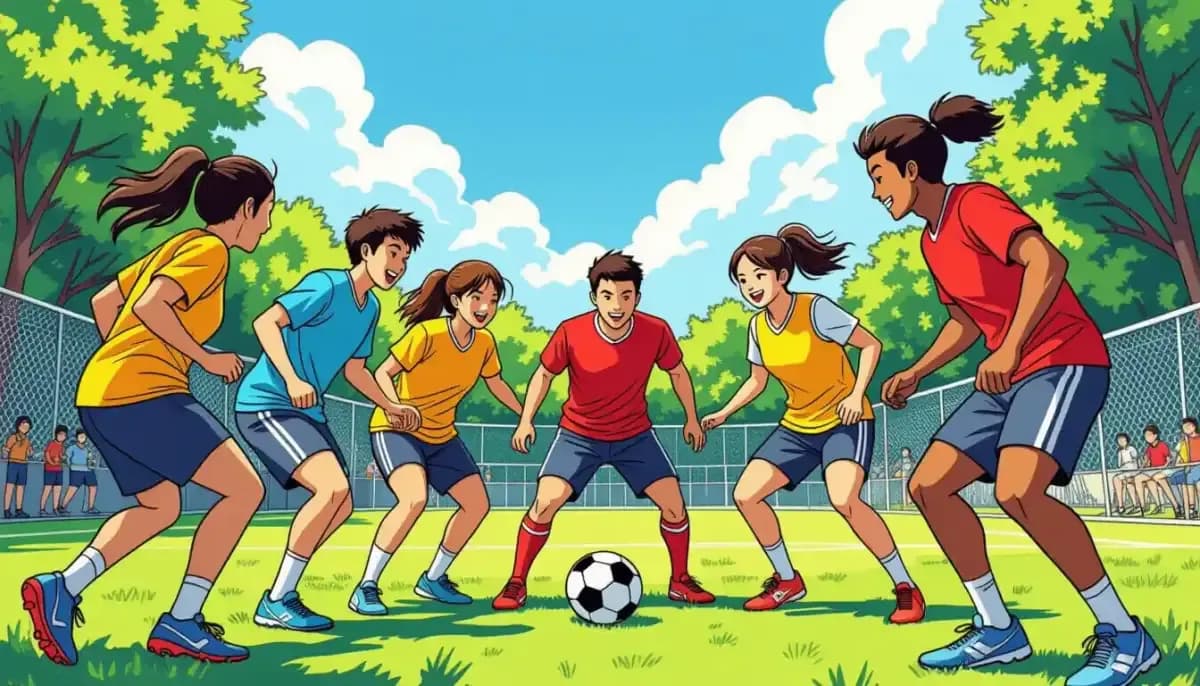
Complete guide to joining sports clubs and teams in Japan as a foreigner. Find expat-friendly clubs, understand costs, navigate language barriers, and build your social life through sport.
Joining Sports Clubs and Teams in Japan as a Foreigner
Moving to Japan is an exciting adventure, but building a social life from scratch can be challenging. One of the most effective and enjoyable ways to meet people, stay active, and integrate into Japanese society is by joining a sports club or team. Whether you're a seasoned athlete or a casual fitness enthusiast, Japan offers an incredible variety of sports communities that welcome foreigners with open arms.
From rugby and soccer to martial arts, running clubs, and even dragon boat racing, the options are diverse and surprisingly accessible even for those with limited Japanese language skills. This guide will walk you through everything you need to know about finding, joining, and thriving in sports clubs and teams in Japan as a foreigner.
Why Join a Sports Club in Japan?
Sports clubs in Japan serve a much deeper social purpose than just physical fitness. For foreigners especially, they can be life-changing communities.
Social connection and friendship: Making friends in Japan as a foreigner can feel isolating. Sports clubs provide a structured environment where relationships naturally develop through shared effort and teamwork. Many long-term expats credit their sports clubs as the foundation of their social lives in Japan.
Language learning accelerator: Playing alongside Japanese teammates is one of the most natural ways to improve your Japanese. Even if your language skills are limited at first, the practical communication context of sports helps vocabulary stick in ways classroom learning cannot.
Cultural integration: Joining a Japanese sports club exposes you to group dynamics, communication styles, and social norms that give you authentic insight into Japanese culture. The concepts of wa (harmony) and ganbaru (perseverance) come alive on the field.
Mental health and structure: Expat life can sometimes feel unmoored. Regular club activities provide a schedule, accountability, and a sense of belonging that significantly improves overall wellbeing.
Career networking: In Japan, sports and business networks often overlap. Colleagues play golf on weekends; business relationships are strengthened through tennis matches. Joining a sports community can unexpectedly open professional doors.
According to community sports research in Japan, community-based clubs draw approximately 32.3% of young sports participants, making them a major pillar of athletic and social life in the country.
Types of Sports Clubs Available to Foreigners
Japan has a rich ecosystem of sports clubs, ranging from foreigner-founded expat clubs to traditional Japanese circlus (サークル) and more competitive team-based clubs.
Expat and International Sports Clubs
These clubs are specifically designed for or frequently attended by foreigners. They typically operate in English and are excellent starting points for newcomers.
Rugby: The Tokyo Gaijin Rugby Football Club is one of the most well-known foreigner-friendly clubs in the capital, featuring mainly foreign players alongside Japanese members, competing in local amateur leagues and events like the Tokyo Rugby Cup. Other options include Tokyo Crusaders, All France Rugby Club, and Komae Touch Rugby Club.
Soccer/Futsal: FC Nomade offers both youth teams and adult leagues, often meeting in central Tokyo areas. Tokyo Gaijins Futsal Club and Eastern Capital Football Club are also popular options. Sessions typically cost around ¥1,000 per person.
Running: Running clubs have exploded in popularity among Tokyo's expat community. Popular groups include Namban Rengo, Midnight Runners, 080 Tokyo, Sogo Run Club, and Park Run Japan (which holds free weekly events at parks around the country).
Tennis: Tokyo Gaijins Tennis Club welcomes players of all levels, with session fees around ¥3,000–¥3,500 plus racket rental.
Dragon Boat Racing: TaitamX Dragons is a fun, team-oriented sport that requires no prior experience. Sessions run around ¥1,000 each.
Cycling: Tokyo Cycling Club, Half Fast Cycling Tokyo, and Kancycling cater to recreational and performance cyclists alike.
Basketball/Volleyball/Badminton: TKG Basketball, Tokyo Badcox, and Go Go Badminton Osaka are well-regarded groups in their respective sports.
Japanese Community Sports Clubs (サークル)
Japanese circle (サークル, sākuru) clubs are informal, social-oriented groups where enjoyment takes priority over competition. Unlike formal athletic clubs with strict practices, circles are relaxed and often welcome foreigners warmly.
You can find circles through your workplace, university, local community center (kominkan), or neighborhood association (jichikai). These are an excellent way to build friendships with local Japanese people, though some Japanese language ability helps.
Traditional Martial Arts
Japan is the birthplace of many martial arts, and dojo across the country welcome foreign practitioners. Popular options include:
- Judo – Japan's national sport and Olympic discipline
- Karate – Multiple styles including Shotokan, Goju-ryu, and Kyokushin
- Aikido – Excellent for self-improvement and philosophy
- Kendo – Traditional sword fighting using bamboo swords
- Brazilian Jiu-Jitsu (BJJ) and MMA – Modern combat sports with a strong community in major cities
Martial arts clubs often have an international membership and many sensei are accustomed to teaching foreigners.
How to Find Sports Clubs in Japan
Finding the right club requires knowing where to look. Here are the most effective resources:
| Platform | Best For | Language |
|---|---|---|
| Meetup.com | Expat-friendly groups, running, cycling | English |
| Facebook Groups | Expat communities, team sports | English/Japanese |
| LINE App | Local Japanese circles | Japanese |
| Moshicom (もしコム) | Local Japanese sports events | Japanese |
| Community Centers (公民館) | Traditional clubs, martial arts | Japanese |
| Bulletin boards | Local notice boards in supermarkets | Japanese |
| Reddit (r/japanlife) | Community recommendations | English |
| Instagram/Twitter hashtags | Running clubs, niche sports | English/Japanese |
Search strategy: Start with a Google search for your sport plus "Tokyo" or your city name and "foreigners" or "expats." Many clubs have English websites or at minimum English-language social media accounts.
Community centers: Japan's network of community centers (kominkan) offer subsidized sports classes and activities for residents. These are excellent for budget-conscious foreigners and for meeting local Japanese people.
For a broader look at building social connections in Japan, check out our guide on Making Friends and Social Life in Japan.
What to Expect When Joining a Club
Initial Trial Sessions
Most clubs in Japan welcome newcomers to trial sessions before committing. This is called taiken (体験), meaning "experience session." Take advantage of these—they let you gauge the atmosphere, level of play, and language requirements before paying any fees.
Costs and Fees
Sports club costs vary widely in Japan:
- Session-based fees: Many casual clubs charge per session (¥500–¥3,500 typical range)
- Monthly membership: Regular club membership runs ¥3,000–¥10,000/month depending on sport
- Annual fees: Some clubs charge annual membership on top of session fees (¥5,000–¥30,000/year)
- Equipment: Martial arts clubs may require you to purchase a gi (uniform); other sports may have equipment rental available
Budget approximately ¥8,000–¥15,000 per month if participating regularly in a structured club.
Language Requirements
Not all clubs require Japanese fluency. Many expat-founded clubs operate entirely in English. For mixed Japanese-foreigner clubs, basic Japanese phrases go a long way:
- Yoroshiku onegaishimasu (よろしくお願いします) – "Please take care of me" (used when joining a new group)
- Ganbatte kudasai (頑張ってください) – "Do your best" / "Good luck"
- Mou ichi-do onegaishimasu (もう一度お願いします) – "Please do that again" / "One more time"
Group Dynamics and Etiquette
Japanese sports clubs often have strong senpai-kohai (senior-junior) dynamics, especially in traditional martial arts. As a newcomer:
- Arrive early and help with setup/cleanup
- Show enthusiasm even when struggling
- Bring a small gift (sweets or snacks) when you first join
- Follow the group's communication norms, which may favor LINE group chats
Learn more about Japanese social customs in our guide on Japanese Culture and Etiquette.
Top Recommended Sports for Foreigners in Japan
Some sports lend themselves particularly well to the foreigner experience in Japan:
Running is universally accessible and requires no Japanese. Parkrun Japan events are free and held weekly at locations across Japan, providing instant community without any commitment.
Futsal is ideal because games move quickly, it's relatively inexpensive, and the casual format makes it easy to join as an individual without a full team.
Martial arts offer an unparalleled deep-dive into Japanese culture. Even beginner foreigners are welcomed in most dojo, and the structured learning environment means language barriers are less of an issue.
Dragon boat racing is quirky and fun, highly social, and teams actively recruit new paddlers regardless of experience.
Cycling suits Japan perfectly given the country's excellent road network and cycle-friendly infrastructure, particularly outside major cities.
For more activity ideas and ways to enjoy leisure in Japan, visit Living in Nihon's Hobbies & Leisure Guide and the comprehensive GaijinPot guide to social fitness groups.
Regional Differences: Tokyo vs. Other Cities
While Tokyo has the most diverse and foreigner-accessible sports scene, sports clubs for foreigners exist across Japan:
Tokyo/Kanto: Widest variety—dedicated expat clubs for almost every sport, English-language groups, large Meetup community
Osaka/Kansai: Growing expat sports community, especially strong in football and martial arts. Go Go Badminton Osaka is one example of thriving regional clubs.
Nagoya: Mid-sized expat community with sports clubs through international organizations and company teams
Fukuoka: Increasingly popular expat destination with rugby, running, and diving communities
Rural Areas: Limited expat-specific clubs, but local Japanese circles often warmly welcome foreigners and provide an immersive cultural experience
For foreigners outside Tokyo, the strategy shifts toward Japanese community sports centers and local circles rather than expat clubs. Our guide on Daily Life in Japan for Foreigners has more tips for settling in across different regions.
Practical Tips for Getting Started
- Start with a free or low-commitment option: Parkrun, casual futsal, or a community center class are low-risk ways to test the waters.
- Join multiple clubs initially: Cast a wide net at first. You'll find your best fit by experiencing different group dynamics.
- Use social media actively: Follow clubs on Instagram and join Facebook groups to stay informed about upcoming sessions and events.
- Don't wait until your Japanese is perfect: Many foreigners delay joining clubs until they're more fluent. This is a mistake—sports is one of the best ways to learn Japanese in context.
- Be consistent: Japanese group culture values reliability. Showing up regularly, even as a beginner, earns you respect and builds relationships faster than occasional impressive performances.
- Check with your employer: Many large Japanese companies organize sports teams and activities for employees. This is often the fastest path to integration.
For tips on finding sports gear and equipment at good prices, see our guide on Shopping in Japan for Foreigners.
Additional resources for finding sports groups include Tokyo Cheapo's guide to foreigner-friendly sports clubs and For Work in Japan's community activity guide. For IT professionals specifically looking to build social networks through sports and activities, Ittenshoku's community resources can also be helpful.
Conclusion
Joining a sports club in Japan is one of the single best investments you can make in your quality of life as a foreigner. Beyond fitness, these communities provide friendship, language practice, cultural understanding, and a sense of belonging that transforms your time in Japan from merely "living here" to genuinely feeling at home.
Whether you choose the camaraderie of a Saturday morning rugby match, the meditative discipline of a kendo dojo, the breezy fun of a cycling club, or the steady rhythm of a running group, you'll find that the playing field is one of Japan's most welcoming spaces for foreigners.
Take that first step—sign up for a trial session this weekend. Your future teammates are waiting.

Originally from Vietnam, living in Japan for 16+ years. Graduated from Nagoya University, with 11 years of professional experience at Japanese and international companies. Sharing information about living in Japan for foreigners.
View Profile →Related Articles

Building Relationships with Japanese Neighbors
Learn how to build genuine relationships with your Japanese neighbors. From moving-in gift etiquette to joining the chonaikai, this complete guide covers all the cultural norms foreigners need to know.
Read more →
Professional Networking Events in Japan for Foreigners
Discover the best professional networking events in Japan for foreigners. From chambers of commerce to startup meetups and career forums, build your network in Tokyo, Osaka, and beyond.
Read more →
Cultural Barriers to Friendship in Japan and How to Overcome Them
Discover the key cultural barriers to making friends in Japan — from uchi-soto dynamics to tatemae — and get practical strategies to build genuine Japanese friendships as a foreigner.
Read more →
How to Maintain Friendships Long Term in Japan
Learn how to maintain long-term friendships in Japan as a foreigner. Practical tips on LINE communication, omiyage culture, expat turnover, and building lasting bonds with Japanese friends.
Read more →
Best Online Communities and Forums for Expats in Japan
Discover the best online communities, forums, and social groups for expats living in Japan. From r/japanlife to InterNations and Tokyo Facebook groups — your complete guide to connecting.
Read more →
Overcoming Social Isolation as a Foreigner in Japan
Struggling with loneliness in Japan? Learn why foreigners feel isolated, what standard advice gets wrong, and proven strategies to build genuine connections—from neighborhood activities to expat communities.
Read more →