
Overcoming Social Isolation as a Foreigner in Japan

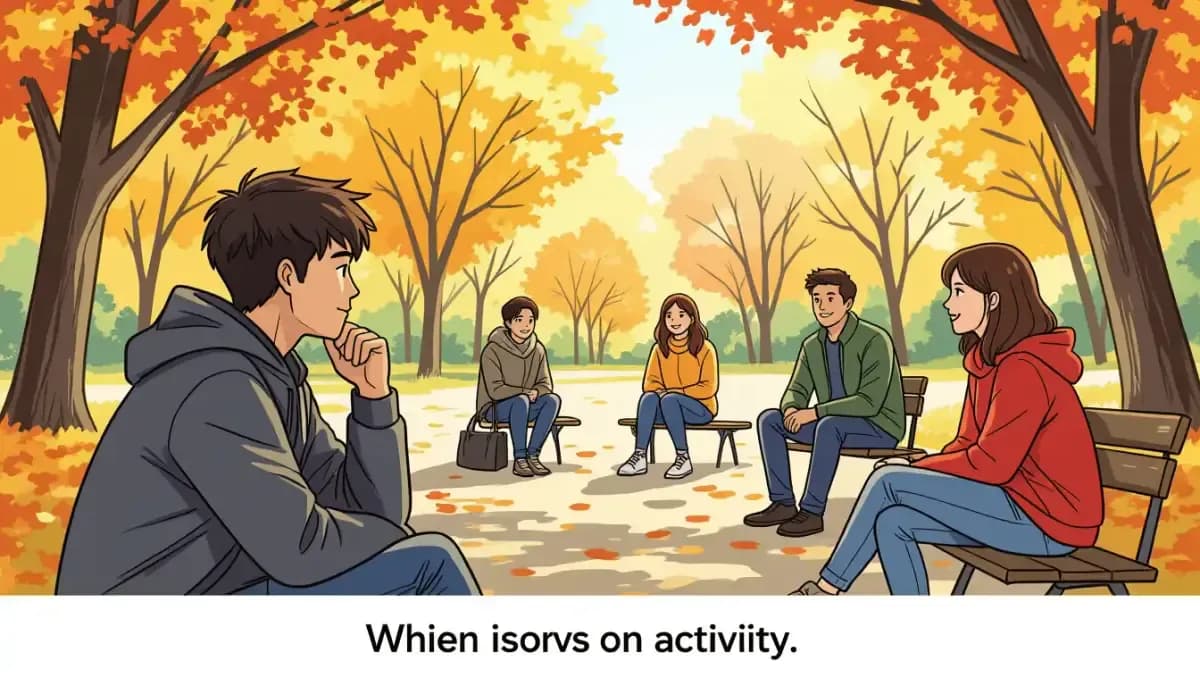
Struggling with loneliness in Japan? Learn why foreigners feel isolated, what standard advice gets wrong, and proven strategies to build genuine connections—from neighborhood activities to expat communities.
Overcoming Social Isolation as a Foreigner in Japan: A Practical Guide
Moving to Japan is an exciting adventure, but for many foreigners, the initial excitement can give way to a creeping sense of loneliness. Japan's close-knit social structures, language barriers, and cultural nuances around group belonging can leave even the most outgoing expat feeling on the outside looking in. The good news: social isolation as a foreigner in Japan is extremely common—and entirely surmountable with the right strategies.
This guide explores why foreigners often feel isolated in Japan, and more importantly, how to build a genuine, fulfilling social life here.
Why Foreigners Feel Isolated in Japan
Understanding the roots of social isolation helps you address them directly. Unlike Western countries where friendships often form organically through casual encounters, Japanese social circles tend to form through institutions—schools, workplaces, and neighborhood associations. As an outsider to these systems, accessing established groups takes deliberate effort.
Several compounding factors make isolation worse over time:
- Expat turnover: Your international friends eventually leave Japan for new jobs or family obligations, and your network erodes.
- Language plateau: Many residents reach conversational Japanese proficiency but lack the fluency needed for deep emotional connections.
- Cultural distance: Concepts like tatemae (public face) and honne (true feelings) mean Japanese friendships develop slowly and indirectly.
- Withdrawal cycle: Repeated failed connection attempts lead to exhaustion and social disengagement.
Japan itself recognizes loneliness as a serious issue. The government appointed a Minister for Social Isolation and Loneliness in 2021 and passed a landmark law in April 2024 designating loneliness and isolation as national problems requiring local government action. A Cabinet Office survey found that 48.4% of respondents feel familiar with loneliness and isolation—you are far from alone in this experience.
For more context on the mental health challenges of living in Japan, see our guide: Mental Health and Wellbeing in Japan for Foreigners.
The Myth of "Just Join a Club"
Standard advice—join a language exchange, attend expat meetups, take a hobby class—gets repeated endlessly, but it often falls short. Here's why:
- Language exchanges can feel transactional; many partners want English practice, not friendship.
- Expat meetups sometimes become echo chambers where everyone complains about the same problems rather than building new connections.
- Hobby groups require confidence navigating unfamiliar Japanese social environments.
Research on loneliness consistently shows that what matters isn't the quantity of social interactions—it's regular, repeated contact with the same people nearby. Think about how your closest friendships formed: through proximity and repetition over time, not a single well-attended event.
This doesn't mean giving up on clubs and meetups. It means going back to the same ones consistently, rather than sampling dozens of different events.
Building Real Connections: Evidence-Based Strategies
1. Prioritize Proximity Over Distance
Your neighborhood is your most underrated social resource. Local shotengai (shopping streets), community centers (kominkan 公民館), and neighborhood associations (chōnaikai 町内会) offer genuine repeated contact with the same people. Community centers often run free or low-cost classes in everything from calligraphy to cooking—activities that create natural, repeated interaction.
Don't underestimate the power of becoming a regular at a local café, izakaya, or gym. Staff who see you weekly become familiar faces, and familiar faces become introductions.
2. Use Digital Platforms Strategically
Several platforms are particularly effective for expats in Japan:
- Meetup.com: Active in Tokyo, Osaka, and Nagoya; searchable in English for language exchanges, hiking groups, board game nights, and more.
- InterNations: A global expat network with cultural tours and social events tailored to foreign residents.
- Facebook Groups: Tokyo Expat Network (30,000+ members) and Welcome Tokyo (50,000+ members) post regular activities and answer questions.
- HelloTalk / Tandem: Apps connecting you with Japanese speakers wanting to practice your language—a natural way to start friendships.
For comprehensive guidance on apps and platforms useful in Japan, check out our Technology and Apps Guide for Foreigners in Japan.
3. Join Sports and Hobby Circles
Japan has a rich culture of circles (サークル)—informal groups organized around shared interests. These are distinct from formal clubs and are often more welcoming to beginners and outsiders.
Popular activities with low language barriers include:
- Futsal, soccer, basketball, badminton, and tennis leagues
- Running clubs (popular in most cities)
- Yoga and fitness classes (many offer English instruction)
- Board game cafes (often bilingual environments)
The platform つなげーと lists 65,000+ registered circles across Japan, covering sports, outdoors, music, cooking, and more. Most offer free or low-cost trial sessions before you commit.
For more on sports and fitness options, see: Fitness and Sports in Japan for Foreigners.
4. Volunteer to Build Genuine Bonds
Volunteering creates the "shared mission" dynamic that naturally bonds people. Unlike social events where interaction can feel forced, working alongside others toward a goal builds authentic connection.
Organizations welcoming foreign volunteers include:
- Second Harvest Japan: Food bank operations in Tokyo and beyond
- TELL Japan: Mental health support line and community services (and a great network for English speakers)
- Local disaster preparedness groups and machizukuri (community development) initiatives
5. Navigate Japanese Workplace Culture
For those working in Japan, the office is a primary social arena. The nomikai (飲み会, drinking party) is how Japanese colleagues bond—hierarchy relaxes, people open up, and genuine relationships begin. Saying yes to these invitations, even occasionally, pays social dividends far beyond the evening itself.
Our guide on Japanese Workplace Culture covers nomikai etiquette and workplace social norms in detail.
Comparison: Social Connection Strategies for Foreigners in Japan
| Strategy | Cost | Language Required | Connection Depth | Best For |
|---|---|---|---|---|
| Expat meetups | Low–Free | English OK | Shallow–Medium | New arrivals |
| Language exchange | Free | Bilingual | Medium | Building Japanese fluency |
| Sports circles | Low | Basic Japanese | Medium–Deep | Active types |
| Volunteering | Free | Low–Medium | Deep | Long-term residents |
| Neighborhood activities | Free | Japanese helpful | Deep | Those committed to local life |
| Online communities | Free | English | Shallow | Information and introductions |
| Nomikai (work) | Low | Japanese | Deep | Employed foreigners |
Coping with Loneliness While You Build Your Network
Even with the best strategies, building a social network in Japan takes time. In the meantime:
Maintain connections from home. Video calls with family and friends in your home country don't replace local connection, but they anchor your sense of identity and provide emotional sustenance.
Engage with online communities. Reddit's r/japanlife, various Discord servers, and expat Facebook groups offer support, humor, and practical advice from people who genuinely understand your experience.
Seek professional support if needed. Isolation can tip into depression. Services like TELL Japan's counseling line offer English-language support from therapists familiar with expat challenges.
Understand the cultural timeline. Japanese friendships often take longer to develop than Western ones. A year of casual acquaintance can precede genuine closeness. Patience isn't passivity—it's recognizing how the social calendar actually works here.
For deeper insight into Japanese cultural norms affecting social life, see our guide: Japanese Culture and Etiquette for Foreigners.
External Resources for Expat Social Life in Japan
Several trusted external resources provide detailed guidance on building community in Japan:
- The Quiet Isolation of Foreign Residents in Japan — And How to Fight It — An evidence-based deep dive into why standard advice fails and what actually works.
- Overcoming Isolation in Japan: Cultural Barriers and Social Support — A comprehensive overview of cultural and psychological factors.
- Mental Health and Wellbeing Guide for Foreigners in Japan — In-depth guide to maintaining mental health as a foreign resident. (via Living in Nihon)
- Finding Sports Clubs and Hobby Groups in Japan — Practical guidance on joining circles and hobby groups as a foreigner. (via For Work in Japan)
- Japan Career and Community Resources — Resources for foreigners building their life in Japan. (via Ittenshoku)
- Making Friends in Japan: Socializing Tips and Expat Communities — Practical tips from long-term expats on building a social life.
Key Takeaways
Social isolation as a foreigner in Japan is real, common, and—critically—solvable. The key insights:
- Understand the structural reasons for isolation, so you don't blame yourself.
- Prioritize depth over breadth: return to the same places and people regularly.
- Use the right platforms: Meetup, InterNations, and Facebook Groups are active and useful.
- Say yes to work social events: nomikai and office outings are where Japanese friendships start.
- Volunteer: it builds genuine bonds faster than almost any other activity.
- Be patient: Japanese social relationships develop on a longer timeline than most Westerners expect.
- Seek support if you need it: TELL Japan and other English-language services exist for exactly this reason.
Building a social life in Japan is a project that takes months, not days. But Japan rewards persistence—and the friendships you build here, once established, tend to be among the most loyal and meaningful you'll ever have.
For more on navigating social and daily life in Japan, see our Making Friends and Social Life in Japan Guide.

Originally from Vietnam, living in Japan for 16+ years. Graduated from Nagoya University, with 11 years of professional experience at Japanese and international companies. Sharing information about living in Japan for foreigners.
View Profile →Related Articles
Building Relationships with Japanese Neighbors
Learn how to build genuine relationships with your Japanese neighbors. From moving-in gift etiquette to joining the chonaikai, this complete guide covers all the cultural norms foreigners need to know.
Read more →
Professional Networking Events in Japan for Foreigners
Discover the best professional networking events in Japan for foreigners. From chambers of commerce to startup meetups and career forums, build your network in Tokyo, Osaka, and beyond.
Read more →
Cultural Barriers to Friendship in Japan and How to Overcome Them
Discover the key cultural barriers to making friends in Japan — from uchi-soto dynamics to tatemae — and get practical strategies to build genuine Japanese friendships as a foreigner.
Read more →
How to Maintain Friendships Long Term in Japan
Learn how to maintain long-term friendships in Japan as a foreigner. Practical tips on LINE communication, omiyage culture, expat turnover, and building lasting bonds with Japanese friends.
Read more →
Best Online Communities and Forums for Expats in Japan
Discover the best online communities, forums, and social groups for expats living in Japan. From r/japanlife to InterNations and Tokyo Facebook groups — your complete guide to connecting.
Read more →
Joining Sports Clubs and Teams in Japan as a Foreigner
Complete guide to joining sports clubs and teams in Japan as a foreigner. Find expat-friendly clubs, understand costs, navigate language barriers, and build your social life through sport.
Read more →