


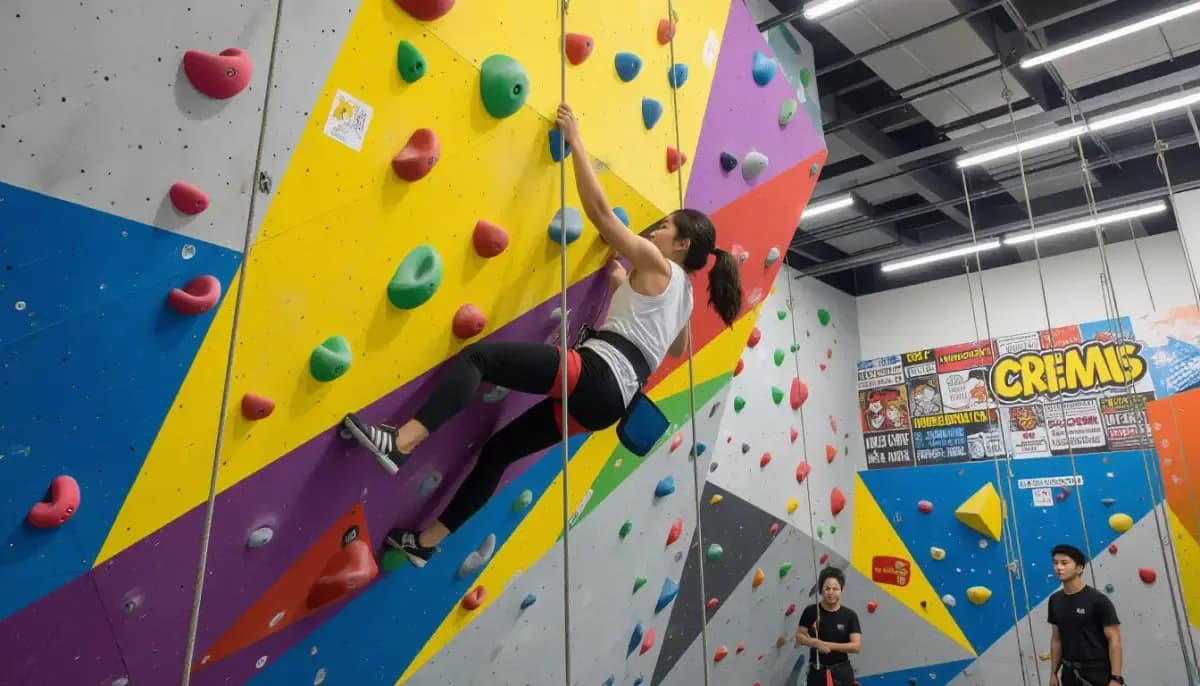
Rock Climbing and Bouldering in Japan Guide
Complete guide to rock climbing and bouldering in Japan for foreigners. Discover 97+ gyms, top outdoor crags, costs, grading systems, and cultural etiquette tips.
Read more →
Everything foreigners need to know about fitness and sports in Japan: gym options, membership costs, martial arts dojos, sports circles, outdoor activities, and essential gym etiquette tips.
Staying active in Japan is one of the most rewarding parts of expat life — whether you're chasing a personal best at a Tokyo marathon, throwing punches at a local dojo, or simply trying to find a gym where no one blinks at your registration form. Japan has a well-developed fitness culture, and with the right knowledge, foreigners can tap into it fully. This guide covers everything you need to know: gyms, sports clubs, outdoor activities, martial arts, and the cultural nuances that make fitness in Japan uniquely Japanese.
!Foreigner exercising in a modern Japanese gym in Tokyo
Japan's relationship with health and physical fitness runs deep. The concept of kenkou (健康 — health) is central to daily life, and the country regularly ranks among the world's healthiest nations. National programs like the annual physical fitness surveys conducted by the Ministry of Education and the widespread rajio taiso (radio calisthenics) practice show how exercise is woven into the social fabric.
The fitness industry itself is booming. Japan's health and fitness club market was valued at $2.48 billion in 2023 and is projected to reach $5.14 billion by 2032, driven by an aging population prioritizing wellness and growing interest among younger generations. Despite this, Japan's gym membership rates remain relatively low compared to Western nations — only a few million of the tens of millions who exercise regularly are formal gym members. Most Japanese people stay active through everyday movement: cycling, walking, and participating in local sports circles.
For foreigners, this creates a welcoming landscape. You don't need to join an expensive gym to stay fit, though plenty of excellent options exist. Understanding how fitness culture works here will help you find the approach that suits your lifestyle and budget.
Japan has several large gym chains, ranging from budget 24-hour facilities to premium full-service clubs:
| Gym Chain | Monthly Cost | Hours | Key Features |
|---|---|---|---|
| Anytime Fitness | ¥6,800–¥9,000 | 24/7 | International access, English app |
| Gold's Gym | ¥8,000–¥15,000 | Standard | Free weights focus, English staff at some locations |
| Chocozap | ~¥3,000 | 24/7 | App-based entry, ultra-budget, compact |
| JOYFIT24 | ¥7,000–¥9,000 | 24/7 | Modern equipment, shower facilities |
| Fast Gym 24 | ¥6,000–¥8,000 | 24/7 | No-frills, affordable |
| Konami Sports Club | ¥8,000–¥20,000 | Standard | Pool, studios, full-service |
| Central Sports | ¥7,000–¥18,000 | Standard | Pool, classes, family-friendly |
Anytime Fitness is one of the most foreigner-friendly options, with an English app, 24/7 access, and the ability to use any Anytime Fitness location worldwide with your membership. Gold's Gym attracts many foreigners, especially at Tokyo locations in Harajuku, Omotesando, and Roppongi — some staff speak English and day passes are available for around ¥2,750.
Chocozap is a revolutionary budget option at around ¥3,000/month, but note that it requires a Japanese credit card and smartphone app for sign-up, which can be tricky for new arrivals.
One of Japan's best-kept fitness secrets is the municipal sports center (supōtsu sentā / スポーツセンター). Nearly every ward (区) and city in Japan operates at least one subsidized facility offering:
Fees are remarkably low — typically ¥400–¥600 per 2–3 hour session for residents. Non-residents usually pay slightly more, but even ¥800 per visit is an excellent deal for a full training session. Public centers don't require contracts or memberships, making them perfect for those who prefer flexibility.
Most major gym sign-ups require:
At smaller or public gyms, bring cash on your first visit. For premium chains, it's worth calling ahead to ask if English-speaking staff are available, or visit during off-peak hours when staff have more time to assist.
For help understanding Japan's financial system as a foreigner — including how to set up the bank account you'll need for gym payments — check out our Complete Guide to Banking and Finance in Japan.
Japanese gym culture has specific expectations that may differ from what you're used to. Violating these unwritten (and sometimes written) rules can lead to awkward confrontations or even membership cancellation.
This is non-negotiable. You must bring a clean pair of indoor sneakers (uwabaki or gym shoes) to every session. Walking in from outside with your street shoes is considered unhygienic and disrespectful. Many gyms provide shoe lockers at the entrance where you change from outdoor to indoor footwear.
Always carry a small towel and wipe down every machine before and after use. Most gyms provide spray bottles and paper towels, but bringing your own small towel is standard practice. Leaving sweat on equipment is considered very poor form.
This is the most commonly discussed barrier for Western gym-goers in Japan. Many facilities restrict visible tattoos due to historical associations with yakuza (organized crime). Policies vary:
Always check the gym's policy before paying a registration fee. If you have visible tattoos, seek out explicitly foreigner-friendly or urban gyms.
For more insights into navigating Japan's cultural expectations, our Complete Guide to Japanese Culture and Etiquette provides essential context.
One of the best ways foreigners integrate into Japanese society is through sports circles (スポーツサークル). These are casual, non-competitive activity groups that meet regularly to play sports, exercise, and socialize. Unlike formal sports clubs with tryouts and commitments, circles are open, low-pressure, and welcoming to beginners.
Online platforms:
Offline resources:
For a comprehensive guide to finding sports clubs and hobby communities in Japan, For Work in Japan has an excellent resource on sports circles and how to join them.
Popular circle sports that have low language barriers include futsal, basketball, tennis, badminton, and beach volleyball. These activities communicate primarily through physical play, making them excellent ways to practice Japanese naturally while having fun.
!Sports circle group playing futsal at a Japanese sports facility
For many foreigners, one of the most compelling fitness opportunities in Japan is access to authentic martial arts training. Japan is the birthplace of judo, karate, aikido, kendo, and many other disciplines, and training here connects you directly to centuries of tradition.
Judo (柔道) — Olympic-level training is accessible through local dojo. The Kodokan in Tokyo is the spiritual home of judo and accepts foreign students. Monthly fees typically run ¥3,000–¥8,000.
Karate (空手) — Multiple styles (Shotokan, Kyokushin, Goju-ryu) have dojos throughout Japan. Many explicitly welcome foreigners and hold classes in English at larger urban locations. Monthly fees: ¥5,000–¥10,000.
Kendo (剣道) — With approximately 1.77 million practitioners in Japan, kendo is widely practiced and deeply respected. Many municipal sports centers offer kendo classes. Equipment (shinai and bogu) is required but can be rented at beginner levels.
Aikido (合気道) — The Aikikai Hombu Dojo in Tokyo is the world headquarters and offers classes for all skill levels, including foreigners. Highly recommended as a starting point.
Sumo (相撲) — While professional sumo is extremely difficult to enter, amateur sumo clubs exist at the university and community level. Some gyms in Tokyo offer foreigner-friendly introduction classes.
An important cultural note: joining a dojo carries significant social expectations. Showing up consistently, bowing correctly, respecting sempai (senior students), and following dojo etiquette are all essential. Read more about Japanese social expectations in our Complete Guide to Japanese Workplace Culture.
According to research, 58.7% of the Japanese population has experienced some form of Budo (martial arts), with karate (35.8%) and judo (30.1%) being the most common. Foreign participation has grown considerably, and many dojos actively seek international students.
Japan offers spectacular outdoor exercise options that are both free and deeply enjoyable.
Running is hugely popular in Japan. Major parks like Yoyogi Park (Tokyo), Osaka Castle Park, and Maruyama Park (Kyoto) have well-maintained paths used by hundreds of runners daily. The Imperial Palace East Gardens loop in Tokyo (approximately 5km) is one of the most popular running routes in the world.
Major races attract international participants:
Registration for major races fills up quickly via lottery. Check official race websites for entry procedures.
Docomo Bike Share operates electric-assist bicycles across Tokyo and several other cities, with an English app making it foreigner-friendly. For longer rides, dedicated cycling roads (saiklingurodō) exist throughout the country. The Shimanami Kaidō cycling route in Hiroshima/Ehime prefecture is world-famous and a bucket-list ride for many expats.
For cycling rules, registration requirements, and safety information in Japan, our Complete Guide to Transportation in Japan covers everything you need to know.
Public pools attached to municipal sports centers are affordable (¥300–¥600/session) and well-maintained. Outdoor swimming at beaches is possible from late July to late August, with lifeguard-monitored beaches marked by flags.
Be aware that many onsen (hot spring baths) that double as post-workout recovery spots maintain tattoo restrictions similar to gyms — Living in Nihon has a thorough guide to Japan's healthcare and wellness system that covers onsen access and health facilities in detail.
Knowing a few key Japanese words makes the gym experience smoother and shows respect for local culture:
| Japanese | Reading | English |
|---|---|---|
| ジム | jimu | gym |
| 会員 | kaiin | member |
| 入会金 | nyūkaikin | registration fee |
| 月会費 | tsuki kaihi | monthly fee |
| ロッカー | rokkaa | locker |
| シャワー | shawaa | shower |
| ダンベル | danberu | dumbbell |
| バーベル | baaberu | barbell |
| ランニングマシン | ranningu mashin | treadmill |
| 上履き | uwabaki | indoor shoes |
| タオル | taoru | towel |
| 刺青/タトゥー | irezumi/tatuu | tattoo |
| 筋トレ | kintore | weight training |
| ストレッチ | sutorecchi | stretching |
Useful phrases:
| Option | Monthly Cost | Best For |
|---|---|---|
| Chocozap | ~¥3,000 | Extreme budget, basic cardio/weights |
| Public sports center | ¥2,000–¥4,000 (sessions) | Flexible schedule, variety |
| Anytime Fitness | ¥6,800–¥9,000 | 24/7 access, international access |
| Gold's Gym | ¥8,000–¥15,000 | Serious lifters, English-friendly |
| Full-service club (Konami, Central) | ¥8,000–¥20,000 | Pool, classes, comprehensive |
| Martial arts dojo | ¥3,000–¥10,000 | Cultural immersion + fitness |
| Running/cycling | Free–¥500 | Outdoor enthusiasts |
| Sports circles | Free–¥3,000 | Social fitness, team sports |
For the full picture of expenses as an expat, including how to budget for fitness alongside housing, food, and transportation, see our Complete Guide to Cost of Living in Japan.
Staying fit is closely connected to staying healthy overall in Japan. Japan's national health insurance system covers many medical costs, and annual health checkups (kenkou shindan) are common — even mandatory for full-time employees. These checkups often include BMI measurements, blood pressure tests, and metabolic syndrome screenings, making Japan one of the most proactive countries for preventive health care.
For everything you need to know about Japan's healthcare system, health insurance enrollment, and finding English-speaking doctors, visit our Complete Guide to Healthcare in Japan for Foreigners.
Our friends at Living in Nihon provide detailed guidance on Japan's health insurance and medical system, which is essential reading alongside this fitness guide.
For more information on gym options, equipment, and working out as a foreigner in Japan, Coto Academy's comprehensive gym guide covers vocabulary, membership processes, and practical tips in depth. The Japan Handbook's expat fitness guide is another excellent resource for getting started.
Physical activity is one of the most effective tools for managing the stress and culture shock that can come with expat life in Japan. Regular exercise — whether at a gym, dojo, or park — builds routine, reduces anxiety, and creates opportunities for social connection.
If you're navigating the psychological challenges of living abroad, our Complete Guide to Mental Health and Wellbeing for Foreigners in Japan offers dedicated resources and support networks.
Also consider exploring Ittenshoku's resources on life in Japan for additional perspectives on work-life balance and wellness as a foreigner.
Fitness in Japan is deeply integrated into community life, and jumping in — whether through a neighborhood running club, a dojo, or simply cycling to work — is one of the fastest ways to build meaningful connections as a foreigner. The investment in your physical health here pays dividends in language practice, cultural understanding, and personal wellbeing.
Complete guide to rock climbing and bouldering in Japan for foreigners. Discover 97+ gyms, top outdoor crags, costs, grading systems, and cultural etiquette tips.
Read more →
Complete guide to playing golf in Japan for foreigners. Learn about booking tee times, green fees (¥7,000–¥12,000), etiquette, dress codes, club membership, and the best golf courses across Japan.
Read more →
Discover the best fitness and workout apps available in Japan for foreigners. From FiNC to Nike Run Club, YAMAP to MyFitnessPal—a complete 2025 guide for expats.
Read more →
Complete guide to winter sports in Japan for foreigners. Discover the best ski resorts, costs, tips for skiing and snowboarding, and unique winter activities like drift ice walking and onsen après-ski.
Read more →
Discover the best outdoor fitness activities in Japan for foreigners — from free park workouts and running clubs to hiking trails, cycling routes, and water sports. Complete guide with costs and tips.
Read more →
Learn essential Japanese gym etiquette rules: tattoo policies, indoor shoes, towel requirements, locker room rules, and how to join a gym in Japan as a foreigner.
Read more →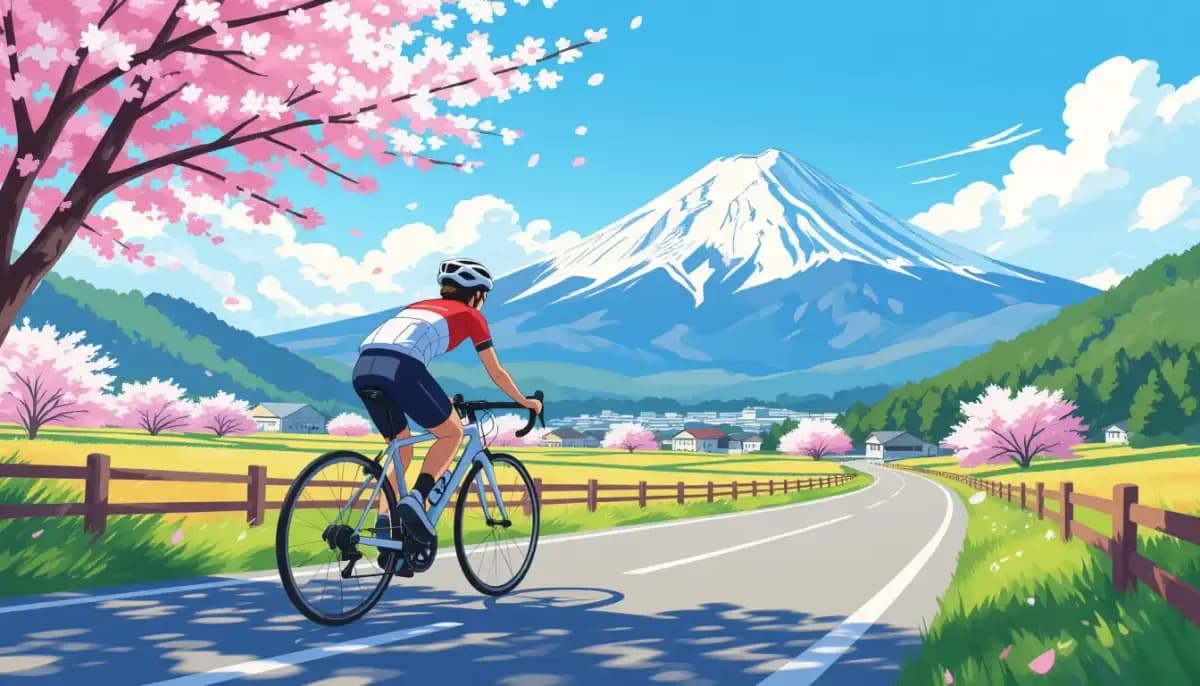
Discover Japan's cycling culture and how to ride for fitness as a foreigner. Covers bike types, road rules, 2026 laws, top routes, bike share, and joining cycling communities.
Read more →
Complete guide to hiking and trail running in Japan for foreigners. Best trails, essential gear, safety tips, top races, seasonal advice, and how to join the running community in Japan.
Read more →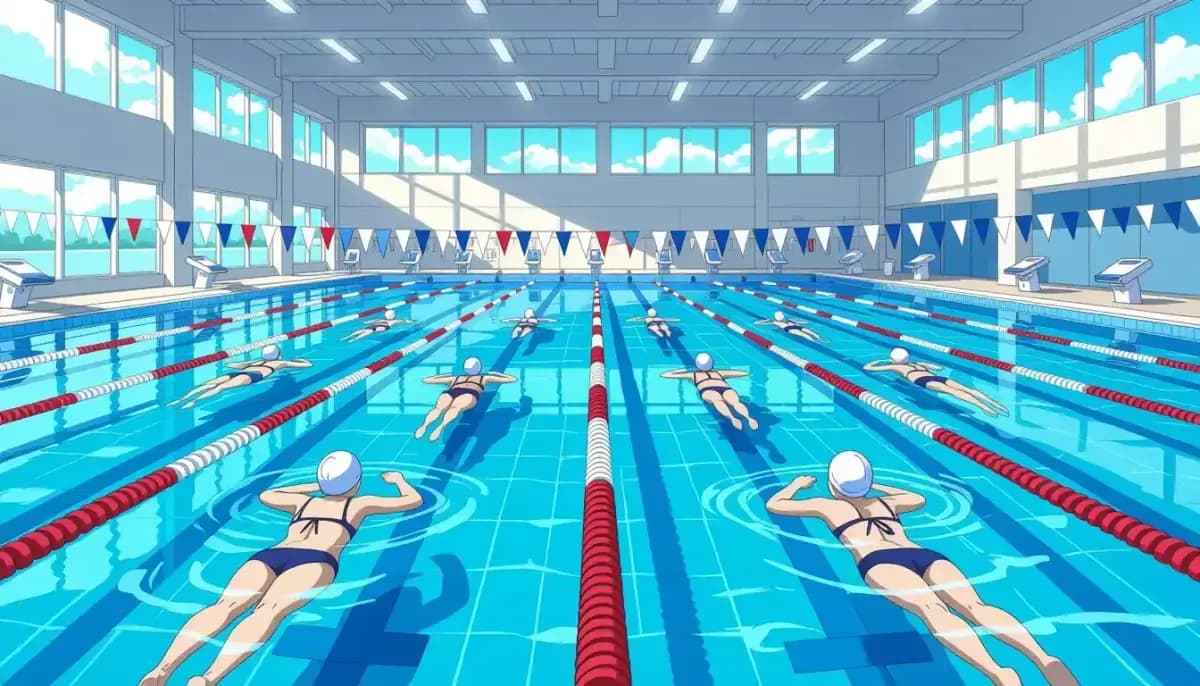
Everything foreigners need to know about swimming pools in Japan — rules, costs, etiquette, tattoo policies, and where to find the best aquatic facilities near you.
Read more →
Complete guide to joining sports teams and clubs in Japan as a foreigner. Find rugby, futsal, running, and martial arts clubs, understand Japanese team culture, and discover the best resources for expat athletes.
Read more →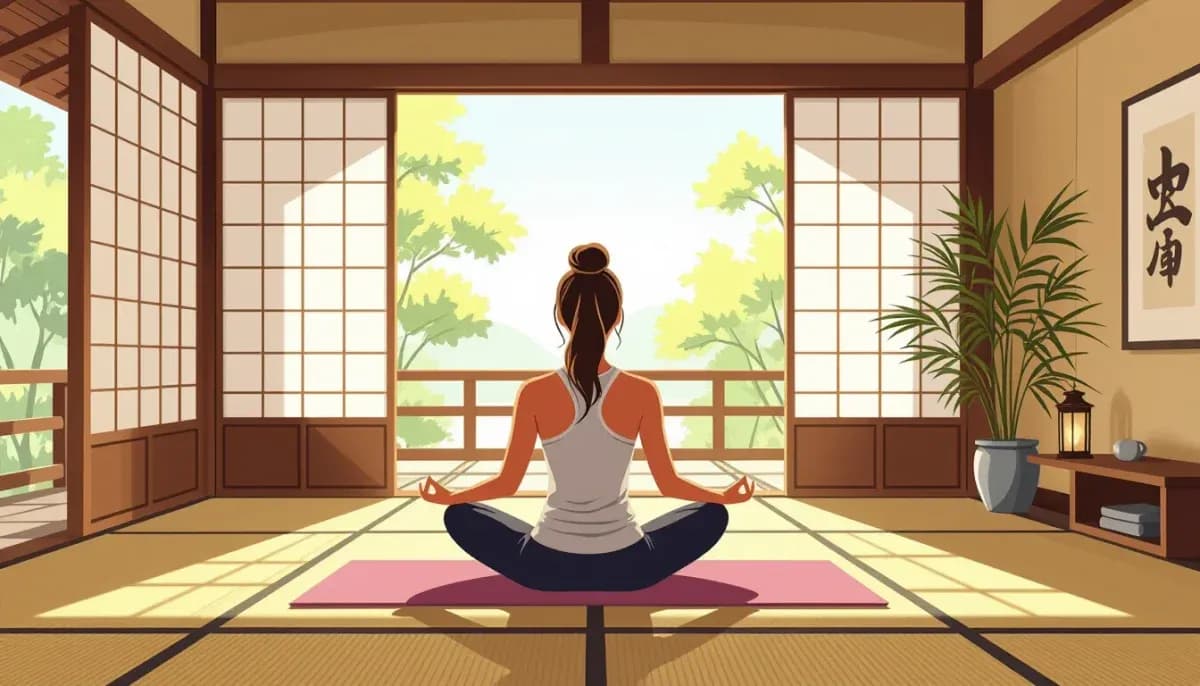
Find the best yoga and pilates studios in Japan for foreigners. Discover English-friendly studios in Tokyo, Osaka, and beyond—with prices, tips, and how to join as an expat.
Read more →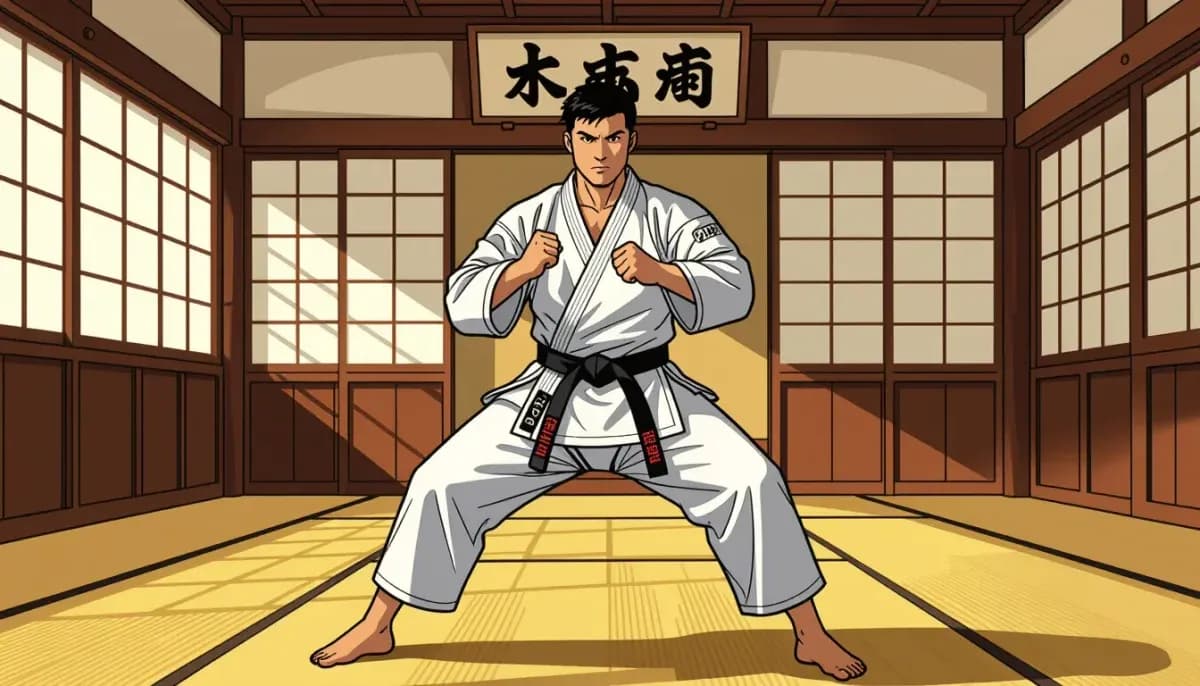
Discover how foreigners can train martial arts in Japan. Complete guide covering types of martial arts, how to find a dojo, costs, etiquette, visas, and practical tips for expats.
Read more →
Discover the best running routes and parks in Japan for foreigners. From Tokyo's Imperial Palace loop to Kyoto's Kamo River — practical tips, etiquette, and top spots.
Read more →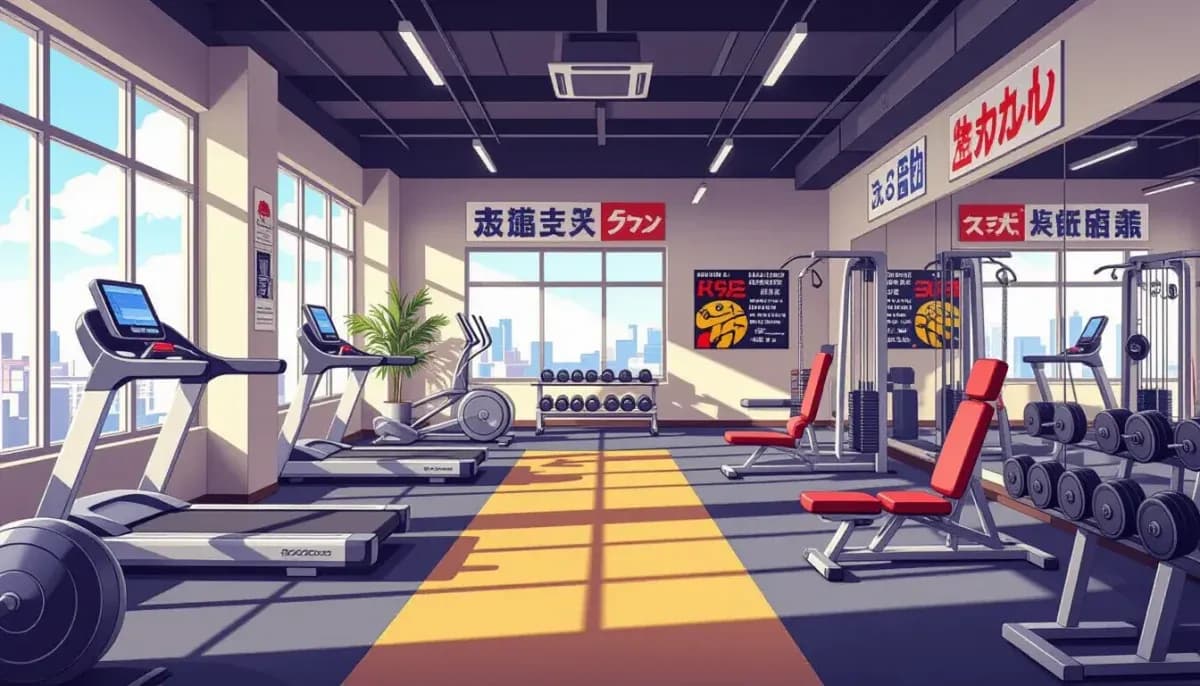
Everything foreigners need to know about gym memberships in Japan — costs, required documents, gym chains, etiquette rules, and tips for finding English-friendly fitness facilities.
Read more →