
Cycling Culture and Fitness Riding in Japan

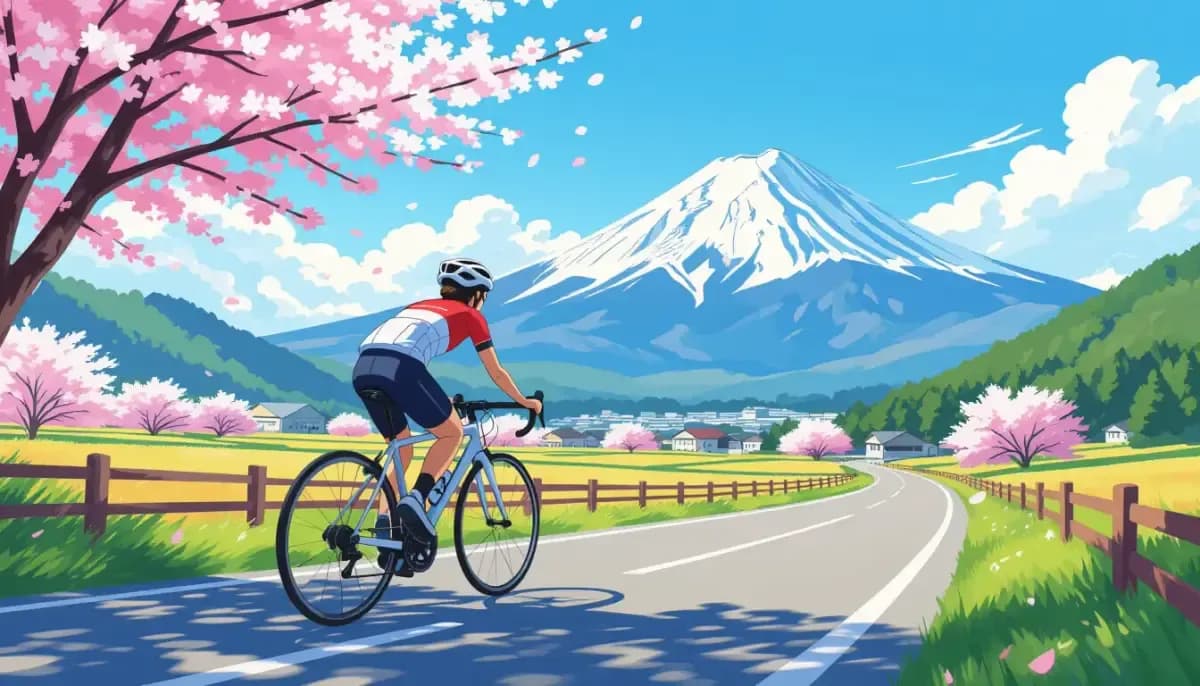
Discover Japan's cycling culture and how to ride for fitness as a foreigner. Covers bike types, road rules, 2026 laws, top routes, bike share, and joining cycling communities.
Cycling Culture and Fitness Riding in Japan: A Complete Guide for Foreigners
Japan is one of the world's great cycling nations. Whether you see salarymen pedaling to the train station, students weaving through narrow lanes, or Lycra-clad road cyclists carving mountain passes on weekends, bicycles are woven into the fabric of daily Japanese life. For foreigners living in or visiting Japan, cycling offers an unbeatable combination of fitness, exploration, and cost savings. This guide covers everything you need to know — from cultural norms and road rules to the best routes and how to connect with Japan's vibrant cycling community.
Understanding Japan's Cycling Culture
Cycling holds a unique place in Japanese society that differs significantly from most Western countries. Rather than being primarily a sport or leisure activity, the bicycle in Japan is first and foremost a practical tool. People of all ages use bikes for commuting, grocery shopping, school runs, and daily errands. Nationally, bicycles account for approximately 12% of all trips, with cities like Osaka and Kyoto seeing shares as high as 20%.
Yet alongside this utilitarian tradition, a passionate fitness cycling subculture has exploded in recent decades. Road cycling, mountain biking, triathlon, and even gravel riding now have dedicated communities across Japan. Iconic cycling events like the Tour de Kagawa and popular climbs like Mt. Fuji's Subaru Line draw both domestic and international riders. The country's compact mountain terrain, well-maintained roads, and dramatic seasonal landscapes make it an extraordinary destination for fitness riding.
For foreigners, this dual culture is an asset. You can start with a simple commuter bike, gradually get fit, and eventually join organized rides and clubs — all while saving money on transportation.
Bicycle Types and Choosing the Right Bike
Japan's bike culture has a distinct vocabulary that's worth understanding before you make a purchase:
| Bike Type | Japanese Name | Best For | Typical Price (New) |
|---|---|---|---|
| City/Commuter | ママチャリ (mamachari) | Commuting, errands, short distances | ¥10,000–¥30,000 |
| Cross Bike | クロスバイク | Mixed commuting and light fitness | ¥30,000–¥80,000 |
| Road Bike | ロードバイク | Speed, fitness, long distances | ¥80,000–¥500,000+ |
| Mountain Bike | マウンテンバイク | Off-road trails, mountain riding | ¥50,000–¥300,000+ |
| E-Bike | 電動自転車 | Commuting with hills, cargo | ¥50,000–¥200,000 |
| Folding Bike | 折りたたみ自転車 | Train + cycling combos | ¥20,000–¥150,000 |
Mamachari are the workhorses of Japanese cycling — heavy, upright, and incredibly practical. They come with baskets, fenders, and built-in locks. If you just want to get around your neighborhood and keep fit with easy rides, a mamachari from a second-hand shop (¥3,000–¥10,000) is a smart starting point.
If you plan to cycle more than 10 kilometers regularly or want to use cycling as a serious fitness tool, consider a cross bike or road bike. These are faster and more efficient but require you to add lights and accessories separately.
You can find second-hand bikes at Recycle shops (リサイクルショップ), Hard Off, dedicated cycling stores, and Mercari (Japan's popular flea market app). New bikes are sold at cycling specialty shops, Asahi Cycle, Cainz, and Aeon.
For more tips on getting around Japan efficiently, see our guide to transportation options in Japan.
Cycling Rules and Road Laws in Japan
Japan has clear cycling laws that all riders — including foreigners — must follow. Ignorance of the law is not an excuse, and police do enforce cycling regulations.
Core Rules:
- Ride on the left side of the road (same as cars)
- Ride on the road by default, not sidewalks (exceptions exist for those under 13, over 70, with disabilities, or where signage permits)
- You must have a working front light and a rear reflector at night — police will stop you without one
- No cycling while drunk — this is treated seriously in Japan. Penalties can include up to 5 years in prison, a ¥1,000,000 fine, and deportation for foreigners
- No phone use while cycling
New 2026 Blue Ticket System: Starting April 2026, Japan is implementing a significant update to cycling enforcement: a blue ticket (青切符) system for 113 cycling violations. Police can issue on-the-spot fines to cyclists aged 16 and over. Previously, minor violations could only result in criminal charges — an all-or-nothing system that made enforcement rare. The new fines are:
| Violation | Fine |
|---|---|
| Using phone while cycling | ¥12,000 |
| Running a red light | ¥6,000 |
| Riding on unpermitted sidewalk | ¥6,000 |
| No functioning brakes | ¥5,000 |
| Running stop signs | ¥5,000 |
| No bike light | ¥5,000 |
| Riding side-by-side (prohibited) | ¥3,000 |
For detailed information on bicycle registration and safety requirements, the Japan Handbook bicycle guide is an excellent resource.
Helmet Policy: Since April 2023, wearing a helmet is a "duty to endeavor" (努力義務) for all cyclists of all ages. There is currently no financial penalty for riding without one, but this is widely expected to tighten in future legislation. Wearing a helmet is strongly recommended, especially for road and mountain biking.
Bicycle Registration: All bicycles in Japan should be registered (防犯登録) at the point of purchase, typically for a small fee of ¥500–¥600. If you buy a used bike, transfer the registration. Police regularly check bike registration numbers, and riding an unregistered bike — or one registered to someone else — can create significant complications.
Best Cycling Routes and Destinations in Japan
Japan's geography offers everything from flat coastal paths to challenging alpine climbs. Here are some of the most celebrated routes:
Shimanami Kaidō (しまなみ海道) — Hiroshima to Ehime
The crown jewel of Japanese cycling, this 70km route crosses six islands between Onsihima (Hiroshima) and Imabari (Ehime) via a series of spectacular suspension bridges. The dedicated cycling path runs the entire length, making it safe for riders of all levels. Cherry blossoms in spring and the deep blue Seto Inland Sea make this one of Asia's most beautiful rides.
Lake Biwa (琵琶湖) — Shiga Prefecture
A classic 235km loop around Japan's largest lake. Serious cyclists complete it in a day (the Biwako Isshu), while others take a more leisurely approach over two or three days. The flat terrain and clear roads make it ideal for fitness training.
Noto Peninsula (能登半島) — Ishikawa Prefecture
A rugged coastal ride through one of Japan's most rural and traditional regions. The route offers dramatic Sea of Japan views, fishing villages, and minimal traffic. Best tackled in summer or early autumn.
Mt. Fuji Subaru Line — Yamanashi Prefecture
The ultimate hill-climb challenge: 24km at an average 5.2% gradient, rising from 1,000m to 2,305m. The road is closed to cars on certain days specifically for cyclists, making it a bucket-list ride for fitness enthusiasts.
Tokyo Urban Routes
Within Tokyo, routes along the Arakawa Cycling Road (58km one-way), Tama River Cycling Road, and Edogawa Cycling Road offer long, flat, car-free riding ideal for training. These riverside paths are well-maintained, well-lit, and very popular with fitness cyclists at weekends.
Cycling as Fitness: Training, Nutrition, and Seasonal Tips
If you're using cycling as your primary fitness tool in Japan, there are some practical considerations unique to the country.
Best Seasons for Cycling:
- Spring (March–May): Ideal conditions, cherry blossoms, comfortable temperatures. The most popular cycling season.
- Autumn (September–November): Cool, clear skies, autumn foliage. Second favorite season for cyclists.
- Summer (June–August): Hot and humid, especially in cities. Early morning rides are essential. Japan issues Heat Stroke Alerts when the Wet Bulb Globe Temperature (WBGT) reaches 33°C — always check before long summer rides.
- Winter (December–February): Manageable in most of Japan, but mountain routes may be icy or closed.
Fueling Your Rides: Japan is an exceptional country for cyclists in terms of on-route nutrition. Convenience stores (コンビニ) — 7-Eleven, FamilyMart, Lawson — are found every few kilometers along most roads, offering onigiri, sports drinks, bananas, and hot foods at any hour. Many serious cyclists plan their long routes around convenience store stops rather than carrying heavy loads of food.
Bike Repair: Cycling specialty shops (自転車屋) are widespread in Japan. For more urgent repairs, many convenience stores and home improvement centers stock basic parts. Carrying a pump, tire levers, and a spare tube is essential for any long ride.
Bike Sharing and Rental Options
If you're not ready to buy a bike, Japan has excellent sharing and rental options:
Docomo Bike Share is the dominant e-bike sharing network in Japan, operating in Tokyo and multiple major cities. The app is available in English, and you can rent electric-assist bikes by the 30-minute increment. One-day passes and monthly memberships are available. This is an ideal way for expats to experiment with cycling commuting before committing to a purchase.
Cycle Sports Center (Izu) and many tourist destinations offer day-rental options for road bikes and mountain bikes, perfect for weekend trips.
Shimanami Kaidō has an extensive rental network with shops at each island and a convenient drop-off system, so you can rent at one end and return at the other.
For those using cycling as part of a broader fitness strategy, see our overview of daily life and wellness options in Japan.
Joining the Cycling Community as a Foreigner
One of the great joys of cycling in Japan is the community. Despite the stereotype of Japan as reserved, cycling clubs are genuinely welcoming to foreigners — especially if you show up with enthusiasm and a decent bike.
Tokyo Cycling Club is one of the most active English-speaking cycling communities in Japan, with regular group rides, online forums, and race support. Look for them on Strava and Facebook.
Strava is widely used by Japanese cyclists, and joining local segments and clubs is an easy way to connect without needing to speak Japanese fluently.
Cycling Events: Major events like the Tour de Tohoku, Ride Around Lake Biwa, and Mt. Fuji Hill Climb are open to international participants and provide an incredible motivation target. Registration typically opens months in advance.
For finding other fitness groups and social communities as a foreigner in Japan, check out our guide to making friends and social life in Japan. You can also explore sports clubs and hobby groups for foreigners on ForWorkInJapan for more community options.
Practical Tips for Foreign Cyclists in Japan
Always carry ID. Police can stop cyclists to check bike registration, and non-Japanese residents are legally required to carry their residence card (在留カード) or passport at all times.
Learn basic cycling vocabulary. Knowing how to say "flat tire" (パンク, panku), "brake" (ブレーキ), and "can you fix this?" (直せますか?, naosemasu ka?) will help enormously at repair shops.
Navigation: Google Maps cycling mode works well in Japan. For dedicated routes, YAMAP (mountain), Ride with GPS, and Strava all have strong communities.
Weather apps: Check rain radar closely. Japanese rain can arrive suddenly, and cycling on wet roads with limited visibility significantly increases accident risk.
Insurance: Consider a cycling-specific insurance plan. Many Japanese cycling clubs recommend it, and some home and renters insurance policies cover cycling accidents. Check with your provider.
For broader advice on living well in Japan as a foreigner — including transportation, health, and community — Living in Nihon offers comprehensive guides for expats navigating Japanese daily life. Similarly, Ittenshoku provides career and lifestyle resources for those building their lives in Japan long-term.
Conclusion
Cycling in Japan is one of the most rewarding ways to stay fit, explore the country, and connect with local culture. From practical mamachari commuting to epic weekend climbs on Mt. Fuji, the spectrum of cycling experiences available is extraordinary. As a foreigner, getting on a bike also accelerates your immersion into Japanese life in ways that few other activities can match — you'll discover backstreets, find local food shops, and meet people who share your passion.
Start simple, learn the rules, get registered, wear a helmet, and go explore. Japan's roads are waiting.

Originally from Vietnam, living in Japan for 16+ years. Graduated from Nagoya University, with 11 years of professional experience at Japanese and international companies. Sharing information about living in Japan for foreigners.
View Profile →Related Articles
Rock Climbing and Bouldering in Japan Guide
Complete guide to rock climbing and bouldering in Japan for foreigners. Discover 97+ gyms, top outdoor crags, costs, grading systems, and cultural etiquette tips.
Read more →
Playing Golf in Japan Guide for Foreign Residents
Complete guide to playing golf in Japan for foreigners. Learn about booking tee times, green fees (¥7,000–¥12,000), etiquette, dress codes, club membership, and the best golf courses across Japan.
Read more →
Best Fitness and Workout Apps Available in Japan
Discover the best fitness and workout apps available in Japan for foreigners. From FiNC to Nike Run Club, YAMAP to MyFitnessPal—a complete 2025 guide for expats.
Read more →
Winter Sports in Japan Skiing Snowboarding and More
Complete guide to winter sports in Japan for foreigners. Discover the best ski resorts, costs, tips for skiing and snowboarding, and unique winter activities like drift ice walking and onsen après-ski.
Read more →
Best Outdoor Fitness Activities in Japan
Discover the best outdoor fitness activities in Japan for foreigners — from free park workouts and running clubs to hiking trails, cycling routes, and water sports. Complete guide with costs and tips.
Read more →
Japanese Gym Etiquette Every Foreigner Should Know
Learn essential Japanese gym etiquette rules: tattoo policies, indoor shoes, towel requirements, locker room rules, and how to join a gym in Japan as a foreigner.
Read more →