
Rock Climbing and Bouldering in Japan Guide

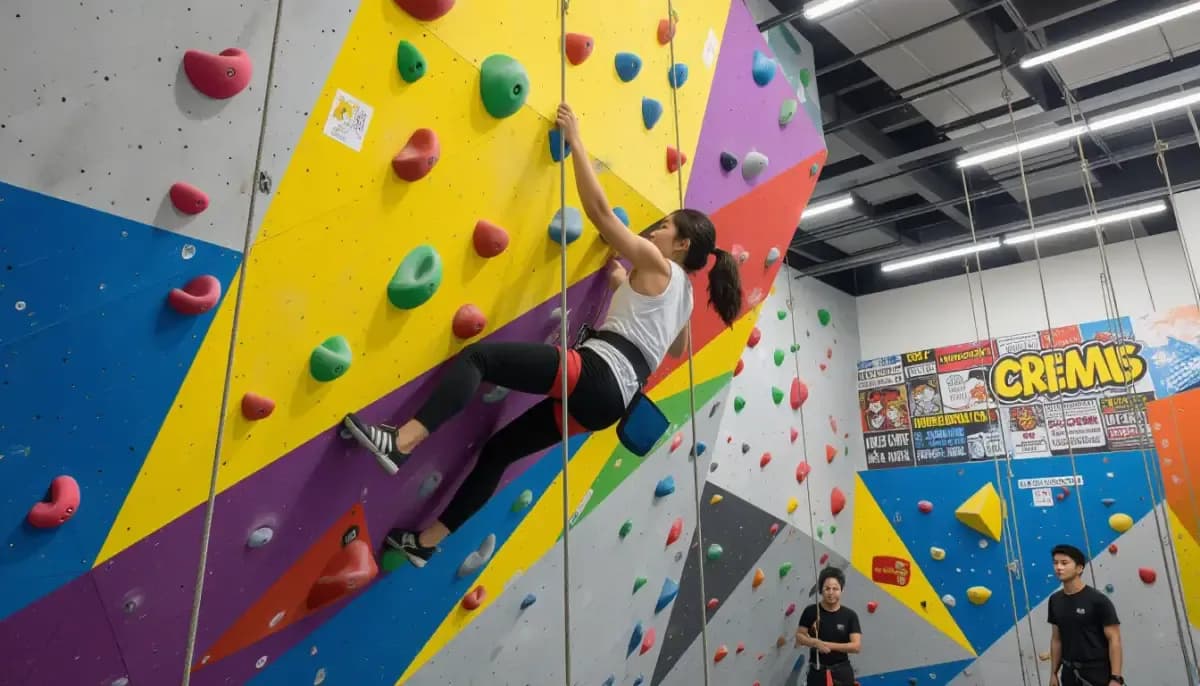
Complete guide to rock climbing and bouldering in Japan for foreigners. Discover 97+ gyms, top outdoor crags, costs, grading systems, and cultural etiquette tips.
Rock Climbing and Bouldering in Japan: The Complete Guide for Foreigners
Japan has quietly become one of Asia's most exciting destinations for rock climbers and boulderers. Whether you're a complete beginner looking for your first vertical challenge or an experienced climber seeking world-class granite faces, Japan delivers. With over 97 dedicated climbing gyms across the country and stunning outdoor crags just hours from major cities, there has never been a better time to discover Japan's climbing scene as a foreigner.
This guide covers everything you need to know — from finding your first bouldering gym in Tokyo to tackling classic outdoor routes in the Japanese Alps.
Why Japan is a Great Destination for Climbers
Japan's rock climbing scene has exploded in popularity over the past decade. Tokyo alone has more bouldering gyms than the entire continent of Australia, making it one of the most gym-dense cities on the planet for climbers. The culture around climbing is uniquely Japanese: disciplined, welcoming, and deeply communal. Strangers routinely cheer each other on, offer beta (route advice), and clap when someone tops out a problem.
For foreigners, indoor gyms are the easiest entry point. Staff at most gyms are accustomed to international visitors, and the visual color-coded route system means language is rarely a barrier. Outdoor climbing takes more planning — English information can be scarce — but the rewards are extraordinary.
Japan's climbing scene also benefits from geography. The country's volcanic and granitic geology has created an incredible variety of rock types: limestone sport climbing in Okinawa, granite bouldering in Yamanashi, and basalt trad routes in Hokkaido. Whether you prefer crimpy overhang problems or long slab routes, Japan has something for you.
For more on enjoying outdoor activities in Japan, check out Living in Nihon's guide to hiking and mountain climbing.
Indoor Bouldering Gyms: Getting Started
Indoor bouldering is the fastest and friendliest way to start climbing in Japan. Most gyms require no prior experience, offer rental equipment, and have beginner-friendly problems starting at V0 difficulty.
Cost Breakdown
Here is what to expect when visiting a Japanese bouldering gym:
| Item | Cost |
|---|---|
| Day pass (entry fee) | ¥1,500 – ¥2,500 |
| First-visit registration fee | ¥1,500 – ¥2,000 |
| Shoe rental | ¥500 – ¥800 |
| Total (first visit) | ¥3,000 – ¥4,500 |
| Monthly membership | ¥10,000 – ¥15,000 |
| Chalk bag rental | ¥300 – ¥500 |
Monthly memberships offer significant savings if you plan to climb regularly. Most gyms also offer 10-visit punch cards at a discount.
Top Cities for Gym Climbing
Japan's gym distribution is concentrated in major urban areas:
- Tokyo: 72 gyms — the undisputed capital of Japanese bouldering, with facilities ranging from neighborhood spots to multi-story climbing complexes
- Osaka: 17 gyms — home to some of Japan's largest facilities with strong community events and competition scenes
- Kyoto: 8 gyms — a quieter atmosphere blending traditional aesthetics with modern climbing
Popular gym names to look for include B-Pump, Climbing Gym SPIDER, NOBOROCK, and Peki-Peki. For a full directory, Climbing Japan maintains an updated list of 97+ gyms.
What to Bring
Pack comfortable, stretchy clothing — yoga pants, leggings, or athletic shorts work well. Bring socks if you plan to rent shoes (required at most gyms). Water is essential. Leave your jewelry at home to protect both yourself and the holds.
Outdoor Rock Climbing Areas in Japan
Japan's outdoor climbing scene is world-class but requires more research than the gym scene. Many top crags have minimal English signage, so connecting with local clubs or hiring a guide is highly recommended — especially for trad routes.
Top Outdoor Climbing Destinations
Ogawayama (Nagano Prefecture) Considered the heart of Japanese climbing, Ogawayama sits at 2,418m in the Chichibu-Tama-Kai National Park. The area features an extraordinary concentration of granite boulders and multi-pitch routes suited to all ability levels. Expect crowds on summer weekends but find solitude on weekdays. Best season: July through September.
Mt. Mizugaki (Yamanashi Prefecture) About three hours from Tokyo by public transport, Mizugaki is the other cornerstone of Japanese climbing. The area offers highball bouldering problems, traditional routes on steep granite faces, and sport climbing. The landscape — giant granite domes rising above the forest — is stunning even if you never rope up. Best season: spring and autumn.
Maku Iwa (Near Hakone) Unlike higher-altitude areas that close in winter, Maku Iwa near Hakone remains climbable year-round. The area features both great bouldering and sport climbing on solid rock, making it a popular year-round destination for Tokyo-based climbers.
Okinawa (Ryukyu Islands) Okinawa offers Japan's best sport climbing on limestone, with routes up to 5.14 in difficulty. The tropical setting and warm weather make it ideal for winter climbing trips. English information is limited but the small climbing community is welcoming.
For working in Japan and maintaining a healthy work-life balance that includes outdoor activities, see For Work in Japan for career resources.
Understanding Japan's Climbing Grading Systems
Japan uses different grading systems depending on context, which can confuse visiting climbers.
Indoor Gyms (V-Scale)
Most indoor gyms use the international V-grade system (V0 to V10+), the same system used in North America and Europe. Some gyms also display Japanese dan grades alongside V-grades, where shodan (first degree black belt equivalent) corresponds roughly to V8-V9 difficulty.
Outdoor Bouldering
Outdoor bouldering areas typically use the dan-kyu system — the same hierarchy used in martial arts. This can be confusing at first: lower numbers mean higher difficulty (1-dan is harder than 5-kyu). When in doubt, ask a local climber or check the area's topo guide for conversions.
Sport and Trad Routes
Traditional sport routes use the French decimal system (5a, 6b, 7c+), the same as European climbing areas. Trad and alpine routes may use older Japanese or UIAA grading. Always verify grades with local knowledge.
Japanese Climbing Etiquette: What Every Foreigner Must Know
Japan's climbing community is known for its welcoming atmosphere, but there are specific cultural norms that differ from Western climbing culture. Respecting these norms is essential for being welcomed into the community.
Clean your chalk and tick marks. After a session on an outdoor boulder, clean excessive chalk from the holds and brush off tick marks (chalk dots used to mark hand positions). This is standard practice in Japan and failure to do so is considered disrespectful to the rock and other climbers.
Ask before climbing on an occupied boulder. If other climbers are working a problem, always ask before jumping on the boulder. The usual approach is to wait, make eye contact, and gesture. Most climbers will happily wave you on between their attempts.
Never step on someone's crash pad with street shoes. Japanese climbers carefully place crash pads and many carry small mats and towels to wipe their climbing shoes before stepping onto the rock or pad. Stepping on pads with dirty street shoes is a serious faux pas.
Observe the community and follow their lead. Whether in a gym or outdoors, watch what local climbers do and mirror it. Japanese climbing culture rewards patience and attentiveness.
For a broader introduction to Japanese culture and etiquette, read our Complete Guide to Japanese Culture and Etiquette for Foreigners.
Finding the Climbing Community as a Foreigner
One of the biggest challenges for foreign climbers in Japan is finding English-language information and connecting with the community. Here is how to bridge that gap.
Online resources: The Crag maintains a comprehensive database of Japanese climbing areas with user-submitted topos, often in English. Mountain Project also has Japanese area coverage.
Gym communities: Japanese gyms are genuinely welcoming. If you show up regularly, you will naturally meet other climbers. Many gyms host regular events, beginner workshops, and outdoor trips open to all members.
Climbing clubs: Most universities and many workplaces in Japan have climbing clubs. International residents can often join community clubs through local community centers (kominkan) or sports associations.
Foreigner-friendly gyms: In Tokyo, gyms like Headrock Climbing Gym explicitly offer beginner classes. BFF Tokyo maintains an English-language guide specifically for foreigners getting into bouldering.
Guidebooks: The Ogawayama Bouldering guidebook and Mizugaki area guide are available in English online through Ogawayama Online (ogawayama.online). These are essential resources for outdoor climbing.
For general advice on making friends and building social connections in Japan, see our Making Friends and Social Life in Japan Guide.
Seasonal Guide to Climbing in Japan
Timing matters enormously for outdoor climbing in Japan. Each season offers different opportunities and challenges.
| Season | Outdoor Conditions | Best Areas |
|---|---|---|
| Spring (March-May) | Ideal — mild temps, stable weather | Mizugaki, Maku Iwa |
| Summer (June-September) | Hot and humid in lowlands; great at elevation | Ogawayama, Mizugaki (highland areas) |
| Autumn (October-November) | Excellent — best friction, cool temps | All areas |
| Winter (December-February) | Cold at elevation; some areas viable | Maku Iwa (Hakone), Okinawa |
Autumn is widely considered the best season for outdoor climbing across Japan. The temperatures drop, humidity falls, and rock friction improves dramatically. Spring is the second-best season. Summer is manageable at higher elevation areas like Ogawayama but can be brutal at lower crags.
Rainy season (tsuyu) typically runs from early June to mid-July and brings consistent rain that makes outdoor climbing dangerous and unpleasant. Indoor gyms become the go-to during this period.
Getting to Climbing Areas from Major Cities
Japan's excellent public transportation system makes reaching climbing areas more accessible than you might expect.
Ogawayama from Tokyo: Take the Chuo Line from Shinjuku to Kobuchizawa, then a local bus or taxi to the trailhead. Total journey: approximately 3 hours. A Japan Rail Pass makes this cost-effective.
Mizugaki from Tokyo: Similar route via the Chuo Line to Nirasaki station, then bus or taxi. Approximately 2.5-3 hours.
Maku Iwa from Tokyo: Take the Tokaido Line or Romancecar from Shinjuku to Hakone. Approximately 1.5-2 hours.
For driving: Renting a car is convenient for visiting outdoor areas with heavy gear (rope, rack, crash pads). Most climbing areas have free parking. A Japanese driver's license or International Driving Permit is required.
For detailed guidance on getting around Japan, see our Complete Guide to Transportation in Japan.
Recommended Gear for Climbing in Japan
Most indoor gyms rent everything you need, but if you plan to climb outdoors or visit gyms regularly, investing in your own gear makes sense.
Essential gear for bouldering:
- Climbing shoes (La Sportiva, Scarpa, and Evolv are popular in Japan)
- Chalk bag and chalk
- Crash pad (for outdoor bouldering — rentable at some outdoor areas)
- Brush for cleaning holds
For sport and trad climbing:
- Harness, belay device, and locking carabiner
- Helmet
- Quickdraws (for sport climbing)
- Full trad rack if doing trad routes
Where to buy gear in Japan: Major outdoor retailers include Mont-Bell (Japan's premier outdoor brand), L-Breath, and ICI Ishii Sports. Tokyo's Kanda neighborhood has a concentration of outdoor gear shops. Equipment is generally the same price or slightly more expensive than in Europe or North America.
For a broader guide to the lifestyle and daily activities available in Japan, check out Ittenshoku for career and lifestyle resources.
Frequently Asked Questions
Do I need to speak Japanese to use climbing gyms? Not necessarily. Most gyms use color-coded visual systems that work across language barriers. Staff in urban gyms increasingly speak some English. Bring a translation app for registration forms on your first visit.
Can I bring my own gear? Yes. All gyms welcome personal climbing shoes and chalk bags. Outdoor gear like crash pads may have restrictions at some crags.
Are there age restrictions? Most gyms welcome climbers of all ages. Children are often welcome with parent supervision. Some gyms have dedicated youth programs.
How do I find climbing partners? Gym bulletin boards, online communities (Facebook groups like "Tokyo Climbers"), and regular gym attendance are the best routes to finding partners.
Is outdoor climbing regulated? Some areas require permits or have seasonal closures to protect nesting raptors (birds of prey). Always check the latest access conditions before visiting outdoor crags. The Japanese Alpine Club (JAC) website has access information in Japanese.
Conclusion: Start Climbing in Japan Today
Rock climbing and bouldering in Japan offer something genuinely special: world-class facilities, a welcoming community, and outdoor landscapes that rival anywhere on earth. Whether you start in a neighborhood bouldering gym in Tokyo or make the pilgrimage to the granite domes of Ogawayama, you will find a sport and a community that rewards dedication and welcomes newcomers.
For foreigners in Japan, climbing is one of the fastest ways to build genuine connections with Japanese people who share a passion. The shared language of movement — the universal nod when someone solves a hard problem — crosses cultural and linguistic barriers in a way few activities can.
Get to a gym, rent some shoes, and start. The community will take care of the rest.
For more on building your life in Japan as a foreigner, explore our Complete Guide to Daily Life in Japan and our Making Friends and Social Life Guide.

Originally from Vietnam, living in Japan for 16+ years. Graduated from Nagoya University, with 11 years of professional experience at Japanese and international companies. Sharing information about living in Japan for foreigners.
View Profile →Related Articles
Playing Golf in Japan Guide for Foreign Residents
Complete guide to playing golf in Japan for foreigners. Learn about booking tee times, green fees (¥7,000–¥12,000), etiquette, dress codes, club membership, and the best golf courses across Japan.
Read more →
Best Fitness and Workout Apps Available in Japan
Discover the best fitness and workout apps available in Japan for foreigners. From FiNC to Nike Run Club, YAMAP to MyFitnessPal—a complete 2025 guide for expats.
Read more →
Winter Sports in Japan Skiing Snowboarding and More
Complete guide to winter sports in Japan for foreigners. Discover the best ski resorts, costs, tips for skiing and snowboarding, and unique winter activities like drift ice walking and onsen après-ski.
Read more →
Best Outdoor Fitness Activities in Japan
Discover the best outdoor fitness activities in Japan for foreigners — from free park workouts and running clubs to hiking trails, cycling routes, and water sports. Complete guide with costs and tips.
Read more →
Japanese Gym Etiquette Every Foreigner Should Know
Learn essential Japanese gym etiquette rules: tattoo policies, indoor shoes, towel requirements, locker room rules, and how to join a gym in Japan as a foreigner.
Read more →
Cycling Culture and Fitness Riding in Japan
Discover Japan's cycling culture and how to ride for fitness as a foreigner. Covers bike types, road rules, 2026 laws, top routes, bike share, and joining cycling communities.
Read more →