


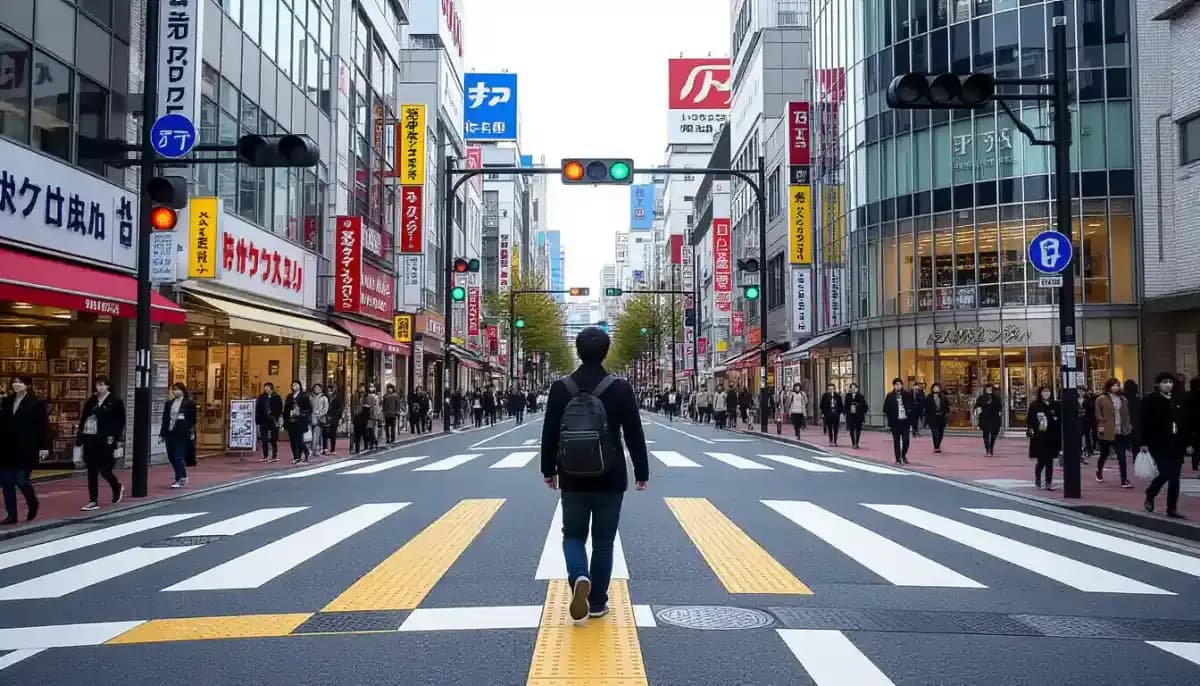
Walking and Pedestrian Rules in Japan
Learn all the essential walking and pedestrian rules in Japan — from crosswalk laws and sidewalk etiquette to regional escalator customs and common mistakes foreigners make.
Read more →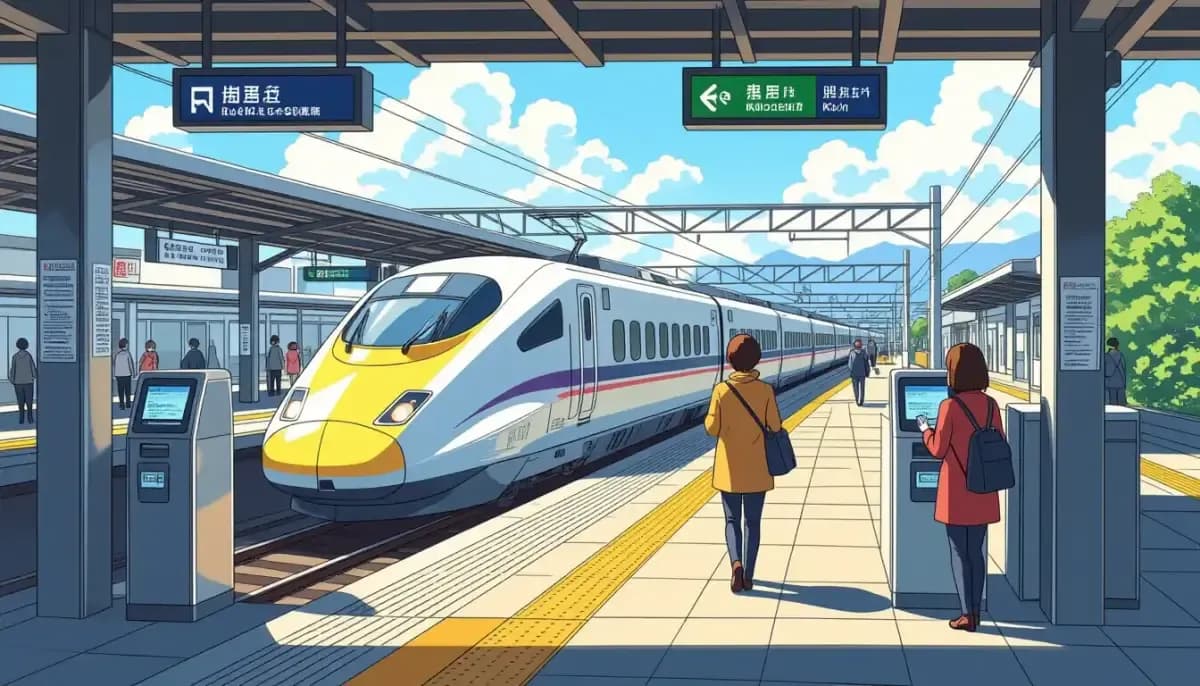
Everything foreigners need to know about transportation in Japan: trains, IC cards, Shinkansen, buses, driving, cycling, taxis and more. Updated 2025 guide.
Japan's transportation system is one of the most efficient, punctual, and comprehensive in the world. Whether you're commuting to work in Tokyo, exploring Kyoto's temples, or venturing into the Japanese Alps, understanding how to get around is essential for anyone living in or visiting Japan. This complete guide covers everything foreigners need to know — from IC cards and bullet trains to driving rules and cycling culture.
!Japan train station with commuters at Shinjuku, the world's busiest station
Japan's rail system is the backbone of the country's transportation infrastructure. An astonishing 90% of Japan's population lives within 25 km of a train station, making trains the go-to option for most daily travel.
Tokyo alone has over 50 operating railway lines run by JR East, Tokyo Metro, Toei Subway, and numerous private operators. Shinjuku Station, the world's busiest, handles more than 3 million passengers every single day. The system's reliability is legendary — average delays are measured in mere seconds annually.
Key rail operators in Japan:
| Rail Type | Coverage | Best For |
|---|---|---|
| JR Intercity | Nationwide | City-to-city travel |
| Shinkansen | Major corridors | Fast long-distance |
| Subway | Major cities | Urban navigation |
| Private Lines | Regional | Suburbs & commuting |
| Monorail/Light Rail | Local areas | Airports & specialty |
For detailed guidance on moving to Japan and setting up your daily routine, see our Complete Guide to Moving to Japan as a Foreigner.
The single most important thing you can do upon arriving in Japan is get an IC card (Integrated Circuit card). These rechargeable contactless smart cards let you tap in and out at train gates, bus doors, and even pay at convenience stores and vending machines.
The main IC cards:
Since 2013, all 10 major IC cards are interoperable nationwide, meaning your Suica works just as well in Osaka as it does in Tokyo.
How to get one:
Mobile IC cards: Apple Pay and Google Pay both support mobile Suica, allowing you to use your smartphone instead of a physical card. This is convenient but requires a Japanese Apple/Google account setup.
For foreigners who prefer a card without deposit commitments, Welcome Suica is available at airports for tourists; it's valid for 28 days and has no deposit but cannot be refunded.
For more about managing finances in Japan, read our Complete Guide to Banking and Finance in Japan.
The Shinkansen is Japan's high-speed rail network and one of the greatest engineering achievements in the world. Running at speeds up to 320 km/h (200 mph), the Shinkansen connects major cities across Honshu, Kyushu, and Hokkaido with remarkable efficiency.
Key Shinkansen routes:
Types of Shinkansen services:
Ticket options:
Japan Rail Pass: If you're traveling extensively within Japan, the JR Pass is worth considering. Available only to foreigners on tourist visas, it must be purchased outside Japan:
Note: The JR Pass covers most JR trains but NOT the Nozomi or Mizuho Shinkansen services.
For more resources on Shinkansen and rail passes, Living in Nihon's Transportation Guide offers an excellent companion overview.
!Shinkansen bullet train at platform, Japan high-speed rail
While trains dominate Japan's urban transportation landscape, buses play an equally important role — especially for areas not served by rail.
City buses: In most Japanese cities, buses run fixed routes with fixed fares. In many cities (like Kyoto), buses may actually be more practical than trains for sightseeing since they stop directly in front of major attractions.
Highway buses (高速バス): Long-distance highway buses (also called "highway express buses") are the budget alternative to the Shinkansen. They operate overnight and daytime routes between major cities.
For understanding daily expenses including commuting costs, see our Complete Guide to Cost of Living in Japan.
Taxis in Japan are clean, safe, and reliable — but they're significantly more expensive than public transit. Taxis are best reserved for late nights when trains have stopped, for short hops in areas with poor transit coverage, or when traveling with heavy luggage.
Taxi basics:
Taxi apps:
Ride-sharing: Traditional peer-to-peer ride-sharing (like Uber in the US) is largely not legal for private cars in Japan. However, the government has been gradually relaxing restrictions, and some rural areas now allow limited ride-sharing services.
For tips on Japan's working environment and commuting culture, visit For Work in Japan's Living Guide.
Driving in Japan is perfectly manageable with some preparation, and it's actually essential if you're living outside major urban areas — particularly in rural Hokkaido, Okinawa, or mountainous regions.
Can foreigners drive in Japan? Yes, with an International Driving Permit (IDP) obtained from your home country before arriving. Japan accepts IDPs based on the 1949 Geneva Convention. Important: you cannot get an IDP in Japan — you must obtain it before departure.
Key driving rules:
Car rental tips:
Car ownership: For long-term residents, owning a car involves significant costs — parking fees (especially in cities), mandatory biannual inspections (shaken), insurance, and road tax. In Tokyo, monthly parking can cost ¥30,000–¥80,000 alone.
For career planning in Japan including work commuting realities, Ittenshoku's career resources offer valuable context on Japan's work culture.
Japan is exceptionally bike-friendly, with an estimated 87 million bicycles in use across the country. In smaller cities and residential neighborhoods, the bicycle (jitensha) is the everyday transportation mode of choice.
Cycling in Japan:
Rules for cyclists:
Purchasing a bicycle: Used bikes are available at recycle shops (リサイクルショップ) for ¥5,000–¥20,000. New bikes range from ¥20,000 for a basic mamachari (city bike) to over ¥100,000 for quality road bikes.
Tokyo's two main airports:
- Narita Express (N'EX): ~¥3,000; 60 minutes to Shinjuku - Airport Limousine Bus: ~¥3,200; convenient door-to-hotel service - Keisei Skyliner: ~¥2,500; 41 minutes to Ueno
- Tokyo Monorail: ~¥500; 30 minutes to Hamamatsucho - Keikyu Line: ~¥300–¥700; direct to Shinagawa and Asakusa
Osaka's Kansai International Airport (KIX):
For those planning their initial move, our Complete Guide to Moving to Japan covers airport arrival logistics in detail.
Navigation apps you need:
Common mistakes to avoid:
Accessibility: Japan's stations are generally very accessible with elevators, escalators, and Braille pathways. Most stations have English signage and automated announcements.
For more on day-to-day life in Japan, see our Complete Guide to Daily Life in Japan. And for deeper exploration of Japanese culture including transit etiquette, check our Complete Guide to Japanese Culture and Etiquette.
For further reference and updated information, Japan-Guide.com's IC Card Guide and the JR Rail Pass Blog are reliable English-language resources maintained by transportation experts.
Japan's transportation network is a model of efficiency that becomes second nature once you learn the basics. Get your IC card, download a transit app, and you'll find that getting around Japan is one of the most enjoyable aspects of living here — reliable, safe, and remarkably affordable compared to most developed countries.
Learn all the essential walking and pedestrian rules in Japan — from crosswalk laws and sidewalk etiquette to regional escalator customs and common mistakes foreigners make.
Read more →
Learn how to find cheap domestic flights in Japan. Compare LCCs like Peach and Jetstar vs JAL/ANA, discover special foreigner fares, and get insider booking tips to save big.
Read more →
Complete guide to night buses in Japan for foreigners and expats. Prices, routes, booking tips, seat types, and the Japan Bus Pass explained. Save 60-70% vs Shinkansen.
Read more →
Discover the best transit and navigation apps for Japan. From Google Maps and Yahoo Transit to Mobile Suica and GO Taxi, master Japan's train system with the right tools.
Read more →
Everything foreigners need to know about Japan's commuter pass (teikiken): how to buy, cost savings, IC card types, employer reimbursement, and practical tips for daily commuters.
Read more →
Everything foreigners need to know about buying, registering, and riding a bicycle in Japan — including mamachari types, costs, registration steps, insurance, and 2026 cycling law updates.
Read more →
Complete guide to using taxis in Japan for foreigners. Learn about automatic doors, fares by city, best apps like GO, payment methods, and essential etiquette rules.
Read more →
Complete guide to riding buses in Japan as a foreigner. Learn how to pay fares, use IC cards, board correctly, book highway buses, and navigate routes without speaking Japanese.
Read more →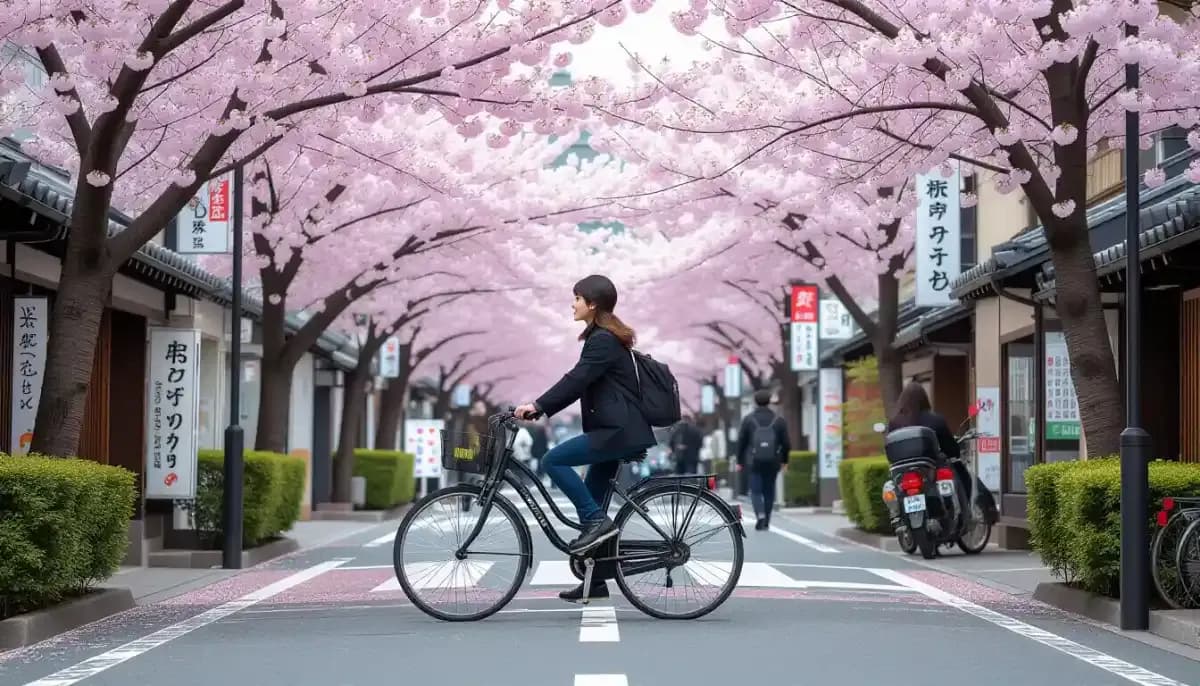
Complete guide to cycling in Japan for foreigners. Learn Japan's bicycle laws, new 2026 blue ticket fines, registration requirements, insurance rules, and essential safety tips for expat cyclists.
Read more →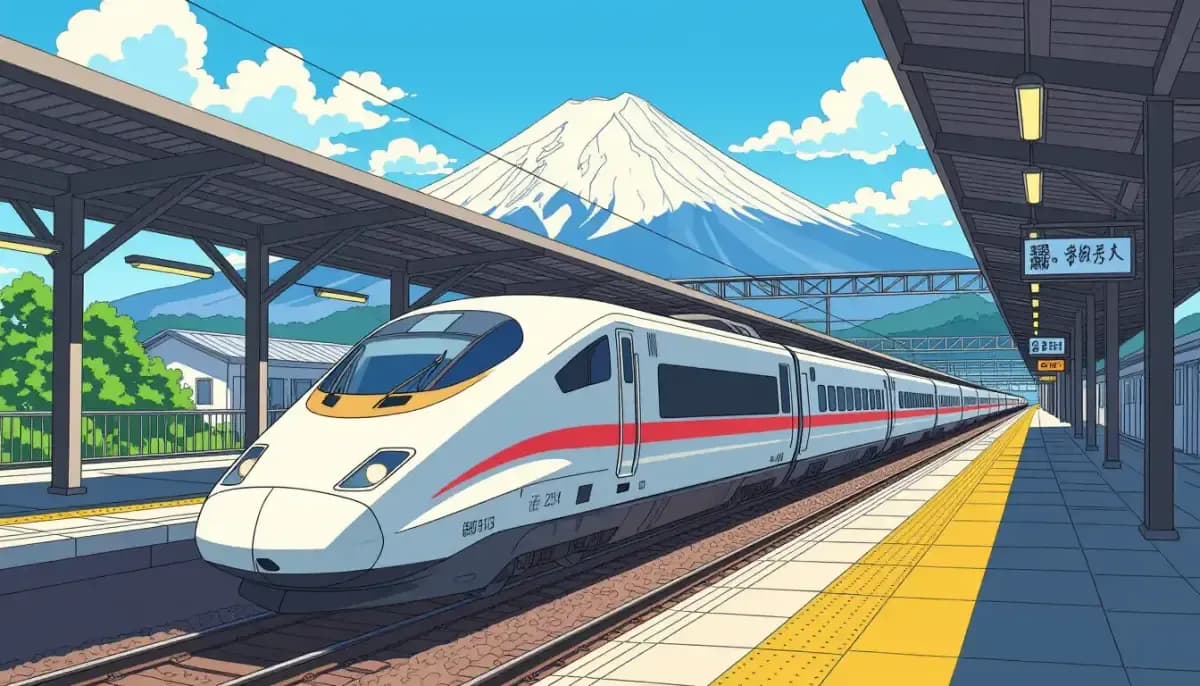
Complete guide to booking shinkansen bullet train tickets in Japan. Learn about ticket types, prices, online booking via SmartEX, seat selection, and tips for foreigners.
Read more →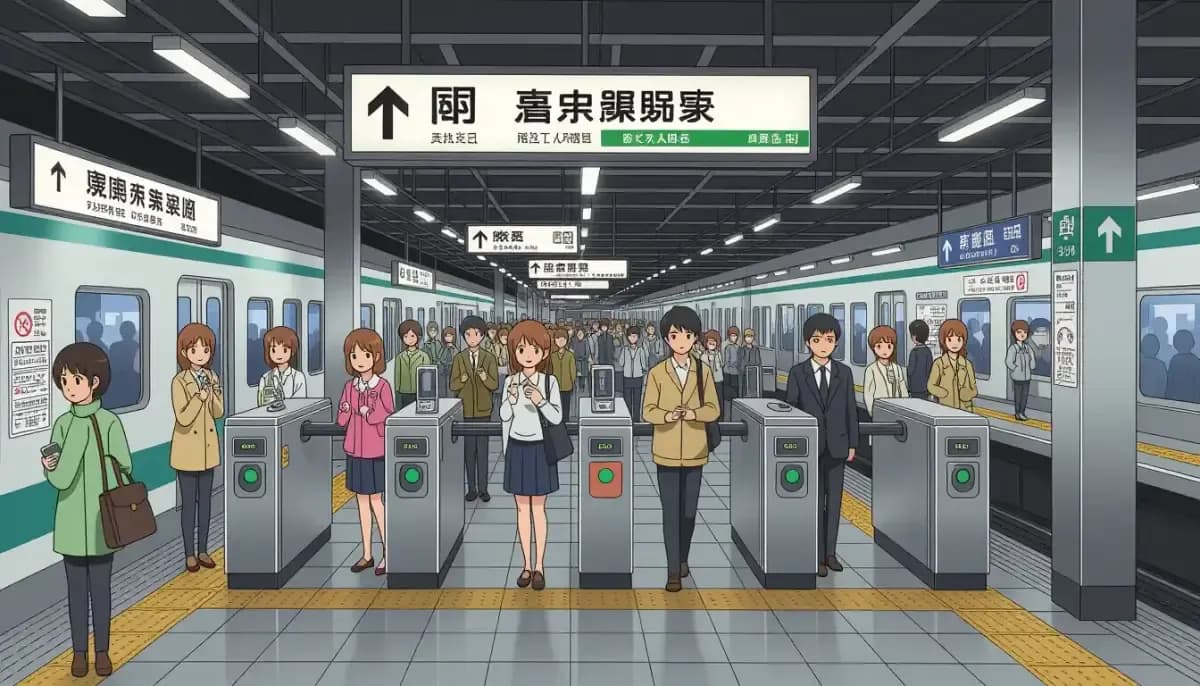
Complete guide to commuting in Tokyo for foreigners: IC cards, commuter passes, rush hour tips, train etiquette, costs, and essential apps to master Tokyo's world-class rail network.
Read more →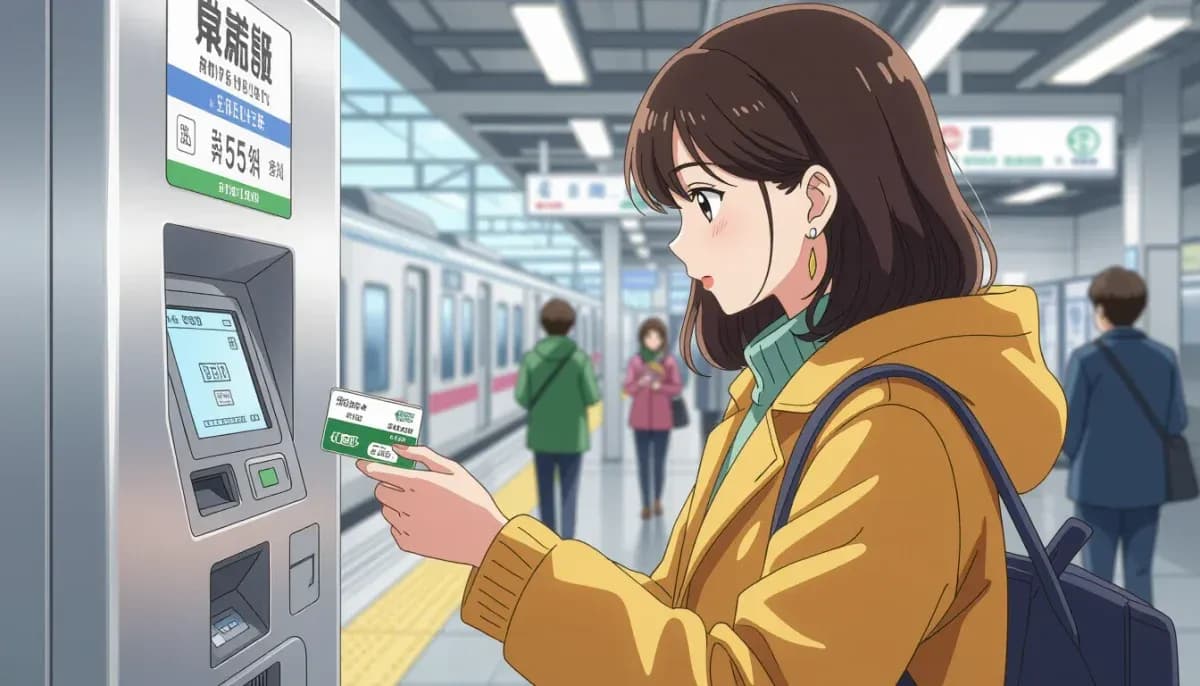
Complete guide to Suica and Pasmo IC cards in Japan. Learn where to buy, how to use, top up, and differences between card types — essential for foreigners living in Japan.
Read more →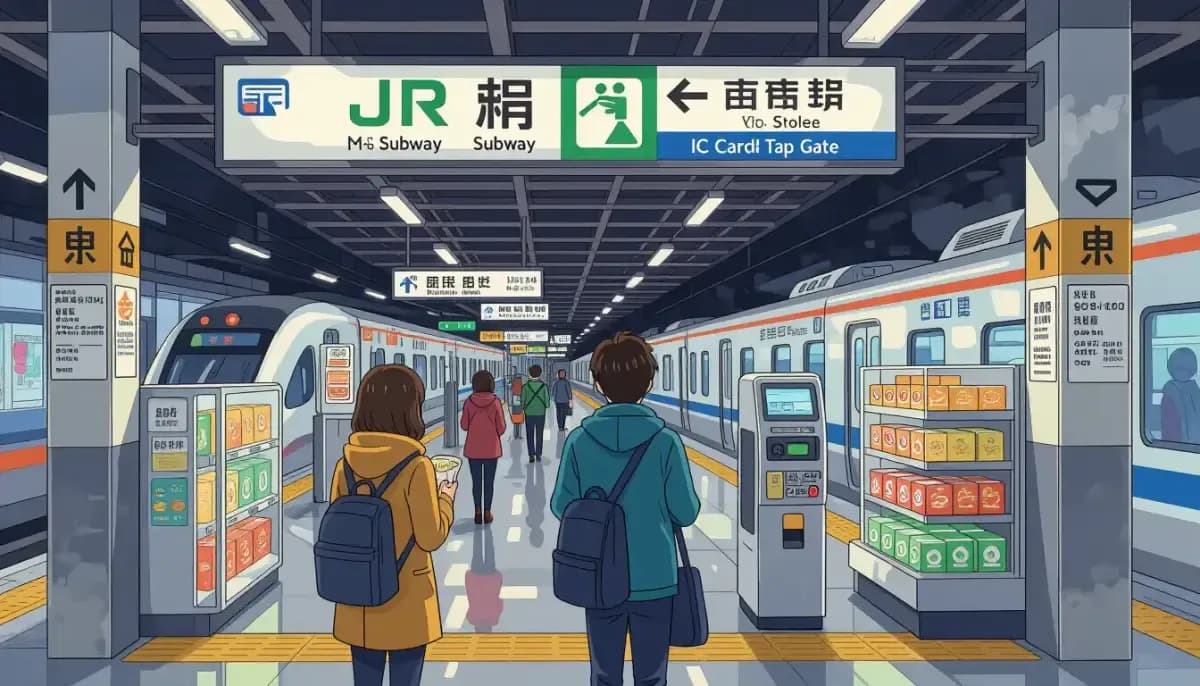
New to Japan? This beginner's guide to Japan's train system covers IC cards, JR Pass, train types, etiquette, and money-saving tips for foreigners and expats.
Read more →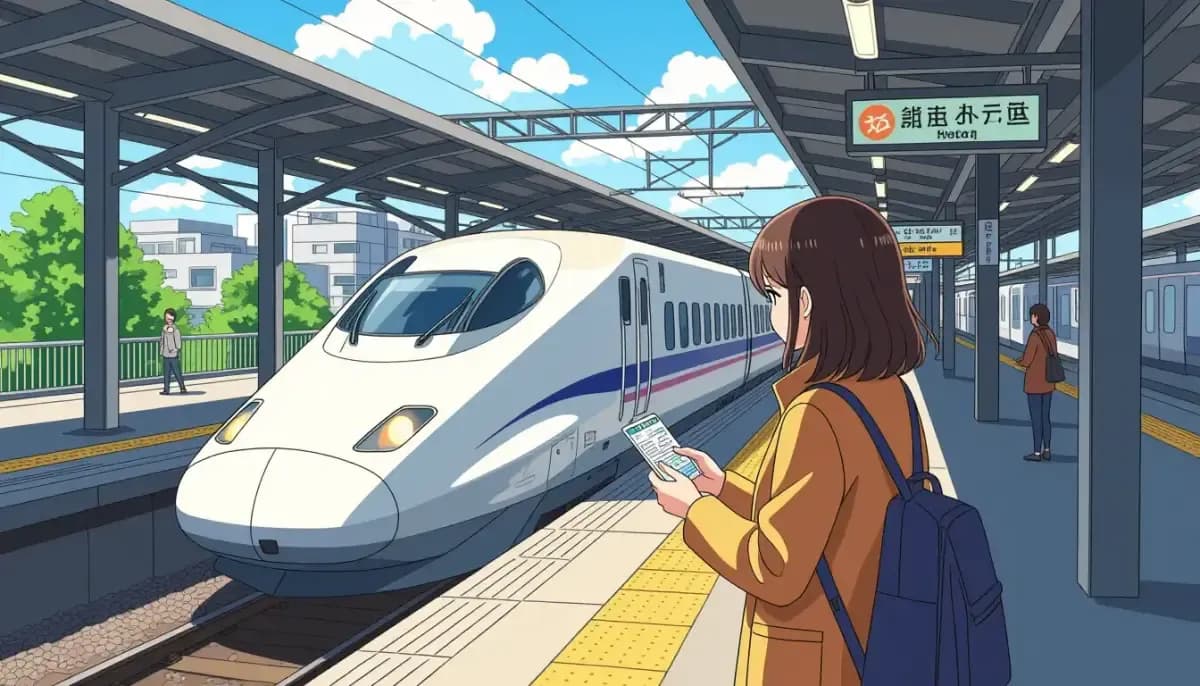
Can foreign residents buy the Japan Rail Pass? Learn what rail passes are available to residents, how IC cards work, and how to save on transportation in Japan.
Read more →