
Japan Bus System Guide for Foreign Riders

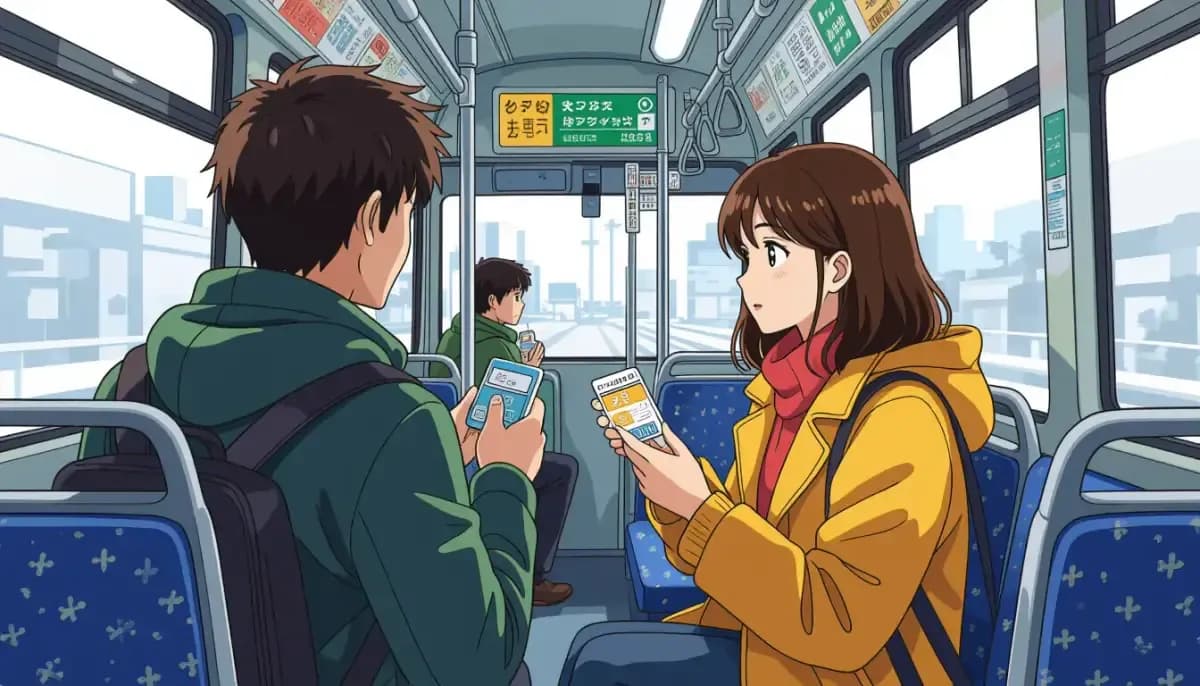
Complete guide to riding buses in Japan as a foreigner. Learn how to pay fares, use IC cards, board correctly, book highway buses, and navigate routes without speaking Japanese.
Japan Bus System Guide for Foreign Riders: Everything You Need to Know
If you're living in or visiting Japan as a foreigner, mastering the bus system can open up a whole new world of affordable, convenient travel. While trains and subways dominate Japan's urban transportation image, buses are absolutely essential — especially in cities like Kyoto, rural towns, and tourist destinations that aren't well-served by rail. This comprehensive guide walks you through everything from how to pay your fare to booking overnight highway buses, so you can ride with confidence from day one.
For a broader overview of getting around Japan, check out our Complete Guide to Transportation in Japan.
Types of Buses in Japan
Japan's bus network is diverse, covering everything from short city hops to overnight cross-country journeys. Understanding which type of bus serves your needs is the first step.
| Bus Type | Best For | Fare System | Booking Required? |
|---|---|---|---|
| Local Route Bus | City/town travel | Flat or distance-based | No |
| Highway Bus | Inter-city travel | Fixed price | Yes (advance) |
| Overnight Bus | Long distance + save on hotel | Fixed price | Yes (advance) |
| Airport Bus (Limousine) | Airport transfers | Fixed price | Optional |
| Sightseeing Bus | Tourist circuits | Flat/pass | Optional |
Local Route Buses are the backbone of urban and suburban transport. In major cities like Tokyo and Osaka, they supplement trains, while in Kyoto and smaller towns, the bus network is often the primary public transportation option. These are also your main connection to national parks, mountain areas, and rural destinations.
Highway Buses connect cities across Japan at significantly lower prices than the Shinkansen. A Tokyo-Osaka Shinkansen ticket costs around ¥13,000, while a highway bus on the same route typically runs just ¥3,000–¥6,000 — sometimes as low as ¥2,000 during promotional fares.
Overnight (Night) Buses let you save on accommodation while traveling between cities. You board in the evening, sleep on the bus, and arrive at your destination in the morning. Most are equipped with reclining seats, onboard toilets, Wi-Fi, and USB charging ports.
Airport Limousine Buses offer direct, hassle-free transfers between airports and major hotels or city terminals. They're more comfortable than trains for luggage-heavy travelers, though slightly slower.
For more on navigating daily life in Japan, see our Complete Guide to Daily Life in Japan.
Understanding the Two Fare Systems
One of the most confusing aspects of Japanese buses for foreigners is the fare system — specifically because it varies depending on the route and city.
Flat Fare System (均一運賃)
In many central urban areas — especially central Kyoto and parts of Tokyo — buses charge a single fixed fare regardless of how far you travel. You simply pay when you board (front door entry) or when you exit (rear door entry). No ticket is needed. This is the simplest system.
Distance-Based Fare System (対キロ運賃)
On most other routes, the fare increases the further you travel. Here's how it works:
- Board via the rear door — Pick up a small numbered ticket from the machine near the door (called a seiriken 整理券). If you're using an IC card, tap it on the reader instead.
- Check the fare display — Above the driver's seat, an electronic board shows fares for each ticket number. Your fare is shown next to your number.
- Press the stop button — When approaching your destination, press the button on the seat or wall in front of you.
- Pay as you exit — Insert your numbered ticket plus the exact fare into the fare box, or tap your IC card.
- Make change if needed — A change machine next to the fare box accepts ¥1,000 notes (sometimes ¥5,000), though NOT ¥10,000 notes. Always carry coins or small bills.
Tip: If you board with an IC card on a distance-based route, tap when you board AND when you exit. The system calculates the fare automatically.
How to Pay: IC Cards, Cash, and Tips
!IC card reader on a Japanese bus with Suica card being tapped

IC Cards (Recommended Method)
IC cards are far and away the easiest way to pay on Japanese buses. Major cards include:
- Suica (issued by JR East, works nationwide)
- PASMO (Tokyo metropolitan area)
- ICOCA (Kansai region)
All 10 major IC card types are interoperable nationwide — a Suica bought in Tokyo works on buses in Osaka, Kyoto, Fukuoka, and most major cities. Load money onto the card at convenience stores, station kiosks, or IC card machines.
Welcome Suica for Tourists: Foreign visitors can get a special "Welcome Suica" designed for tourists. It's valid for 28 days, requires no deposit, and can be purchased at Narita and Haneda airports. Note: no refunds are available, so only load what you'll use.
One important caveat: Rural areas and small-town bus operators sometimes only accept a local regional IC card, or cash only. When venturing off the beaten path, always carry sufficient coins.
Cash Payment
Cash is universally accepted. Always carry ¥10, ¥50, ¥100, and ¥500 coins — exact change is preferred but not strictly required since change machines are on board. The change machine accepts ¥1,000 notes. Do not expect it to break a ¥10,000 note.
For more on managing money in Japan, see our Complete Guide to Banking and Finance in Japan.
Boarding and Exiting: Step-by-Step
Japanese bus etiquette is quite specific and differs from many other countries. Follow these steps:
Standard City Bus (Distance-Based)
- Wait at the bus stop in an orderly queue
- When the bus arrives, let passengers exit first
- Board through the rear door
- Take a seiriken numbered ticket OR tap your IC card on the reader
- Find a seat and press the stop button when approaching your destination
- Move to the front of the bus
- Pay by inserting ticket + fare, or tap your IC card
- Exit through the front door
Flat-Fare City Bus (e.g., Central Kyoto)
- Board through the front door
- Pay the flat fare immediately upon boarding (IC card tap or cash)
- Exit through the rear door
Note: Tokyo's city buses also use front-door boarding with flat fares, so the system is reversed from the standard. Always observe what other passengers are doing if unsure.
Bus Etiquette for Foreigners
Japanese bus culture has clear, unspoken rules. Violating them won't get you thrown off, but you'll likely attract unwanted attention. Here's what to know:
- No eating or drinking on city buses (long-distance highway buses are an exception)
- Keep noise down — avoid phone calls, and keep music inaudible to others
- Offer priority seats to elderly passengers, pregnant women, and people with disabilities (priority seats are usually marked in a different color near the front)
- Don't block the aisle — if carrying a large bag, hold it in your lap or use the overhead rack
- Stay seated until the bus fully stops — Japanese buses brake firmly and you could fall
- No large luggage on local city buses — Kyoto City Buses specifically ban luggage over approximately 50cm. Most local routes limit passengers to bags under 10kg
!Foreigners waiting politely at a Japanese bus stop

Navigating Routes and Finding Your Bus
Japan's bus network can seem opaque to foreigners since signage is primarily in Japanese. Here are the best tools:
Google Maps and Apple Maps
Both apps support Japan bus routes fully, including real-time information. Enter your start and end points and select "Transit" — buses appear alongside trains. This is the single most reliable way to navigate.
NAVITIME Japan
A dedicated Japanese transit app (available in English) with detailed bus schedules, including rural routes not always shown on Google Maps. Download the free version before leaving urban areas.
Yahoo! Japan Transit Guide
Another excellent Japanese app — less intuitive for non-Japanese speakers but comprehensive for timetables.
At the Bus Stop
Bus stop signs list the route number and terminus in Japanese, with some stops in tourist areas also showing romaji (romanized Japanese). Timetables posted at stops distinguish between 平日 (weekday) and 休日 (weekend/holiday) schedules.
Pro tip: Screenshot your route and the name of your destination stop in Japanese characters. If confused, you can show the driver the destination stop name.
For additional help with language barriers, see our Complete Guide to Learning Japanese as a Foreigner.
Highway Buses: The Budget Traveler's Secret Weapon
For foreigners on a budget, highway buses are one of Japan's best-kept secrets. They're dramatically cheaper than the Shinkansen and, on night routes, eliminate accommodation costs entirely.
Popular Booking Platforms (English Available)
- WILLER TRAVEL — One of Japan's largest highway bus operators with full English booking. Offers premium seats with privacy curtains and leg rests.
- Japan Bus Online — Aggregator for multiple companies; English interface.
- Kosokubus.com — Comprehensive comparison and booking site in English.
Key Tips for Highway Buses
- Book in advance — especially for Golden Week (late April–early May), Obon (mid-August), and year-end holidays. Popular routes sell out weeks ahead.
- Depart from the right terminal — In Tokyo, most highway buses depart from Busta Shinjuku (Shinjuku Expressway Bus Terminal) or the Tokyo Station Yaesu terminal. Confirm your exact departure point when booking.
- Arrive early — Be at the terminal at least 20–30 minutes before departure.
- Night bus comfort tips: Bring a travel pillow, eye mask, and earplugs. Some premium seats have curtains for privacy. Dress in layers — overnight buses can be cold.
- Luggage goes underneath — Highway buses have baggage compartments under the coach. Unlike city buses, no luggage restrictions apply for appropriately-sized travel bags.
For a broader look at moving around Japan, visit Living in Nihon's transportation guide for comprehensive tips on all modes of transport.
Regional Bus Passes Worth Knowing
If you're staying in or exploring a specific region, dedicated bus passes can save you significant money:
| Pass Name | Region/Area | Coverage |
|---|---|---|
| Kyoto City Bus One-Day Pass | Kyoto city | Unlimited Kyoto city buses |
| Kyushu SUNQ PASS | Kyushu island | Buses across all of Kyushu |
| Hakone Free Pass | Hakone area | Buses, ropeway, boats, and trains |
| Shoryudo Bus Pass | Central Japan | Multiple prefectures |
The Kyoto City Bus One-Day Pass (¥700) is particularly worth it — Kyoto relies heavily on buses, and a single trip already costs ¥230. Just two rides nearly covers the day pass cost.
You can also check For Work in Japan for tips on commuter passes if you're a resident needing regular bus commutes.
Common Mistakes Foreigners Make (And How to Avoid Them)
1. Forgetting to grab the numbered ticket On distance-based routes, if you board and forget to take a seiriken ticket, you'll end up paying the maximum fare. Always take the ticket or tap your IC card immediately upon boarding.
2. Trying to break a ¥10,000 note on the bus The change machine won't accept it. Break large bills at convenience stores before boarding.
3. Boarding the wrong door In most places, rear-door boarding is standard. But in some cities (Tokyo, some Kyoto flat-fare routes), it's front-door first. Watch what locals do.
4. Underestimating rural cash requirements Outside major cities, IC cards may not work. Always have coins when heading to rural areas, onsen towns, or hiking trailheads.
5. Not confirming the correct bus terminal for highway buses Tokyo has multiple highway bus terminals. Booking at one and showing up at another means you'll miss your bus.
Summary: Quick Reference Card
| Situation | What To Do |
|---|---|
| City bus (distance fare) | Tap IC card or take seiriken at rear door |
| City bus (flat fare) | Pay when boarding at front door |
| No IC card, need change | Use onboard machine (¥1,000 max) |
| Rural/countryside bus | Carry coins – IC card may not work |
| Highway bus booking | Use WILLER TRAVEL or Japan Bus Online (English) |
| Can't read the stop name | Screenshot Japanese characters of destination |
| Large luggage | Use taxis, luggage delivery, or airport bus |
Japan's bus system rewards preparation. With an IC card loaded, Google Maps on your phone, and an understanding of the two fare systems, you'll navigate buses as smoothly as locals. For foreigners looking to stretch their budget, don't overlook overnight highway buses — they're one of the best travel hacks Japan has to offer.
For related guidance, also check out Ittenshoku's resources for foreigners in Japan and our own Complete Transportation Guide for Japan.

Originally from Vietnam, living in Japan for 16+ years. Graduated from Nagoya University, with 11 years of professional experience at Japanese and international companies. Sharing information about living in Japan for foreigners.
View Profile →Related Articles
Walking and Pedestrian Rules in Japan
Learn all the essential walking and pedestrian rules in Japan — from crosswalk laws and sidewalk etiquette to regional escalator customs and common mistakes foreigners make.
Read more →
Domestic Flights in Japan Budget Tips and Deals
Learn how to find cheap domestic flights in Japan. Compare LCCs like Peach and Jetstar vs JAL/ANA, discover special foreigner fares, and get insider booking tips to save big.
Read more →
Night Bus Travel in Japan Budget Guide
Complete guide to night buses in Japan for foreigners and expats. Prices, routes, booking tips, seat types, and the Japan Bus Pass explained. Save 60-70% vs Shinkansen.
Read more →
Best Transit and Navigation Apps in Japan
Discover the best transit and navigation apps for Japan. From Google Maps and Yahoo Transit to Mobile Suica and GO Taxi, master Japan's train system with the right tools.
Read more →
Japan Commuter Pass Teikiken How to Buy and Use
Everything foreigners need to know about Japan's commuter pass (teikiken): how to buy, cost savings, IC card types, employer reimbursement, and practical tips for daily commuters.
Read more →
Buying a Bicycle in Japan Complete Guide
Everything foreigners need to know about buying, registering, and riding a bicycle in Japan — including mamachari types, costs, registration steps, insurance, and 2026 cycling law updates.
Read more →