
Night Bus Travel in Japan Budget Guide

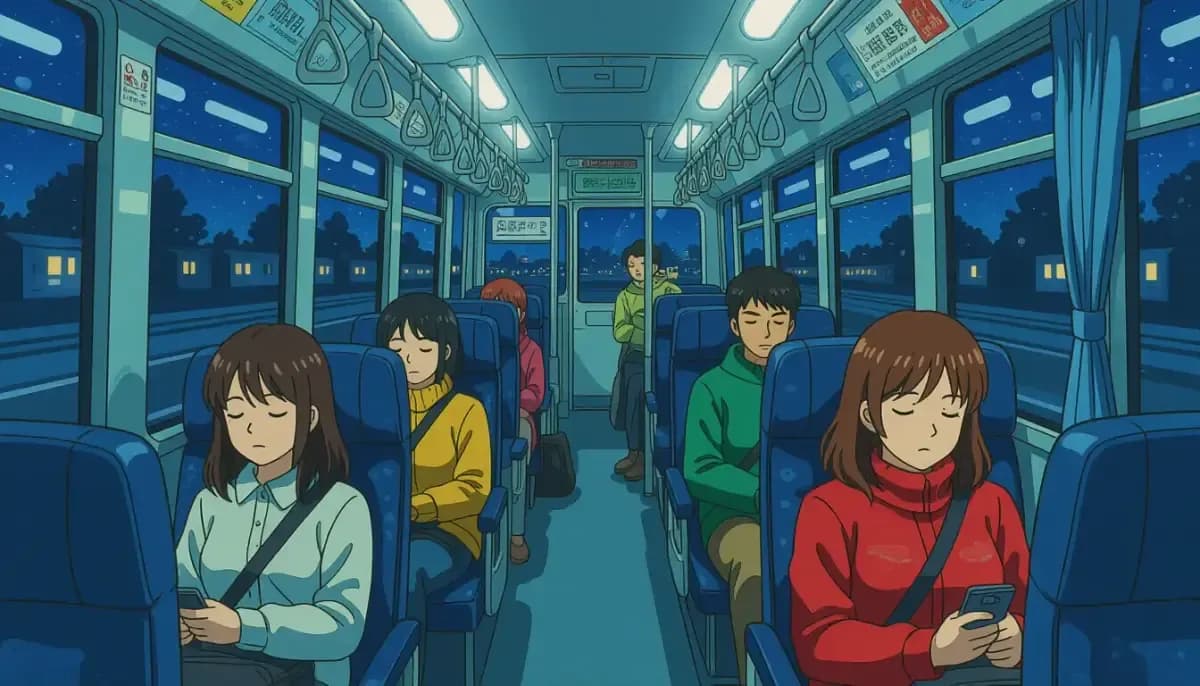
Complete guide to night buses in Japan for foreigners and expats. Prices, routes, booking tips, seat types, and the Japan Bus Pass explained. Save 60-70% vs Shinkansen.
Night Bus Travel in Japan: The Ultimate Budget Guide for Foreigners
If you want to explore Japan without spending a fortune, night buses are one of the smartest moves you can make. A night bus from Tokyo to Osaka costs as little as ¥3,000—roughly one-fifth of what you'd pay for the Shinkansen. Better yet, you travel while you sleep, saving on both transportation and hotel costs in one shot.
This guide covers everything you need to know about riding night buses in Japan as a foreigner: how to book, what to expect, which routes to take, and how to stay comfortable on board.
!Night bus in Japan driving on highway at night

Why Night Buses Are the Best Budget Travel Option in Japan
Japan's highway bus network is one of the most extensive in the world, connecting every prefecture and major city with daily (and nightly) services. Night buses—called 夜行バス (yakou basu)—depart in the evening, typically between 19:00 and midnight, and arrive at their destination the following morning between 5:00 and 8:00 AM.
The math is straightforward. On the popular Tokyo–Osaka route:
| Transport | Price | Travel Time | Saves Hotel? |
|---|---|---|---|
| Night bus (standard) | ¥3,000–¥6,000 | ~8 hours | Yes |
| Night bus (luxury) | ¥6,000–¥10,000 | ~8 hours | Yes |
| Shinkansen (Nozomi) | ¥13,650+ | 2.5 hours | No |
| Daytime highway bus | ¥3,000–¥6,000 | ~8 hours | No |
| Flight (budget) | ¥5,000–¥15,000+ | 1.5 hours + airport time | No |
Beyond saving money, night buses free up your entire day for sightseeing. You arrive in a new city at dawn, fresh (or close enough), with a full day ahead. Many experienced Japan travelers treat them as a core part of their itinerary rather than a compromise.
For a broader look at getting around Japan, see our guide to transportation in Japan for foreigners.
Major Night Bus Routes and Estimated Fares
Japan's bus network is dense, with hundreds of routes operating daily. Here are the most popular routes for travelers:
| Route | Bus Fare Range | Shinkansen Fare | Bus Duration |
|---|---|---|---|
| Tokyo → Osaka | ¥3,000–¥10,000 | ¥14,200 | 8–9 hours |
| Tokyo → Kyoto | ¥3,800–¥9,000 | ¥13,650 | 7–8 hours |
| Tokyo → Fukuoka | ¥11,000–¥16,500 | ¥23,810 | ~14 hours |
| Tokyo → Sendai | ¥2,500–¥5,000 | ¥11,200 | 5–6 hours |
| Osaka → Hiroshima | ¥2,500–¥5,500 | ¥8,340 | 4–5 hours |
| Tokyo → Kanazawa | ¥4,000–¥8,000 | ¥14,120 | 7–8 hours |
Price tip: Fares can drop to as low as ¥2,000 during promotions and off-peak periods. Book in advance for the best deals, but check last-minute slots too—buses sometimes drop prices to fill remaining seats.
For more on budget strategies in Japan, check out our cost of living in Japan guide.
Types of Night Bus Seats: What You're Paying For
Not all night buses are equal. Japanese operators offer a range of seat types at different price points, so it's worth understanding what you get at each level.
!Night bus seat types comparison Japan

Standard (2+2 Layout) — Budget Pick
The most affordable option. Four seats per row with a center aisle. Basic recline, minimal legroom. Fine for shorter routes or if you're a budget-first traveler. Expect to spend ¥3,000–¥5,000 for popular routes.
Semi-Private (2+1 Layout) — Best Value
Three seats per row, with one solo seat on the left side. More legroom, privacy curtains on some services, footrests. Typically ¥5,000–¥8,000. This is the sweet spot for most travelers—you gain significant comfort without paying premium prices.
Premium / "Relax" Class (3+0 or 1+1 Layout) — Best Sleep
Fully reclining or near-flat seats, individual curtains, USB charging ports, reading lights, sometimes blankets and slippers. On services like Willer's "Cocoon" class, seats have shell-like enclosures for near-complete privacy. Expect ¥8,000–¥15,000+.
Sleeper Buses — Rare but Available
True flat-bed buses exist on a handful of routes (notably Kochi–Tokyo). Extremely comfortable, but priced closer to a budget flight. Worth it for very long routes if sleep quality matters to you.
Women-Only Sections
Most major night bus services offer designated women-only seating areas, typically in the rear of the bus. These sections are popular and worth booking early if you want the added peace of mind.
How to Book a Night Bus in Japan (Step by Step)
Booking is straightforward even if you don't read Japanese. Here are the main options:
English-Language Booking Platforms
Willer Express (willer-travel.com/en/) — Japan's largest discount bus operator. English website, wide route coverage, multiple seat classes. Accepts international credit cards.
Kosokubus.com (kosokubus.com/en/) — Aggregator for multiple bus companies. Good for comparing prices across operators on the same route.
Japan Bus Tickets (japan-bus-tickets.com) — Another English-language aggregator with helpful travel tips.
Steps to Book
- Go to your chosen platform and enter departure city, destination, and date
- Compare available buses by price, departure time, seat type, and amenities
- Select your seat (most services let you choose your specific seat)
- Pay by credit card or choose convenience store payment
- Receive your e-ticket by email or as a QR code in the app
- Show your ticket at the bus departure point
Convenience store payment: If you book through Japanese platforms, you can often pay at any 7-Eleven, FamilyMart, or Lawson within 12–48 hours of booking. This is handy if your international card has issues.
For more tips on navigating Japan's transportation system, see Living in Nihon's domestic travel guide.
The Japan Bus Pass: Is It Worth It?
If you're doing a multi-city trip, Willer Express's Japan Bus Pass can be excellent value. The pass is available to all foreign passport holders, including foreigners residing in Japan.
| Pass Type | Mon–Thu Price | All Days Price | Notes |
|---|---|---|---|
| 3-day pass | ¥10,200 | ¥12,800 | Up to 3 buses per day |
| 5-day pass | ¥12,800 | ¥15,300 | Days need not be consecutive |
| 7-day pass | ¥15,300 | N/A | Best for long trips |
Days are flexible: your 5 travel days can be spread across any 2-month period. That means you can take a bus on Day 1, rest for a week, then continue—useful if you're combining buses with other transportation.
Blackout dates: Golden Week (late April–early May) and Obon (early August) are excluded from the pass. These are Japan's peak domestic travel seasons, and buses fill up fast regardless.
Is it worth it? If you're taking 5+ buses over a 2-month trip, yes. A single Tokyo–Osaka bus at ¥5,000 × 5 trips = ¥25,000, versus a 5-day all-days pass at ¥15,300. You save over ¥9,000.
For a broader overview of working out finances in Japan, see our banking and finance guide for foreigners.
Practical Tips for a Comfortable Night Bus Journey
What to Bring
Essentials:
- Neck pillow (game-changer for any bus longer than 4 hours)
- Eye mask and earplugs
- Layers or a light jacket (buses run air conditioning hard)
- Phone charger / portable battery (some buses have USB ports, but not all)
- Snacks and a water bottle
Optional but recommended:
- Noise-canceling headphones
- Face wipes and moisturizer (the air gets dry)
- Pre-downloaded movies or podcasts (Wi-Fi is unreliable)
- A change of clothes in your carry-on bag
Before You Board
- Arrive at the departure point 15–30 minutes early
- Confirm your bus number—multiple buses often depart from the same area around the same time
- Large luggage goes in the compartment under the bus; keep essentials in a small bag at your seat
- If you have a layover or rest stop, always bring your valuables with you
Rest Stops
Night buses typically make 1–2 rest stops at highway service areas (SA) along the route. These stops last 15–20 minutes. Use this time to stretch, use the bathroom, and grab food or coffee. Many highway rest areas have convenience stores open 24/7.
Don't miss the bus back. Set an alarm on your phone for 5 minutes before departure, and note your bus number before stepping off.
After Arrival
You'll typically arrive at a major bus terminal or city center between 5:00 and 8:00 AM. Most coffee shops and convenience stores are open by then. A few useful strategies:
- Find a sento or public bath for a refreshing shower after the overnight journey—many open from 6 AM and cost around ¥500–¥800
- Coin lockers at the terminal let you store your luggage while you explore
- Family restaurants (ファミレス) like Denny's Japan and Jonathan's often serve morning sets from early hours
For advice on navigating daily life in Japan as a foreigner, see our daily life in Japan guide.
Night Buses vs. Other Budget Options: When to Choose What
| Situation | Best Option |
|---|---|
| Tight budget, flexible on time | Night bus |
| Need to arrive quickly (business, events) | Shinkansen or flight |
| Traveling 7+ cities over a month | Japan Bus Pass |
| Short hop (under 2 hours by train) | Local train / highway bus |
| International flight + city transfer | Airport bus or train |
Night buses are not always the right call. If you're traveling during Golden Week, expect buses to fill up months in advance—book early or have a backup plan. During rainy season, road delays can add hours to your journey.
For solo female travelers, the women-only section is a genuine option worth booking. For families, note that night buses can be uncomfortable for young children, and most require passengers to keep noise to a minimum.
Booking Resources and Further Reading
Here's where to book and research:
- Willer Travel — Largest discount bus operator, English site, Japan Bus Pass
- Kosokubus.com — Multi-operator comparison, English support
- Japan Travel Night Bus Guide — Official tourism board guide
- Tokyo Cheapo Highway Bus Guide — Practical tips and route breakdowns
- For Work in Japan — Resources for foreigners working and living in Japan
- Ittenshoku — Career resources for foreigners building a life in Japan
Night buses require a bit of preparation, but once you've done it once, the formula becomes second nature. You'll wonder why you ever paid full Shinkansen prices.
For everything else about getting around Japan, see our complete transportation guide for foreigners in Japan.

Originally from Vietnam, living in Japan for 16+ years. Graduated from Nagoya University, with 11 years of professional experience at Japanese and international companies. Sharing information about living in Japan for foreigners.
View Profile →Related Articles
Walking and Pedestrian Rules in Japan
Learn all the essential walking and pedestrian rules in Japan — from crosswalk laws and sidewalk etiquette to regional escalator customs and common mistakes foreigners make.
Read more →
Domestic Flights in Japan Budget Tips and Deals
Learn how to find cheap domestic flights in Japan. Compare LCCs like Peach and Jetstar vs JAL/ANA, discover special foreigner fares, and get insider booking tips to save big.
Read more →
Best Transit and Navigation Apps in Japan
Discover the best transit and navigation apps for Japan. From Google Maps and Yahoo Transit to Mobile Suica and GO Taxi, master Japan's train system with the right tools.
Read more →
Japan Commuter Pass Teikiken How to Buy and Use
Everything foreigners need to know about Japan's commuter pass (teikiken): how to buy, cost savings, IC card types, employer reimbursement, and practical tips for daily commuters.
Read more →
Buying a Bicycle in Japan Complete Guide
Everything foreigners need to know about buying, registering, and riding a bicycle in Japan — including mamachari types, costs, registration steps, insurance, and 2026 cycling law updates.
Read more →
How to Use Taxis in Japan Tips and Etiquette
Complete guide to using taxis in Japan for foreigners. Learn about automatic doors, fares by city, best apps like GO, payment methods, and essential etiquette rules.
Read more →