
How to Use Taxis in Japan Tips and Etiquette

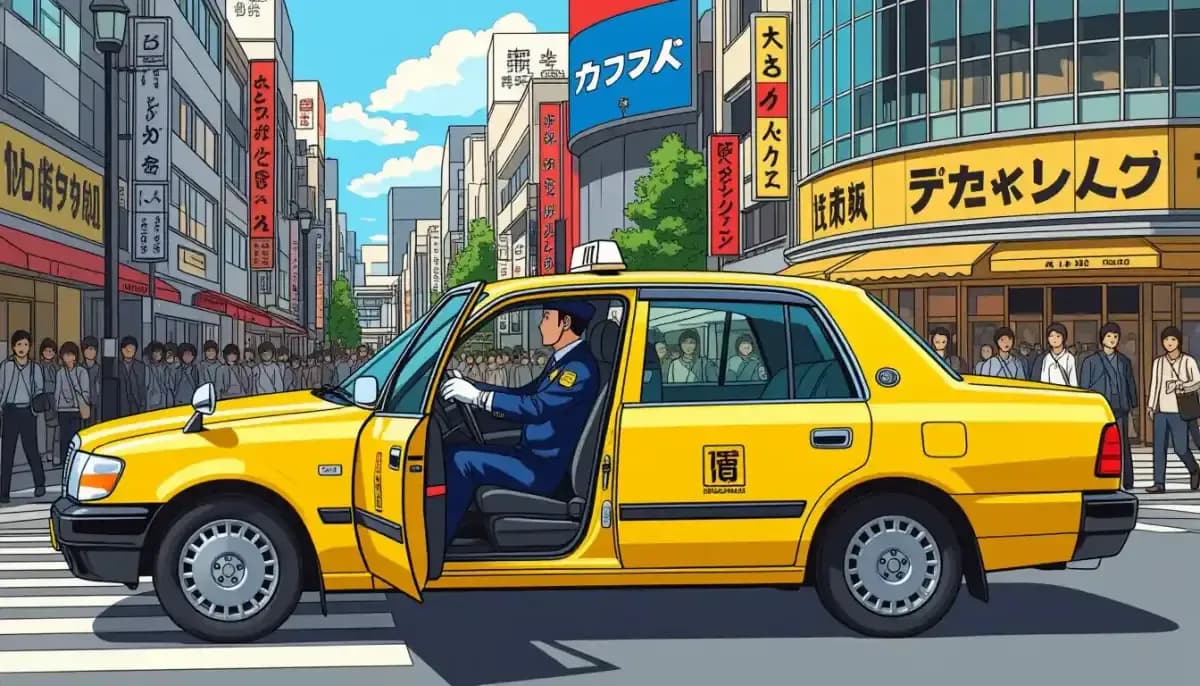
Complete guide to using taxis in Japan for foreigners. Learn about automatic doors, fares by city, best apps like GO, payment methods, and essential etiquette rules.
How to Use Taxis in Japan: Tips, Etiquette, and Everything You Need to Know
Taking a taxi in Japan is one of the most reliable and comfortable ways to get around — but it works quite differently from what most foreigners are used to. From automatic doors that you must never touch, to strict no-tipping rules, Japan's taxi culture has its own unique set of customs. This guide covers everything you need to know to use taxis in Japan confidently and without embarrassing yourself.
!Japanese taxi on Tokyo street with automatic door open

Understanding How Japanese Taxis Work
Japanese taxis are known for their cleanliness, reliability, and professional service. Drivers typically wear white gloves and uniforms, and their vehicles are immaculately maintained. The experience is a step up from what you'll encounter in most countries.
There are a few fundamental things to understand before you get in your first Japanese taxi:
The door opens automatically. The left rear passenger door is controlled remotely by the driver using a lever or button. When the taxi pulls up, the door will swing open by itself. When you're done and exit, it closes on its own. Do NOT touch the door — attempting to open or close it yourself is one of the biggest faux pas you can make, and drivers will often stop you mid-attempt.
Always sit in the back. In Japan, the front passenger seat is left empty unless the backseats are completely full. Hopping in up front like you're old friends with the driver isn't done here.
Tipping is a firm no. Japan has no tipping culture, and offering extra money can come across as rude. Simply say "arigatou gozaimasu" (thank you very much) when you arrive and that's more than enough.
For a broader overview of how to get around Japan, check out our Complete Guide to Transportation in Japan.
How to Hail a Taxi in Japan
Hailing a cab in Japan is straightforward once you know the signals:
- At taxi stands: The easiest option. Stands are almost always located outside train stations and major hotels. Simply queue and wait.
- Flag it down on the street: Raise your hand to signal an available taxi. Look for the indicator light — a red light (空車, kuusha) means the taxi is available, while a green light (賃走, chinsouu) means it's occupied.
- Via taxi app: In cities, booking through an app is increasingly popular (more on this below).
- Through your hotel: Ask the front desk to call a taxi for you. Note that a small dispatch fee may apply.
One important thing: always hail a taxi at a safe spot. Trying to flag one in a narrow lane, in front of a convenience store entrance, or in a no-stopping zone won't work and may confuse the driver.
Communicating Your Destination
This is where many foreigners trip up. Japan's address system is notoriously complex — even many Japanese residents struggle with it. Here's how to handle it:
- Show the address on your phone — Use Google Maps to navigate to your destination and show the map pin or address to the driver.
- Write it in Japanese — If you know your destination, write the Japanese address on paper or use your phone's Japanese keyboard.
- Name a major landmark — Large hotels, train stations, and shopping centers are well-known. Saying "Shinjuku Station east exit" (Shinjuku-eki higashi-guchi) works perfectly.
- Use the destination search in a taxi app — Apps like GO let you enter your destination digitally, so the driver knows exactly where to go.
Most taxi drivers in Japan do not speak English, especially outside major tourist areas. Don't count on verbal communication working smoothly. Always have a written destination ready.
Taxi Fares in Japan: What You'll Pay
Taxi fares in Japan are regulated by the Ministry of Land, Infrastructure, Transport and Tourism (MLIT), so prices are consistent within each city. There are no surprise charges or negotiated fares — everything goes on the meter.
| City | Flag-Drop (Initial Fare) | Per Additional km | Night Surcharge (22:00–05:00) |
|---|---|---|---|
| Tokyo | ¥500 (~1.1 km) | ~¥400/km | +20% |
| Osaka | ¥600 (~1.5 km) | ~¥350/km | +20% |
| Kyoto | ¥500 (~1.3 km) | ~¥370/km | +20% |
| Hiroshima | ¥750 (~2 km) | ~¥300/km | +20% |
| Okinawa | ¥600 (~1.5 km) | ~¥330/km | +20% |
A few things to keep in mind:
- Time charges apply when traffic slows below 10 km/h. In Tokyo, it's approximately ¥100 per 1 minute 35 seconds of slow travel.
- Long-distance discount: A 10% discount applies to the metered amount above ¥9,000.
- Winter surcharges apply in Hokkaido and some northern regions during December–February (typically +20%).
- Typical urban trip: A 10–15 minute ride in central Tokyo usually costs ¥1,500–¥2,500.
For more context on the cost of living and transportation budgeting in Japan, see our Complete Guide to Cost of Living in Japan.
Payment: Cash, Cards, and IC Cards
Japan has traditionally been a cash-heavy society, but taxi payments have modernized significantly. As of 2025, 99.4% of taxis in Tokyo accept cashless payments.
Accepted payment methods in most taxis:
- Cash (yen only)
- Credit cards (Visa, Mastercard, JCB, AMEX in most cases)
- IC cards: Suica, PASMO, ICOCA, and other transit cards
- QR code payments: PayPay, LINE Pay, and similar apps (in select taxis)
- In-app payment when booking through taxi apps
Look for stickers on the taxi door or window that indicate which payment methods are accepted. If you're planning to pay by credit card, it's polite to mention this before the ride starts (kaado de ii desu ka? — "Is card okay?") to avoid any confusion at the end.
When paying in cash, try not to hand over a large bill for a small fare. ¥10,000 for a ¥700 ride is technically fine, but it's appreciated to use smaller denominations when possible.
For more on managing money in Japan, our Complete Guide to Banking and Finance in Japan is worth a read.
!Tokyo taxi at night with illuminated sign showing vacancy

Best Taxi Apps in Japan
Booking a taxi through an app is the easiest and most stress-free way to travel — you can input your destination in English, pay in-app, and track your driver in real time.
GO (ゴー): The dominant app in Japan with approximately 80% market share among major taxi apps. Available across all 47 prefectures, it supports English and accepts overseas phone numbers and credit cards. It's the go-to recommendation for most foreigners.
Uber Taxi: Not a private car service in Japan — Uber here dispatches licensed taxis. Available in Tokyo, Osaka, Kyoto, and select other cities. The familiar interface makes it popular with international visitors.
S.RIDE: Tokyo-focused with a clean interface. Good for quick local dispatch in the capital.
DiDi: Strong coverage in Kansai (Osaka, Kyoto, Kobe) and expanding to other regions. Frequently offers discount codes for new users.
All major apps have English-language interfaces and allow you to pay without handling cash, making them ideal for foreigners who haven't mastered the language yet.
For more about using apps and navigating daily life in Japan, see our Complete Guide to Daily Life in Japan.
Key Etiquette Rules for Taxis in Japan
Beyond the automatic door rule, there are several other etiquette points worth knowing:
- Wear your seatbelt. It's legally required in Japan. Drivers are required to ask passengers to buckle up.
- No eating or drinking inside the taxi. It's considered messy and disrespectful of the driver's clean vehicle.
- No smoking. All taxis in Japan are non-smoking.
- Umbrellas go in the trunk. If it's raining, the driver may offer to put your wet umbrella in the trunk to keep the interior dry.
- Keep noise down. Loud phone calls or rowdy behavior are frowned upon.
- Ask for a receipt. Say reshiito o kudasai (レシートをください) if you need one. Receipts are useful for expense claims and also serve as proof if you lose something — lost items can often be recovered through the taxi company's lost-and-found system.
Airport Taxis and Fixed-Rate Services
For travel between airports and city centers, many taxi companies offer flat-rate (fixed-price) services. These are booked in advance and eliminate meter anxiety on long rides.
Tokyo:
- Fixed-rate taxis to/from Haneda Airport cover central Tokyo zones for set prices.
- Narita Airport fixed rates are available but tend to be expensive (~¥20,000+ to central Tokyo). The train is usually a better option for Narita.
Osaka:
- Fixed-rate taxis connect Kansai International Airport (KIX) to central Osaka.
Note that highway tolls are almost always charged separately, on top of the flat rate. Make sure to confirm this before booking.
Is Taking a Taxi in Japan Safe?
Absolutely. Japan has some of the lowest crime rates in the world, and licensed taxi drivers are vetted and regulated. You don't need to worry about scams, overcharging, or unsafe driving in standard situations.
One thing to be aware of: unlicensed taxis (white-plate cars) occasionally appear near popular tourist spots, offering rides for cash. Always use green-plated taxis — the license plate color of licensed commercial vehicles in Japan is green. If someone approaches you offering a "private" taxi, politely decline.
For tips on staying safe in Japan more broadly, see our Complete Guide to Safety and Emergency Preparedness in Japan.
Useful Japanese Phrases for Taxi Rides
You don't need to be fluent, but a few key phrases go a long way:
| English | Japanese | Pronunciation |
|---|---|---|
| Please take me to [place] | [場所]までお願いします | [basho] made onegaishimasu |
| Please go straight | まっすぐ行ってください | massugu itte kudasai |
| Please turn left/right | 左/右に曲がってください | hidari/migi ni magatte kudasai |
| Please stop here | ここで止めてください | koko de tomete kudasai |
| Is card payment okay? | カードで払えますか? | kaado de haraemasu ka? |
| Please give me a receipt | レシートをください | reshiito o kudasai |
| Thank you very much | ありがとうございました | arigatou gozaimashita |
Showing the driver a map on your phone is always the safest way to communicate your destination, but these phrases help for mid-ride adjustments.
Additional Resources
For comprehensive transportation information in Japan — including trains, buses, and cycling — the Japan Transportation Guide on Living in Nihon is an excellent resource for foreigners setting up life here.
If you're relocating to Japan and want to understand how transportation fits into your daily commute and housing decisions, the Housing and Living Infrastructure Guide on For Work in Japan covers the full picture.
For more details on taxi apps, fees, and ride-hailing options, Japan Handbook's taxi guide is thorough and up to date.
The official Japan National Tourism Organization taxi overview also provides useful quick-reference information.
For a broader context on Japanese customs and how they apply to everyday situations like taxi rides, our Complete Guide to Japanese Culture and Etiquette is a must-read for anyone new to Japan.
If you are considering a career move to Japan or want to understand the job market while you settle in, Ittenshoku offers resources and job listings for those looking to work in Japan.
For detailed taxi fare calculations across different cities and routes, Japan Guide's taxi overview provides an excellent reference.

Originally from Vietnam, living in Japan for 16+ years. Graduated from Nagoya University, with 11 years of professional experience at Japanese and international companies. Sharing information about living in Japan for foreigners.
View Profile →Related Articles
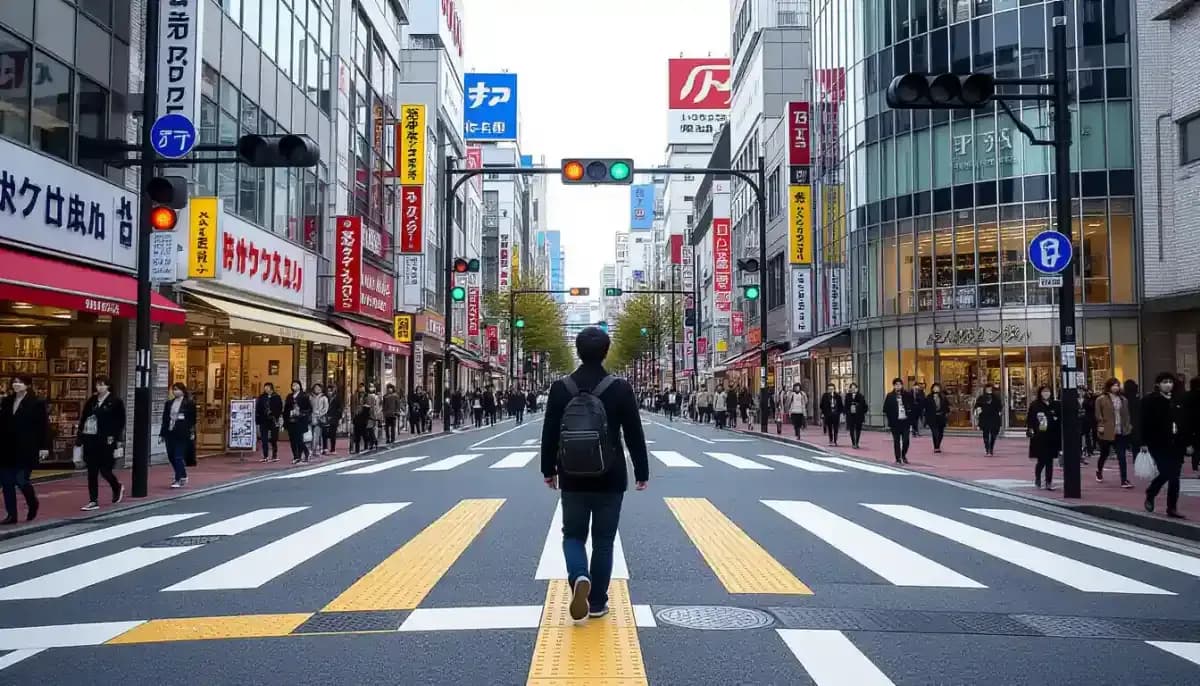
Walking and Pedestrian Rules in Japan
Learn all the essential walking and pedestrian rules in Japan — from crosswalk laws and sidewalk etiquette to regional escalator customs and common mistakes foreigners make.
Read more →
Domestic Flights in Japan Budget Tips and Deals
Learn how to find cheap domestic flights in Japan. Compare LCCs like Peach and Jetstar vs JAL/ANA, discover special foreigner fares, and get insider booking tips to save big.
Read more →
Night Bus Travel in Japan Budget Guide
Complete guide to night buses in Japan for foreigners and expats. Prices, routes, booking tips, seat types, and the Japan Bus Pass explained. Save 60-70% vs Shinkansen.
Read more →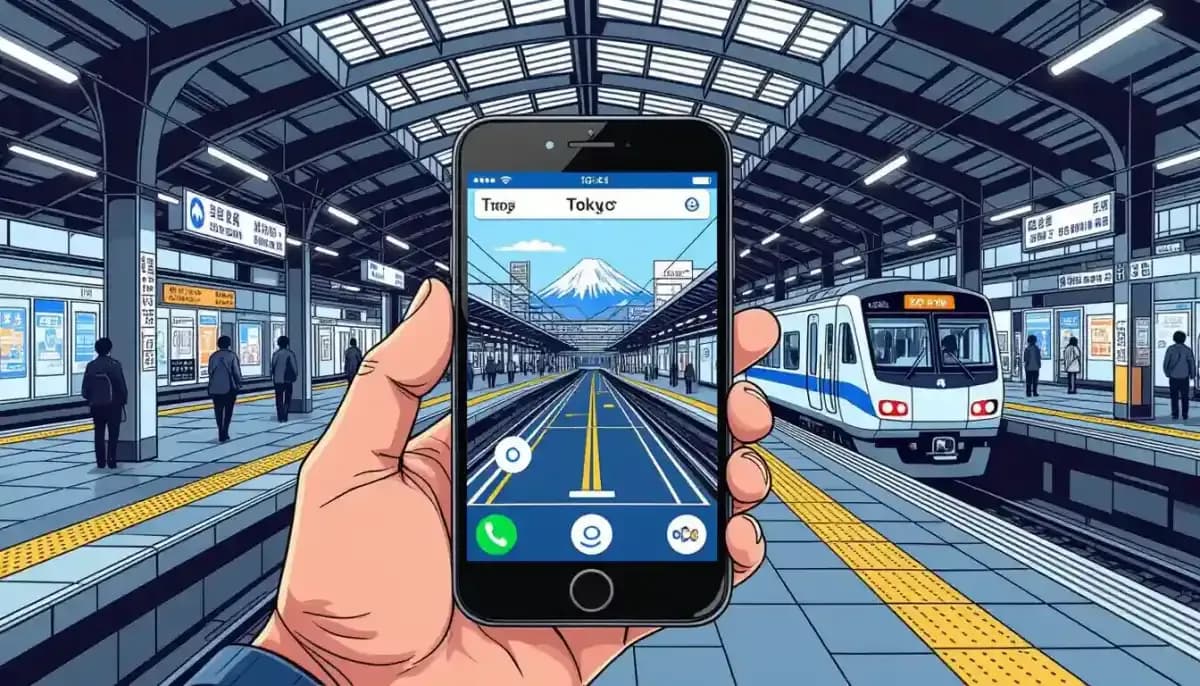
Best Transit and Navigation Apps in Japan
Discover the best transit and navigation apps for Japan. From Google Maps and Yahoo Transit to Mobile Suica and GO Taxi, master Japan's train system with the right tools.
Read more →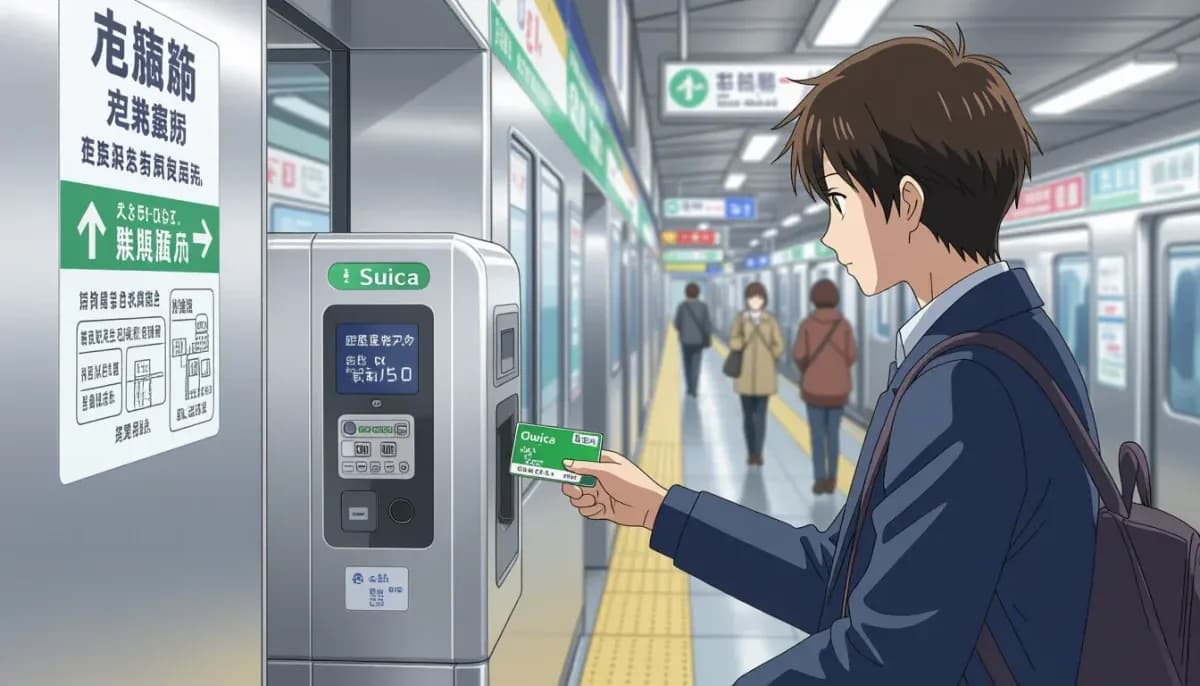
Japan Commuter Pass Teikiken How to Buy and Use
Everything foreigners need to know about Japan's commuter pass (teikiken): how to buy, cost savings, IC card types, employer reimbursement, and practical tips for daily commuters.
Read more →
Buying a Bicycle in Japan Complete Guide
Everything foreigners need to know about buying, registering, and riding a bicycle in Japan — including mamachari types, costs, registration steps, insurance, and 2026 cycling law updates.
Read more →