
Buying a Bicycle in Japan Complete Guide

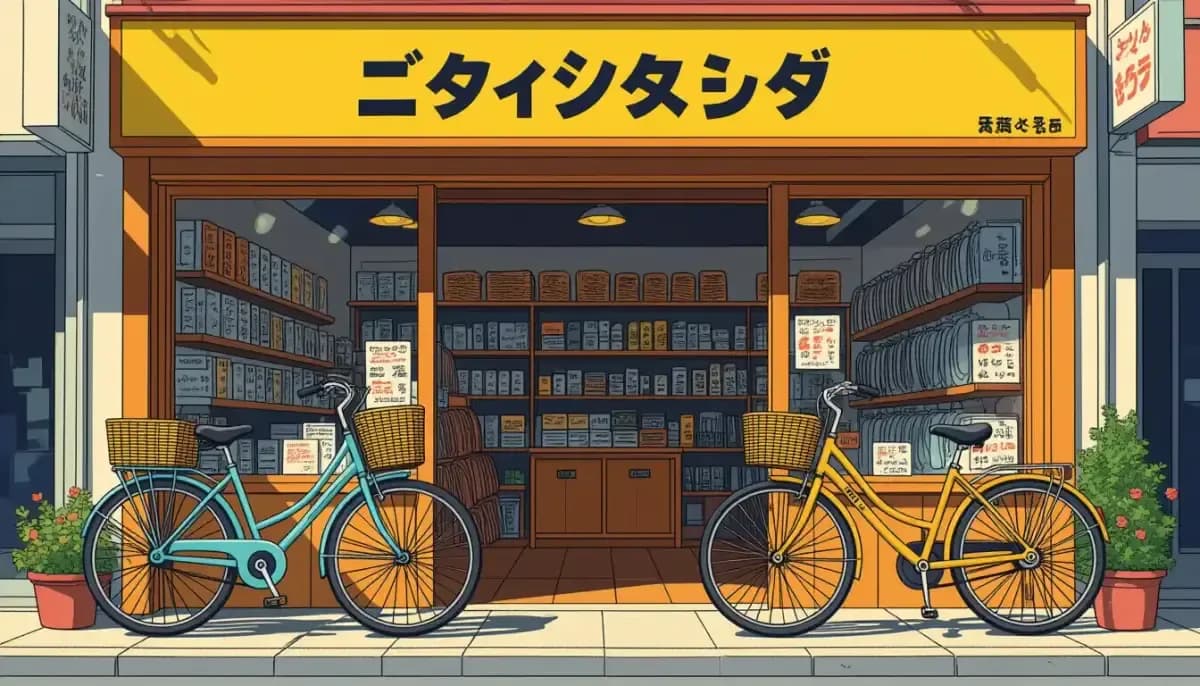
Everything foreigners need to know about buying, registering, and riding a bicycle in Japan — including mamachari types, costs, registration steps, insurance, and 2026 cycling law updates.
Buying a Bicycle in Japan: The Complete Guide for Foreigners
Cycling is one of the most popular and practical ways to get around in Japan. Whether you are commuting to work, running errands, or simply exploring your neighborhood, owning a bicycle can significantly improve your daily life. Japan has a deeply ingrained cycling culture, and you will quickly notice thousands of bicycles parked outside train stations, supermarkets, and apartment buildings every day. This guide covers everything foreigners need to know about buying, registering, insuring, and riding a bicycle in Japan safely and legally.
Types of Bicycles Available in Japan
Japan offers a wide variety of bicycles to suit different lifestyles, budgets, and terrain. Understanding the main types will help you make the right choice for your needs.
The mamachari (ママチャリ) is the quintessential Japanese city bike. Literally meaning "mama's chariot," it features an upright riding position, a front basket, a rear rack, a built-in wheel lock, and often a dynamo headlight. Mamachari bikes are ideal for flat urban commuting and short trips to the supermarket. They are sturdy, low-maintenance, and extremely common throughout Japan.
Road bikes and mountain bikes are popular among fitness enthusiasts and those who enjoy weekend rides. These bikes offer better performance but tend to cost significantly more than a basic mamachari.
Electric-assist bicycles (電動自転車, denki jitensha) are increasingly popular, especially for riders who deal with hills or carry children. They are more expensive but make longer commutes much easier. Many models come with child seats, making them a favorite among parents.
Folding bicycles are a great option if you live in a small apartment or want the flexibility to carry your bike on trains during non-peak hours.
| Type | Typical Price (New) | Best For |
|---|---|---|
| Mamachari (city bike) | ¥10,000–¥25,000 | Daily commuting, errands |
| Road bike | ¥30,000–¥100,000+ | Fitness, longer distances |
| Mountain bike | ¥25,000–¥80,000+ | Trails, rough terrain |
| Electric-assist bike | ¥50,000–¥150,000 | Hills, carrying children |
| Used bicycle | ¥3,000–¥15,000 | Budget-friendly commuting |
| Folding bike | ¥20,000–¥80,000 | Apartments, mixed commutes |
Where to Buy a Bicycle in Japan
There are several excellent options for purchasing a bicycle in Japan, ranging from large chain stores to online marketplaces and secondhand shops.
Large bicycle and sporting goods chains such as Asahi, Cycle Base Asahi (あさひ), Y's Road, and Sports Depo offer a wide selection of bikes for all budgets. These stores are found in most cities and offer after-sales service, repairs, and accessories. Staff are generally helpful, and some locations have English-speaking employees.
Home improvement and electronics superstores like Don Quijote (Donki), Yamada Denki, and Nitori sometimes carry basic mamachari models at competitive prices.
Online shopping through Amazon Japan and Rakuten is a popular option, especially for those living in areas without nearby bike shops. Prices often start around ¥10,000 for entry-level models. However, buying online means you will need to assemble the bike yourself or pay a shop to do it, and you will also need to handle registration separately.
Local bike shops near train stations are often the most practical option. Staff can help fit you to the right size bike, and they typically handle registration paperwork on your behalf. Prices at local shops tend to be around ¥3,000 less than buying online when you factor in shipping and assembly costs.
Secondhand bicycles are available through:
- Recycle shops (リサイクルショップ) such as Hard Off and Off House
- Flea market apps like Mercari and Jimo-tomo
- Local Facebook groups and community forums
- Colleagues or neighbors who are moving out
When buying used, always check the bike's registration status. A bicycle registered to someone else can cause serious problems — always ensure proper ownership transfer is completed.
For broader tips on getting around in Japan, see our guide on Transportation in Japan for Foreigners.
Mandatory Bicycle Registration in Japan
One of the most important steps after purchasing a bicycle in Japan is registration. Bicycle registration is legally required for all bicycles ridden on public roads in Japan. This system, known as jitensha bouhan touroku (自転車防犯登録), was created primarily to combat bicycle theft — which, despite Japan's overall low crime rate, remains a surprisingly common problem.
For new bicycles:
- The bike shop will usually handle registration for you at the time of purchase
- You fill out a form with your name, address, phone number, and the bicycle's serial number
- You pay a registration fee (around ¥500–¥660 depending on the prefecture)
- You receive a registration sticker to attach to the bicycle frame
- The information is submitted to the police database
For used bicycles: The process is slightly more complex. You will need:
- The previous owner's registration certificate
- A change of ownership form signed by the previous owner
- Your own ID (residence card / zairyu card)
- The ¥500 registration fee
The best place to complete this is at your nearest koban (交番, police box) or at a registered bicycle shop. Both buyer and seller going together to the police box makes the process smoother. If you buy a used bike without completing this transfer, you could be stopped by police and suspected of riding a stolen bicycle.
For more on navigating Japanese bureaucracy as a foreigner, check out our Daily Life in Japan Guide for Foreigners.
Bicycle Insurance in Japan
While bicycle insurance is not required nationwide, several prefectures including Tokyo have made bicycle liability insurance mandatory for all riders. Even in areas where it is not legally required, having insurance is strongly recommended.
Japanese cycling accidents can result in enormous compensation claims. There have been cases where cyclists who caused accidents resulting in serious injury were ordered to pay tens of millions of yen in damages. Standard homeowner's insurance and renters' insurance policies in Japan often include personal liability coverage that covers cycling accidents — check your existing policy first.
Dedicated bicycle insurance typically costs under ¥5,000 per year and covers:
- Injury or property damage you cause to others
- Medical expenses for your own injuries (with some plans)
- Theft protection (with some plans)
To find bicycle insurance options, search for jitensha hoken (自転車保険) online. Policies are available from major insurance companies as well as convenience stores like 7-Eleven and Lawson, which sell monthly bicycle insurance cards.
Japanese Cycling Laws and Rules (Including 2026 Updates)
Japan has clear rules governing how cyclists must behave on public roads. Violations can result in fines, and since 2026, a new blue ticket system (青切符) applies to cyclists — meaning police can now issue on-the-spot fines for a wider range of cycling offenses.
Core cycling rules in Japan:
- Keep left — Cyclists must ride on the left side of the road
- Sidewalks are generally off-limits — Bicycles belong on the road, except where signs explicitly permit sidewalk cycling, or if you are under 13, over 70, or have a physical disability
- No riding under the influence — Drunk cycling can result in fines up to ¥1,000,000 or up to 5 years imprisonment
- No headphones, phone use, or umbrella while riding — These are illegal and dangerous
- Front light required at night — All bicycles must have a working front lamp after dark
- Rear reflector required — A rear reflector or tail light is mandatory
- Use designated bicycle parking — Illegally parked bicycles will be impounded, and you will need to pay a fee to retrieve them
New rules effective April 2026:
- The blue ticket system now allows police to issue fines directly to cyclists for violations such as running red lights, riding on wrong side of road, and using a smartphone while cycling
- Motorists are now required to pass cyclists at a safe distance and speed, similar to road-sharing rules in Europe; failure to comply results in fines of ¥5,000–¥9,000
In 2024, Japan recorded over 67,000 bicycle-related traffic accidents, with more than 80% of fatal cases involving a cyclist who had violated traffic laws. Following the rules is not just a legal requirement — it is essential for your safety.
For broader information on safety in Japan, visit our Safety and Emergency Preparedness Guide.
Bicycle Parking in Japan
Finding safe and legal bicycle parking in Japan requires some awareness, especially in busy urban areas.
Most train stations have designated bicycle parking areas (駐輪場, chuurinjou). Some are free, while others charge a small daily or monthly fee (typically ¥100–¥300 per day or ¥1,000–¥3,000 per month). Underground automated parking facilities exist at major stations in cities like Tokyo and Osaka.
Leaving your bicycle in prohibited areas — even briefly — can result in it being towed. To retrieve an impounded bicycle, you must go to the collection center and pay a fine (typically ¥2,000–¥3,000). The collection center is often some distance from where your bike was parked, so avoiding this situation is well worth the effort.
Look for signs with a bicycle symbol and a red X, which indicate no-parking zones. Green bicycle symbols typically indicate permitted parking areas.
Useful Resources for Cyclists in Japan
For more detailed guidance on living in Japan, the following resources are highly recommended:
- Living in Nihon — Comprehensive guides for foreigners navigating life in Japan
- For Work in Japan – Housing & Living Guide — Practical information on commuting and daily life infrastructure for foreign workers
- Ittenshoku — Resources for foreigners building a career and life in Japan
- GaijinPot – Getting a Bicycle in Japan — A practical overview of purchasing options and registration
- New Bike Laws in Japan (2026) — Explanation of the 2026 blue ticket system and updated cycling rules
You may also want to explore our articles on Shopping in Japan for Foreigners and the Cost of Living in Japan Guide for more context on managing everyday expenses.
Tips for Foreigners Buying Their First Bicycle in Japan
Here are some practical tips to make your bicycle purchase smooth and stress-free:
Choose the right size. Japanese bicycle sizing can differ from Western norms. Always test ride before buying if possible, and confirm the frame and wheel size suits your height.
Get a good lock — or two. Bicycle theft is the most common type of property crime in Japan. A basic wheel lock is built into most mamachari models, but adding a separate U-lock or chain lock significantly reduces risk.
Register immediately. Do not delay registration. If your unregistered bike is checked by police, you could face questioning or have your bike confiscated.
Keep your registration card safe. This document proves ownership and is essential if your bike is stolen or if you ever need to transfer ownership.
Budget for accessories. A bell is legally required on bicycles in Japan. A front light, rear reflector, lock, and rain cover for the seat are practical additions that will serve you well throughout the year.
Consider the seasons. Japan's rainy season (June–July) and winter conditions in northern regions can affect your cycling comfort. Fender guards, waterproof bags, and warm handlebar covers are popular accessories.
Owning a bicycle in Japan is one of the simplest ways to integrate into the rhythm of daily Japanese life. With the right bike, proper registration, and knowledge of local rules, you can enjoy safe, affordable, and convenient travel throughout your time in Japan.

Originally from Vietnam, living in Japan for 16+ years. Graduated from Nagoya University, with 11 years of professional experience at Japanese and international companies. Sharing information about living in Japan for foreigners.
View Profile →Related Articles
Walking and Pedestrian Rules in Japan
Learn all the essential walking and pedestrian rules in Japan — from crosswalk laws and sidewalk etiquette to regional escalator customs and common mistakes foreigners make.
Read more →
Domestic Flights in Japan Budget Tips and Deals
Learn how to find cheap domestic flights in Japan. Compare LCCs like Peach and Jetstar vs JAL/ANA, discover special foreigner fares, and get insider booking tips to save big.
Read more →
Night Bus Travel in Japan Budget Guide
Complete guide to night buses in Japan for foreigners and expats. Prices, routes, booking tips, seat types, and the Japan Bus Pass explained. Save 60-70% vs Shinkansen.
Read more →
Best Transit and Navigation Apps in Japan
Discover the best transit and navigation apps for Japan. From Google Maps and Yahoo Transit to Mobile Suica and GO Taxi, master Japan's train system with the right tools.
Read more →
Japan Commuter Pass Teikiken How to Buy and Use
Everything foreigners need to know about Japan's commuter pass (teikiken): how to buy, cost savings, IC card types, employer reimbursement, and practical tips for daily commuters.
Read more →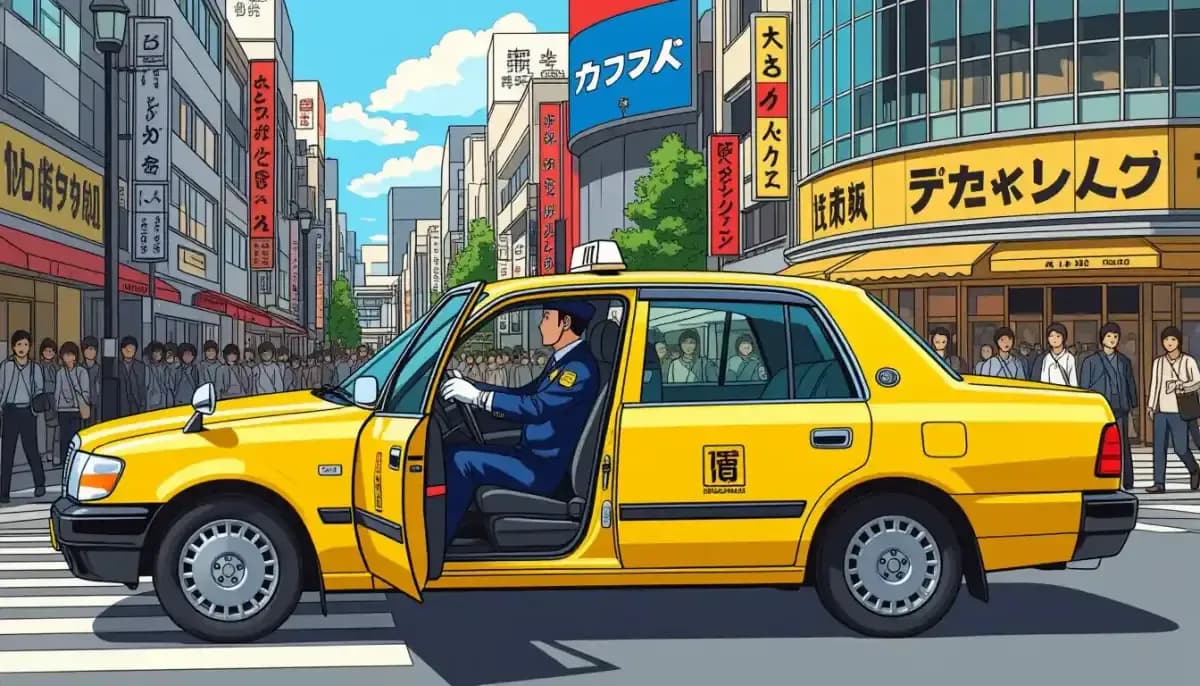
How to Use Taxis in Japan Tips and Etiquette
Complete guide to using taxis in Japan for foreigners. Learn about automatic doors, fares by city, best apps like GO, payment methods, and essential etiquette rules.
Read more →