


Japanese Drug Stores Best Products and Tips
Discover the best Japanese drug store products, top chains like Matsumoto Kiyoshi and Welcia, must-buy skincare and health items, and essential shopping tips for foreigners and expats in Japan.
Read more →
Everything foreigners need to know about shopping in Japan: tax-free shopping, best districts, payment methods, point cards, sale seasons, and consumer tips for expats and tourists.
Japan is one of the world's premier shopping destinations, offering an extraordinary mix of ultra-modern electronics, traditional crafts, fast fashion, and gourmet food — all at prices that can be remarkably competitive, especially when you factor in the tax-free shopping system. Whether you're a long-term expat stocking up on daily essentials or a tourist hunting for the perfect souvenir, understanding how shopping works in Japan will save you money and make the experience far more enjoyable.
In 2025, international visitors to Japan spent a record 9.5 trillion yen, with shopping alone accounting for 2.5 trillion yen — a 6.4% increase from the previous year. It's no surprise: Japan's retail landscape is simply unlike anywhere else in the world.
!Shopping street in Japan with colorful stores and signs
Before diving into where and how to shop, it helps to understand the different types of retail environments you'll encounter as a foreigner in Japan.
Japan has over 56,000 convenience stores nationwide — more per capita than almost any other country. The major chains (7-Eleven, FamilyMart, Lawson) are open 24 hours and offer far more than snacks. You can pay utility bills, send packages, print documents, buy tickets, and pick up freshly prepared meals. For daily life essentials, your local konbini will become your best friend.
Japanese supermarkets stock fresh produce, meats, seafood, and prepared foods at reasonable prices. A useful tip: many supermarkets mark down perishable items significantly in the hours before closing (typically 6–8 PM). Look for orange or yellow discount stickers — you can often get bento boxes, sushi, and prepared foods for 30–50% off.
Japanese department stores like Isetan, Takashimaya, and Mitsukoshi are temples of retail excellence. They typically occupy multiple floors, with luxury brands on upper levels and the famous depachika (basement food hall) below ground. The depachika features premium bento boxes, regional specialty foods, wagashi (traditional sweets), and gourmet groceries that make excellent gifts. Most major department stores offer tax-free services for foreign visitors.
Chains like Daiso, Seria, and Can Do offer an incredible range of products at just 110 yen (including 10% consumption tax). The quality is surprisingly high — from kitchen utensils and stationery to seasonal decorations and cosmetics. If you're setting up a new home in Japan, a 100 yen shop is your first stop.
Don't let the name fool you — Japanese drug stores like Matsumoto Kiyoshi, Welcia, and Tsuruha are one-stop shops for cosmetics, skincare, health supplements, snacks, cleaning products, and yes, medicine. Many carry popular Japanese skincare brands at prices significantly lower than abroad. These stores are especially popular with international visitors looking for Japanese beauty products.
Akihabara in Tokyo and Den Den Town in Osaka are legendary electronics districts. Major chains like Yodobashi Camera, Bic Camera, and Yamada Denki offer everything from the latest smartphones to home appliances. Uniquely in Japan, price negotiation is acceptable at electronics stores — especially for large appliances. You can often get a discount of 5–10% by simply asking politely. These stores also offer generous point card reward programs, often giving back 10%+ on appliance purchases.
One of the biggest advantages of shopping in Japan as a foreigner is the tax-free system. Japan's consumption tax is 10% (8% for food and beverages), and eligible foreign visitors can shop completely tax-free.
| Category | Minimum Purchase (pre-tax) | Maximum Per Day |
|---|---|---|
| General goods (electronics, clothing, bags) | ¥5,000 | No limit |
| Consumables (food, cosmetics, medicine) | ¥5,000 | ¥500,000 |
| Combined (general + consumables) | ¥5,000 total | — |
Look for the "Japan Tax-Free Shop" logo displayed at the entrance. When making your purchase:
The current tax-free system is changing. From November 1, 2026, Japan will switch to an airport refund model: you'll pay the full tax-inclusive price at the shop, then claim your refund at the airport after clearing customs on departure. This eliminates the minimum purchase threshold but also means you need to carry goods out of the country to receive the refund. Plan ahead if you're visiting before this change takes effect.
For more details, visit the official Japan Tourism Organization tax exemption guide.
Akihabara — The undisputed capital of electronics, anime merchandise, and gaming culture. Multiple floors of gadgets, retro games, figurines, and otaku goods. Many stores cater specifically to international visitors with multilingual staff.
Shibuya & Harajuku — Fashion central. Shibuya 109 for trendy youth fashion, Omotesando for luxury brands, and Takeshita Street in Harajuku for quirky, colorful streetwear. The Shibuya Hikarie and Shibuya Scramble Square shopping complexes offer premium retail across dozens of floors.
Shinjuku — From the luxury brands in Isetan to the massive Yodobashi Camera store, Shinjuku has it all. The underground shopping arcades connecting Shinjuku Station are a labyrinth of fashion, food, and sundries.
Ginza — Tokyo's equivalent of Fifth Avenue. International luxury brands, high-end Japanese department stores, and galleries. The Ginza Six complex opened in 2017 and remains one of the most sophisticated shopping destinations in Asia.
Asakusa — Traditional crafts, kimono accessories, sensu (folding fans), and chopstick sets. The Nakamise shopping street leading to Senso-ji Temple is packed with souvenir shops — great for omiyage (gift-giving).
Shinsaibashi & Dotonbori — The heart of Osaka shopping, running from the upscale Shinsaibashisuji covered arcade to the neon-lit canal district of Dotonbori. You'll find everything from major fashion chains to local Osaka specialties.
Nipponbashi (Den Den Town) — Osaka's answer to Akihabara. Electronics, anime goods, and retro gaming.
Namba Parks — A modern shopping complex with rooftop gardens, anchored by a mix of international and Japanese brands.
Japan is still a cash-heavy society, though this is changing rapidly. Here's what you need to know:
| Payment Method | Acceptance | Best For |
|---|---|---|
| Cash (Yen) | Near universal | Small shops, local markets, vending machines |
| Credit cards (Visa/Mastercard) | Most major retailers | Department stores, electronics, hotels |
| IC Cards (Suica, PASMO) | Growing rapidly | Convenience stores, transit, some restaurants |
| QR codes (PayPay, LINE Pay) | Increasingly common | Restaurants, small shops |
| JCB / Amex | Select retailers | Luxury brands, some department stores |
Pro tip: Always carry at least ¥10,000–¥20,000 in cash. Many small restaurants, local shops, and traditional establishments are cash-only. Japan Post Bank and 7-Eleven ATMs accept most international cards.
For more on managing your money in Japan, see our guide on banking and finance in Japan for foreigners.
Japan's point card culture is extensive. Sign up for as many as you can — they add up quickly:
| Program | Partner Stores | Typical Return |
|---|---|---|
| Rakuten Points | Rakuten Ichiba, Lawson, McDonald's | 1–3% |
| T-Point | FamilyMart, TSUTAYA, Denny's Japan | 0.5–1% |
| d-Point (NTT Docomo) | Lawson, McDonald's, many shops | 1% |
| Ponta Points | Lawson, KFC, Mos Burger | 1% |
| WAON (Aeon) | Aeon supermarkets and malls | 0.5% |
| Nanaco (7-Eleven) | 7-Eleven stores | 0.5% |
Most point cards are free to obtain. Some require a Japanese phone number for registration. Even if you're only in Japan for a few weeks, the points from a few electronics purchases can be substantial.
Timing your shopping around Japan's sale seasons can save you significant money:
| Month | Event | Typical Discounts |
|---|---|---|
| January 1–2 | Fukubukuro (Lucky Bags) | 50–80% off retail value |
| January (mid) | Winter clearance begins | 20–50% |
| March | Spring settlement sales | 20–40% |
| July | Summer clearance | 30–70% |
| September | Fall/autumn sales | 20–40% |
| November | Black Friday (increasingly popular) | 20–50% |
| December | Christmas and year-end sales | 20–40% |
Fukubukuro (lucky bags) deserve special mention. Sold on January 1st and 2nd, these sealed bags contain products worth 2–5x the purchase price. Major brands like Apple, Uniqlo, and luxury fashion houses all participate. Lines form hours before stores open — some people camp overnight.
!Japanese lucky bag fukubukuro New Year sale
Japan's retail culture has its own set of unwritten rules. Following them will make your experience smoother:
At the register:
In the store:
Negotiating prices:
Tipping:
For more on Japanese etiquette, see our guide on Japanese culture and etiquette for foreigners.
Setting up online shopping in Japan opens up an entirely new world of deals and convenience:
Amazon Japan (amazon.co.jp) — Fully functional with English language support available. Prime membership includes fast delivery (often next day or same day in major cities). International residents can use their existing Amazon account and link a Japanese address.
Rakuten Ichiba — Japan's largest domestic marketplace. Less foreigner-friendly than Amazon, but prices are often lower. Periodic "Rakuten Super Sale" events offer massive discounts plus bonus Rakuten Points.
Yahoo! Shopping (shopping.yahoo.co.jp) — Another major platform with competitive pricing, especially during PayPay linked promotions.
Mercari — Japan's leading secondhand marketplace app. Incredible for finding gently used clothing, home goods, electronics, and collectibles at a fraction of retail price. The app now has an English version.
Zozotown — Japan's premier fashion marketplace, carrying hundreds of Japanese brands. Limited English support but navigable with browser translation.
For secondhand goods in person, Hard Off / Book Off / Mode Off chains (all owned by the same company) offer carefully graded used electronics, books, clothing, and furniture at excellent prices.
Most major cities have international supermarkets or sections:
Japanese sizing runs smaller than Western sizing. Always try before you buy, or consult the size conversion chart provided by most major retailers. Uniqlo, GU, and MUJI tend to have the most accommodating size ranges and offer clear measurement-based sizing.
Japan uses 100V / 50–60 Hz power. Most modern electronics (phones, laptops, cameras) are dual voltage and will work fine with just a plug adapter. However, older appliances or items bought in Japan (hair dryers, rice cookers) may not work in your home country without a voltage converter.
Japan's consumer protection is generally strong, but return policies are stricter than in some Western countries:
For more context on your rights and responsibilities living in Japan, our daily life guide for foreigners in Japan covers many related topics.
To get the most out of shopping in Japan, these resources are invaluable:
Japan's shopping culture reflects the country's broader values: meticulous quality, extraordinary customer service, and an attention to detail that makes even routine purchases feel special. Whether you're picking up a 110-yen item at Daiso or splurging on a luxury bag in Ginza, the experience is consistently impressive.
For everything else you need to know about life in Japan as a foreigner, explore our complete guide to daily life in Japan and our guide to Japan's cost of living.
Discover the best Japanese drug store products, top chains like Matsumoto Kiyoshi and Welcia, must-buy skincare and health items, and essential shopping tips for foreigners and expats in Japan.
Read more →
Complete Rakuten Ichiba guide for foreigners in Japan: how to register, use Rakuten Points, maximize SPU multipliers, navigate sale events, and save money on every purchase.
Read more →
Complete guide to tax-free shopping in Japan. Learn who qualifies (tourists vs. residents), minimum purchase rules, the 2026 system changes, and how foreign residents can save money without tax-free eligibility.
Read more →
Everything foreigners need to know about buying home appliances in Japan. Learn where to shop, how much to budget, voltage differences, used vs new options, and disposal rules.
Read more →
Complete guide to Japan's best outlet malls (Gotemba, Kisarazu, Rinku) and discount stores (Donki, Daiso) for foreigners. Tax-free tips, sale seasons, and practical advice for expats and tourists.
Read more →
Complete guide to Japanese department stores (depato) for foreigners: tax-free shopping, floor layouts, depachika food halls, major chains like Isetan and Mitsukoshi, and essential tips for expats.
Read more →
Everything foreigners need to know about using Mercari Japan—creating an account, buying tips, selling strategies, shipping methods, fees, and common pitfalls explained.
Read more →
Discover Japan's best 100 yen stores—Daiso, Seria, Can★Do and more. Learn what to buy, shopping tips, and how foreigners can save money at Japan's famous 百円ショップ.
Read more →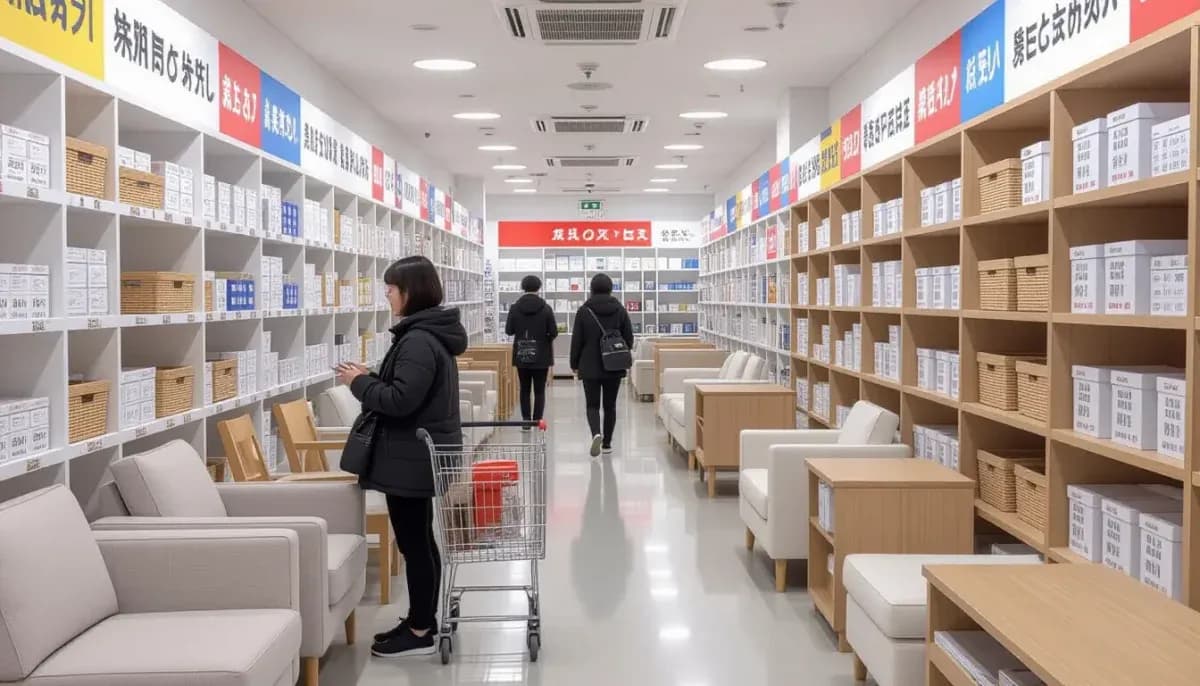
Complete guide to furniture shopping in Japan on a budget for foreigners. Discover Nitori, IKEA, recycle shops, 100-yen stores, sayonara sales, and tips to furnish your Japanese apartment affordably.
Read more →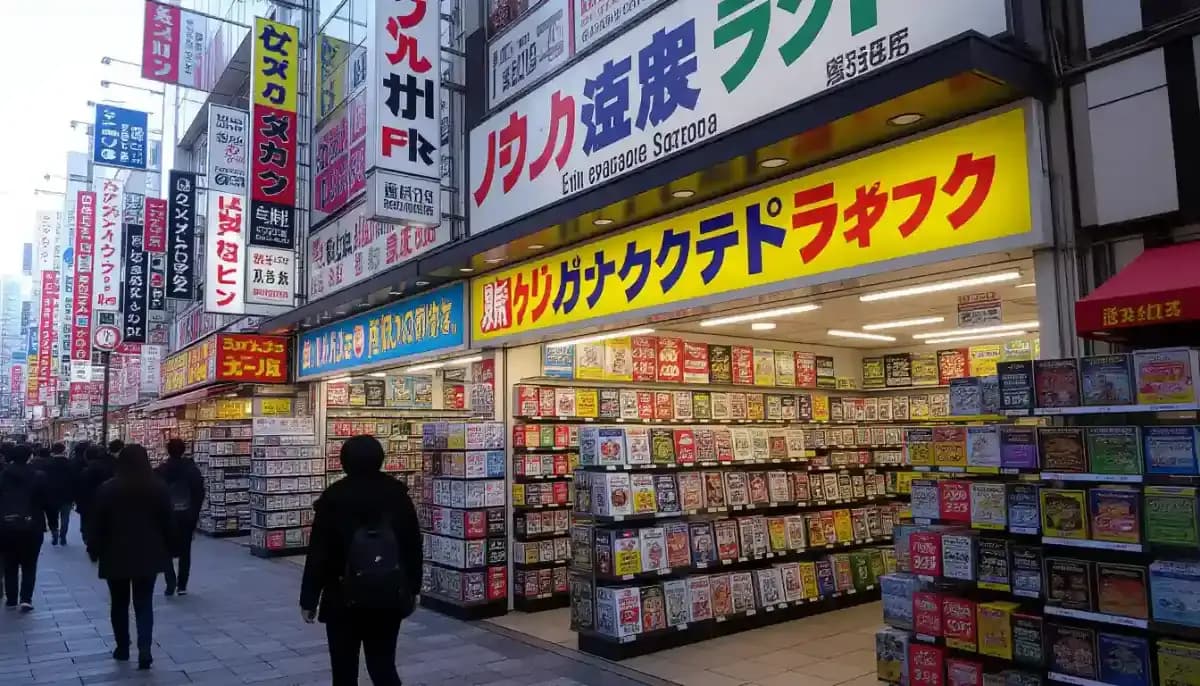
Your complete guide to electronics shopping in Japan. Discover the best stores like Yodobashi Camera and Bic Camera, tax-free tips, Akihabara, and how to find the best deals on gadgets as a foreigner.
Read more →
Complete Japanese clothing size conversion guide for foreigners and expats. Women, men, shoes, bra sizes with conversion tables. Tips for finding larger sizes in Japan.
Read more →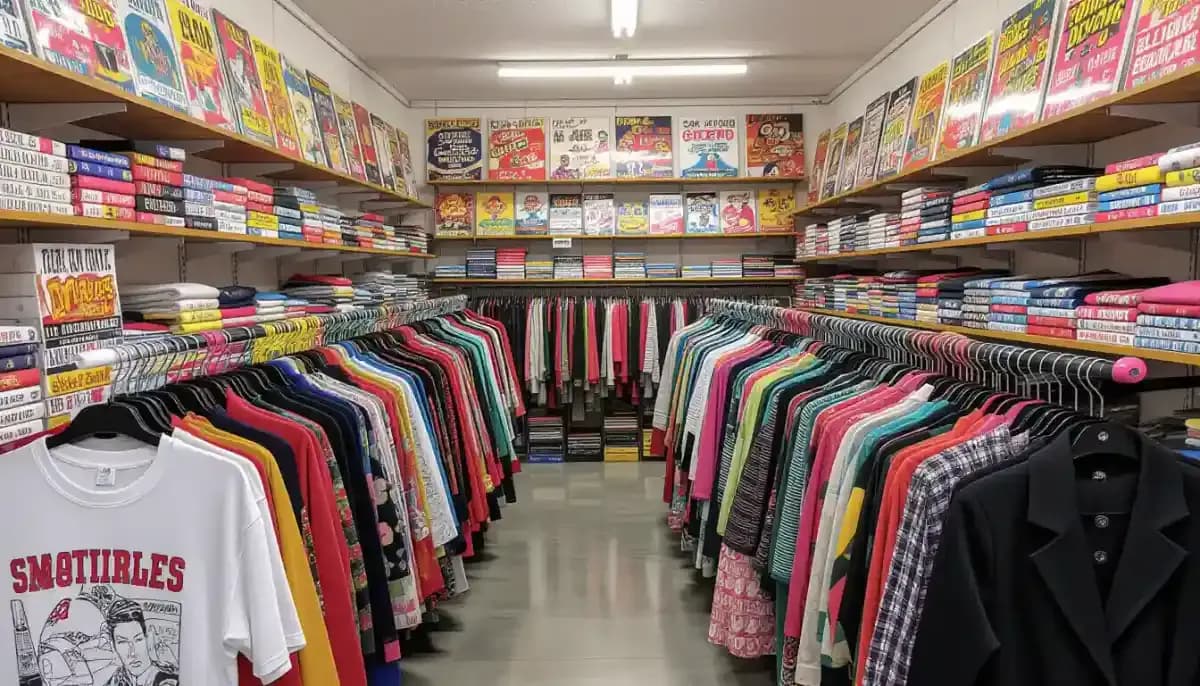
Discover Japan's incredible secondhand shopping scene. From recycle shop chains like BOOK OFF and 2nd STREET, to vintage districts, flea markets, and Mercari — your complete guide to thrift shopping in Japan as a foreigner.
Read more →
Complete guide to using Amazon Japan as a foreigner. Learn how to set up your account, switch to English, use Amazon Prime Japan, and navigate payment and delivery options in Japan.
Read more →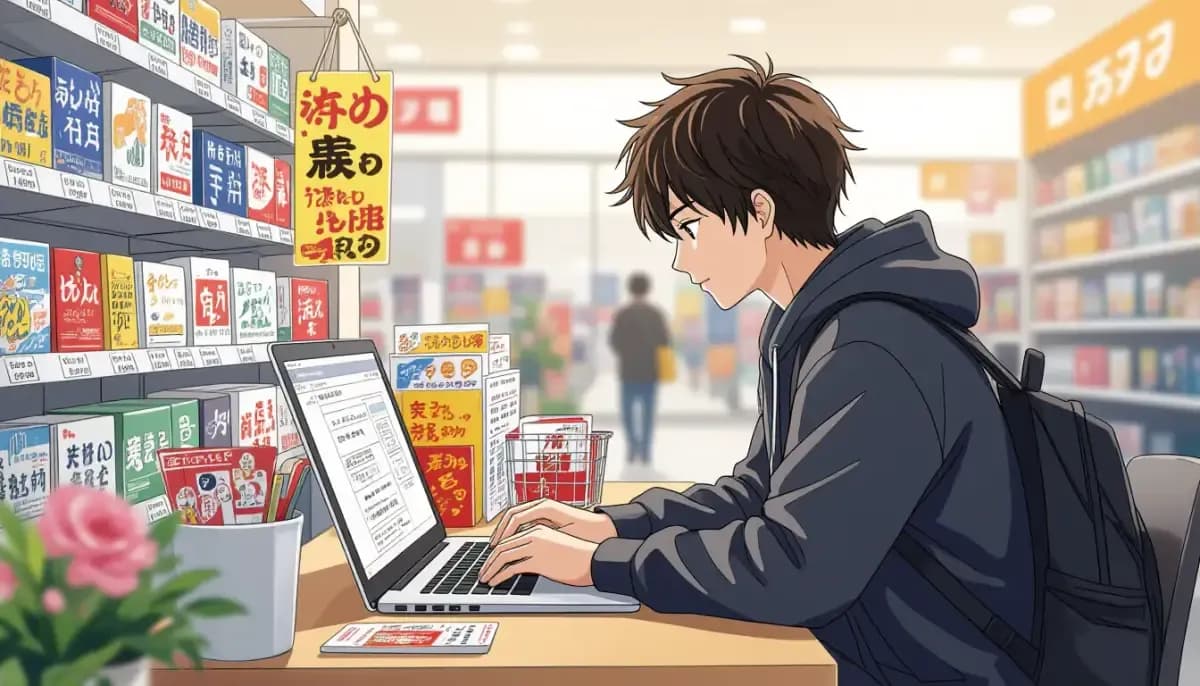
Discover the best online shopping sites in Japan for foreigners — Amazon Japan, Rakuten, Mercari, and more. Learn payment methods, delivery tips, and how to navigate Japanese e-commerce as an expat.
Read more →