The Complete Guide to Banking and Finance in Japan for Foreigners
Moving to Japan is an exciting adventure, but navigating the Japanese banking system can feel overwhelming. From opening your first bank account to sending money back home, understanding how banking works in Japan is essential for every foreign resident. This comprehensive guide covers everything you need to know about managing your finances as a foreigner living in Japan.
Whether you have just arrived or have been here for years, having the right banking setup can save you thousands of yen in fees and hours of frustration. Japan has approximately 200 banks, including over 50 foreign banks, and the country's Zengin System processes about 4.7 million transactions worth around 10 trillion yen every single day. Let's break down how you can tap into this system effectively.
Understanding the Japanese Banking System
Japan's banking landscape is divided into several categories that serve different purposes. The three megabanks — Mitsubishi UFJ Financial Group (MUFG), Sumitomo Mitsui Financial Group (SMFG), and Mizuho Financial Group — dominate the market with branches and ATMs across major cities. Regional banks serve specific prefectures, while online banks like Rakuten Bank and Sony Bank offer digital-first services.
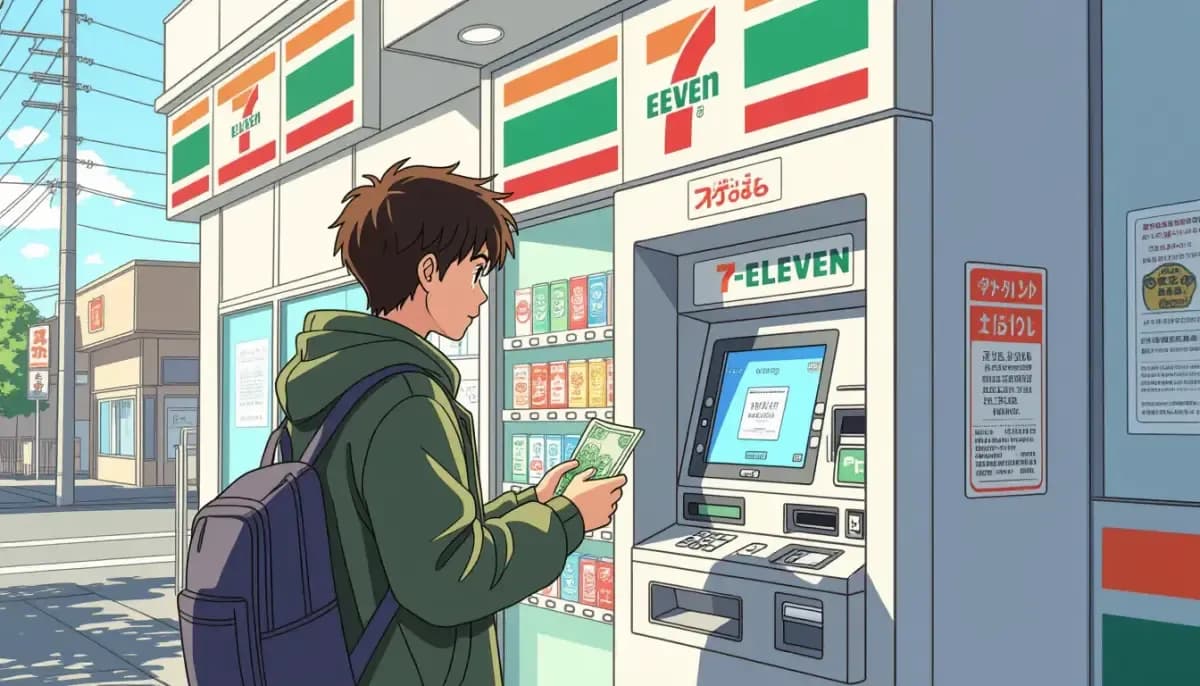
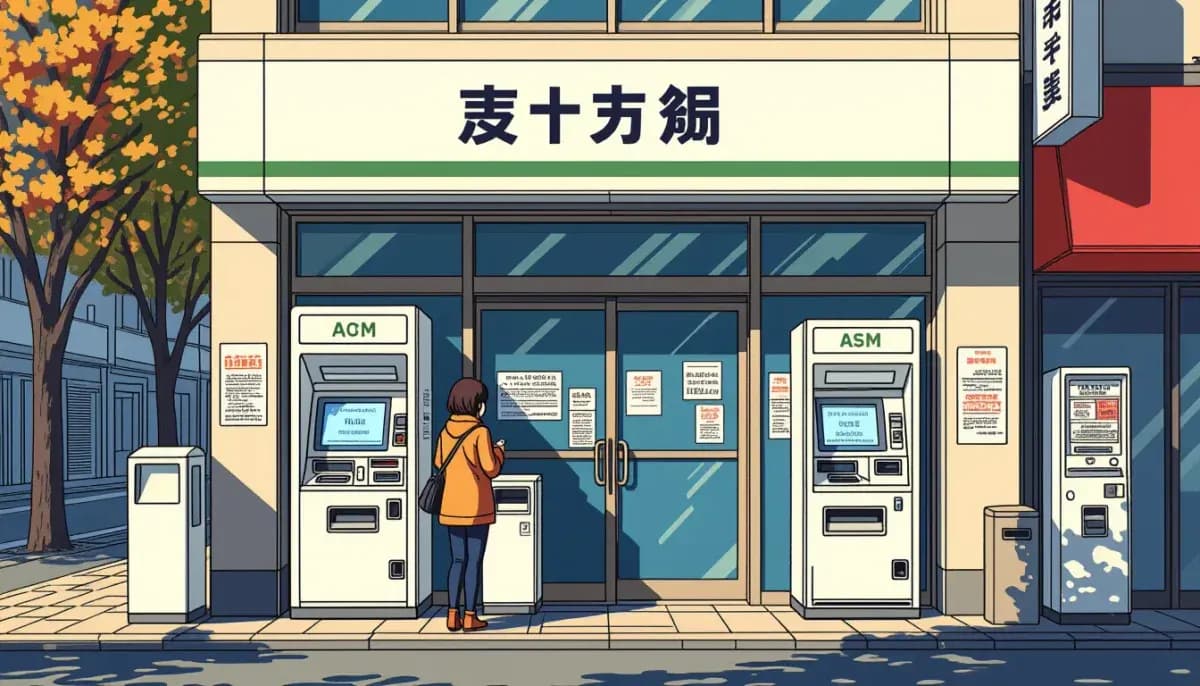
One important thing to understand is that Japanese banking hours are limited. Most bank branches operate from 9:00 AM to 3:00 PM on weekdays only, closing on weekends and national holidays. ATMs also have restricted hours at many locations, though convenience store ATMs (Seven Bank, Lawson Bank) tend to have extended hours.
The banking culture in Japan is still heavily cash-based compared to many Western countries, although cashless payments have been growing rapidly. You will need a bank account for receiving your salary, paying rent, and setting up utility payments. Most employers in Japan pay exclusively through direct deposit to a Japanese bank account, so opening one should be a top priority after moving to Japan.
How to Open a Bank Account in Japan
Opening a bank account as a foreigner requires specific documents and meeting certain eligibility requirements. Here is what you typically need:
- Residence Card (Zairyu Card) — This is the most essential document
- Passport — For identity verification
- Proof of Address — A certificate of residence (juminhyo) from your local city hall
- Personal Seal (Hanko/Inkan) — Required by some banks, though many foreigner-friendly banks have dropped this requirement
- Japanese Phone Number — Needed for account verification and notifications
- Employment Certificate — Some banks request proof of employment or enrollment
The biggest hurdle for many foreigners is the "six-month rule." Most traditional banks require you to have lived in Japan for at least six months before opening an account. However, several banks have relaxed this rule. Japan Post Bank allows foreigners to open an account with as little as three months remaining on their visa, and Shinsei Bank may also accept newer residents.
If you are working in Japan, your employer can sometimes assist with opening a bank account before you meet the six-month requirement. Be sure to check what support is available through your company when you start working in Japan.
Best Banks in Japan for Foreigners
Choosing the right bank can make a significant difference in your daily life. Here is a comparison of the most foreigner-friendly banks:
| Bank | English Support | Seal Required | Min. Residency | Overseas Transfer Fee | Best For |
|---|
| Japan Post Bank (Yucho) | 16 languages online | No | 3 months on visa | ¥7,500 | New arrivals, accessibility |
| Shinsei Bank | Full English | No | Flexible | ¥2,000 | Overall best for foreigners |
| SMBC Trust Bank (PRESTIA) | Full English | No | Standard | ¥2,500 (online) | Heavy banking users |
| Sony Bank | English app | No | Standard | ¥3,000 | Online-first users |
| Rakuten Bank | English online | No | Standard | N/A | Cashback and rewards |
Japan Post Bank is often the first choice for newcomers because of its accessibility. With post offices in virtually every neighborhood in Japan, you are never far from a branch. Their 16-language online application process makes account setup straightforward even without strong Japanese skills. For more details on banking services for foreigners, check out the comprehensive banking guide at Living in Nihon.
Shinsei Bank stands out for its complete English interface, including toll-free English phone support. Their flat ¥2,000 overseas remittance fee is among the lowest of any traditional bank in Japan, making it ideal if you regularly send money abroad.
Sony Bank operates entirely online with no physical branches. It supports 11 foreign currencies with competitive exchange rates, making it excellent for international transactions and currency management.
Sending Money Internationally
One of the biggest concerns for foreigners in Japan is sending money back to their home country. Traditional bank transfers can be expensive, with fees ranging from ¥2,000 to ¥7,500 per transaction, plus unfavorable exchange rates that can eat into your transfer amount.
Wise (formerly TransferWise) has become the go-to service for international transfers. It is reportedly 7 times cheaper than sending money through five major Japanese banks. Wise uses the real mid-market exchange rate and charges transparent fees starting from just 0.41%. You also get free withdrawals up to ¥30,000 monthly.
Other popular options include:
- PayPal — Widely used but exchange rates are less favorable
- Remitly — Good for specific corridors like Japan to Philippines or India
- Western Union — Available at convenience stores for cash pickups
- SBI Remit — Popular for transfers to Southeast Asian countries
When choosing a transfer method, compare the total cost including both fees and the exchange rate markup. A "free" transfer with a poor exchange rate can cost more than a service charging a small fee with the real rate. Understanding your finances is closely related to managing your taxes in Japan and your overall cost of living.
Credit Cards and Cashless Payments
Getting a credit card in Japan as a foreigner can be challenging, especially in your first few years. Japanese credit scoring works differently from Western countries — your credit history does not transfer internationally, so you essentially start from zero.
The easiest credit cards for foreigners to obtain include:
- Rakuten Card — One of the most foreigner-friendly options with an online English application
- Amazon Japan Card — Relatively easy approval for residents with stable income
- EPOS Card — Popular among younger residents, available at Marui department stores
- LINE Pay Visa Credit Card — Integrated with the popular LINE messaging app
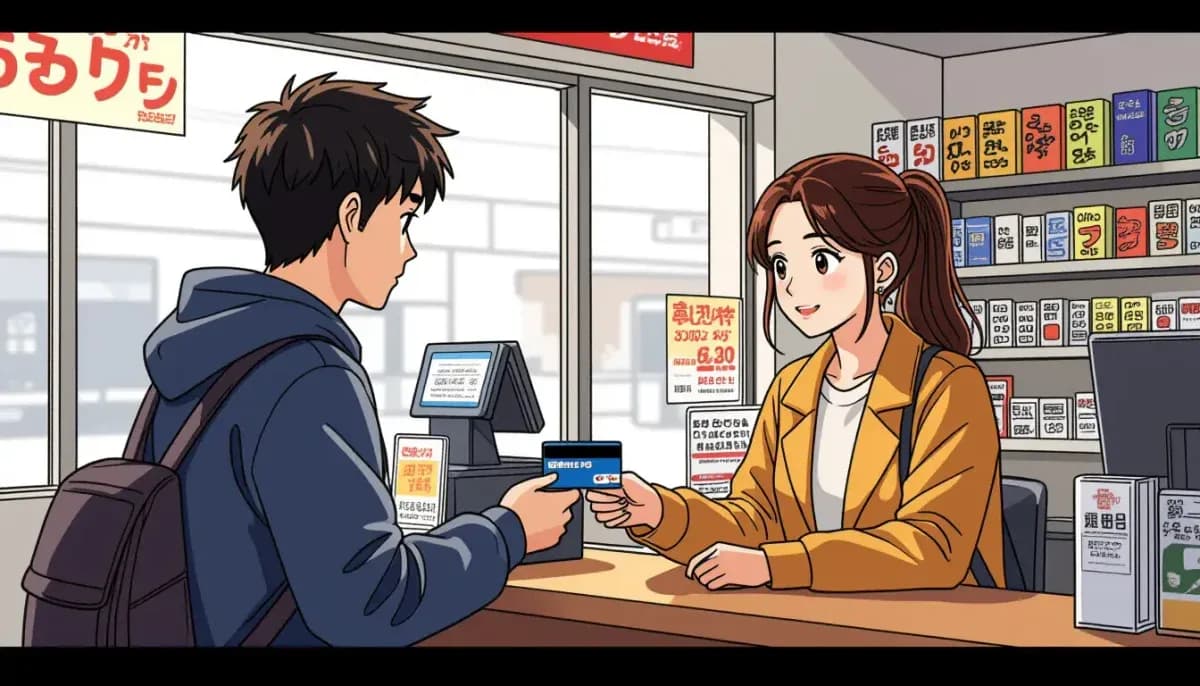
For cashless payments, Japan has embraced multiple systems. IC cards like Suica and Pasmo (primarily for transportation) also work at convenience stores and vending machines. QR code payments through PayPay, LINE Pay, and Rakuten Pay have become ubiquitous, especially since the government's cashless promotion campaigns.
SMBC Trust Bank is worth considering if you deal with multiple currencies, as it accepts 17 foreign currencies and does not require a personal seal to open an account. For tips on salary and income management, the salary guide at For Work in Japan provides useful information.
Managing Your Finances as an Expat
Living in Japan requires thoughtful financial planning. Here are key areas to consider:
Budgeting for Japan Life: The cost of living in Japan varies significantly by location. Tokyo is the most expensive, but even in smaller cities, having a solid budget is important. Set up automatic transfers from your main account to savings to build an emergency fund.
Insurance and Pension: Japan's social insurance system requires contributions to health insurance and the national pension. These are automatically deducted from your salary if you are employed full-time. Understanding these deductions is important for accurate budgeting. The healthcare system in Japan provides comprehensive coverage once you are enrolled.
Tax Obligations: Japan has a progressive income tax system, and as a foreign resident, you are taxed on your worldwide income if you have lived in Japan for more than five years. Resident tax (juminzei) is also collected by your local municipality. Make sure you understand your obligations by reading our tax guide for foreigners.
Saving and Investing: Japan offers several tax-advantaged savings vehicles. The NISA (Nippon Individual Savings Account) program allows tax-free investment gains up to certain limits. iDeCo (individual defined contribution pension) offers tax deductions on contributions. Both are available to foreign residents with a My Number card. For financial planning related to career transitions, Ittenshoku has helpful resources on managing finances.
Common Banking Problems and Solutions
Foreigners in Japan frequently encounter these banking issues:
ATM Access After Hours: Many bank ATMs shut down in the evening or charge fees outside business hours. Solution: Use convenience store ATMs (Seven Bank works with most international cards) or choose a bank like Shinsei that waives ATM fees for higher balances.
Language Barriers: Bank forms and customer service are primarily in Japanese. Solution: Choose English-friendly banks like Shinsei or PRESTIA, or bring a Japanese-speaking friend to help at traditional banks. You can also improve your ability to handle these situations by learning Japanese.
Receiving International Transfers: Some banks make it difficult to receive money from overseas. Solution: Provide your SWIFT code and full branch details to the sender. Shinsei Bank and Sony Bank handle incoming international transfers more smoothly than most.
Closing an Account When Leaving Japan: If you plan to leave Japan, you need to close your accounts before departing, as managing a Japanese bank account from overseas is extremely difficult. Make sure to transfer any remaining funds, cancel automatic payments, and visit the branch in person to close the account. This is an important step when preparing your departure, similar to handling other bureaucratic requirements.
Tips for Financial Success in Japan
- Open your bank account early — Do not wait. As soon as you meet the residency requirements, get your account set up.
- Keep cash on hand — Despite growing cashless adoption, many small shops, restaurants, and daily life situations still require cash.
- Set up automatic payments — Utility bills, rent, and phone bills can all be auto-debited, saving you trips to the convenience store.
- Use Wise for international transfers — The savings over traditional bank transfers add up quickly over time.
- Get a credit card within your first year — Building credit history early makes future financial transactions easier.
- Understand your payslip — Japanese payslips include deductions for health insurance, pension, employment insurance, and income tax. Know what each line item means.
- Save receipts for tax deductions — Medical expenses, earthquake insurance, and certain other costs are tax-deductible in Japan.
For a broader overview of adapting to life in Japan, including managing finances alongside other aspects of daily living, see our guide on daily life in Japan for foreigners. Additionally, the Tokyo Portfolio expat banking guide offers helpful perspectives on navigating the banking system as a newcomer.
Conclusion
Banking and finance in Japan does not have to be intimidating. By choosing the right bank, understanding the system, and using modern tools like Wise for international transfers, you can manage your money efficiently and avoid unnecessary fees. Start with a foreigner-friendly bank like Japan Post or Shinsei, build your credit history with an accessible credit card, and take advantage of tax-advantaged investment programs like NISA and iDeCo.
The key is to set up your financial infrastructure early and automate as much as possible. With the right setup, you can focus on enjoying your life in Japan rather than worrying about money logistics. For more in-depth banking information, Unseen Japan's banking guide is another excellent resource to bookmark.