
Sony Bank Japan English Friendly Banking Guide

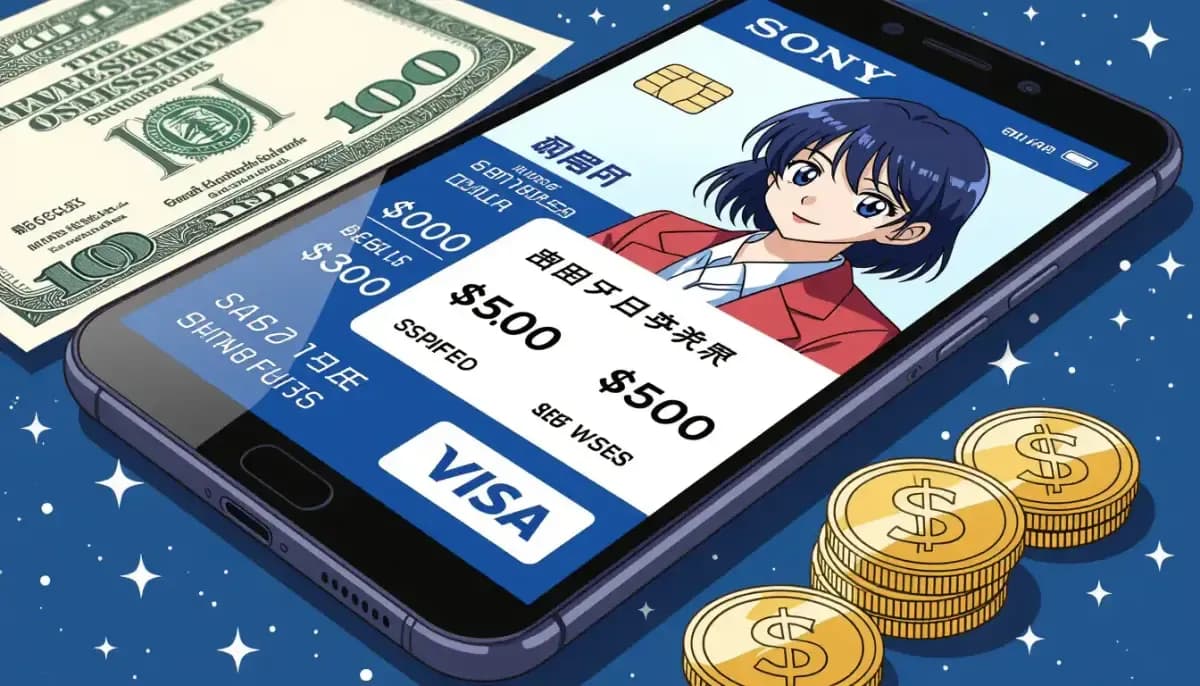
Complete guide to Sony Bank Japan for foreigners. Learn about account opening, fees, Sony Bank WALLET, English support, foreign currency exchange, and how it compares to other banks.
Sony Bank Japan: The Complete English-Friendly Banking Guide for Foreigners
Opening a bank account in Japan as a foreigner can be a frustrating experience, especially when most major banks operate almost entirely in Japanese. Sony Bank has emerged as one of the most foreigner-friendly banking options in Japan, offering a fully English online banking experience since March 2020. Whether you just arrived in Japan or have been living here for years, this guide covers everything you need to know about using Sony Bank as your primary banking solution.
Why Sony Bank Stands Out for Foreigners in Japan
Sony Bank is a fully online bank with no physical branches, which means you can manage all your banking from your smartphone or computer. Unlike traditional Japanese banks such as MUFG or Mizuho, Sony Bank was designed from the ground up for digital banking. The key advantage for foreigners is the comprehensive English-language support across the mobile app, online banking portal, and customer service channels.
Since its English online banking launch, Sony Bank has attracted international customers from over 100 countries. The largest user groups come from the United States (10.9%), the Philippines (10.7%), and the United Kingdom (9.9%), with approximately 39% of international users based in Tokyo. This strong international user base means the bank continually improves its English-language services based on real feedback from foreign residents. For more tips on settling into life in Japan, check out resources at Living in Nihon.
How to Open a Sony Bank Account as a Foreigner
One of the biggest advantages of Sony Bank is the lack of restrictions based on visa status or length of stay. As long as you are a resident of Japan, you can open an account. Here is what you need:
Requirements:
- Valid residence card (zairyu card)
- Health insurance card (kenko hokensho)
- Must be 20 years old or older
- Japanese residential address
Steps to open your account:
- Download the Sony Bank "Open Account" app (available in English)
- Enter your personal information in the app
- Scan your residence card and health insurance card using your phone camera
- Submit your application through the app
- Wait for your cash card to arrive by mail (typically 7-10 business days)
No hanko (personal seal) is required, which eliminates one of the most common barriers foreigners face when opening bank accounts in Japan. U.S. citizens and those with tax residency outside Japan may need to provide additional documentation due to FATCA and CRS requirements. For a broader overview of financial matters in Japan, see our complete guide to banking and finance in Japan.
Sony Bank Fees and Charges Explained
One of the most attractive features of Sony Bank is its low-fee structure. Here is a detailed breakdown:
| Fee Type | Cost | Notes |
|---|---|---|
| Account maintenance | Free | No monthly or annual fees |
| Domestic ATM withdrawal | 4 free/month | Additional withdrawals cost ¥110 each |
| ATM deposits | Always free | No limits on deposit frequency |
| Overseas ATM withdrawal | 1.79% + ¥220 | Processing fee per transaction |
| Overseas shopping (supported currency) | Free | When you have balance in that currency |
| Overseas shopping (unsupported currency) | 1.79% | Converted at Visa exchange rate |
| Domestic transfer (Sony Bank) | Free | Between Sony Bank accounts |
| Domestic transfer (other banks) | ¥110 | Per transaction |
| International remittance | ¥3,000 | Can be waived with Club S membership |
The Club S membership program offers tiered benefits based on your account balance and usage. Higher tiers provide additional free ATM withdrawals, reduced transfer fees, and up to three free international remittances per month. If you are working in Japan and need to send money abroad regularly, the Club S program can save you significant amounts. Learn more about working and earning in Japan from For Work in Japan.
Sony Bank WALLET: The Multi-Currency Debit Card
The Sony Bank WALLET is a Visa debit card that serves as your primary card for both domestic and international transactions. It functions in over 200 countries and supports 11 currencies:
- Japanese Yen (JPY)
- US Dollar (USD)
- Euro (EUR)
- British Pound (GBP)
- Australian Dollar (AUD)
- New Zealand Dollar (NZD)
- Canadian Dollar (CAD)
- Swiss Franc (CHF)
- Hong Kong Dollar (HKD)
- South African Rand (ZAR)
- Swedish Krona (SEK)
When shopping overseas in a supported currency, the card automatically deducts from your foreign currency savings account with no additional fees. If your foreign currency balance is insufficient, the "Yen Assist" function automatically converts yen at Sony Bank's exchange rate, which is typically more competitive than standard credit card rates.
For domestic purchases in Japan, the card offers cashback between 0.5% and 2% depending on your Club S tier. The cashback is automatically credited to your account with no manual steps required. This makes the Sony Bank WALLET one of the most practical everyday spending cards for foreigners in Japan. For career resources and job tips in Japan, visit Ittenshoku.
Foreign Currency Exchange Rates and International Transfers
Sony Bank's foreign exchange rates are among the most competitive available through Japanese banks. The USD exchange spread can be as low as 0.04 to 0.15 yen per dollar, which is significantly cheaper than the 1-3 yen spreads charged by major Japanese banks.
You can hold deposits in 11 foreign currencies and convert between them at any time through the online banking portal. This is particularly useful for foreigners who receive income in a foreign currency or need to manage money across multiple countries.
For international wire transfers, Sony Bank charges ¥3,000 per transaction. While this is not the cheapest option available (services like Wise offer lower fees for some corridors), it is competitive among Japanese banks. Club S members at higher tiers can enjoy fee waivers for up to three international transfers per month.
| Currency | Exchange Fee (per unit) | Compared to Major Banks |
|---|---|---|
| USD | ¥0.04 - ¥0.15 | 80-95% cheaper |
| EUR | ¥0.08 - ¥0.15 | 80-90% cheaper |
| GBP | ¥0.10 - ¥0.25 | 75-90% cheaper |
| AUD | ¥0.08 - ¥0.20 | 80-90% cheaper |
These rates make Sony Bank an excellent choice for foreigners who frequently deal with multiple currencies. For a comprehensive comparison of banking options in Japan, check out Tokyo Cheapo's bank comparison guide.
English Support and Customer Service
Sony Bank provides English support through multiple channels:
- English mobile app: Full-featured banking app available entirely in English
- English online banking portal: Manage accounts, transfers, and settings in English
- Live chat in English: Available during daytime business hours
- Telephone support: Available for card loss and unauthorized use cases from 5:30 PM to 9:00 AM on weekdays
While the desktop banking interface still has some Japanese elements, the mobile app provides a fully English experience. The account opening app is also downloadable in 19 countries, making it possible to start the process before arriving in Japan (though you will need your residence card to complete it).
Customer feedback from international residents has been overwhelmingly positive, with many highlighting the simple application process and responsive English-language support. Sony Bank continues to expand its English services based on this feedback, according to Japan Today's coverage.
Limitations and Things to Consider
While Sony Bank is excellent for personal banking, there are some limitations to be aware of:
- No business accounts: Sony Bank does not support corporate or business accounts. If you run a business in Japan, you will need a separate bank account at another institution.
- No physical branches: All banking is done online. If you prefer in-person service, Sony Bank may not suit you.
- Limited domestic ATM network: You can use convenience store ATMs (Seven Bank, Lawson, E-net) and Japan Post ATMs, but free withdrawals are limited to 4 per month at base tier.
- Age requirement: You must be 20 or older to open an account.
- Additional documentation for some nationals: U.S. citizens and those with overseas tax residency need extra paperwork.
For foreigners who need both personal and business banking, consider pairing Sony Bank with another institution. Our guide to daily life in Japan covers more practical considerations for setting up your finances.
How Sony Bank Compares to Other Foreigner-Friendly Banks
When choosing a bank in Japan as a foreigner, Sony Bank is not your only option. Here is how it compares to other popular choices:
| Feature | Sony Bank | Shinsei Bank | SMBC Prestia | Japan Post Bank |
|---|---|---|---|---|
| English online banking | Full | Full | Full | Limited |
| Account opening in English | Yes (app) | Yes (online) | Yes (branch) | No |
| Minimum balance | None | None | ¥500,000* | None |
| Free ATM withdrawals | 4/month | Variable | Variable | Unlimited (JP Post) |
| Foreign currency support | 11 currencies | 13 currencies | 18 currencies | Limited |
| International transfers | ¥3,000 | ¥4,000 | ¥3,500 | ¥2,500 |
| Debit card cashback | 0.5-2% | None | None | None |
| Physical branches | None | Limited | Yes | Nationwide |
*Prestia waives fees with ¥500,000+ balance or monthly salary deposit.
For most foreigners in Japan, Sony Bank offers the best combination of English support, low fees, and multi-currency convenience. If you need physical branch access, Shinsei Bank or SMBC Prestia might be better alternatives. For a complete overview of managing your finances as a foreigner, read our guide to taxes in Japan and our guide to moving to Japan.
Tips for Getting the Most Out of Sony Bank
To maximize the value of your Sony Bank account:
- Set up foreign currency savings accounts for currencies you use regularly to avoid conversion fees when shopping abroad.
- Aim for Club S Silver tier by maintaining a monthly average balance of ¥3 million to unlock additional free ATM withdrawals and international transfer fee waivers.
- Use the Sony Bank WALLET for all everyday purchases in Japan to earn 0.5-2% cashback.
- Take advantage of promotional exchange rate campaigns, which periodically offer zero exchange fees on certain currency pairs.
- Link your Sony Bank account to payment apps like PayPay or LINE Pay for even more convenience in daily transactions.
- Download the mobile app rather than relying on the desktop site for the best English-language experience.
Sony Bank remains one of the top choices for foreigners looking for hassle-free, English-friendly banking in Japan. With no maintenance fees, competitive exchange rates, and a fully English application process, it removes many of the traditional barriers that make Japanese banking challenging for international residents.

Originally from Vietnam, living in Japan for 16+ years. Graduated from Nagoya University, with 11 years of professional experience at Japanese and international companies. Sharing information about living in Japan for foreigners.
View Profile →Related Articles
Shinsei Bank vs SMBC Prestia for Foreigners in Japan
Detailed comparison of SBI Shinsei Bank and SMBC Prestia for foreigners living in Japan. Compare fees, ATM access, English support, international transfers, and multi-currency accounts to find the best bank for your needs.
Read more →
Best Money Management Apps Available in Japan
Discover the best money management and budgeting apps available in Japan for foreigners. Compare Zaim, Money Forward ME, Moneytree, and multi-currency options for expats managing yen expenses.
Read more →
Cryptocurrency Regulations in Japan for Foreign Investors
Complete guide to cryptocurrency regulations in Japan for foreign investors. Learn about FSA rules, crypto tax rates up to 55%, licensed exchanges, KYC requirements, and upcoming 2026 tax reforms.
Read more →
Japan Savings Accounts and Interest Rates Guide
Complete guide to Japan savings accounts and interest rates for foreigners. Compare bank rates, learn how to open accounts, understand tax withholding, and maximize your savings as an expat in Japan.
Read more →
Investment Options Available for Foreigners in Japan
Discover the best investment options available for foreigners in Japan, including NISA tax-free accounts, iDeCo retirement savings, stocks, real estate, and bonds. Complete guide with step-by-step instructions.
Read more →
How to Build Credit History in Japan as a Foreigner
Learn how to build credit history in Japan as a foreigner. Understand CIC, JICC, and KSC credit bureaus, get approved for credit cards, and avoid common mistakes that damage your credit score.
Read more →