
Shinsei Bank vs SMBC Prestia for Foreigners in Japan

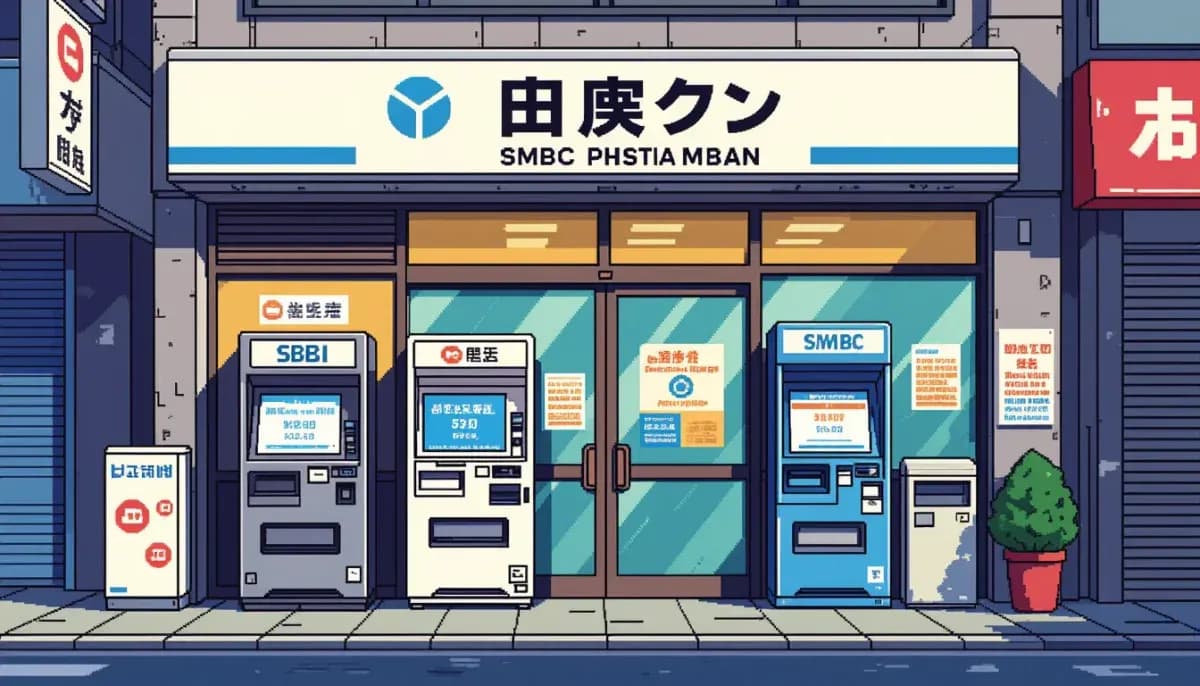
Detailed comparison of SBI Shinsei Bank and SMBC Prestia for foreigners living in Japan. Compare fees, ATM access, English support, international transfers, and multi-currency accounts to find the best bank for your needs.
Shinsei Bank vs SMBC Prestia for Foreigners in Japan: The Complete 2025 Comparison
Choosing the right bank as a foreigner in Japan can make or break your daily life. Two names consistently rise to the top of every expat recommendation list: SBI Shinsei Bank and SMBC Trust Bank Prestia. Both offer English-language services, but they serve very different needs. This detailed comparison will help you decide which bank is the best fit for your situation, whether you are a new arrival, a long-term resident, or someone managing money across borders.
For a broader overview of financial services available to foreigners, check out our Complete Guide to Banking and Finance in Japan.
Overview: Two Banks Built for International Customers
SBI Shinsei Bank (formerly Shinsei Bank) has long been the go-to recommendation for foreigners who want hassle-free, English-friendly banking. It focuses on simplicity, low fees, and excellent convenience store ATM access. The bank rebranded after its acquisition by SBI Holdings and continues to prioritize digital-first banking with strong English support.
SMBC Trust Bank Prestia (commonly called "Prestia") is a subsidiary of Sumitomo Mitsui Banking Corporation, one of Japan's megabanks. Prestia was originally Citibank Japan's retail operations, which SMBC acquired in 2015. This heritage gives it a strong international focus, with multi-currency accounts, wealth management services, and deep expertise serving expat clients.
Both banks stand out because they accept signatures instead of a traditional hanko (personal seal), making account opening far easier for foreigners. For more on settling into life in Japan, see our guide to moving to Japan.
Account Opening: Requirements and Process
Getting your foot in the door is the first hurdle. Here is how the two banks compare when it comes to opening an account.
SBI Shinsei Bank allows you to apply online or at a branch. The application process is available entirely in English. However, there is an important catch: SBI Shinsei typically requires 6 months of residency in Japan before you can open an account. This requirement can be waived if you are employed by a Japanese company, but new arrivals without employment may need to wait or use another bank initially.
SMBC Prestia does not have a strict residency duration requirement, making it more accessible for recent arrivals. You can open an account at a branch with English-speaking staff. Prestia also offers a "GOLD" tier account aimed at expats on corporate packages, which comes with premium perks and waived fees.
Both banks require a valid residence card (zairyu card) and proof of a registered Japanese address. Neither requires a hanko — your signature is sufficient.
| Requirement | SBI Shinsei Bank | SMBC Prestia |
|---|---|---|
| Residency requirement | 6 months (waivable with employment) | No minimum |
| Hanko needed | No (signature OK) | No (signature OK) |
| English application | Yes (online + branch) | Yes (branch) |
| Documents needed | Residence card, My Number | Residence card, proof of address |
| Online application | Available | Limited |
If you are still navigating the visa process, our Japan Visa and Immigration Guide covers everything you need to know.
Fees: Monthly Charges, ATM, and Transfers
Fees are often the deciding factor, and these two banks take very different approaches.
Monthly Maintenance Fees
SBI Shinsei Bank charges no monthly maintenance fee at all. This is one of its biggest advantages and a major reason it tops expat recommendation lists.
SMBC Prestia charges a 2,200 yen per month maintenance fee for standard accounts. However, this fee can be waived if you meet any of these conditions:
- Maintain an average monthly balance of 500,000 yen or more
- Hold a loan product with Prestia
- Have a Prestia-affiliated credit card
Over a year, that is 26,400 yen in fees if you do not qualify for a waiver — a significant cost for budget-conscious residents.
ATM Access and Withdrawal Fees
SBI Shinsei Bank partners with major convenience store ATM networks including Seven Bank, E-net (FamilyMart), Lawson, and Aeon. Standard-tier customers receive 5 free withdrawals per month. From the 6th withdrawal onward, each costs 110 yen. Higher loyalty tiers (Silver, Gold, Platinum) unlock more free withdrawals.
SMBC Prestia offers free withdrawals at Sumitomo Mitsui Banking (SMBC) ATMs during business hours. However, SMBC ATMs are less ubiquitous than convenience store ATMs. After-hours and weekend access at SMBC ATMs may be limited, and using other ATM networks typically incurs fees.
| Fee Type | SBI Shinsei Bank | SMBC Prestia |
|---|---|---|
| Monthly maintenance | Free | 2,200 yen (waivable) |
| ATM withdrawals | 5 free/month at convenience stores, then 110 yen | Free at SMBC ATMs (business hours) |
| ATM network | Seven Bank, Lawson, FamilyMart, Aeon | SMBC network |
| Loyalty tiers | Yes (Silver, Gold, Platinum) | Yes (Gold tier available) |
For tips on managing your overall expenses, see our Cost of Living in Japan Guide.
International Transfers and Receiving Money from Abroad
If you regularly send or receive money internationally, this category deserves close attention.
Sending Money Abroad
SBI Shinsei Bank previously offered the GoRemit international transfer service, which was popular among foreigners. However, GoRemit was discontinued in October 2025. SBI Shinsei now directs customers to SBI Remit Co., Ltd. for overseas transfers. The transition means the process is no longer as seamless as it once was, and fees may vary depending on the destination.
SMBC Prestia charges 3,500 yen per transfer for online international remittances. While not cheap, the service is well-integrated into the Prestia online banking platform and supports a wide range of destination countries and currencies.
Receiving Money from Abroad
SBI Shinsei Bank charges 2,000 yen to receive an international transfer. This fee is waived for Platinum and Gold tier customers.
SMBC Prestia receives international transfers free of charge, whether in yen or foreign currency. This is a major advantage if you regularly receive salary payments, family support, or freelance income from overseas.
| Transfer Type | SBI Shinsei Bank | SMBC Prestia |
|---|---|---|
| Sending abroad | Via SBI Remit (varies) | 3,500 yen online |
| Receiving from abroad | 2,000 yen (free for Gold/Platinum) | Free |
| Currency options | Limited | 17 currencies |
Many foreigners also use third-party services like Wise alongside their bank. For more on managing finances as a foreigner, Living in Nihon's banking guide is an excellent resource.
Foreign Currency Accounts and Multi-Currency Support
This is where SMBC Prestia truly shines.
SMBC Prestia offers the MultiMoney account, which supports deposits and withdrawals in 17 different foreign currencies. This makes it ideal for expats who hold savings in multiple currencies, receive income in foreign currencies, or want to take advantage of exchange rate movements. Prestia also publishes its currency exchange spreads transparently, allowing you to compare costs before converting.
SBI Shinsei Bank offers foreign currency deposit accounts, but with a more limited range of supported currencies. The bank provides 24/7 currency exchange for the currencies it does support, which is convenient for quick conversions.
If you deal with multiple currencies regularly — for example, if you have savings in USD, EUR, and GBP — Prestia's MultiMoney account offers significantly more flexibility. For those who only need occasional yen-to-home-currency conversion, SBI Shinsei's simpler offering may be sufficient.
Prestia also offers the GLOBAL PASS Visa debit card, which allows you to make purchases and ATM withdrawals abroad using your foreign currency balances directly. This can save significant exchange fees when traveling. For more about working and earning in Japan, check out our Working in Japan Guide.
English Support and Digital Banking
Both banks are among the most English-friendly options in Japan, but their approaches differ.
SBI Shinsei Bank has a well-designed English online banking portal that covers most everyday transactions. The bank also offers English customer support via phone and chat. However, the smartphone app is primarily in Japanese, which can be frustrating for those who prefer mobile banking.
SMBC Prestia provides English services at branches, with dedicated English-speaking staff available at major locations. The online banking platform is available in English, and telephone banking is also offered in English. Prestia's app has improved its English support over time, though some features may still default to Japanese.
For day-to-day banking tasks like checking balances, making transfers, and managing standing orders, both banks provide adequate English interfaces. The key difference is that SBI Shinsei leans more toward digital self-service, while Prestia offers more human touchpoints through its branch network.
If you are still building your Japanese language skills, our Learning Japanese Guide can help you navigate banking terminology and beyond.
Debit and Credit Cards
SBI Shinsei Bank issues a cash card that functions as an ATM withdrawal card. For debit card functionality, customers can apply for the SBI Shinsei Visa debit card, which works for domestic and some international purchases.
SMBC Prestia offers the GLOBAL PASS Visa debit card as a standard feature. This card allows point-of-sale purchases in Japan and internationally, ATM withdrawals at Visa/Plus ATMs worldwide, and direct debiting from foreign currency balances when traveling abroad. This makes it particularly useful for frequent travelers.
For credit cards, both banks offer affiliated options but neither is primarily known for its credit card offerings. Many foreigners in Japan pair their bank account with a separate credit card from a provider like Rakuten or Amazon Japan. Learn more in our Shopping in Japan Guide.
Which Bank Should You Choose?
The right choice depends on your specific situation and priorities.
Choose SBI Shinsei Bank if you:
- Want zero monthly fees with no conditions
- Primarily use convenience store ATMs
- Prefer digital-first, self-service banking
- Have been in Japan for at least 6 months (or have employer sponsorship)
- Need simple, everyday banking without multi-currency complexity
Choose SMBC Prestia if you:
- Recently arrived in Japan and cannot meet the 6-month residency requirement
- Regularly receive international transfers (free incoming transfers)
- Need multi-currency accounts (17 currencies supported)
- Travel frequently and want the GLOBAL PASS debit card
- Prefer in-branch English support with dedicated staff
- Can maintain a 500,000 yen balance to waive monthly fees
Many experienced expats actually maintain accounts at both banks, using SBI Shinsei for everyday spending and ATM access, and Prestia for international transfers and foreign currency management. There is no rule limiting you to one bank.
For detailed fee comparisons across all major Japanese banks, Tokyo Cheapo's bank comparison guide provides regularly updated information. You can also find additional insights at Japan Handbook's bank comparison and MailMate's guide to English-friendly banks.
Tips for Opening Your First Bank Account in Japan
Regardless of which bank you choose, keep these practical tips in mind:
- Bring all documents — Residence card, My Number notification, and proof of address (a utility bill or residence certificate from city hall)
- Visit during weekday business hours — Both banks offer the best English support during standard hours
- Set up online banking immediately — This gives you access to English-language account management from day one
- Understand the tier system — Both banks reward higher balances and more products with better fee structures
- Consider using a money transfer service — Services like Wise can complement either bank for international transfers at lower costs
For more about navigating daily life as a foreigner in Japan, explore our Daily Life in Japan Guide. If you are working in Japan and need career guidance, For Work in Japan offers helpful resources, and Ittenshoku provides guidance for IT career transitions in Japan.
Final Verdict
Both SBI Shinsei Bank and SMBC Prestia are excellent choices for foreigners in Japan, and you genuinely cannot go wrong with either one. SBI Shinsei wins on simplicity and cost with its zero-fee structure and convenient ATM access. SMBC Prestia wins on international capability with its 17-currency MultiMoney account, free incoming transfers, and GLOBAL PASS card.
If you are just arriving in Japan and need a bank account quickly, start with Prestia since it has no residency waiting period. Once you have been in Japan for six months, consider adding an SBI Shinsei account for everyday use. This dual-bank strategy gives you the best of both worlds and is the approach many long-term foreign residents in Japan ultimately adopt.

Originally from Vietnam, living in Japan for 16+ years. Graduated from Nagoya University, with 11 years of professional experience at Japanese and international companies. Sharing information about living in Japan for foreigners.
View Profile →Related Articles
Sony Bank Japan English Friendly Banking Guide
Complete guide to Sony Bank Japan for foreigners. Learn about account opening, fees, Sony Bank WALLET, English support, foreign currency exchange, and how it compares to other banks.
Read more →
Best Money Management Apps Available in Japan
Discover the best money management and budgeting apps available in Japan for foreigners. Compare Zaim, Money Forward ME, Moneytree, and multi-currency options for expats managing yen expenses.
Read more →
Cryptocurrency Regulations in Japan for Foreign Investors
Complete guide to cryptocurrency regulations in Japan for foreign investors. Learn about FSA rules, crypto tax rates up to 55%, licensed exchanges, KYC requirements, and upcoming 2026 tax reforms.
Read more →
Japan Savings Accounts and Interest Rates Guide
Complete guide to Japan savings accounts and interest rates for foreigners. Compare bank rates, learn how to open accounts, understand tax withholding, and maximize your savings as an expat in Japan.
Read more →
Investment Options Available for Foreigners in Japan
Discover the best investment options available for foreigners in Japan, including NISA tax-free accounts, iDeCo retirement savings, stocks, real estate, and bonds. Complete guide with step-by-step instructions.
Read more →
How to Build Credit History in Japan as a Foreigner
Learn how to build credit history in Japan as a foreigner. Understand CIC, JICC, and KSC credit bureaus, get approved for credit cards, and avoid common mistakes that damage your credit score.
Read more →