



Retirement Cost of Living in Japan Estimate
How much does it really cost to retire in Japan as a foreigner? Get realistic monthly budget estimates, expense breakdowns, visa options, and savings targets for retiring in Japan in 2025-2026.
Read more →
A complete guide to the cost of living in Japan for foreigners. Learn monthly budgets, rent prices, food costs, utilities, and how to live affordably in Tokyo, Osaka, and beyond.
Japan has long been considered an expensive country, but the reality for foreigners living here is often more nuanced. Whether you are planning to move to Tokyo, Osaka, or a smaller regional city, understanding the actual cost of living in Japan is essential for financial planning and a comfortable life. This comprehensive guide breaks down every major expense category—from rent and food to healthcare and entertainment—so you can budget accurately and make the most of your time in Japan.
According to recent data, living in Japan costs on average 55% less than in the United States and 25% less than in Western Europe. That said, costs vary enormously depending on your city, lifestyle, and housing choices. Read on for a realistic, up-to-date breakdown.
!Cost of living in Japan overview showing Tokyo cityscape and price tags
The monthly budget for a single person in Japan typically falls between ¥150,000 and ¥250,000, depending on lifestyle and location. Here is a quick overview:
For families, costs roughly double or triple. A couple or small family should budget around ¥250,000–¥350,000 per month for a moderate standard of living.
Location is the single biggest factor in Japan's cost of living. Tokyo is the most expensive city, while regional cities can be significantly cheaper.
| City | Monthly Budget (Single Person) | Average 1R Rent |
|---|---|---|
| Tokyo (23 wards) | ¥130,000–¥200,000 | ¥87,000–¥100,000 |
| Osaka | ¥100,000–¥150,000 | ¥65,000–¥75,000 |
| Nagoya | ¥90,000–¥140,000 | ¥55,000–¥65,000 |
| Fukuoka | ¥80,000–¥130,000 | ¥50,000–¥60,000 |
| Sapporo | ¥75,000–¥120,000 | ¥45,000–¥55,000 |
| Regional cities | ¥70,000–¥110,000 | ¥30,000–¥50,000 |
Tokyo is roughly 20–30% more expensive than Osaka, and regional cities can be 40–50% cheaper than the capital. If you have flexibility in where you live, choosing a city like Fukuoka or Sapporo can dramatically reduce your monthly expenses.
Housing is typically the largest single expense for foreigners in Japan, often accounting for 30–50% of the monthly budget.
| Apartment Type | Tokyo | Osaka | Fukuoka | Regional |
|---|---|---|---|---|
| 1R (Studio) | ¥70,000–¥100,000 | ¥50,000–¥75,000 | ¥40,000–¥60,000 | ¥30,000–¥50,000 |
| 1LDK (1 bed + living) | ¥110,000–¥160,000 | ¥80,000–¥110,000 | ¥65,000–¥90,000 | ¥50,000–¥75,000 |
| 2LDK (2 bed + living) | ¥150,000–¥250,000 | ¥110,000–¥160,000 | ¥90,000–¥130,000 | ¥70,000–¥110,000 |
One of the biggest surprises for foreigners renting in Japan is the substantial upfront cost. For a ¥70,000/month apartment, expect to pay ¥280,000–¥420,000 upfront, which typically includes:
For a complete guide to finding and renting an apartment in Japan as a foreigner, see our Guide to Finding Housing in Japan.
For more detailed housing and infrastructure costs, For Work in Japan's Housing Guide provides an excellent breakdown by region.
Japan offers an enormous range of food options at every price point, from ¥500 convenience store lunches to elaborate kaiseki dinners.
The average monthly household spending on food in Japan was ¥96,420 in 2025, though this figure includes households of all sizes.
| Meal Type | Average Cost |
|---|---|
| Convenience store meal | ¥500–¥800 |
| Ramen/noodle restaurant | ¥700–¥1,200 |
| Set lunch (teishoku) at restaurant | ¥800–¥1,500 |
| Family restaurant dinner | ¥1,500–¥2,500 |
| Mid-range restaurant dinner | ¥3,000–¥6,000 |
| Upscale/sushi restaurant | ¥10,000–¥30,000+ |
Japan's food landscape is a major draw for many expats. You can eat very well on a modest budget, especially if you take advantage of supermarket discount hours (usually from 7–8 PM) and convenience store meals. For tips on Japanese food and cooking at home, see our Japanese Food and Cooking Guide.
!Japanese supermarket produce section showing affordable fresh food options
Note on food inflation: In 2025, a record 20,609 food items saw price increases—64.6% more than the previous year. Grocery budgets should account for ongoing inflation, particularly for imported goods.
Utilities are moderate in Japan. The average for a single person is around ¥13,000/month:
| Utility | Monthly Cost |
|---|---|
| Electricity | ¥5,000–¥10,000 |
| Gas (city gas/propane) | ¥2,000–¥5,000 |
| Water | ¥2,000–¥3,000 |
| Internet (fiber optic) | ¥4,000–¥6,000 |
| Mobile phone (budget SIM) | ¥2,000–¥3,500 |
| Mobile phone (major carrier) | ¥6,000–¥8,000 |
Total utilities estimate: ¥18,000–¥35,000/month (including internet and phone)
Electricity bills spike in summer (air conditioning) and winter (heating). If you use a kerosene heater in winter, budget an extra ¥5,000–¥8,000/month for fuel during December through February.
Japan has one of the world's best public transportation systems, making it easy to get around without a car.
| Transportation Type | Monthly Cost |
|---|---|
| Tokyo commuter pass (typical route) | ¥8,000–¥15,000 |
| Osaka commuter pass | ¥6,000–¥12,000 |
| Regional city bus/train pass | ¥3,000–¥8,000 |
| Occasional local trips (IC card top-up) | ¥3,000–¥8,000 |
Most employers in Japan cover commuter pass costs, so your actual out-of-pocket transportation spending may be minimal if you are employed full-time.
Owning a car is expensive in Japan, particularly in major cities:
For most people living in major cities, a car is unnecessary and expensive. Outside cities, it may be essential. For a full overview of getting around Japan, see our Transportation in Japan Guide.
Japan has an excellent national healthcare system. All residents (including foreigners staying more than 3 months) are required to enroll in National Health Insurance (NHI) or work-based Employee Health Insurance (shakai hoken).
| Insurance Type | Monthly Premium |
|---|---|
| National Health Insurance (NHI) - low income | ¥2,000–¥5,000 |
| National Health Insurance (NHI) - average | ¥10,000–¥20,000 |
| Employee Health Insurance (through employer) | ¥8,000–¥15,000 (employee share) |
Under NHI and employee insurance, you typically pay 30% of medical costs at the point of care, with the insurance covering the remaining 70%.
For detailed information on the Japanese healthcare system, see our Healthcare in Japan Guide.
| Activity | Cost |
|---|---|
| Movie ticket | ¥1,800–¥2,500 |
| Gym membership | ¥5,000–¥12,000/month |
| Karaoke (1 hour) | ¥400–¥1,000 |
| Theme park entry (e.g., DisneySea) | ¥9,400–¥10,900 |
| Museum admission | ¥500–¥1,600 |
| Streaming services (Netflix, etc.) | ¥990–¥1,980/month |
Japan has no shortage of affordable entertainment. Budget ¥15,000–¥30,000/month for a comfortable social and leisure lifestyle. For tips on daily life and entertainment, see our Daily Life in Japan Guide.
Japan has excellent value clothing options at stores like UNIQLO, GU, and second-hand (used) clothing stores (furugiya).
Here are realistic monthly budget examples for different lifestyles:
| Category | Monthly Cost |
|---|---|
| Rent (1R apartment) | ¥40,000 |
| Food (mostly cooking) | ¥25,000 |
| Utilities + internet + phone | ¥18,000 |
| Transportation | ¥5,000 |
| Health insurance | ¥8,000 |
| Entertainment & miscellaneous | ¥10,000 |
| Total | ¥106,000 |
| Category | Monthly Cost |
|---|---|
| Rent (1R apartment, Tokyo) | ¥90,000 |
| Food (mix of cooking and eating out) | ¥40,000 |
| Utilities + internet + phone | ¥25,000 |
| Transportation (commuter pass) | ¥10,000 |
| Health insurance | ¥12,000 |
| Entertainment & miscellaneous | ¥25,000 |
| Total | ¥202,000 |
| Category | Monthly Cost |
|---|---|
| Rent (2LDK apartment) | ¥180,000 |
| Food | ¥80,000 |
| Utilities + internet + phone | ¥35,000 |
| Transportation | ¥20,000 |
| Health insurance | ¥25,000 |
| Childcare/school fees | ¥40,000 |
| Entertainment & miscellaneous | ¥40,000 |
| Total | ¥420,000 |
Living in Japan does not have to break the bank. Here are practical strategies to keep costs down:
For comprehensive financial planning in Japan including investments and savings strategies, Living in Nihon's Wealth Building Guide offers in-depth guidance for long-term residents.
| Country | Monthly Cost (Single, City) | vs. Japan (Tokyo) |
|---|---|---|
| Tokyo, Japan | ¥200,000 (~$1,350) | Baseline |
| New York, USA | ¥400,000+ (~$2,700+) | ~2x more expensive |
| London, UK | ¥350,000+ (~$2,350+) | ~75% more expensive |
| Sydney, Australia | ¥330,000+ (~$2,200+) | ~65% more expensive |
| Seoul, South Korea | ¥180,000 (~$1,200) | ~10% cheaper |
| Bangkok, Thailand | ¥100,000 (~$670) | ~50% cheaper |
Japan offers a high quality of life at a lower price point than most English-speaking Western countries. For foreigners coming from the USA, UK, or Australia, Japan may feel surprisingly affordable, especially outside of Tokyo.
For additional data on current prices, Expatica's Japan Cost of Living Guide and Numbeo's Japan Cost of Living Data provide regularly updated statistics.
Understanding your income relative to costs is critical. The average annual salary in Japan is ¥4.55 million in Tokyo and ¥3.97 million in Osaka. At a monthly salary of ¥300,000–¥400,000 (typical for a mid-career professional), you can live comfortably in most Japanese cities.
Foreigners working in Japan face specific financial considerations including tax obligations, pension contributions, and banking setup. For guidance on earning and managing money in Japan, see our Working in Japan Guide, Banking and Finance in Japan Guide, and Taxes in Japan Guide.
For IT professionals and those looking for career opportunities in Japan, Ittenshoku's career resources can help you find roles with competitive salaries.
Is Japan expensive to live in? Compared to Western countries, Japan is moderately priced. Tokyo is expensive by any global standard, but regional Japanese cities are very affordable. Compared to New York or London, even Tokyo is cheaper.
How much money do I need to live comfortably in Japan? A comfortable single person's lifestyle in Tokyo requires roughly ¥200,000–¥250,000/month. In regional cities, ¥150,000/month is sufficient for a comfortable lifestyle.
Is it cheaper to live in Japan as a foreigner? There are no cost differences based on nationality. However, foreigners may face higher initial costs due to guarantor requirements and language barriers. Over time, costs normalize.
Does Japan have free healthcare? Japan does not have free healthcare, but it has a universal insurance system that covers 70% of costs. Monthly premiums are income-based and generally affordable.
Can you live in Japan on ¥100,000/month? Yes, but it requires significant frugality—typically in a rural or regional city with low rent, cooking all meals at home, and minimal entertainment spending.
Understanding the cost of living in Japan is the first step to making your move or stay a financial success. Whether you are here for a year or planning to settle permanently, smart budgeting will allow you to enjoy everything Japan has to offer without financial stress. For more information on making the transition to life in Japan, explore our Complete Guide to Moving to Japan and Daily Life in Japan Guide.
How much does it really cost to retire in Japan as a foreigner? Get realistic monthly budget estimates, expense breakdowns, visa options, and savings targets for retiring in Japan in 2025-2026.
Read more →
Complete guide to student cost of living in Japan. Learn about tuition fees, housing costs, monthly budgets, part-time work rules, and scholarships for international students.
Read more →
Discover the hidden and unexpected costs of living in Japan that shock most foreigners — from key money and second-year tax surprises to mandatory pension and insurance fees. Budget properly for Japan.
Read more →
How does Japan's cost of living compare to the USA, UK, Europe, and Asia? Get real numbers for rent, food, transport, and healthcare in this complete expat guide.
Read more →
A complete guide to healthcare costs in Japan for foreigners: insurance premiums, clinic fees, hospital costs, NHI vs Shakai Hoken, and money-saving tips for expats.
Read more →
Complete guide to entertainment costs in Japan: movies, karaoke, theme parks, sports, and music festivals. Includes budget tips and price breakdowns for foreigners living in or visiting Japan.
Read more →
How much do groceries cost in Japan? Get realistic monthly spending estimates for singles and families, with current 2025-2026 supermarket prices, budget tips, and money-saving strategies for foreigners.
Read more →
Complete guide to utility bills in Japan for foreigners. Learn average electricity, gas, water, and internet costs, plus 10 proven tips to reduce your monthly bills.
Read more →
Practical money-saving tips for foreigners living in Japan. Learn how to reduce housing, food, transport, and utility costs with real numbers and local strategies.
Read more →
A complete monthly budget guide for foreigners living in Japan. Real 2025 numbers for rent, food, utilities, transportation, and health insurance across Tokyo, Osaka, and other cities.
Read more →
Discover the most affordable cities to live in Japan as a foreigner. Compare rent, monthly budgets, and lifestyle across Fukuoka, Osaka, Sapporo, Nagoya, and more with real cost data.
Read more →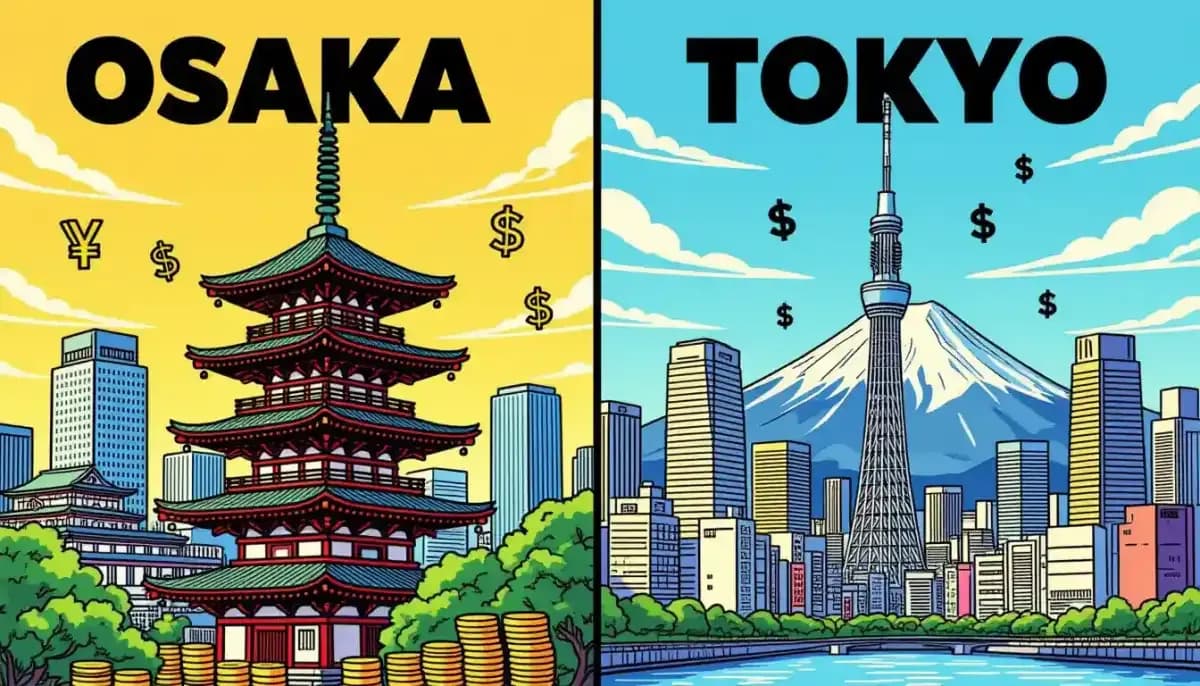
Comprehensive comparison of cost of living in Osaka vs Tokyo for foreigners. Compare rent, food, transport, and salaries with real yen figures to choose the right city for your budget.
Read more →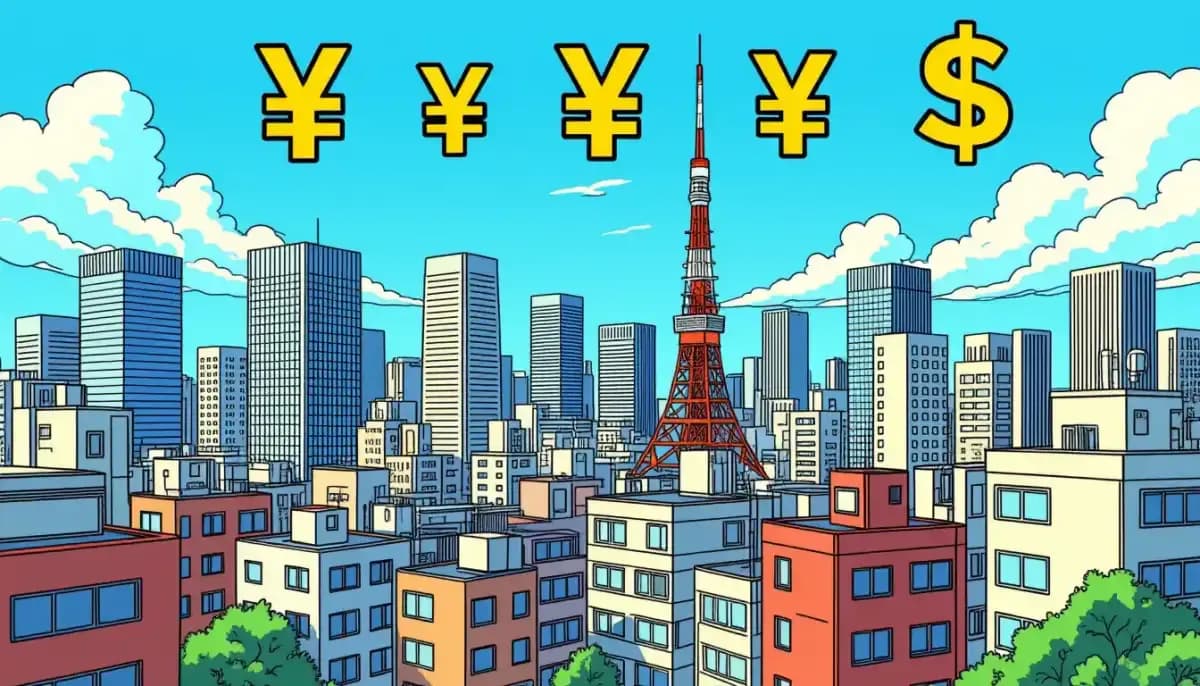
Complete breakdown of the cost of living in Tokyo for foreigners — rent, food, utilities, transport, healthcare, and sample monthly budgets from ¥180,000 to ¥400,000+.
Read more →
How much does it cost to raise children in Japan? A complete breakdown of childcare, education, and government subsidies for foreign residents — including free childcare and child allowance.
Read more →