
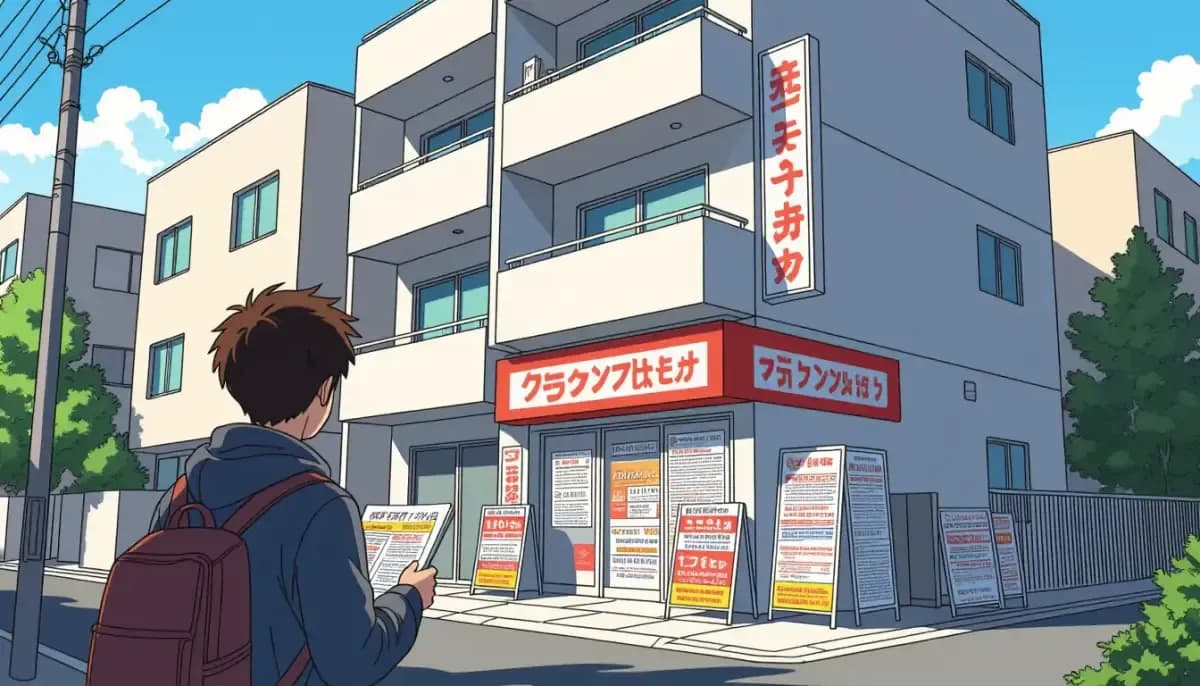
Tokyo Apartment Hunting Tips for Foreigners
Complete guide to finding an apartment in Tokyo as a foreigner. Learn about rental costs, required documents, guarantor system, best neighborhoods, and negotiation strategies for expats.
Read more →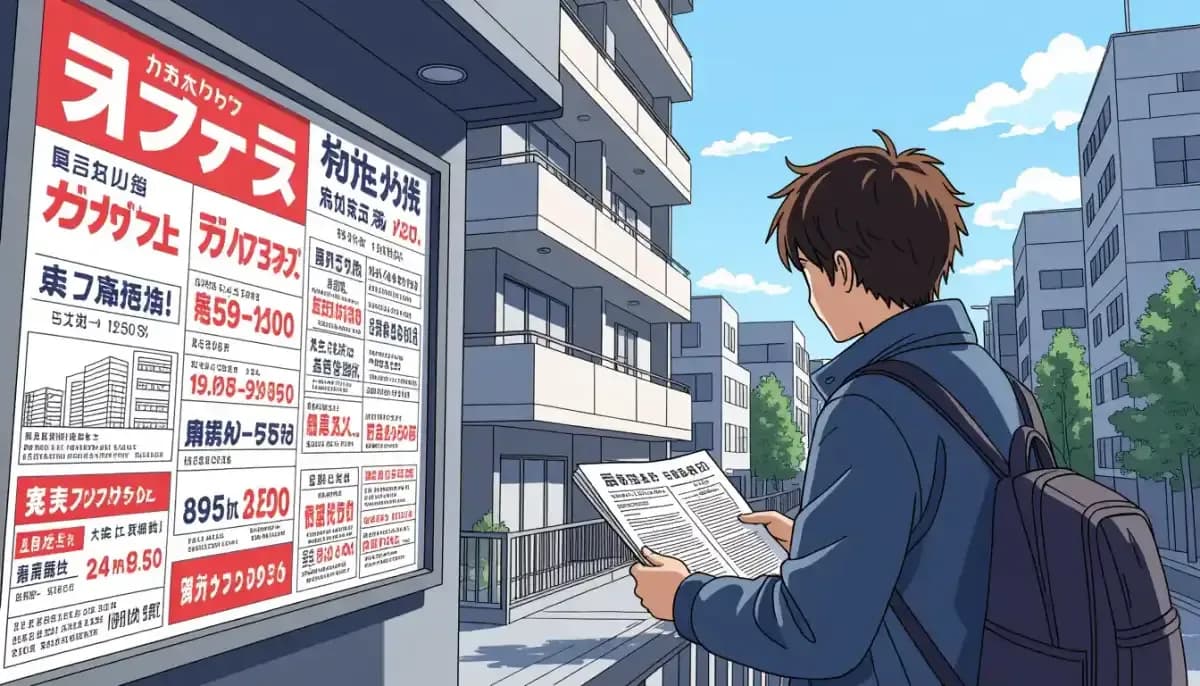
Everything foreigners need to know about finding housing in Japan — rental costs, key money, guarantor requirements, apartment hunting tips, and the best websites for apartment searching.
Finding a place to live in Japan as a foreigner can feel overwhelming. Between unfamiliar rental customs, language barriers, and unique costs like key money, the Japanese housing market operates very differently from what most expats are used to. However, with the right preparation and knowledge, you can navigate the process smoothly and find an apartment that fits your needs and budget.
This comprehensive guide covers everything you need to know about finding housing in Japan — from understanding the types of housing available, to navigating the application process, dealing with upfront costs, and settling into your new home. Whether you are moving to Tokyo, Osaka, or a smaller city, this guide will help you make informed decisions.
Japan offers a wide variety of housing options, each suited to different lifestyles and budgets. Understanding the Japanese room layout system is the first step to finding the right place.
Japanese apartment listings use a unique naming system based on room count and kitchen size:
| Layout | Description | Best For | Typical Size |
|---|---|---|---|
| 1R (One Room) | Single room with kitchenette, no partition | Students, short-term stays | 13-20 sqm |
| 1K (One Kitchen) | One room + separate small kitchen | Singles, young professionals | 18-25 sqm |
| 1DK | One room + dining-kitchen area | Couples, remote workers | 25-35 sqm |
| 1LDK | One room + living-dining-kitchen | Couples, small families | 35-50 sqm |
| 2LDK | Two rooms + living-dining-kitchen | Families | 50-70 sqm |
| 3LDK | Three rooms + living-dining-kitchen | Larger families | 65-90 sqm |
Beyond standard apartments, you can also consider:
For a detailed comparison of shared living options, check out Living in Nihon's housing guide.
Rental costs vary dramatically depending on location. Here is a breakdown of average monthly rents across major Japanese cities:
| City/Area | Studio (Single) | Family Unit (2LDK+) |
|---|---|---|
| Tokyo (average) | ¥69,202 | ¥92,875 |
| Tokyo - Minato Ward | ¥136,300 | ¥322,500 |
| Tokyo - Shibuya Ward | ¥93,500 | ¥226,900 |
| Osaka | ¥54,836 | ¥73,581 |
| Kanagawa (Yokohama) | ¥57,749 | ¥78,000 |
| Kyoto | ¥52,823 | ¥70,000 |
| Fukuoka | ¥47,131 | ¥65,000 |
| Nagoya | ¥49,957 | ¥68,000 |
| Saitama | ¥52,864 | ¥70,500 |
| Tottori (lowest in Japan) | ¥38,796 | ¥58,000 |
Rental prices in major cities have been rising approximately 4.2% year-on-year, driven by urbanization and increasing demand for quality housing. If you are on a tight budget, consider areas just outside major city centers — for example, living in Saitama or Chiba while commuting to Tokyo can save you ¥15,000-30,000 per month.
For a comprehensive breakdown of living costs including rent, see our cost of living guide.
One of the biggest shocks for foreigners renting in Japan is the massive upfront cost. You should budget 4-6 months' worth of rent just to move in. Here is what you will typically pay:
| Fee | Amount | Refundable? | Notes |
|---|---|---|---|
| Security deposit (敷金/shikikin) | 0-2 months' rent | Partially | Deductions for cleaning and repairs |
| Key money (礼金/reikin) | 0-2 months' rent | No | "Thank you" payment to landlord |
| Agency fee (仲介手数料) | 0.5-1 month's rent + tax | No | Real estate agent commission |
| Guarantor company fee (保証料) | 50-100% of monthly rent | No | If using a guarantee company |
| Fire insurance (火災保険) | ¥15,000-20,000 | No | Mandatory |
| Key exchange fee (鍵交換費) | ¥15,000-30,000 | No | Changing locks for new tenant |
| First month's rent | 1 month | N/A | Due at signing |
Example: For an apartment with ¥80,000 monthly rent, your upfront costs could range from ¥240,000 to ¥460,000 (approximately $1,600-$3,100 USD).
To reduce these costs, look for apartments advertised as "0 key money, 0 deposit" (敷金0・礼金0), or consider UR apartments which charge no key money or agency fees. You can find more about housing and living infrastructure for foreigners at For Work in Japan.
The guarantor (保証人/hoshounin) requirement is perhaps the single biggest challenge foreigners face when renting in Japan. Almost all private rentals require either a personal guarantor or enrollment with a guarantee company.
Personal guarantor requirements:
Since most foreigners don't know someone who can serve as guarantor, here are your options:
For more about navigating Japanese administrative processes, our moving guide covers the essentials.
Only an estimated 10-20% of real estate companies in Japan actively rent to foreigners, so using the right platforms is essential. Here are the most useful resources:
Major Japanese platforms (largest selection, mostly Japanese):
Foreigner-friendly platforms (English support):
No-guarantor options:
For more foreigner-friendly rental listing sites, MATCHA's guide covers 8 great options. You can also find career-related resources at Ittenshoku if you are job hunting alongside your apartment search.
Here is a step-by-step breakdown of the typical rental process in Japan:
Step 1: Prepare your documents You will need:
Step 2: Search and visit properties
Step 3: Submit your application
Step 4: Background screening
Step 5: Sign the contract
The entire process typically takes 2-4 weeks from first viewing to move-in. Plan ahead and start searching at least one month before your desired move-in date.
If you need help understanding the paperwork, our guide to banking and finance covers related financial topics.
Based on research and expat experiences, here are essential tips to improve your chances:
Timing matters:
Save money:
Improve your chances of approval:
Safety considerations:
For more about staying safe in Japan, see our safety and emergency preparedness guide.
If you are not ready to commit to a long-term lease, Japan offers several flexible alternatives:
These options are especially useful when you first arrive in Japan and need a base while you search for a permanent apartment. For detailed tips on daily life logistics once you have settled in, check our daily life guide.
Once you have your keys, there are several important steps to complete:
Understanding Japanese culture and etiquette will help you be a good neighbor and avoid common misunderstandings.
Can foreigners buy property in Japan? Yes, there are no restrictions on foreigners buying property in Japan. You do not even need to be a resident. However, getting a mortgage as a non-resident is extremely difficult. For residents, major banks like SMBC and Mizuho offer mortgages to foreigners with permanent residency.
What if I get rejected by a landlord? Rejection is unfortunately common. Some estimates suggest up to 40% of landlords prefer not to rent to foreigners. Don't get discouraged — use foreigner-friendly agencies and platforms, and consider having a Japanese colleague or friend help communicate with the landlord.
How long are typical lease agreements? Most leases are for 2 years, with a renewal fee (更新料/koushinryou) of 1 month's rent. Some landlords offer month-to-month after the initial term.
Do I need to speak Japanese to rent an apartment? While many foreigner-friendly agencies offer English support, having basic Japanese or a Japanese-speaking friend will significantly expand your options and help with the contract process. Check our guide to learning Japanese for resources.
For more detailed information on renting as a foreigner, Plaza Homes' comprehensive guide and Tokyo Cheapo's practical tips are excellent resources.
Finding housing in Japan as a foreigner requires patience, preparation, and flexibility. The upfront costs are steep, the guarantor system adds complexity, and language barriers can make the process frustrating. But Japan's rental market also offers incredible value — well-maintained apartments in safe neighborhoods with reliable infrastructure and excellent public transportation access.
Start your search early, use the right platforms, prepare your documents, and don't be discouraged by initial rejections. With the information in this guide, you are well-equipped to find a comfortable home in Japan.
If you are still planning your move, our complete guide to moving to Japan covers visa requirements, preparation checklists, and first-week essentials. For understanding your visa options and work opportunities, check our dedicated guides.
Complete guide to finding an apartment in Tokyo as a foreigner. Learn about rental costs, required documents, guarantor system, best neighborhoods, and negotiation strategies for expats.
Read more →
Discover the best short term housing options in Japan for foreigners, including monthly apartments, share houses, serviced apartments, and vacation rentals with costs and tips.
Read more →
Step-by-step guide to moving out of a Japanese apartment as a foreigner. Learn about notice periods, security deposits, restoration fees, cleaning tips, and how to protect your deposit refund.
Read more →
Complete breakdown of monthly apartment costs in Japan including rent by city, utilities, internet, management fees, and budget-saving tips for foreign residents.
Read more →
Complete guide to getting a guarantor company (hoshō kaisha) in Japan as a foreigner. Learn about types, costs, application process, required documents, and tips for approval.
Read more →
Everything foreigners need to know about UR housing in Japan, including eligibility requirements, costs, application process, apartment types, and practical tips for a smooth move-in.
Read more →
Understand Japanese lease contracts as a foreigner. Learn about key money, deposits, guarantor requirements, essential clauses, and tips to protect yourself when renting in Japan.
Read more →
Complete guide to share houses in Japan for foreigners. Compare costs, learn the pros and cons, discover top platforms like Oakhouse and Borderless House, and find tips for a smooth experience.
Read more →
Find the best foreigner-friendly real estate agents in Japan. Compare top agencies, understand rental costs, avoid discrimination, and navigate the Japanese housing market with confidence.
Read more →
Discover the best apartment hunting websites for foreigners in Japan. Compare platforms like BEST-ESTATE.JP, Real Estate Japan, OYO LIFE, and more with rental costs, tips, and Tokyo rent data for 2025.
Read more →
Understanding key money (reikin) and security deposit (shikikin) in Japan. Complete guide covering costs, regional differences, negotiation tips, and how to avoid key money when renting an apartment.
Read more →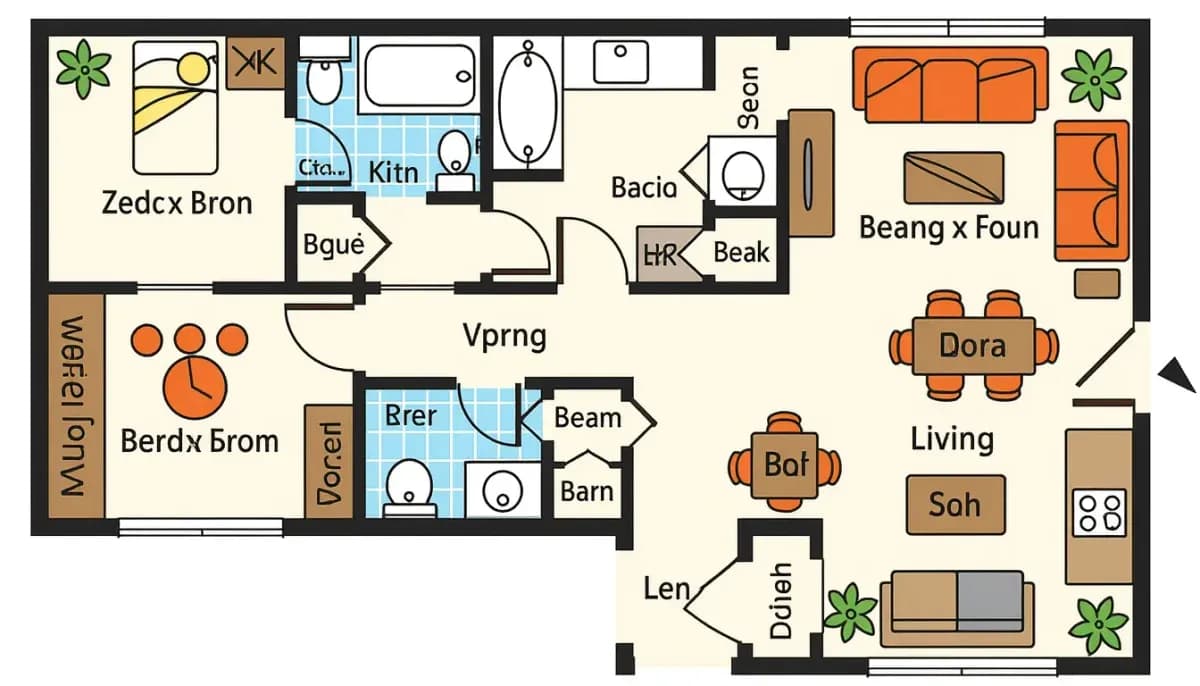
Complete guide to Japanese apartment layouts and floor plans for foreigners. Learn what 1K, 1LDK, 2LDK mean, how to read floor plan diagrams, tatami measurements, and tips for choosing the right apartment in Japan.
Read more →
Complete guide to renting an apartment in Japan as a foreigner. Learn about upfront costs, key money, guarantor requirements, documents needed, and tips to find foreigner-friendly housing.
Read more →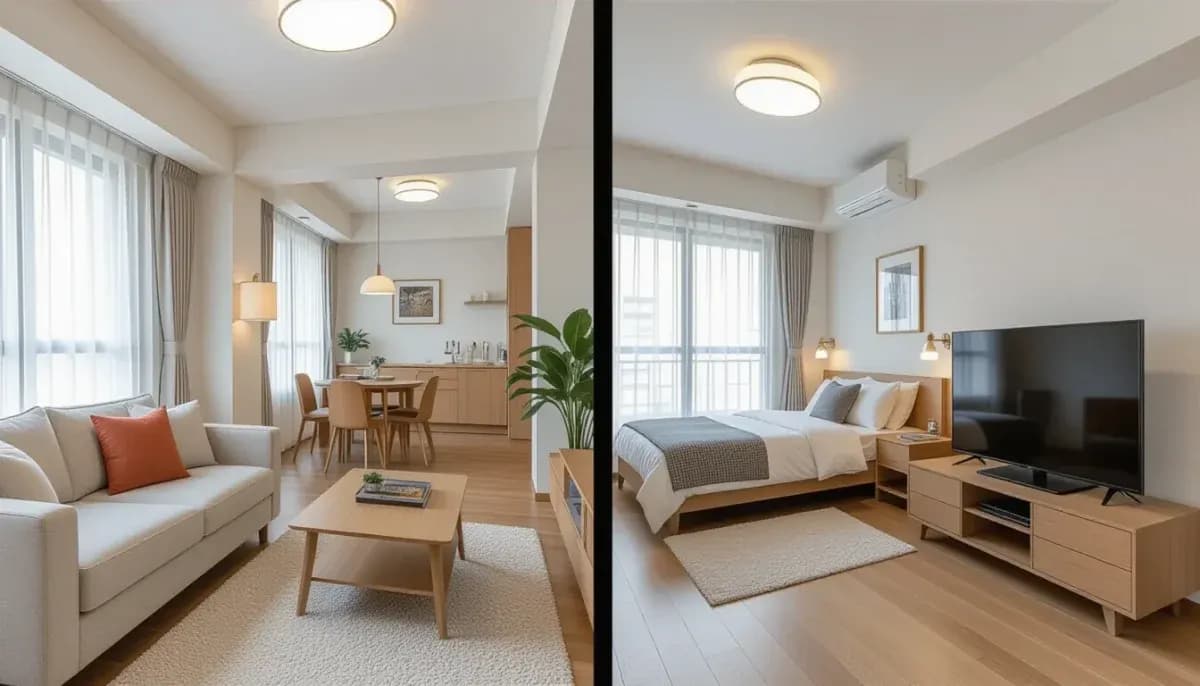
Compare furnished and unfurnished apartments in Japan with detailed cost breakdowns, pros and cons, and practical tips for foreigners choosing the right rental option.
Read more →