
Share Houses in Japan Pros Cons and How to Find One

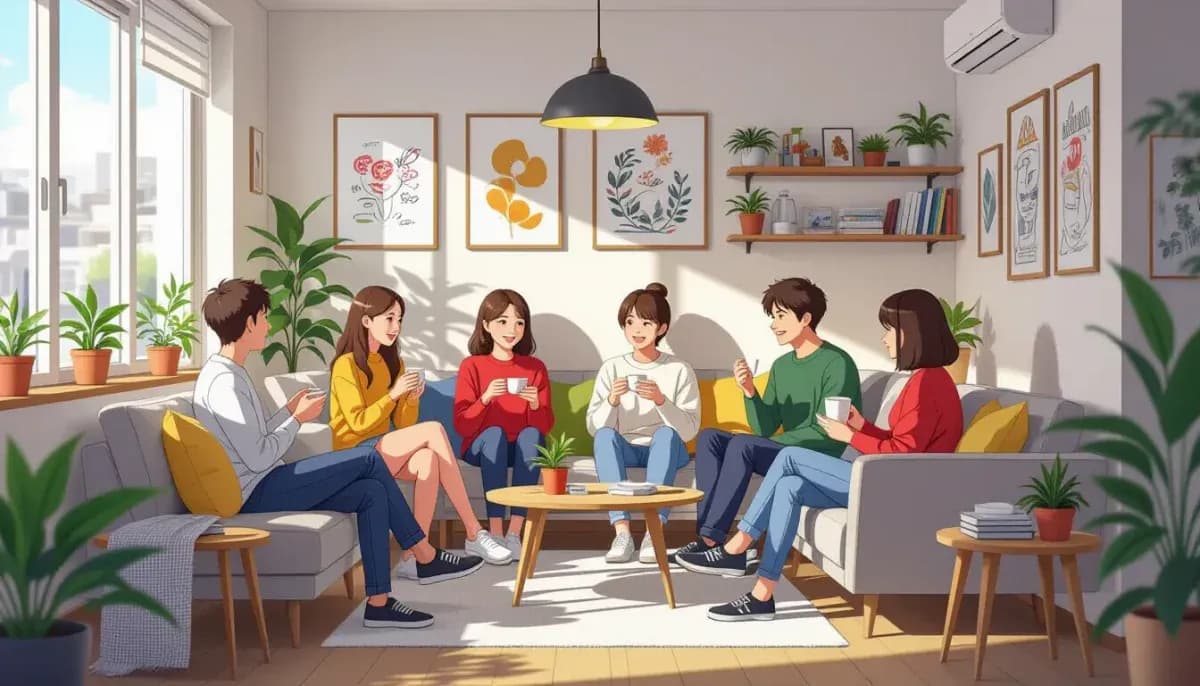
Complete guide to share houses in Japan for foreigners. Compare costs, learn the pros and cons, discover top platforms like Oakhouse and Borderless House, and find tips for a smooth experience.
Share Houses in Japan: Pros, Cons, and How to Find One
Moving to Japan as a foreigner comes with plenty of challenges, and finding affordable housing is near the top of the list. Share houses have become one of the most popular solutions for expats, international students, and young professionals looking for a convenient and budget-friendly place to live. With over 5,000 share houses operating across the country, this style of communal living offers a unique way to settle into life in Japan without breaking the bank.
In this guide, we will cover everything you need to know about share houses in Japan — from the real costs and key benefits to the downsides you should consider before signing a contract. Whether you are planning your first move to Japan or looking for a more affordable alternative to a solo apartment, this article has you covered.
What Exactly Is a Share House?
A share house is a residential property where tenants rent their own private room while sharing common areas such as the kitchen, living room, bathrooms, and laundry facilities. Unlike a traditional apartment, share houses come fully furnished and include utilities in the monthly fee, making them an attractive option for newcomers who want to avoid the hassle and cost of setting up a home from scratch.
Most share house residents are in their 20s and 30s — a mix of students, office workers, freelancers, and international students. Some share houses cater specifically to foreigners or women, while others promote a diverse, multicultural environment. You can find everything from small houses with 5 residents to large buildings with 100+ rooms.
If you are still deciding between a share house and other communal options, this comparison guide on Living in Nihon breaks down the differences between share houses and guest houses in detail.
How Much Does a Share House Cost?
One of the biggest draws of share houses is the dramatically lower cost compared to renting a standard apartment in Japan. Here is a breakdown of what you can expect to pay:
| Cost Category | Share House | 1R Apartment | 1LDK Apartment |
|---|---|---|---|
| Monthly Rent | ¥20,000 - ¥80,000 | ¥60,000 - ¥120,000 | ¥90,000 - ¥180,000 |
| Average Rent (Tokyo) | ¥56,000 | ¥80,000 | ¥120,000 |
| Initial Move-in Cost | ~¥72,000 | ~¥479,500 | ~¥637,000 |
| Key Money | ¥0 | ¥60,000 - ¥120,000 | ¥90,000 - ¥180,000 |
| Deposit | ¥0 - ¥30,000 | ¥60,000 - ¥120,000 | ¥90,000 - ¥180,000 |
| Utilities Included | Yes (usually) | No | No |
| Furniture Included | Yes | No | No |
Moving into a share house can save you approximately ¥407,500 in first-month costs compared to renting a standard 1R apartment when you factor in deposits, key money, guarantor fees, and the cost of buying furniture and appliances.
In central Tokyo (the 23 wards), share house rents typically range from ¥40,000 to ¥80,000 per month. Outside central Tokyo, you can find rooms from ¥25,000 to ¥70,000. On top of rent, most share houses charge a management or common service fee of ¥10,000 to ¥15,000 per month, which covers utilities, internet, and cleaning of common areas. For a detailed breakdown of housing costs across Japan, check out our cost of living guide.
The Biggest Advantages of Share House Living
No Guarantor Required
This is arguably the most important benefit for foreigners. Renting a regular apartment in Japan almost always requires a Japanese guarantor (連帯保証人), which most newcomers simply do not have. Share houses eliminate this requirement entirely, making them one of the most accessible housing options available. Learn more about navigating housing in Japan as a foreigner.
Furnished and Ready to Move In
Share houses come with a bed, desk, wardrobe, air conditioning, and access to shared appliances like a washing machine, rice cooker, and microwave. You can move in with just a suitcase — no need to spend tens of thousands of yen on furniture and appliances.
Built-In Community
Living in a share house naturally creates social connections that are hard to build in a solo apartment. Many share houses organize monthly events like cooking nights, movie screenings, and seasonal parties. For foreigners who are still building their social network in Japan, this can be invaluable. If making friends is a priority, our guide on making friends and social life in Japan covers more strategies.
Flexible Contracts
Most share houses offer month-to-month or short-term contracts (minimum 1-3 months), unlike regular apartments that typically lock you into a 2-year lease. This flexibility is perfect if you are still figuring out which neighborhood suits you or if you plan to stay in Japan for a limited time.
Language and Cultural Immersion
Many share houses specifically mix Japanese and international residents, creating daily opportunities to practice Japanese and learn about local culture. Companies like Borderless House actively promote international exchange as a core feature of their properties.
The Downsides You Should Know About
Limited Privacy
Your private room is your own, but you will share bathrooms, kitchens, and living spaces with multiple people. If you value quiet time and personal space, the constant presence of housemates can become draining. Noise from communal areas — especially kitchens and living rooms — is one of the most common complaints.
Shared Responsibilities and Scheduling Conflicts
You will need to coordinate with other residents for access to the washing machine, kitchen, and bathrooms. Some share houses have cleaning rotas, while others rely on management companies to handle common area maintenance. Either way, conflicts over cleanliness and shared resources do happen regularly.
Potential for Housemate Conflicts
From disappearing food in the shared fridge to noise complaints and disagreements over house rules, interpersonal conflicts are a reality of communal living. Cultural differences and language barriers can make resolving these issues more complicated. Most share house management companies offer mediation services, but the outcome depends heavily on the people you live with.
Building Quality Varies
Some share houses are converted from older residential buildings that may have issues with humidity, insulation, or earthquake safety standards. Always visit in person before signing a contract — photos on websites can be outdated or misleading. For broader tips on evaluating housing options in Japan, our complete housing guide is a useful resource.
Not Ideal for Long-Term Living
Share houses work best as transitional housing for 1-2 years while you establish yourself in Japan. Most residents eventually move to private apartments once they have built up savings, found a guarantor, and learned enough Japanese to navigate the regular rental market.
How to Find the Right Share House
Finding a share house that suits your lifestyle and budget requires some research. Here are the main platforms and companies that cater to foreigners:
| Platform | Key Features | Price Range | Website |
|---|---|---|---|
| Oakhouse | Large network, no guarantor, English support | ¥40,000 - ¥80,000 | oakhouse.jp |
| Borderless House | International mix, cultural exchange focus | ¥50,000 - ¥80,000 | borderless-house.com |
| Sakura House | Long history, all-inclusive pricing | ¥45,000 - ¥75,000 | sakura-house.com |
| XROSS House | ¥0 deposit, ¥0 key money, ¥0 agency fee | ¥29,800 - ¥60,000 | x-house.co.jp |
| Tokyo Sharehouse | Search portal with many listings | ¥20,000 - ¥80,000 | tokyosharehouse.com |
When evaluating a share house, pay attention to:
- Location and commute: How close is it to your workplace or school? Check train lines and travel time.
- Resident demographics: Are residents mostly students, professionals, or a mix? Is it international or primarily Japanese?
- House rules: What are the policies on guests, quiet hours, and cleaning duties?
- Room size and amenities: Does the room include air conditioning, a desk, and adequate storage?
- Contract terms: What is the minimum stay? What are the cancellation and move-out policies?
For a comprehensive overview of housing infrastructure for foreigners working in Japan, For Work in Japan's housing guide covers everything from apartment hunting to setting up utilities.
Tips for a Smooth Share House Experience
Visit before you commit. Always schedule an in-person viewing (or an online viewing via video call if you are overseas). Pay attention to the atmosphere, cleanliness of common areas, and the general vibe of current residents.
Read the house rules carefully. Every share house has its own set of rules. Some are strict about noise, guests, and shared space usage. Make sure the rules align with your lifestyle before signing.
Communicate through management. If conflicts arise with housemates, it is generally better to go through the share house management company rather than confronting someone directly. This avoids awkwardness and ensures there is a neutral mediator.
Start with a short contract. If you are unsure whether share house living is right for you, start with a 1-3 month contract. Many share houses offer trial periods or short-term stays so you can test the waters.
Keep your belongings organized. Label your food in the shared fridge, keep your items in designated spaces, and respect the boundaries of shared areas. Small courtesies go a long way in communal living.
If you are considering share house living as part of your broader move to Japan, our complete guide to moving to Japan walks you through every step of the process from visas to settling in.
Who Should Consider a Share House?
Share houses are an excellent fit for:
- Newcomers to Japan who need affordable, hassle-free housing without a guarantor
- International students on a budget who want a social living environment
- Working holiday visa holders looking for short-term, flexible accommodation
- Remote workers and freelancers who appreciate community and networking opportunities
- Anyone relocating within Japan who needs temporary housing while apartment hunting
They may not be the best choice for couples, families, or anyone who prioritizes privacy and quiet above all else. For those situations, exploring regular rental apartments through our housing guide may be more appropriate.
Frequently Asked Questions
Can I live in a share house on a tourist visa? Some share houses accept tourists for short stays (1-3 months), but most prefer residents with a valid residence status. Check with the management company directly.
Do share houses accept pets? Most share houses do not allow pets due to shared spaces. If pet ownership is important to you, see our guide on pet ownership in Japan.
Is a share house the same as a guest house? Not exactly. Guest houses tend to be more basic and short-term, while share houses offer more community features and longer-term contracts. Living in Nihon's comparison guide explains the differences in detail.
Can I cook in a share house? Yes — all share houses have shared kitchens. Some larger properties have multiple kitchen areas to reduce wait times.
What happens if I have trouble with a housemate? Contact the share house management company. Most reputable companies have staff who handle disputes and can mediate between residents. For career-related resources and support services for foreigners in Japan, Ittenshoku offers guidance on professional topics that may also affect your housing decisions.
Finding the right share house can make your first months or years in Japan significantly more comfortable and affordable. Take your time researching, visit properties in person, and choose a house that matches both your budget and your lifestyle. With the right fit, a share house can be more than just a place to sleep — it can be your first real community in Japan.

Originally from Vietnam, living in Japan for 16+ years. Graduated from Nagoya University, with 11 years of professional experience at Japanese and international companies. Sharing information about living in Japan for foreigners.
View Profile →Related Articles
Tokyo Apartment Hunting Tips for Foreigners
Complete guide to finding an apartment in Tokyo as a foreigner. Learn about rental costs, required documents, guarantor system, best neighborhoods, and negotiation strategies for expats.
Read more →
Short Term Housing Options in Japan for Foreigners
Discover the best short term housing options in Japan for foreigners, including monthly apartments, share houses, serviced apartments, and vacation rentals with costs and tips.
Read more →
Furnished vs Unfurnished Apartments in Japan
Compare furnished and unfurnished apartments in Japan with detailed cost breakdowns, pros and cons, and practical tips for foreigners choosing the right rental option.
Read more →
Complete Guide to Moving Out of a Japanese Apartment
Step-by-step guide to moving out of a Japanese apartment as a foreigner. Learn about notice periods, security deposits, restoration fees, cleaning tips, and how to protect your deposit refund.
Read more →
Monthly Apartment Costs in Japan Fully Explained
Complete breakdown of monthly apartment costs in Japan including rent by city, utilities, internet, management fees, and budget-saving tips for foreign residents.
Read more →
How to Get a Guarantor Company in Japan
Complete guide to getting a guarantor company (hoshō kaisha) in Japan as a foreigner. Learn about types, costs, application process, required documents, and tips for approval.
Read more →