
How to Rent an Apartment in Japan as a Foreigner

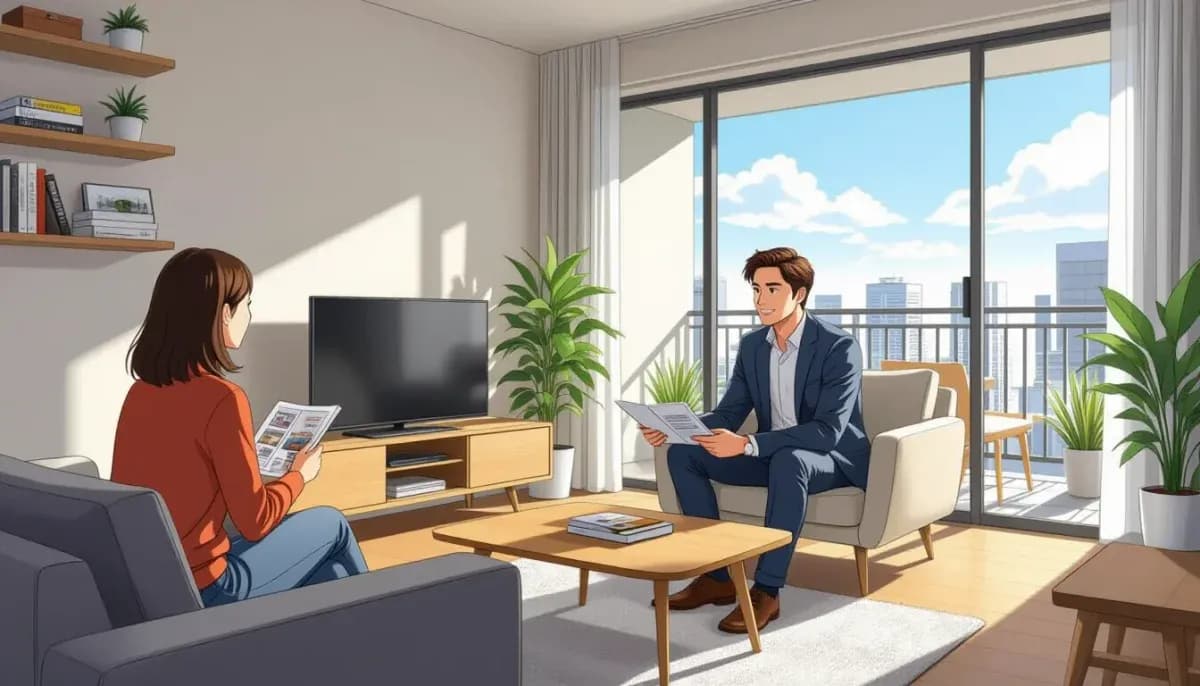
Complete guide to renting an apartment in Japan as a foreigner. Learn about upfront costs, key money, guarantor requirements, documents needed, and tips to find foreigner-friendly housing.
How to Rent an Apartment in Japan as a Foreigner
Finding a place to live is one of the biggest challenges when moving to Japan. The Japanese rental market has its own unique customs, fees, and requirements that can be confusing for newcomers. From key money and guarantor systems to navigating listings in Japanese, the process demands preparation and patience. This guide walks you through everything you need to know to successfully rent an apartment in Japan as a foreigner.
Understanding the Japanese Rental System
The Japanese rental market operates very differently from most Western countries. One of the first things you will notice is the variety of unique fees that do not exist elsewhere. Unlike many countries where you simply pay a security deposit and first month's rent, Japan requires several additional upfront payments that can add up quickly.
There are also cultural factors at play. Landlords in Japan tend to be cautious, and unfortunately, some are reluctant to rent to foreigners. According to various real estate sources, only about 10-20% of Japanese real estate agencies actively work with foreign tenants. There are no specific laws in Japan that protect foreigners from being refused rental housing, so it is important to know your options and prepare thoroughly.
If you are planning your move, check out our complete guide to moving to Japan for a broader overview of the relocation process. You can also find more detailed housing information at Living in Nihon's housing guide.
Types of Apartments in Japan
Before you start apartment hunting, it helps to understand the common types of housing available in Japan.
Apaato (アパート) are typically smaller, wooden-frame buildings with two to three stories. They tend to be more affordable but offer less soundproofing.
Manshon (マンション) are reinforced concrete buildings with three or more stories. They offer better soundproofing, security features, and generally higher build quality.
Share Houses are shared living spaces where you have a private room but share common areas like the kitchen and bathroom. These are popular among younger foreigners and often require less paperwork.
Japanese apartment layouts use a specific naming system:
| Layout | Meaning | Typical Size | Best For |
|---|---|---|---|
| 1R | One room with kitchenette | 15-20 sqm | Single budget living |
| 1K | One room + separate kitchen | 20-25 sqm | Single professionals |
| 1DK | One room + dining kitchen | 25-30 sqm | Singles wanting more space |
| 1LDK | One room + living/dining/kitchen | 30-40 sqm | Couples |
| 2LDK | Two rooms + living/dining/kitchen | 40-55 sqm | Small families |
| 3LDK | Three rooms + living/dining/kitchen | 55-70 sqm | Families |
The number represents bedrooms, L stands for living room, D for dining room, and K for kitchen. Average Tokyo apartment sizes are considerably smaller than Western standards, so adjust your expectations accordingly.
Upfront Costs You Need to Prepare For
One of the biggest shocks for foreigners is the high initial cost of renting in Japan. You should budget 4 to 6 months' worth of rent as upfront payment before moving in. Here is a breakdown of what to expect:
| Fee | Amount | Refundable? |
|---|---|---|
| First month's rent | 1 month | No |
| Security deposit (shikikin) | 1-2 months' rent | Partially (minus repairs) |
| Key money (reikin) | 0-2 months' rent | No |
| Agency fee | 0.5-1 month's rent | No |
| Guarantor company fee | 0.5-1 month's rent | No |
| Fire insurance | ¥15,000-25,000/year | No |
| Lock exchange fee | ¥10,000-20,000 | No |
Key money (reikin) is a uniquely Japanese concept. It is a non-refundable "gratitude payment" to the landlord for allowing you to rent their property. While the practice is becoming less common, especially in properties marketed to foreigners, many landlords still require it. Properties advertising "zero key money" are increasingly common in Tokyo and Osaka.
Security deposit (shikikin) works similarly to deposits elsewhere, but landlords in Japan sometimes deduct aggressively for cleaning and minor repairs when you move out. Document the condition of your apartment thoroughly when you move in.
For a concrete example: if your monthly rent is ¥100,000, expect to pay ¥600,000 to ¥900,000 upfront. For more details on managing your finances in Japan, see our banking and finance guide.
The Guarantor System Explained
Almost every rental in Japan requires a guarantor (保証人, hoshounin). This is someone who agrees to take financial responsibility if you fail to pay rent or cause damage. For most foreigners, finding a personal Japanese guarantor is difficult.
The solution is a guarantor company (保証会社, hoshougaisha). These companies act as your guarantor for a fee, typically 0.5 to 1 month's rent upfront, plus an annual renewal fee. Most landlords and real estate agencies accept guarantor companies, and some exclusively work with them.
Your employer may also be willing to act as your guarantor, which can significantly smooth the rental process. If your company offers housing support, take advantage of it.
For information about work-related housing support, check out For Work in Japan's housing guide and our guide on working in Japan as a foreigner.
Documents You Need to Prepare
Having all your documents ready before you start apartment hunting saves significant time. Here is what most landlords and agencies will require:
- Residence card (在留カード) — Your most important document for renting
- Passport — A copy is usually sufficient
- Certificate of employment or proof of income
- Recent pay stubs (usually 3 months)
- Tax withholding slip (源泉徴収票)
- Japanese phone number — Effectively mandatory; landlords need to reach you
- Japanese bank account — Required for automatic rent payments
- Resident registration certificate — Available from your local ward office
- Seal certificate (印鑑証明) — If you have registered a personal seal
A Japanese phone number and bank account are especially critical. Most landlords will not proceed without them, as rent in Japan is almost always paid through automatic bank transfers. For help with financial setup, refer to our cost of living guide.
Where to Search for Apartments
There are several ways to find apartments in Japan, each with its own advantages:
Foreigner-friendly agencies such as E-Housing, Able, and Japan Home Search specialize in helping non-Japanese tenants. They offer English support and understand the challenges foreigners face.
Japanese listing sites like Suumo, Chintai, Homes.co.jp, and Apaman Shop have the widest selection. However, they are primarily in Japanese, and some listed properties may not accept foreign tenants.
UR (Urban Renaissance Agency) apartments are a government-backed option with significant advantages for foreigners: no key money, no agency fees, and no guarantor requirement. The trade-off is that locations and availability are more limited, and the buildings tend to be older.
Share houses through companies like Sakura House, Oak House, and Borderless House offer furnished rooms without key money, making them ideal for short-term stays or newcomers who want to settle in before committing to a long-term lease.
As outlined in Tokyo Cheapo's rental guide, using the REINS system means any real estate agent can access the same listings, so you are not limited to one agency's inventory.
The Application and Screening Process
Once you find an apartment you like, the application process typically takes 2 to 4 weeks:
- Submit your application with all required documents
- Screening by the landlord and guarantor company (2 days to 1 week)
- Contract review and signing (allow several days to read everything carefully)
- Payment of all upfront fees
- Key handover and move-in
During screening, landlords evaluate your financial stability, employment status, visa validity, and rental history. Having stable employment with a Japanese company significantly improves your chances. Your monthly rent should ideally not exceed one-third of your monthly income.
The screening process may include a phone call from the guarantor company to verify your information. They may call your workplace as well. This is standard practice and not a cause for concern.
If you are working in specialized fields like IT, resources at Ittenshoku can help you understand career options that strengthen your rental applications.
Tips for a Successful Apartment Search
Timing matters. Avoid apartment hunting during moving season in late March through April and again in September through October. During these peak periods, competition is fierce and prices are higher. Moving during quieter months gives you better options and negotiating power.
Negotiate fees, not rent. Base rent in Japan is rarely negotiable, but you can often negotiate away key money, cleaning fees, or get a free month of rent (フリーレント). Do not be afraid to ask.
Consider location strategically. Proximity to a train station is the biggest factor affecting rent. An apartment 15 minutes' walk from the station can be significantly cheaper than one 5 minutes away. Choosing a convenient train line over a specific neighborhood can save you substantial money.
Use multiple agencies. Since all agents can access the REINS database, visit several agencies to compare their service quality and fees rather than their listing inventory.
Apartments 10-20 years old often offer the best value, combining reasonable prices with modern amenities and good maintenance. Newer buildings command a premium, while much older buildings may lack features like auto-lock systems.
Learn basic Japanese phrases related to housing. Even simple phrases show goodwill and can help during viewings. Our Japanese language learning guide has useful resources.
For more about daily life expenses, see our daily life in Japan guide and our guide to transportation in Japan, which can help you evaluate commute times and costs.
Common Pitfalls to Avoid
Not reading the contract carefully. Japanese rental contracts are detailed and binding. Get help translating the contract if needed. Pay attention to renewal fees (usually 1 month's rent every 2 years), pet policies, and rules about modifications.
Ignoring move-out costs. Landlords may try to deduct excessive amounts from your deposit for cleaning and repairs. Take detailed photos when you move in and keep them as evidence. Professional cleaning fees of ¥30,000 to ¥80,000 are common deductions. Our guide on finding housing in Japan covers this topic in detail.
Not understanding the garbage rules. Japan has strict waste separation rules, and failure to follow them can lead to complaints from neighbors and problems with your landlord. Check our daily life guide for waste management tips.
Underestimating utility setup. You need to separately arrange electricity, gas, water, and internet. Gas typically requires an in-person appointment for activation. Budget ¥10,000 to ¥30,000 for connection fees.
Forgetting about renewal fees. Most Japanese leases are 2-year terms with a renewal fee of 1 month's rent. Factor this into your long-term budget. Some properties offer automatic renewal without fees, so ask about this before signing.
Conclusion
Renting an apartment in Japan as a foreigner requires more preparation and upfront investment than in many other countries, but with the right knowledge and documentation, it is absolutely achievable. Start your search early, prepare your documents, budget for 4-6 months of rent in upfront costs, and consider using foreigner-friendly agencies or UR housing to simplify the process. Once you have secured your apartment, you will have a comfortable base from which to enjoy everything Japan has to offer. For a comprehensive overview of Japan's cost of living and tips on managing your finances, explore our other guides on the site.

Originally from Vietnam, living in Japan for 16+ years. Graduated from Nagoya University, with 11 years of professional experience at Japanese and international companies. Sharing information about living in Japan for foreigners.
View Profile →Related Articles
Tokyo Apartment Hunting Tips for Foreigners
Complete guide to finding an apartment in Tokyo as a foreigner. Learn about rental costs, required documents, guarantor system, best neighborhoods, and negotiation strategies for expats.
Read more →
Short Term Housing Options in Japan for Foreigners
Discover the best short term housing options in Japan for foreigners, including monthly apartments, share houses, serviced apartments, and vacation rentals with costs and tips.
Read more →
Furnished vs Unfurnished Apartments in Japan
Compare furnished and unfurnished apartments in Japan with detailed cost breakdowns, pros and cons, and practical tips for foreigners choosing the right rental option.
Read more →
Complete Guide to Moving Out of a Japanese Apartment
Step-by-step guide to moving out of a Japanese apartment as a foreigner. Learn about notice periods, security deposits, restoration fees, cleaning tips, and how to protect your deposit refund.
Read more →
Monthly Apartment Costs in Japan Fully Explained
Complete breakdown of monthly apartment costs in Japan including rent by city, utilities, internet, management fees, and budget-saving tips for foreign residents.
Read more →
How to Get a Guarantor Company in Japan
Complete guide to getting a guarantor company (hoshō kaisha) in Japan as a foreigner. Learn about types, costs, application process, required documents, and tips for approval.
Read more →