

Best Industries Hiring Foreigners in Japan
Discover the top industries hiring foreigners in Japan, from IT and manufacturing to healthcare and hospitality. Complete guide with salary data, statistics, and job search tips for 2025.
Read more →
Everything you need to know about working in Japan as a foreigner — from visa types and job search strategies to salary expectations, workplace culture, and building a long-term career in Japan.
Japan's workforce is changing fast. As of October 2025, foreign workers in Japan hit a record 2.6 million — a jump of 11.7% year-on-year, marking 13 consecutive years of growth. Whether you dream of coding in Tokyo, teaching English in Osaka, or managing a team in Nagoya, this guide covers everything you need to know about building a career in Japan as a foreigner.
Japan faces a serious labor shortage driven by an aging population and declining birth rate. The IT industry alone has over 300,000 unfilled positions, and job openings for foreigners increased by more than 25% from 2023 to 2025. For qualified professionals, the door has never been more open.
The country's strong economy, world-class infrastructure, and unique cultural experience make it a compelling destination. Combine that with improving visa pathways and a growing acceptance of international talent, and you have a rare opportunity to launch or advance your career abroad.
Key reasons foreigners choose to work in Japan include:
For a broader overview of relocating, check out our guide to moving to Japan.
Before you can work in Japan, you need the right visa. Japan offers several work visa categories, each tied to specific professions and qualifications. Here is a breakdown of the most common types:
| Visa Type | Duration | Requirements | Best For |
|---|---|---|---|
| Technology/Humanities/International Services | 1–5 years | Bachelor's degree or 10+ years experience | IT, marketing, translation, engineering |
| Highly Skilled Professional | 5 years (fast PR track) | Point-based system, master's degree + ¥300,000+/month income | Senior professionals, researchers |
| Specified Skilled Worker (SSW1) | Up to 5 years | Skills test + basic Japanese (N4) | 16 labor-shortage industries |
| Specified Skilled Worker (SSW2) | Indefinite renewal | Advanced skills test | Construction, shipbuilding, and more |
| Instructor | 1–5 years | Teaching qualifications | Language schools, international schools |
| Working Holiday | Up to 1 year | Age 18–30, eligible nationality | Short-term cultural exchange |
| Business Manager | 1–5 years | Business plan + ¥5M+ capital | Entrepreneurs |
The Technology/Humanities/International Services visa is the most common route for office professionals. Immigration authorities closely examine whether your job duties align with your educational background, so be prepared to demonstrate this connection clearly.
For detailed visa information, see our Japan work visa types guide and visa application walkthrough. The Ministry of Foreign Affairs of Japan also maintains an official resource on work visas.
Landing a job in Japan requires a different approach than what you may be used to. Here are the most effective strategies:
Several platforms cater specifically to foreign job seekers:
For a detailed comparison, read our guide on best job search websites for foreigners in Japan.
Working with a recruiter can significantly speed up your job search. Agencies like Robert Walters, Michael Page, and Hays Japan specialize in placing international professionals. They handle much of the paperwork and can guide you through the visa application process. See our list of recommended recruitment agencies.
The Tokyo Foreign Employment Service Center — commonly known as the "foreigner's Hello Work" — provides free job listings, counseling, and employment insurance assistance. Local Hello Work offices across Japan also offer support. FRESC (Foreign Residents Support Center) handles visa-related inquiries.
For more job hunting strategies, Living in Nihon has an excellent guide on finding jobs in Japan that covers the full process from search to offer.
One of the biggest questions foreigners have is: "Do I need to speak Japanese?" The short answer is — it depends on the role.
| Japanese Level | Job Opportunities |
|---|---|
| No Japanese | English teaching, some IT/startup roles, international companies |
| JLPT N3 | Manufacturing, construction, basic caregiving |
| JLPT N2 | Engineering, administration, customer service, most corporate roles |
| JLPT N1 | Sales, planning, management, interpretation |
While English-only positions exist — especially in tech companies and English teaching — having JLPT N2 or higher dramatically expands your options. Many companies list N2 as a minimum requirement for non-teaching roles.
If you're starting from zero, our guide to learning Japanese can help you build a study plan. And if you want to explore roles where Japanese isn't strictly required, check out our article on finding a job in Japan without Japanese.
The Japanese job market is not equal across all sectors. Here are the industries with the strongest demand for foreign workers:
With over 300,000 unfilled positions and growing, IT is the hottest sector for foreigners. Software developers, system engineers, data scientists, and cybersecurity professionals are in particularly high demand. Many tech companies operate in English or have international teams. Read more in our IT jobs in Japan guide.
For those considering a career switch into IT, Ittenshoku provides a comprehensive guide to IT career transitions with age-specific strategies and salary expectations.
Teaching English remains one of the most accessible entry points for foreigners in Japan. Positions include ALT (Assistant Language Teacher) roles in public schools, conversation school instructors, and private tutors. A bachelor's degree and native-level English are typically required. See our complete guide to teaching English in Japan.
Manufacturing is the largest employer of foreign workers in Japan, accounting for 24.7% of the total. Opportunities range from factory floor positions to quality assurance and engineering roles. The Specified Skilled Worker visa has opened up more pathways in this sector.
Japan's aging population has created significant demand for healthcare workers, especially in eldercare. The caregiving sector actively recruits from Southeast Asian countries, and language training programs are often provided.
With inbound tourism recovering strongly post-pandemic, hotels, restaurants, and travel companies need multilingual staff. JLPT N3 is typically the minimum language requirement.
For a full breakdown, see our guide to the best industries hiring foreigners in Japan.
Understanding compensation in Japan helps set realistic expectations. As of 2025, the average salary is approximately ¥4.6 million ($29,374) annually. However, this varies widely by industry, experience, and location.
| Role/Situation | Monthly Salary (¥) | Annual Equivalent (¥) |
|---|---|---|
| New graduate (typical) | 200,000–250,000 | 2,400,000–3,000,000 |
| English teacher (ALT) | 230,000–280,000 | 2,760,000–3,360,000 |
| Mid-career IT engineer | 350,000–500,000 | 4,200,000–6,000,000 |
| Senior engineer/manager | 500,000–800,000 | 6,000,000–9,600,000 |
| Highly Skilled Professional | 600,000+ | 7,200,000+ |
Tokyo rents for studio apartments typically range from ¥70,000 to ¥100,000 per month. Regional cities offer considerably lower living costs. Health insurance and pension contributions are mandatory and deducted from your salary.
For detailed salary expectations, see our salary guide for foreign workers. To understand your full monthly expenses, check our cost of living in Japan guide.
Applying for jobs in Japan follows specific customs that differ from Western countries:
Japanese employers expect a standardized resume format called rirekisho (履歴書). This includes your personal details, education, work history, and a formal photo in business attire. Some companies also request a shokumu keirekisho (職務経歴書), which is a detailed career summary highlighting your achievements and skills. Learn how to prepare yours with our Japanese resume guide.
Japanese job interviews have their own unwritten rules:
For comprehensive interview preparation, see our Japan job interview tips. For Work in Japan also offers detailed job hunting guidance covering the entire application timeline from internships to offers.
Japanese workplaces operate differently from those in most Western countries. Being prepared for these cultural differences will help you succeed:
Understanding these norms doesn't mean you have to abandon your own working style completely, but awareness and respect go a long way. For a deep dive, read our complete guide to Japanese workplace culture.
Once you have a job offer, securing your visa follows a clear process:
Visa fees are modest: ¥3,000 for single entry and ¥6,000 for multiple entry. Your employer handles most of the paperwork, but you should provide certified copies of your diploma, resume, and passport promptly.
Avoid common pitfalls by reading our Japan visa application mistakes guide. For the complete visa application walkthrough, see our step-by-step visa guide.
Japan has strong labor laws that protect all workers, including foreigners:
Part-time workers and those on student visas have specific restrictions. Learn more in our guide to part-time work rules for foreigners and understanding Japanese employment contracts.
For information on your broader legal protections, see our legal rights for foreigners in Japan guide.
Foreign workers concentrate in Japan's major urban areas. Here's where they work:
| Region | Share of Foreign Workers | Key Industries |
|---|---|---|
| Tokyo | 25.4% | IT, finance, services |
| Aichi Prefecture | 9.7% | Manufacturing (automotive) |
| Osaka Prefecture | 8.1% | Manufacturing, services |
| Kanagawa Prefecture | 6.5% | Technology, logistics |
| Saitama Prefecture | 4.8% | Manufacturing, retail |
Tokyo naturally offers the most diverse job opportunities, but competition is fierce and living costs are highest. Regional cities like Fukuoka, Sendai, and Sapporo are emerging as attractive alternatives with lower costs and growing international communities.
Explore your options with our best cities in Japan for foreigners guide and regional living in Japan guide.
Working in Japan is not just about landing your first job — it's about building a sustainable career. Here are strategies for long-term success:
If you're considering changing direction, our career change guide for foreigners in Japan covers the process. For those interested in striking out on their own, see our starting a business in Japan guide.
Can I work in Japan without a degree? It's difficult but not impossible. Without a bachelor's degree, you typically need 10+ years of relevant work experience to qualify for a Technology/Humanities/International Services visa. The Specified Skilled Worker visa and Working Holiday visa are alternatives that don't require a degree.
How long does it take to find a job in Japan? From abroad, expect 3–6 months for the full process including job search, interviews, and visa processing. If you're already in Japan on a valid visa, the timeline can be shorter.
Can I switch jobs on a work visa? Yes, as long as the new job falls within the same visa category. If it doesn't, you'll need to apply for a change of visa status. See our visa status change guide.
What about remote work opportunities? Remote work is growing in Japan, especially in IT. Some companies offer fully remote positions, while others have hybrid arrangements. Japan's digital nomad visa is a newer option for freelancers. For details, see our remote work in Japan guide.
Ready to begin your career in Japan? Here's a practical action plan:
Japan's job market for foreigners has never been stronger. With 2.6 million international workers already contributing to the economy and demand still growing, there's room for motivated professionals who are willing to put in the preparation. The challenge is real, but so is the reward.
For more on setting up your life in Japan, explore our guides on banking and finance, healthcare, and taxes. You can also find practical job hunting advice at GaijinPot's definitive job guide and comprehensive labor statistics at Nippon.com.
Discover the top industries hiring foreigners in Japan, from IT and manufacturing to healthcare and hospitality. Complete guide with salary data, statistics, and job search tips for 2025.
Read more →
Discover how to find a job in Japan without speaking Japanese. Complete guide covering IT, teaching, recruitment jobs, salary data, visa options, and job search strategies for foreigners.
Read more →
Understand Japanese employment contracts before you sign. Learn about contract types, working hours, overtime rules, visa alignment, termination rights, and red flags every foreigner should know.
Read more →
Discover the top recruitment agencies in Japan for foreigners including RGF, Robert Walters, JAC Recruitment and more. Free for job seekers with expert guidance on visa sponsorship, interview prep, and salary negotiation.
Read more →
Complete guide to changing careers in Japan as a foreigner. Learn about visa requirements, best industries, job search strategies, cultural tips, and step-by-step career transition advice.
Read more →
Complete guide to salary expectations for foreign workers in Japan. Average salaries by industry, visa type, and region, plus negotiation tips and deduction breakdowns to maximize your earnings.
Read more →
Learn the essential rules for part-time work in Japan as a foreigner. Covers visa requirements, 28-hour work limits, prohibited jobs, worker rights, taxes, and tips for finding arubaito jobs.
Read more →
Complete guide to remote work in Japan for foreigners. Learn about the Digital Nomad Visa, telework rules, tax obligations, coworking spaces, and how to find remote jobs while living in Japan.
Read more →
Discover how to find IT and tech jobs in Japan as a foreigner. Learn about in-demand skills, salary expectations, visa requirements, and the best job search strategies for foreign tech professionals.
Read more →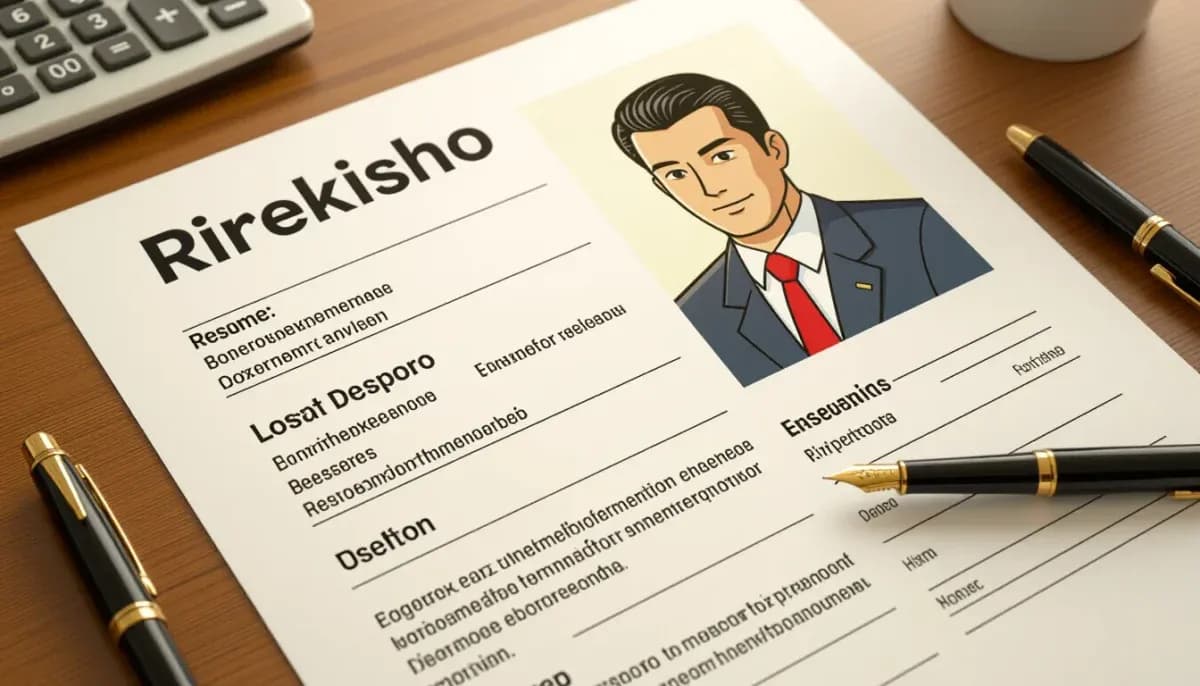
Complete guide to writing a Japanese resume (rirekisho) as a foreigner. Learn the required format, sections, photo rules, and tips to avoid common mistakes in your Japan job application.
Read more →
Master Japanese job interview etiquette with this complete guide for foreigners. Learn dress code rules, the 3-knock protocol, common questions, key phrases, and follow-up tips to ace your next interview in Japan.
Read more →
Discover where to find English speaking jobs in Japan across IT, teaching, tourism, and more. Complete guide with salary data, job platforms, visa info, and tips for foreigners.
Read more →
Discover the top job search websites for foreigners in Japan, from GaijinPot and WeXpats to specialized IT platforms. Includes job market statistics, salary info, and expert tips for landing your dream job.
Read more →
Complete guide to finding a job in Japan as a foreigner. Learn about visa requirements, top job search platforms, interview tips, salary expectations, and in-demand industries hiring international talent in 2025.
Read more →