
Japan Job Interview Tips and Etiquette for Foreigners

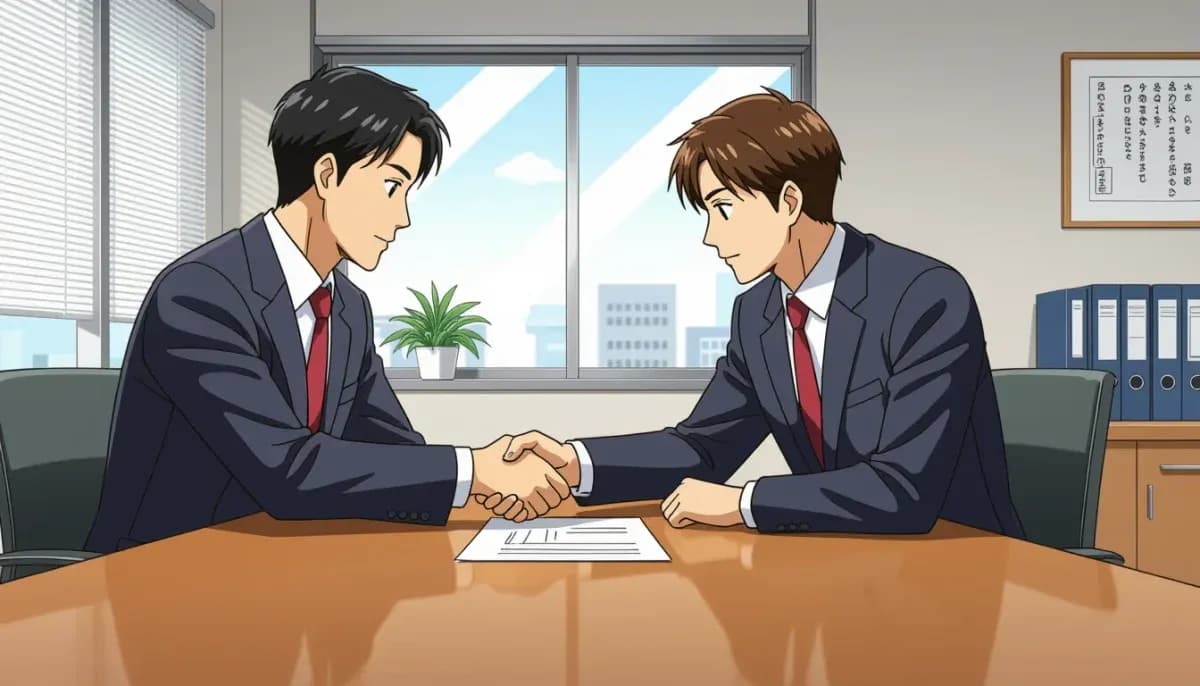
Master Japanese job interview etiquette with this complete guide for foreigners. Learn dress code rules, the 3-knock protocol, common questions, key phrases, and follow-up tips to ace your next interview in Japan.
Japan Job Interview Tips and Etiquette for Foreigners
Landing a job interview in Japan is an exciting milestone, but the process can feel vastly different from what you are used to back home. Japanese interviews place a heavy emphasis on etiquette, humility, and cultural awareness rather than the assertive self-promotion common in Western countries. With over 2 million foreign workers now employed in Japan, more companies than ever are hiring internationally — but they still expect candidates to understand and respect Japanese business customs. This guide walks you through every stage of the interview process so you can walk in with confidence.
If you are still in the early stages of your job search, check out our complete guide to working in Japan as a foreigner for an overview of visa requirements, industries, and how to get started.
Understanding Japanese Interview Culture
Japanese job interviews are structured, formal affairs. Unlike the casual conversational style you might encounter in the US or Europe, a Japanese interview follows a specific sequence of greetings, questions, and closing rituals. The interviewer is evaluating not just your skills but your character, manners, and potential for long-term commitment.
Key cultural values that shape the process include:
- Group harmony (wa) — Companies want to know you will fit into the team without disrupting workplace dynamics.
- Humility — Overly aggressive self-promotion is seen as off-putting. Frame achievements as team efforts.
- Long-term commitment — Employers prefer candidates who plan to stay for years, not months.
- Respect for hierarchy — Using proper language and observing seniority signals your cultural awareness.
For a deeper understanding of workplace dynamics, see our guide to Japanese workplace culture. You can also find a comprehensive breakdown of interview preparation strategies at For Work in Japan.
What to Wear to a Japanese Job Interview
Getting your appearance right is one of the easiest ways to make a strong first impression. The keyword in Japan is cleanliness — your clothes should be neat, conservative, and professional.
| Item | Men | Women |
|---|---|---|
| Suit | Dark (black, navy, or charcoal) | Dark (black, navy, or charcoal) |
| Shirt/Blouse | White dress shirt | Light-colored blouse |
| Shoes | Black or brown leather | Heels under 5 cm, closed-toe |
| Accessories | Conservative tie, minimal jewelry | Simple jewelry, minimal makeup |
| Hair | Neat, natural color | Tied back if long, natural color |
| Fragrance | None or very light | None or very light |
Even if you are interviewing at a startup or creative company, err on the side of formality unless explicitly told otherwise. A dark suit with a white shirt is the safest choice across all industries. Avoid flashy colors, strong perfume, or anything that makes you stand out for the wrong reasons.
For tips on navigating Japanese cultural expectations in general, visit our Japanese culture and etiquette guide.
Before the Interview: Preparation Checklist
Thorough preparation separates successful candidates from the rest. Here is what you should do in the days leading up to your interview:
- Research the company — Read their website, recent news, and understand their products or services. Japanese interviewers expect you to explain specifically why you chose their company.
- Prepare your documents — Bring printed copies of your resume (rirekisho), cover letter, ID, and your personal seal (inkan) if you have one.
- Plan your route — Look up the exact location and test the route if possible. Aim to arrive at the building 10-15 minutes early.
- Practice your self-introduction — Prepare a concise jikoshoukai covering your name, background, relevant experience, and reason for applying.
- Review common questions — Be ready for standard questions about your strengths, weaknesses, reasons for coming to Japan, and your long-term career goals.
- Prepare questions to ask — Having thoughtful questions shows genuine interest. Ask about team structure, training opportunities, or company culture.
A well-crafted resume is essential before you even get to the interview stage. Check out our complete guide to finding housing in Japan if you are relocating for work, and explore Living in Nihon's job search guide for tips on the full job-hunting process.
The Interview Day: Step-by-Step Etiquette
This is where Japanese interviews differ most dramatically from Western ones. Every action from the moment you enter the building is being observed.
Arriving at the Office
Turn off your phone. Remove your coat before entering the building. Check in at reception 5-10 minutes before your scheduled time — arriving too early can also be awkward. While waiting, sit quietly with good posture. Do not use your phone, eat, or drink.
Entering the Interview Room
- Knock exactly three times on the door. In Japan, two knocks is associated with checking if a toilet is occupied — so always knock three times.
- Wait for a response such as "douzo" (please come in).
- Open the door, step inside, and say "Shitsurei shimasu" (excuse me) with a slight bow.
- Walk to the chair but do not sit down until invited to do so.
- When told to sit, say "Shitsurei shimasu" again and take your seat.
- Place your bag on the floor beside your chair, never on the table.
During the Interview
- Posture — Sit upright with your back slightly away from the chair. Keep your hands on your lap or gently on the table.
- Eye contact — Maintain steady but natural eye contact. Avoid staring intensely.
- Speaking — Use polite Japanese (keigo or teineigo) if the interview is in Japanese. Speak clearly and concisely. Never interrupt the interviewer.
- Business cards — If offered a business card (meishi), receive it with both hands, read it carefully, and place it on the table in front of you. Never write on it or stuff it in your pocket.
Leaving the Room
Stand up, bow, and say "Arigatou gozaimashita" (thank you very much). Push your chair back to its original position. Walk to the door, turn to face the interviewers, bow once more, say "Shitsurei shimasu," and exit quietly, closing the door gently behind you.
For more on Japanese business communication, see Coto Academy's comprehensive interview guide.
Common Interview Questions and How to Answer Them
Japanese interviewers tend to ask predictable questions, but they expect thoughtful, well-structured answers. Here are the most common ones:
| Question (Japanese) | English Translation | Tips for Answering |
|---|---|---|
| 自己紹介をお願いします | Please introduce yourself | Keep it under 2 minutes. Cover name, background, experience, and why you are here. |
| 志望動機を教えてください | Why did you apply to this company? | Be specific about the company — mention their products, values, or mission. |
| 長所と短所を教えてください | What are your strengths and weaknesses? | Frame weaknesses as areas you are actively improving. |
| なぜ日本に来ましたか | Why did you come to Japan? | Show genuine interest in Japan beyond just career reasons. |
| 将来のキャリアプランは? | What is your career plan? | Demonstrate long-term thinking and commitment to staying with the company. |
| チームワークの経験を教えてください | Tell me about a teamwork experience | Emphasize collaboration and how you contributed to the group. |
Remember: humility wins in Japan. Instead of saying "I led the team to a 30% revenue increase," try "Our team worked together and achieved a 30% revenue increase, and I was glad to contribute by handling the client relationships."
If you need to improve your Japanese language skills before interviews, our guide to learning Japanese is a great starting point. You can also explore Ittenshoku's interview preparation manual for industry-specific advice.
Language Tips: Japanese Phrases You Should Know
Even if your interview is conducted in English, knowing key Japanese phrases demonstrates respect and effort. Here are essential expressions:
- Shitsurei shimasu (失礼します) — "Excuse me" — Used when entering and leaving the room.
- Hajimemashite (はじめまして) — "Nice to meet you" — Your opening greeting.
- Yoroshiku onegai shimasu (よろしくお願いします) — "Please treat me well" — Essential closing phrase.
- Arigatou gozaimashita (ありがとうございました) — "Thank you very much" — Used when leaving.
- Otsukare sama desu (お疲れ様です) — "Thank you for your hard work" — Useful if meeting team members.
Many Japanese interviewers will be impressed if you can handle the basic greetings and closing in Japanese, even if the main conversation is in English. It shows you have made an effort to adapt to the culture.
Online and Video Interview Etiquette
Remote interviews have become increasingly common in Japan, especially for initial screening rounds. The same formality applies:
- Background — Use a clean, plain background. A tidy room or neutral virtual background works.
- Lighting — Make sure your face is well-lit from the front.
- Dress code — Wear a full suit, not just the top half. You never know when you might need to stand up.
- Connection — Test your internet, camera, and microphone beforehand. Log in 5 minutes early.
- Eye contact — Look at the camera, not the screen, to simulate eye contact.
- Bowing — You can still bow slightly from your seat at the beginning and end of the interview.
The fundamentals of politeness, preparation, and proper language remain exactly the same whether you are in person or online.
After the Interview: Follow-Up and Next Steps
What you do after the interview matters almost as much as the interview itself:
- Send a thank-you email within 24 hours. Keep it brief and professional. Thank them for their time and reiterate your interest in the position.
- Be patient — Japanese hiring processes can be slower than in other countries. Multiple rounds of interviews are common, especially at larger companies.
- Prepare for follow-up interviews — Second and third interviews may involve different team members or senior management. Each round may dig deeper into your technical skills, cultural fit, or long-term plans.
- Negotiate carefully — Salary negotiation is less aggressive in Japan. Express gratitude for any offer and ask politely if there is flexibility rather than making demands.
For a broader look at managing your finances once you land the job, visit our guide to banking and finance in Japan and our tax guide for foreigners.
Common Mistakes Foreigners Make in Japanese Interviews
Avoid these pitfalls that trip up many foreign candidates:
- Being too casual — Even if the interviewer seems friendly, maintain formality throughout.
- Overselling yourself — Tone down the self-promotion. Let your experience speak through concrete examples framed as team achievements.
- Arriving late — There is no acceptable excuse. Plan for delays and arrive early.
- Not researching the company — Generic answers about "wanting to work in Japan" will not impress anyone.
- Crossing arms or legs — This body language signals defensiveness or disrespect in Japan.
- Forgetting the door protocol — The three-knock rule and proper greetings are noticed and remembered.
- Badmouthing previous employers — Never speak negatively about past jobs or bosses. Focus on positive reasons for seeking new opportunities.
For more insights into mastering the Japanese job interview process, check out Omnishoku's guide for foreigners.
Final Thoughts
Japanese job interviews reward preparation, humility, and genuine cultural respect. The etiquette may feel rigid at first, but it is designed to show mutual respect between candidate and employer. By mastering the dress code, entry protocol, communication style, and follow-up process, you will stand out as a thoughtful, well-prepared candidate who truly understands Japan.
The job market for foreigners in Japan continues to grow, with companies across manufacturing, IT, services, and education actively seeking international talent. Take the time to prepare properly, and your next interview could be the one that launches your career in Japan.
Ready to explore more? Browse our complete guide to daily life in Japan to get settled once you land the job, or check out Wise's Japanese interview tips for additional perspectives from fellow expats.

Originally from Vietnam, living in Japan for 16+ years. Graduated from Nagoya University, with 11 years of professional experience at Japanese and international companies. Sharing information about living in Japan for foreigners.
View Profile →Related Articles

Best Industries Hiring Foreigners in Japan
Discover the top industries hiring foreigners in Japan, from IT and manufacturing to healthcare and hospitality. Complete guide with salary data, statistics, and job search tips for 2025.
Read more →
Finding a Job in Japan Without Japanese Language Skills
Discover how to find a job in Japan without speaking Japanese. Complete guide covering IT, teaching, recruitment jobs, salary data, visa options, and job search strategies for foreigners.
Read more →
Understanding Japanese Employment Contracts
Understand Japanese employment contracts before you sign. Learn about contract types, working hours, overtime rules, visa alignment, termination rights, and red flags every foreigner should know.
Read more →
Best Recruitment Agencies in Japan for Foreigners
Discover the top recruitment agencies in Japan for foreigners including RGF, Robert Walters, JAC Recruitment and more. Free for job seekers with expert guidance on visa sponsorship, interview prep, and salary negotiation.
Read more →
How to Change Careers in Japan as a Foreigner
Complete guide to changing careers in Japan as a foreigner. Learn about visa requirements, best industries, job search strategies, cultural tips, and step-by-step career transition advice.
Read more →
Salary Expectations in Japan for Foreign Workers
Complete guide to salary expectations for foreign workers in Japan. Average salaries by industry, visa type, and region, plus negotiation tips and deduction breakdowns to maximize your earnings.
Read more →