
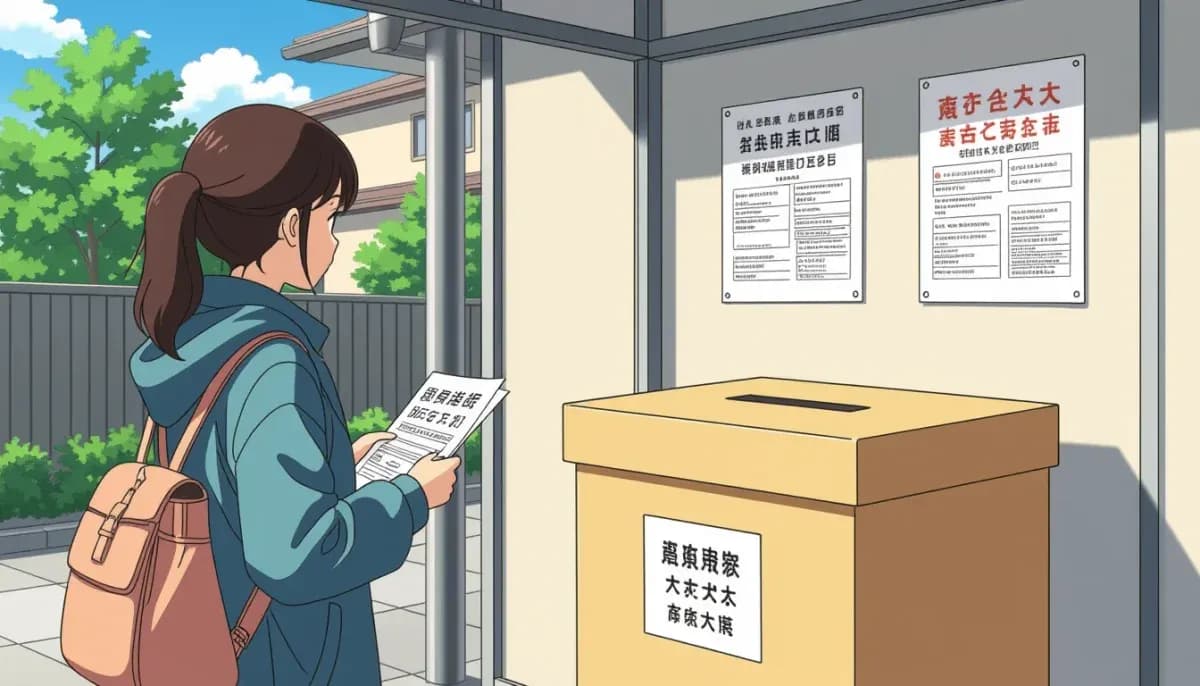
Can Foreigners Vote in Japan Explained
Foreigners cannot vote in Japan's elections — only citizens can. Learn about the history of foreign suffrage, naturalization, and how to vote in your home country while living in Japan.
Read more →
Understand your legal rights as a foreigner in Japan — labor law, immigration rights, anti-discrimination protections, police rights, housing rights, and free legal help resources. A complete guide for foreign residents.
Living in Japan as a foreigner is an incredible experience, but understanding your legal rights is essential for protecting yourself and navigating daily life with confidence. Whether you are working, renting an apartment, dealing with police, or facing discrimination, knowing the law can make all the difference. This guide covers everything you need to know about legal rights for foreigners in Japan — from labor protections to housing laws, immigration rules, and where to get free legal help.
Japan's foreign resident population has grown rapidly in recent years, with foreign workers reaching approximately 2.3 million in October 2024, a 12.4% year-over-year increase and a historic high. As more people choose to call Japan home, understanding your legal standing is more important than ever.
Japan's Constitution guarantees fundamental human rights to all persons residing in Japan, not just Japanese citizens. Article 14 provides equality under the law, and many constitutional protections extend to foreign nationals living in the country.
However, there are important distinctions. Some rights — such as voting rights and certain public sector employment — are reserved for Japanese citizens. But the core civil liberties, including freedom of speech, freedom of religion, protection from unreasonable search, and due process rights, apply regardless of nationality.
Key constitutional protections that apply to foreigners include:
Japan has also signed major international human rights treaties, including the International Covenant on Civil and Political Rights (ICCPR), the Convention on the Elimination of All Forms of Racial Discrimination (CERD), and the Convention on the Rights of the Child. These treaty obligations place additional legal duties on the Japanese government to protect foreigners' fundamental rights.
One of the most critical areas for foreign residents is understanding labor law. The good news: Japan's Labour Standards Act (労働基準法) applies equally to all workers regardless of nationality. You have the same legal protections as Japanese employees.
Core labor rights you are entitled to:
| Labor Right | Legal Standard |
|---|---|
| Minimum Wage (Tokyo) | ¥1,163/hour |
| Minimum Wage (National Avg.) | ¥1,055/hour |
| Daily Work Hours Limit | 8 hours |
| Weekly Work Hours Limit | 40 hours |
| Monthly Overtime Limit | 45 hours |
| Annual Overtime Limit | 360 hours |
| Paid Leave (after 6 months) | 10 days |
| Paid Leave (maximum) | 20 days |
| Dismissal Notice Period | 30 days |
For foreign workers, the prohibition on discrimination is explicit: the Labour Standards Act prohibits different treatment based on nationality, belief, or social status in wages, working hours, and other employment conditions.
For deeper guidance on your rights as a foreign worker, see the Labor Law & Workplace Rights Guide at For Work in Japan.
If you need help understanding your working conditions in Japan more broadly, check out our Complete Guide to Working in Japan as a Foreigner.
Your legal status in Japan is defined by your status of residence (在留資格, zairyuu shikaku), which is printed on your residence card (在留カード, zairyuu kaado). This card is your primary identification document and you are legally required to carry it at all times.
Key immigration rights you should know:
Japan's technical internship system, long criticized for abuses, is being phased out and replaced with the New Skilled Worker System (育成就労制度) in 2027, which will give workers greater job mobility and stronger labor protections.
For a full breakdown of visa categories and how to navigate them, visit our Complete Guide to Japan Visa and Immigration.
This is one of the most nuanced areas of legal rights in Japan. Unlike many Western countries, Japan does not have a comprehensive anti-discrimination law that prohibits racial, ethnic, or religious discrimination across all areas of life.
However, several specific protections do exist:
What IS prohibited by law:
What is NOT yet prohibited by general law:
Despite the gaps in anti-discrimination law, the Hate Speech Elimination Act of 2016 was a significant step forward, declaring that efforts should be made to eliminate unreasonable discriminatory speech targeting persons of foreign origin living in Japan.
In 2022, the Ministry of Justice received 159,864 consultations on human rights violations. Cases involving foreign residents are among the tracked categories, reflecting ongoing challenges despite legal protections.
For a comprehensive look at anti-discrimination resources and protections, the Human Rights Counseling for Foreigners page from the Ministry of Justice offers multilingual support.
Understanding your rights during a police encounter is essential. Japan's criminal justice system has features that differ significantly from many Western countries, and foreigners need to be aware of them.
During a stop or questioning:
If you are arrested:
The Legal Issues & Troubleshooting Guide at Living in Nihon provides detailed guidance on handling legal problems in Japan, including what to do if you face police issues.
Finding housing as a foreigner in Japan can be challenging, but you do have legal protections. For a full guide on navigating the rental market, see our Complete Guide to Finding Housing in Japan.
Your housing rights:
Practical tips for foreign renters:
The most important thing to know is that free multilingual legal assistance exists in Japan. You do not need to face legal problems alone or without language support.
| Resource | Services | Contact |
|---|---|---|
| Houterasu (Japan Legal Support Center) | Free consultations, legal aid, case referrals | 0570-078377 |
| Foreign Worker Hotline | Labor issues, wage theft, workplace problems | 0120-811-610 |
| Ministry of Justice Human Rights Office | Human rights violations, discrimination | 0120-007-110 |
| Foreign Residence Support Center (FRESC) | Immigration, employment, living matters | 0570-011000 |
| Local Bar Associations | Free initial consultations with interpreters | Check prefectural website |
| Labour Standards Inspection Offices | Wage theft, illegal overtime, labor violations | Available in each prefecture |
Houterasu (法テラス) is particularly valuable — it provides free consultations for qualifying individuals and has multilingual phone support in over 10 languages. If you are on a low income, you may qualify for full legal aid, where lawyers are assigned to your case at no cost.
For labor issues specifically, the Foreign Worker Hotline (外国人労働者向け相談ダイヤル) operates in multiple languages and can connect you directly with labor inspectors who handle wage theft, illegal overtime, and unsafe working conditions.
Human Rights Watch's 2025 World Report on Japan provides useful context on ongoing human rights challenges that affect foreign residents.
Domestic violence: The DV Prevention Act protects all residents, regardless of visa status. You can access shelters and apply for protective orders even if your residency depends on your spouse. Contact the DV Consultation Center (配偶者暴力相談支援センター) immediately if you are in danger.
Children: Children of foreign residents have the right to attend Japanese public schools. Education is provided free through compulsory school years. For a full guide on this topic, see our Complete Guide to Raising Children in Japan.
Healthcare: Foreign residents enrolled in Japan's national health insurance system (国民健康保険) receive the same healthcare access as Japanese citizens. For more information, visit our Complete Guide to Healthcare in Japan for Foreigners.
Tax obligations: Foreign residents are subject to Japanese tax law based on their residency status and income source. Our Complete Guide to Taxes in Japan for Foreigners covers what you need to know.
Japan's legal landscape continues to evolve. The transition to the New Skilled Worker System in 2027, ongoing debates about anti-discrimination legislation, and growing advocacy from foreign resident communities all signal a changing environment.
To stay protected:
For labor law basics in a Japanese workplace context, Ittenshoku's guide on Labour Standards Law provides useful background even for non-IT workers.
Understanding your rights is the first step to exercising them. Japan is a country with strong rule of law, and the system — when properly navigated — offers real protections to foreign residents. Use the resources available to you, document everything, and do not hesitate to seek help when you need it.
For more practical guides to life in Japan, explore our Complete Guide to Daily Life in Japan for Foreigners and our Complete Guide to Japanese Culture and Etiquette.
Foreigners cannot vote in Japan's elections — only citizens can. Learn about the history of foreign suffrage, naturalization, and how to vote in your home country while living in Japan.
Read more →
Complete guide to Japan's workers compensation insurance (Rousai Hoken) for foreign workers. Learn about coverage, benefits, how to file a claim, and what to do if your employer refuses to help.
Read more →
Find free legal consultation services for foreigners in Japan. Covers Houterasu, bar associations, Ministry of Justice, and municipal centers. Multilingual support available.
Read more →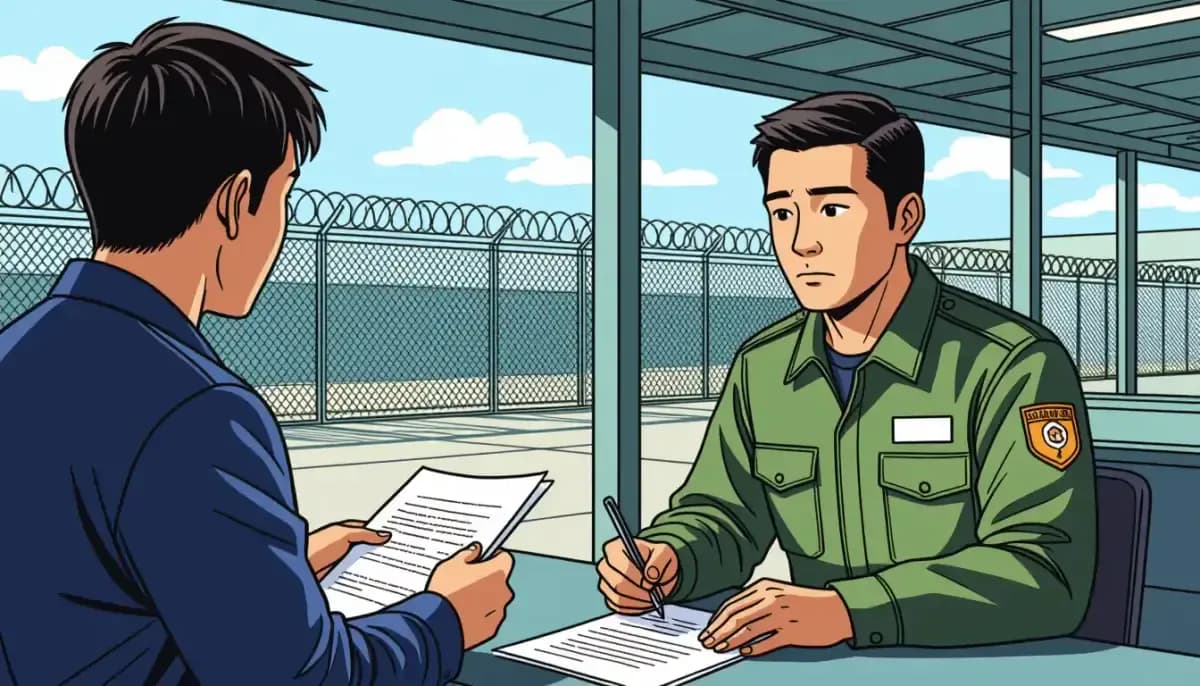
Everything foreigners need to know about immigration detention in Japan: how it works, your rights, detention duration, provisional release, deportation consequences, and how to get help.
Read more →
A complete guide to consumer protection laws in Japan for foreigners — covering the cooling-off period, return policies, product safety, complaint processes, and your rights as a foreign resident.
Read more →
Know your rights as a foreign tenant in Japan. Learn about security deposit rules, eviction laws, lease protections, and free legal resources for expats renting in Japan.
Read more →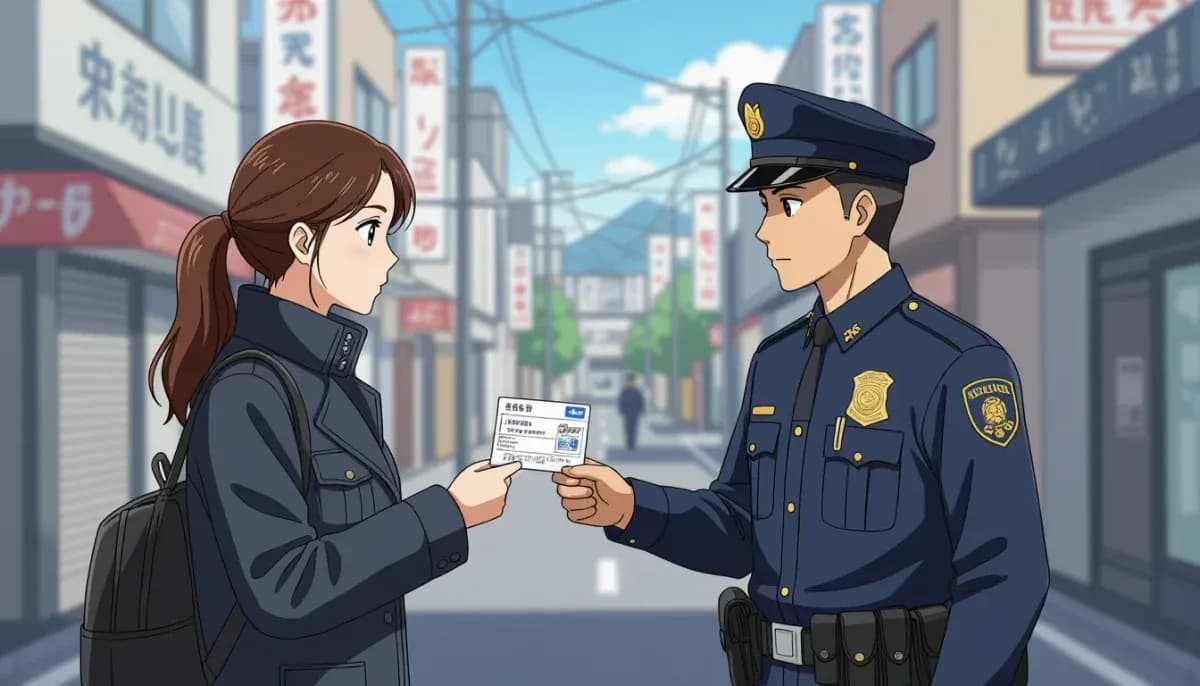
Learn your legal rights when stopped by police in Japan as a foreigner. Know what ID to carry, when to stay silent, detention rules, and how to protect yourself in any police encounter.
Read more →
Learn how to report discrimination in Japan as a foreigner. Complete guide covering the Ministry of Justice hotline, workplace discrimination, housing rights, NGO support, and step-by-step reporting procedures available in multiple languages.
Read more →
Essential guide to Japan labor laws for foreign employees. Learn your rights on working hours, overtime pay, paid leave, dismissal protections, social insurance, and more.
Read more →
Complete guide to finding English-speaking lawyers in Japan for foreigners. Covers free legal consultations, recommended law firms, fees, and tips for expats navigating Japanese law.
Read more →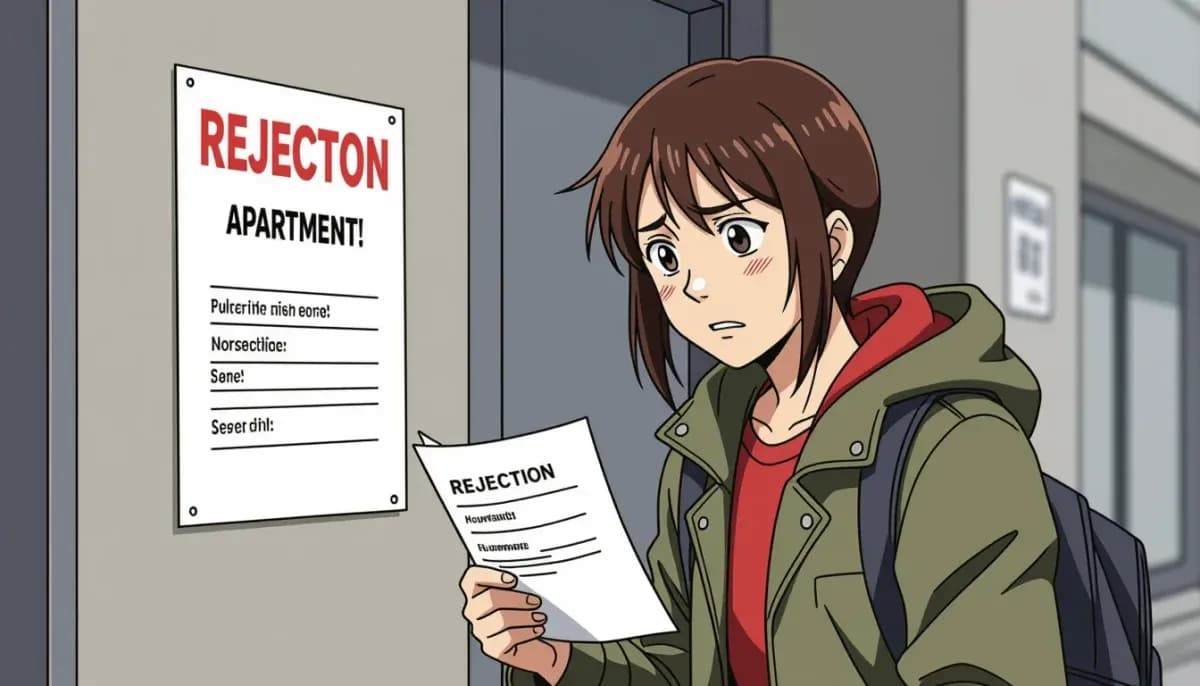
Facing housing discrimination in Japan as a foreigner? Learn the statistics, your legal rights, practical strategies to find housing, and what to do when landlords reject you.
Read more →
A complete guide to workplace rights and labor law for foreign workers in Japan. Learn about working hours, overtime pay, paid leave, minimum wage, dismissal protections, and how to report violations.
Read more →
Comprehensive overview of legal rights for foreigners living in Japan — covering constitutional protections, labor law, housing rights, healthcare, and immigration obligations for expats.
Read more →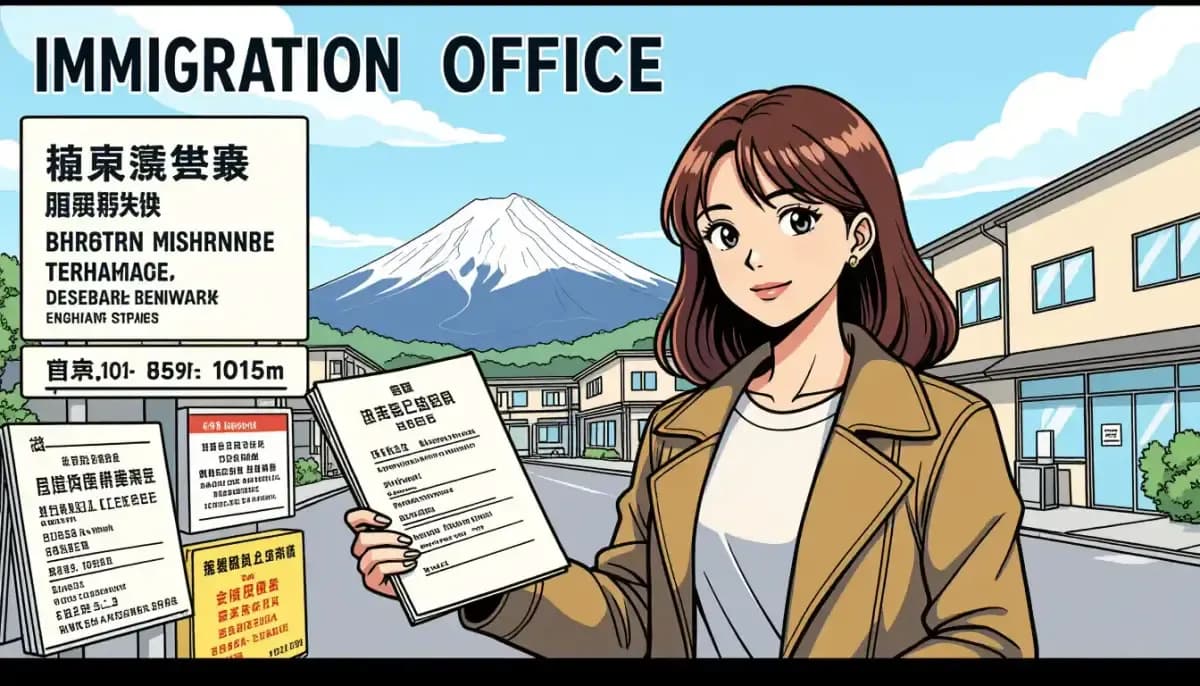
Learn the serious consequences of visa overstay in Japan, including fines, deportation, and re-entry bans. Discover the Departure Order System and how voluntary surrender can reduce your re-entry ban to just 1 year.
Read more →