
Your Rights During Police Encounters in Japan

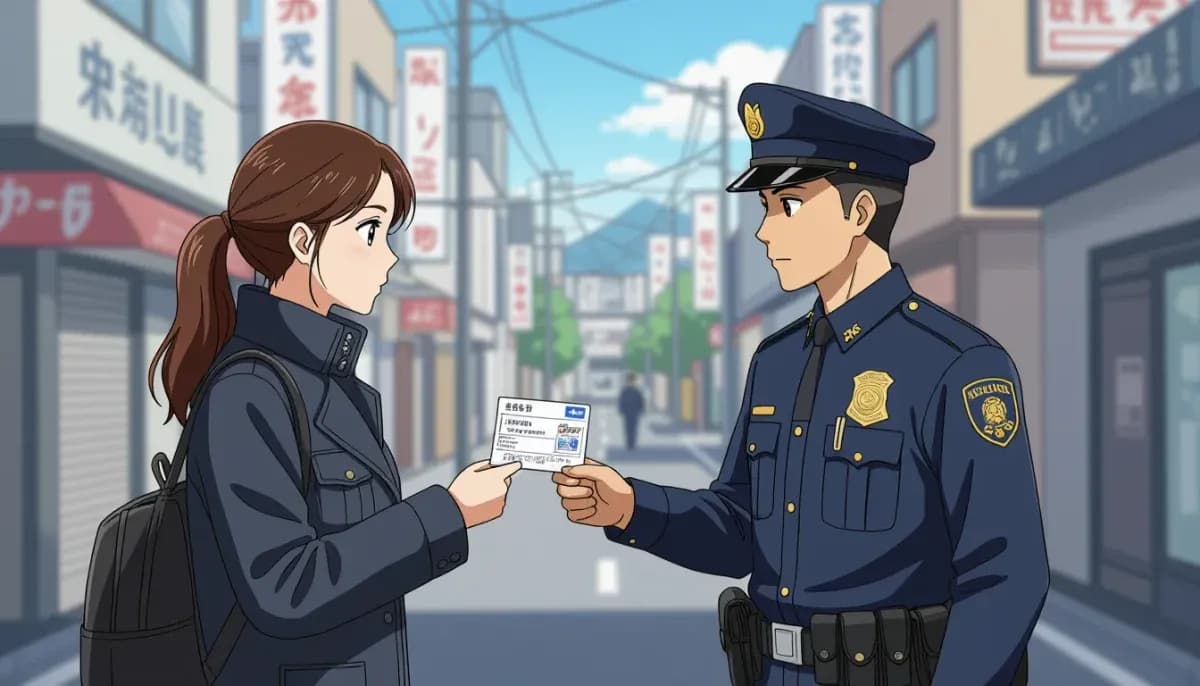
Learn your legal rights when stopped by police in Japan as a foreigner. Know what ID to carry, when to stay silent, detention rules, and how to protect yourself in any police encounter.
Your Rights During Police Encounters in Japan: A Complete Guide for Foreigners
Being stopped by the police in Japan can be an unsettling experience, especially if you're unfamiliar with Japanese law and the language. Whether you're a tourist, a long-term resident, or a worker on a visa, understanding your legal rights during police encounters in Japan can make all the difference. This guide walks you through exactly what to expect, what you are legally required to do, and how to protect yourself.
How Common Are Police Stops for Foreigners in Japan?
Police stops targeting foreigners in Japan are far more frequent than many people realize. A February 2025 survey submitted as evidence in an ongoing racial profiling court case found that approximately 70% of foreign nationals in Japan had been questioned by police on the streets within the past five years—nearly six times the rate for Japanese citizens.
Among those foreigners who were stopped:
- 85% said they felt targeted due to their physical appearance
- 77% believed that their perceived foreignness was the sole reason for the stop
- The actual criminal investigation rate was 0.15% for both foreigners and Japanese, meaning the elevated stop rate is not justified by actual crime rates
In January 2024, three foreign residents filed civil lawsuits against police in Tokyo and Aichi Prefecture, as well as the national government, seeking JPY 3.3 million each in damages for racial profiling. These cases have raised significant attention to the systemic issue of how police treat foreign nationals in Japan.
| Group | Questioned by Police (past 5 years) | Felt Targeted by Appearance |
|---|---|---|
| Foreign nationals | ~70% | 85% |
| Japanese citizens | ~12% | N/A |
| Criminal investigation rate | 0.15% | 0.15% (same as Japanese) |
For more context on living with these challenges, see our guide on Essential Japanese Manners Every Foreigner Should Know.
Understanding "Shokumu Shitsumon" – The Legal Basis for Police Stops
The Japanese term shokumu shitsumon (職務質問) refers to the police practice of stopping and questioning individuals. This is governed by the Police Duties Execution Act of 1948, which allows officers to stop and question anyone they have "reasonable suspicion" to believe may have committed or be about to commit a crime, or who may have information about a crime.
However, "reasonable suspicion" in practice is often applied broadly and subjectively—especially toward people who look visually foreign. Police can stop you under these circumstances, but they cannot legally force you to answer their questions.
Key legal points about shokumu shitsumon:
- You are NOT legally required to answer questions (beyond confirming your identity)
- Police can ask you to accompany them to the station but cannot force you to go
- If you attempt to flee, they may detain you
- Body searches (frisks) exist in a legal gray area—they are commonly performed but lack clear legal authorization under most circumstances
What ID Are You Required to Carry?
This is one of the most important practical rules for foreigners in Japan.
Foreign residents (those with a residence card / zairyu card): Under the Immigration Control and Refugee Recognition Act, foreign nationals aged 16 and over who hold a residence card are legally required to carry it at all times and must show it to police upon request. Failing to do so can result in a fine.
Short-term tourists and visitors: You are required to carry your passport at all times and must show it if asked by police or immigration officials.
| Status | Required ID | Penalty for Not Carrying |
|---|---|---|
| Resident (visa holder) | Residence Card (在留カード) | Fine up to JPY 200,000 |
| Short-term tourist | Passport | Fine possible |
| Student visa holder | Residence Card | Fine up to JPY 200,000 |
| Permanent resident | Residence Card | Fine up to JPY 200,000 |
Practical tip: Keep your residence card in your wallet at all times. Do not leave it at home, even for short trips.
Your Rights If You Are Detained or Arrested
If the situation escalates beyond a routine stop to actual arrest or detention, your rights change significantly. Here is what you need to know:
The 23-Day Detention Rule
Under Japanese law, police can detain a suspect for up to 48 hours before they must either release you or hand you over to prosecutors. After that, prosecutors can request an additional 10 days of detention, which can be extended for another 10 days—for a potential total of 23 days without formal charges.
This is a significant difference from many Western countries, and it has been criticized by human rights organizations. During this time, police may conduct intensive interrogations.
The Right to Remain Silent
You have the right to remain silent. You do not have to answer questions during police interrogations. This right is critical because Japan's criminal conviction rate exceeds 99%, and once a confession is obtained, conviction is almost certain. Legal experts consistently advise:
"Never confess unless you are truly guilty."
Maintaining silence and requesting a lawyer is your best legal protection.
The Right to an Attorney
You have the right to legal counsel. However, unlike in many Western countries, your lawyer cannot be present during police interrogations in Japan. Your lawyer can visit you during detention and document any harsh treatment for use in court. If you cannot afford a lawyer, you can request a court-appointed attorney.
The Right to Contact Your Embassy
If you are arrested or detained, you have the right to contact your country's embassy or consulate. Embassy officials can:
- Provide a list of English-speaking lawyers
- Visit you during detention
- Notify your family
- Monitor your case
Always request embassy contact immediately upon arrest.
The Right to an Interpreter
Foreign nationals who do not speak Japanese have the right to free interpreter services during police questioning and court proceedings under Article 312 of the Code of Criminal Procedure and related regulations. Note: In recent years, police have increasingly used phone or remote interpreters rather than in-person ones, especially as arrests of foreigners have increased.
What to Do When You Are Stopped by Police
Follow these practical steps if you are stopped by police in Japan:
- Stay calm and polite. Confrontational behavior rarely helps and may escalate the situation. Speak more respectfully than the officer if you can manage it.
- Show your ID. If you are a resident, show your residence card immediately. If you are a tourist, show your passport. This is legally required.
- Know you can stay silent. Beyond providing your ID, you are not legally obligated to answer questions. A simple "I don't wish to answer" is sufficient.
- Do not consent to searches. Police need a warrant to search your belongings or frisk you (though frisks occur frequently). You can politely decline.
- Do not go to the police station voluntarily unless necessary. Police can ask you to come, but they cannot force you unless they are formally arresting you.
- Document everything. Note the officer's badge number, the time, and the location. If you have a companion, have them record the interaction.
- Contact your embassy if detained. Request this right immediately.
For broader legal guidance on living in Japan, check out Living in Nihon's comprehensive legal guide for foreigners, which covers many aspects of navigating Japan's legal system as a foreigner.
Common Scenarios and How to Handle Them
| Scenario | Your Obligation | Your Rights |
|---|---|---|
| Stopped on the street for ID | Show residence card / passport | Right to ask why you're being stopped |
| Asked questions about your activities | Not required to answer | Right to remain silent |
| Asked to go to police station | Not legally required to go | Politely decline if not under arrest |
| Suspected of a crime and arrested | Provide ID | Right to lawyer, interpreter, embassy contact |
| Property searched | Need not consent without warrant | Can decline, though warrant is easily obtained |
The Reality of Racial Profiling in Japan
While Japan's police force is generally professional and crime rates are low, the data on racial profiling cannot be ignored. Foreign-looking individuals—particularly those of African, South Asian, and Southeast Asian descent—report significantly higher rates of stops than those who look East Asian.
The government has acknowledged this issue, and some police departments have begun equipping officers with body cameras during public questioning to improve transparency and accountability. However, systemic change is slow.
What you can do:
- Know your rights thoroughly before you need them
- Carry proper documentation at all times
- Report incidents of racial profiling through official channels or to organizations like the Japan Federation of Bar Associations
- Support advocacy organizations working on this issue
For tips on getting settled in Japan and building your life here, read our Complete Guide to Moving to Japan as a Foreigner and our guide on How to Find a Job in Japan as a Foreigner.
Additional Resources for Foreigners in Japan
If you ever need legal help or find yourself in a difficult situation, these resources can help:
- GaijinPot: What to Do When Stopped by Police – Practical English-language guide
- Guidable: Stopped by Japanese Police – Expat perspective and advice
- Japan Times: Racial Profiling Survey 2025 – Latest survey data
- For Work in Japan: Legal & Workplace Rights – Guidance on worker rights and legal matters in Japan
- Ittenshoku: Living in Japan Guide – Resources for foreigners living and working in Japan
- JFBA Foreigner Consultation: The Japan Federation of Bar Associations provides free legal consultations for foreigners at local bar association offices across Japan
Conclusion
Police encounters in Japan can range from a routine 30-second ID check to a complex legal situation. The key is to be prepared: carry your ID at all times, stay calm and polite, know your right to remain silent, and do not hesitate to request your embassy's assistance if things escalate.
Japan's legal system can be daunting for foreigners, particularly given the 23-day detention period and the near-universal conviction rate once charged. The best protection is knowledge—and the confidence to assert your rights respectfully.
Understanding these rights is a crucial part of life in Japan. For more guides on navigating life in Japan as a foreigner, explore our Japan Visa and Immigration Guide and our Japan Income Tax Guide for Foreign Residents.

Originally from Vietnam, living in Japan for 16+ years. Graduated from Nagoya University, with 11 years of professional experience at Japanese and international companies. Sharing information about living in Japan for foreigners.
View Profile →Related Articles
Visa Overstay Consequences and What to Do in Japan
Learn the serious consequences of visa overstay in Japan, including fines, deportation, and re-entry bans. Discover the Departure Order System and how voluntary surrender can reduce your re-entry ban to just 1 year.
Read more →
Can Foreigners Vote in Japan Explained
Foreigners cannot vote in Japan's elections — only citizens can. Learn about the history of foreign suffrage, naturalization, and how to vote in your home country while living in Japan.
Read more →
Workers Compensation Insurance in Japan Guide
Complete guide to Japan's workers compensation insurance (Rousai Hoken) for foreign workers. Learn about coverage, benefits, how to file a claim, and what to do if your employer refuses to help.
Read more →
Free Legal Consultation Services for Foreigners in Japan
Find free legal consultation services for foreigners in Japan. Covers Houterasu, bar associations, Ministry of Justice, and municipal centers. Multilingual support available.
Read more →
Immigration Detention in Japan What to Know
Everything foreigners need to know about immigration detention in Japan: how it works, your rights, detention duration, provisional release, deportation consequences, and how to get help.
Read more →
Consumer Protection Laws in Japan for Foreign Residents
A complete guide to consumer protection laws in Japan for foreigners — covering the cooling-off period, return policies, product safety, complaint processes, and your rights as a foreign resident.
Read more →