
Immigration Detention in Japan What to Know

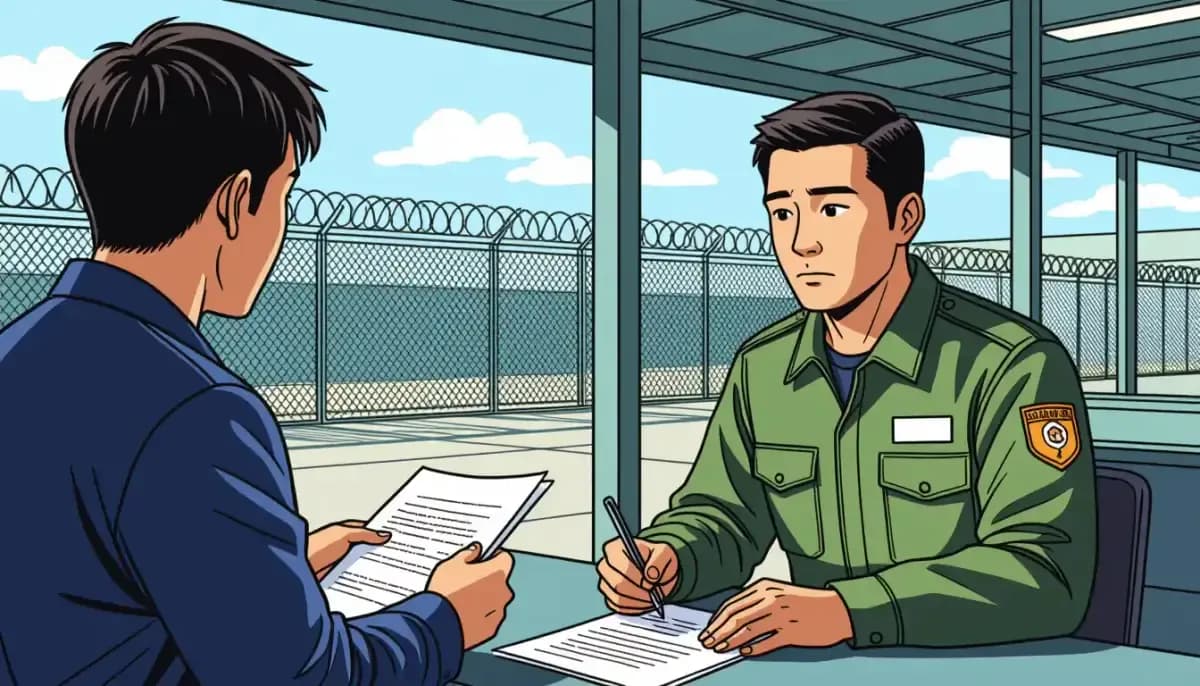
Everything foreigners need to know about immigration detention in Japan: how it works, your rights, detention duration, provisional release, deportation consequences, and how to get help.
Immigration Detention in Japan: What Every Foreigner Needs to Know
Immigration detention in Japan is a subject many foreigners hope they'll never need to understand—but being informed could make all the difference if you or someone you know ever faces this situation. Japan has one of the world's strictest immigration enforcement systems, and foreign nationals can find themselves detained for reasons ranging from visa overstays to pending deportation orders. This guide breaks down everything you need to know about how Japan's immigration detention system works, your rights as a detainee, and how to navigate this challenging situation.
How Does Japan's Immigration Detention System Work?
Japan's immigration detention system is governed by the Immigration Control and Refugee Recognition Act (入管法, Nyūkan-hō). Under this law, immigration officers have broad authority to detain foreign nationals who violate immigration rules, including those who overstay their visa, work illegally, or are subject to deportation orders.
The system operates under what critics call a "mandatory detention" approach—in practice, nearly all foreign nationals facing deportation proceedings are detained, even though the law technically makes detention discretionary. Once detained, individuals are held at Immigration Services Agency facilities while their cases are processed.
Japan operates approximately 25 detention facilities across the country. These include:
- Regional immigration bureau detention houses in major cities
- Airport-based holding areas at Narita, Haneda, Kansai, and Chubu airports
- Three dedicated long-term immigration detention centers: Higashi-Nihon (East Japan) Immigration Control Center, Nishi-Nihon (West Japan) Immigration Control Center, and Omura Immigration Detention Center in Nagasaki
In 2024, there were 15,334 entries of migrants into detention, with a total of 16,595 detainees recorded in 2023. These numbers reflect just how active Japan's immigration enforcement machinery is.
Reasons Foreigners Get Detained
Understanding why people end up in immigration detention is the first step to avoiding it. The most common reasons include:
| Reason | Frequency | Typical Outcome |
|---|---|---|
| Visa overstay | Very Common (~90% of deportations) | Deportation + 1-5 year ban |
| Unauthorized work | Common | Deportation + 5 year ban |
| Criminal conviction | Moderate | Deportation after serving sentence |
| Attempted illegal entry | Less Common | Immediate return/detention |
| Asylum seekers (repeat applications) | Increasing | Detention pending review |
| Expired residence status | Common | Detention pending regularization |
In 2024, 18,908 people were deported from Japan, with roughly 90% related to visa overstays. This statistic underscores that overstaying a visa—even by just one day—is not treated lightly by Japanese authorities. Every violation is recorded in your immigration file and can affect future visa applications.
How Long Can You Be Detained?
One of the most concerning aspects of Japan's immigration detention system is the potential duration of detention. Under Japanese law:
- Initial detention period: Up to 30 days
- Extended detention period: An additional 30 days (maximum 60 days in standard cases)
- After deportation order: Indefinitely, until deportation can be carried out
Yes, you read that correctly—Japan permits indefinite detention for individuals who have received a deportation order but cannot be removed (for example, due to statelessness, refusal by the home country, or ongoing legal appeals). This practice has been heavily criticized by international human rights organizations including Human Rights Watch.
In practice, many detainees have been held for months or even years while legal processes unfold. The lack of a statutory time limit on detention post-deportation order is one of Japan's most controversial immigration policies.
For actionable information on your overall visa and residence status in Japan, see our Complete Guide to Japan Visa and Immigration.
Provisional Release: Getting Out During Proceedings
While full release is rare during active deportation proceedings, Japan does offer a provisional release system (仮放免, kari hōmen). This allows some detainees to live outside detention facilities temporarily, under strict conditions.
To qualify for provisional release, you typically need:
- A Japanese guarantor willing to take responsibility for your appearance
- A security deposit of ¥200,000 to ¥300,000
- Agreement to strict conditions including no employment, mandatory check-ins with immigration authorities, restricted travel, and surrendering your passport
Provisional release is not automatic and is granted at the discretion of immigration authorities. Those with serious criminal records, flight risk assessments, or no reliable guarantor are unlikely to be granted this option.
Even on provisional release, your life is significantly restricted. You cannot work legally, which creates severe financial hardship for many detainees. Health insurance coverage becomes complicated, and travel outside designated areas may be prohibited.
Your Rights as an Immigration Detainee in Japan
Being detained does not mean you have no rights. Here are the key rights you should know about:
Right to consular notification: You have the right to have your country's embassy or consulate notified of your detention. Request this immediately upon detention. Embassy officials can visit you, provide lists of local lawyers, and in some cases provide emergency financial assistance.
Right to legal representation: You can hire a lawyer or request legal aid. While only licensed attorneys can represent you in formal legal proceedings, administrative scriveners (行政書士, gyōsei shoshi) can also assist with immigration paperwork and applications.
Right to interpretation: Immigration authorities are required to provide interpretation assistance during formal procedures. However, in practice, interpretation quality can vary significantly.
Right to apply for provisional release: As described above, you can formally request provisional release through the Immigration Services Agency.
Right to appeal: You can appeal detention orders and deportation decisions through administrative channels and the courts, though success rates are low and the process can be lengthy.
For broader context on legal protections while living in Japan, check out our guide on Safety and Emergency Preparedness in Japan.
The Voluntary Surrender Option (Shuttou Shinkoku)
If you have overstayed your visa or are otherwise in violation of immigration rules, voluntary surrender—known as shuttou shinkoku (出頭申告)—can significantly affect your outcome.
By voluntarily reporting yourself to the nearest immigration bureau before authorities detect you, you may qualify for the Departure Order System (出国命令制度). Under this system:
- You receive a formal order to depart Japan within a set timeframe
- Your re-entry ban is typically 1 year rather than the standard 5 years
- You are generally allowed to leave Japan without being formally deported
This is a meaningful difference. A 1-year ban means you could potentially return to Japan for work or study within a relatively short timeframe. A 5-year ban can derail career plans, long-term relationships, and life goals that involve Japan.
To qualify for the Departure Order System, you must:
- Have no criminal record in Japan
- Agree to depart without delay
- Have overstayed rather than entered illegally
If you're uncertain about your residence status, consulting an immigration lawyer before taking any action is strongly recommended.
Deportation Consequences and Re-Entry Bans
Being deported from Japan carries serious long-term consequences. Understanding these can help you appreciate why early voluntary action is almost always better than waiting to be caught.
Re-entry bans work as follows:
- Voluntary departure under Departure Order System: 1 year ban
- Standard deportation (overstay, unauthorized work): 5 year ban
- Deportation due to criminal activity: 5-10 year ban, potentially permanent
Beyond the ban itself, deportation creates a permanent record that affects all future Japanese visa applications, even after the ban expires. Future visa officers will see the record, and you will likely need to provide additional documentation explaining your circumstances.
Financial penalties also apply:
- Fines for overstaying can reach up to ¥300,000
- These fines may need to be settled before departure
For those concerned about their immigration history's impact on long-term Japan residency goals, including permanent residency applications, our Complete Guide to Japan Visa and Immigration covers what you need to know.
Asylum Seekers and Detention in Japan
Japan's treatment of asylum seekers in the immigration detention system has attracted significant international criticism. Japan has one of the lowest refugee recognition rates among developed nations:
- In 2023, out of 13,823 asylum applicants, only 303 were granted refugee status (approximately 2.2%)
- Asylum applications have been rising sharply, reaching 31,293 in 2024—a record high
- Despite applying for protection, many asylum seekers are detained while their applications are reviewed
Under the 2023 amended Immigration Control and Refugee Recognition Act, Japan can now deport asylum seekers who have applied for refugee status more than twice. This change, criticized by human rights organizations as potentially leading to refoulement (returning people to countries where they face persecution), has made the situation more precarious for repeat asylum applicants.
The 2021 death of a Sri Lankan woman in immigration detention due to inadequate medical care sparked nationwide protests and renewed calls for detention reform. However, significant legislative change has been slow to materialize.
For resources on navigating complex immigration situations in Japan, Living in Nihon's comprehensive visa guide offers additional context on Japan's residence status framework.
Practical Steps If You or Someone You Know Is Detained
If you or someone you know is being held in immigration detention in Japan, here are the immediate steps to take:
- Request consular notification — Contact the nearest embassy or consulate of your home country. Staff can visit, provide legal referrals, and in emergencies, provide limited assistance.
- Contact a lawyer immediately — Immigration law in Japan is complex. Organizations like the Japan Legal Support Center (Houterasu) provide free legal consultations. Immigration lawyer fees typically range from ¥50,000 to ¥300,000+ depending on case complexity.
- Understand your charges — Ask clearly why you are being detained and what immigration violation is being alleged. Request a written explanation if possible.
- Explore provisional release — Ask about eligibility for kari hōmen (provisional release) and begin identifying a Japanese guarantor who could support your application.
- Do not sign documents you don't understand — Signing documents in Japanese without fully understanding them could waive important rights or agree to voluntary departure before you've had legal advice.
- Inform family or trusted contacts — Ensure someone outside the facility knows your situation and location.
For expats navigating work and visa status in Japan, For Work in Japan's visa guide provides helpful background on maintaining valid work authorization.
Getting Help: Organizations and Resources
You don't have to navigate immigration detention alone. Several organizations exist to support foreign nationals in Japan facing immigration issues:
- Immigration Services Agency of Japan (immi-moj.go.jp) — Official government information
- Japan Legal Support Center (Houterasu) — Free legal consultations nationwide
- Foreign Residents Support Center (FRESC) — Multi-language counseling in Tokyo
- UNHCR Japan — Support for asylum seekers and refugees
- Solidarity Network with Migrants Japan — NGO providing advocacy and support
- Ittenshoku immigration resources — Career and immigration guidance for foreigners
Many of these organizations offer services in English, Chinese, Vietnamese, Portuguese, and other languages commonly spoken by Japan's foreign resident community.
Final Thoughts: Stay Informed, Stay Legal
Japan's immigration detention system is strict, and the consequences of visa violations can be life-changing. The best protection against detention is maintaining valid immigration status at all times, understanding the rules that apply to your specific visa category, and acting quickly if you realize you may have a problem.
If you're concerned about your visa status or upcoming renewal, proactive steps are always better than hoping for the best. Japan's immigration authorities do catch overstayers—in 2024, nearly 19,000 people were deported—and the enforcement shows no signs of easing.
For more information on legally maintaining your status in Japan, including visa renewals, status changes, and working legally, explore our Complete Guide to Japan Visa and Immigration and the Moving to Japan Complete Guide.
Additional references on Japan's immigration detention system:

Originally from Vietnam, living in Japan for 16+ years. Graduated from Nagoya University, with 11 years of professional experience at Japanese and international companies. Sharing information about living in Japan for foreigners.
View Profile →Related Articles
Visa Overstay Consequences and What to Do in Japan
Learn the serious consequences of visa overstay in Japan, including fines, deportation, and re-entry bans. Discover the Departure Order System and how voluntary surrender can reduce your re-entry ban to just 1 year.
Read more →
Can Foreigners Vote in Japan Explained
Foreigners cannot vote in Japan's elections — only citizens can. Learn about the history of foreign suffrage, naturalization, and how to vote in your home country while living in Japan.
Read more →
Workers Compensation Insurance in Japan Guide
Complete guide to Japan's workers compensation insurance (Rousai Hoken) for foreign workers. Learn about coverage, benefits, how to file a claim, and what to do if your employer refuses to help.
Read more →
Free Legal Consultation Services for Foreigners in Japan
Find free legal consultation services for foreigners in Japan. Covers Houterasu, bar associations, Ministry of Justice, and municipal centers. Multilingual support available.
Read more →
Consumer Protection Laws in Japan for Foreign Residents
A complete guide to consumer protection laws in Japan for foreigners — covering the cooling-off period, return policies, product safety, complaint processes, and your rights as a foreign resident.
Read more →
Tenant Rights in Japan for Foreign Renters
Know your rights as a foreign tenant in Japan. Learn about security deposit rules, eviction laws, lease protections, and free legal resources for expats renting in Japan.
Read more →