
Consumer Protection Laws in Japan for Foreign Residents

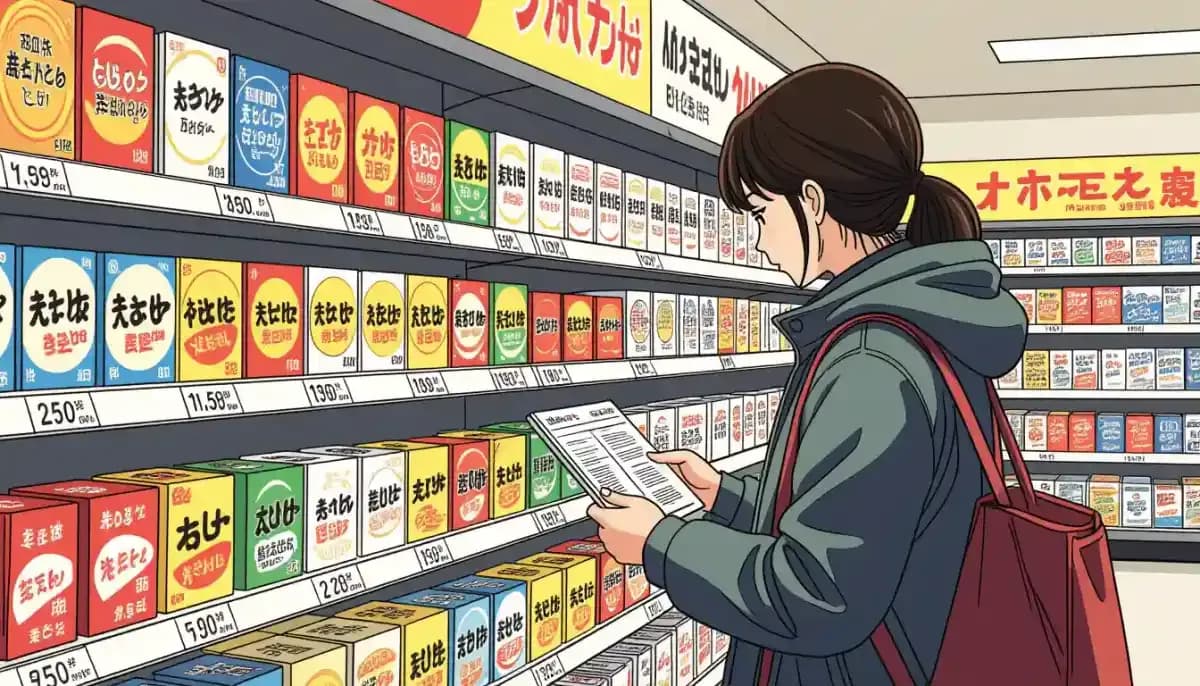
A complete guide to consumer protection laws in Japan for foreigners — covering the cooling-off period, return policies, product safety, complaint processes, and your rights as a foreign resident.
Consumer Protection Laws in Japan for Foreign Residents
Moving to Japan is an exciting experience, but understanding your rights as a consumer can be challenging — especially when navigating a system that operates very differently from what you may be used to back home. Japan's consumer protection framework is robust but fragmented, built on multiple sector-specific laws rather than a single unified code. Whether you're dealing with a faulty product, a shady contract, or a difficult return situation, knowing the rules can save you significant time, money, and stress.
This guide walks you through everything foreign residents need to know about consumer protection laws in Japan — from key legislation and cooling-off periods to complaint processes and useful resources.
!Consumer protection rights in Japan for foreigners

Overview of Japan's Consumer Protection Legal Framework
Unlike some countries that have a single, comprehensive consumer protection act, Japan's consumer protections are spread across several laws, each targeting a different type of commercial interaction. Here are the key statutes you should be aware of:
| Law | What It Covers |
|---|---|
| Consumer Contract Act (CCA) | General consumer-business contracts, unfair clauses, misrepresentation |
| Act on Specified Commercial Transactions (ASCT) | Door-to-door sales, mail order, telemarketing, multilevel marketing |
| Product Liability Act (PL Act) | Defective products causing injury or property damage |
| Consumer Product Safety Act (CPSA) | Safety standards for household and consumer products |
| Act against Unjustifiable Premiums and Misleading Representations | False advertising, misleading product claims |
The Consumer Affairs Agency (CAA) is the primary government body overseeing these laws, while the National Consumer Affairs Center of Japan (NCAC) handles mediation and advice for individual consumers.
As a foreign resident, you have the same consumer rights as Japanese nationals under these laws. Your nationality or visa status does not affect your protection under Japanese consumer law.
The Consumer Contract Act: Your Key Ally
The Consumer Contract Act (消費者契約法, Shōhisha Keiyakuhō) is probably the most important law for everyday life. It protects consumers entering into contracts with businesses, covering everything from apartment leases to gym memberships and online subscriptions.
Key protections under the CCA include:
- Voiding unfair clauses: Any contract clause that eliminates the business's liability for negligence, places unreasonable burden on the consumer, or imposes excessive cancellation fees can be voided.
- Protection from misrepresentation: If a business deliberately withholds important information or makes false statements that led you to sign the contract, you may be able to cancel it.
- Limits on cancellation fees: Cancellation fees must reflect actual damages — businesses cannot charge arbitrary penalty amounts.
Practical example: If a gym charges you a ¥50,000 cancellation fee for leaving in month two of a one-year contract, but cannot demonstrate that this reflects their actual loss, you may be able to challenge this fee under the CCA.
For more information on navigating legal situations in Japan, check out our guide to safety and emergency preparedness in Japan.
The Cooling-Off Period (クーリング・オフ): What It Means and When It Applies
One of the most commonly misunderstood consumer rights in Japan is the cooling-off period (クーリング・オフ, Kūringu-ofu). This is the right to cancel a contract within a certain period without penalty — but it only applies in specific situations.
When the Cooling-Off Period Applies
| Sales Type | Cooling-Off Period |
|---|---|
| Door-to-door sales (訪問販売) | 8 days from receiving the contract |
| Telephone solicitation sales (電話勧誘販売) | 8 days from receiving the contract |
| Multilevel marketing (連鎖販売取引) | 20 days from receiving the contract |
| Certain investment and correspondence courses | 8 days |
Critical point: The cooling-off period does NOT apply to:
- Regular store purchases (even large ones)
- Online shopping in most cases
- Food, cosmetics, or other consumable goods you've already used
- Cash transactions under ¥3,000
This catches many foreigners off guard. If you buy a TV at an electronics store and change your mind the next day, the store has no legal obligation to accept a return — that's entirely at their discretion.
How to Exercise Your Cooling-Off Right
To cancel under the cooling-off system:
- Send a written notice (often a postcard or registered letter) to the business
- Include the contract number, your name, the product/service, and the cancellation intention
- Keep proof of sending (a registered mail receipt works best)
- The business must refund any payment and cover return shipping costs
The National Consumer Affairs Center of Japan provides templates and guidance on how to draft a proper cooling-off notice.
Product Safety Standards and Your Rights
Japan takes product safety seriously. The Consumer Product Safety Act requires manufacturers to meet strict standards, and certain products cannot be sold legally without certification marks.
Key Safety Certification Marks to Look For
| Mark | Products Covered |
|---|---|
| PSE Mark (電気用品安全法) | Electrical appliances and equipment |
| PSC Mark (消費生活用製品安全法) | High-risk consumer goods like pressure cookers, helmets |
| ST Mark | Children's toys (voluntary but widely used) |
| SG Mark | General products meeting safety standards (voluntary) |
If you buy a second-hand electrical appliance without the PSE mark, be aware that you may have limited recourse if something goes wrong.
What happens when products are defective? Under the Product Liability Act, manufacturers are liable for damages caused by defective products, even if they were not negligent. You do not need to prove the manufacturer was careless — only that the product was defective and caused your injury or loss.
Manufacturers are also required to report serious product accidents to the government within 10 days. In 2025, new amendments further tightened these requirements, particularly for overseas e-commerce sellers who must now appoint Japanese representatives to handle compliance.
For guidance on shopping wisely in Japan, see our complete shopping guide for foreigners in Japan.
Returning Products in Japan: What You Need to Know
This is one of the most frustrating areas for foreigners coming from countries where generous return policies are standard. Japan operates under very different assumptions.
The General Rule
Stores in Japan have no legal obligation to accept returns unless:
- The product is defective
- The product does not match what was advertised
Changing your mind, buying the wrong size, or simply not liking the product are generally not valid reasons for a return under Japanese consumer expectations. Each store sets its own return policy.
Category-by-Category Breakdown
| Product Type | Return Likelihood | Key Conditions |
|---|---|---|
| Electronics (unopened) | Possible | Varies by store policy |
| Electronics (opened/used) | Rare | Only if defective |
| Clothing (tags attached) | Often accepted | Must be unworn |
| Food items (unopened) | Sometimes | Before expiry, store discretion |
| Cosmetics (unopened) | Sometimes | Store discretion |
| Cosmetics (opened) | Almost never | Hygiene concerns |
| Underwear/swimwear | Almost never | Hygiene concerns |
Tips for expats:
- Always check the store's return policy before purchasing large items
- Keep all receipts and original packaging
- When in doubt, ask at the store's customer service desk (サービスカウンター) before purchase
Filing a Consumer Complaint in Japan
When things go wrong, you have several options for recourse. The consumer complaint process in Japan is well-organized, but navigating it as a foreigner requires knowing which door to knock on.
The Consumer Hotline (消費者ホットライン)
The national consumer hotline number is 188 (dial one-eight-eight). This connects you to your local consumer affairs center. While the service is primarily in Japanese, many centers have staff who can assist in English, and some offer interpretation services.
National Consumer Affairs Center of Japan (NCAC)
The NCAC is the central body for consumer advice and mediation. In 2024, they received 513 inquiries from tourists and foreign residents — a significant increase from 305 in 2023, indicating growing awareness of consumer rights among the foreign community.
Services include:
- Free mediation between consumers and businesses
- Information on product safety recalls
- Press releases on consumer fraud trends
- Documentation of complaint cases as public reference
The NCAC also operates a Consumer Hotline for Tourists with multilingual support, accessible via a dedicated website launched in July 2021.
Local Consumer Affairs Centers
Every prefecture and major city has a local consumer affairs center (消費生活センター, Shōhisha Seikatsu Sentā). These centers:
- Provide free consultations
- Mediate disputes between consumers and businesses
- Offer advice in multiple languages at some locations
To find your nearest center, dial 188 or visit the Consumer Affairs Agency website.
When to Consider Legal Action
If mediation fails and the amount in dispute is significant, you can pursue:
- Small Claims Court (少額訴訟) for claims under ¥600,000
- Civil Court for larger amounts
- A 弁護士 (bengoshi / attorney) specializing in consumer law
Many legal aid organizations in Japan also offer free initial consultations. Check out the Japan Legal Support Center (Houterasu) for free legal advice.
For more on managing finances and disputes in Japan, see our banking and finance guide for foreigners.
Common Consumer Scams Targeting Foreigners in Japan
Foreigners can be particularly vulnerable to certain types of consumer fraud, often due to language barriers or unfamiliarity with Japanese norms.
Watch Out For:
Fake art sales at "exhibitions": People approach tourists or foreigners on the street and invite them to an "art exhibition." They use high-pressure tactics to sell overpriced artworks, sometimes using the cooling-off loophole for in-store "events."
Subscription trap services: Free trial offers that automatically convert to paid subscriptions, often buried in Japanese-language fine print.
Door-to-door water filter sales: High-pressure salespeople who install a device during a "free demonstration" and then demand payment. The cooling-off period applies here — use it.
Futon and bedding sales: Often targeting the elderly and new foreigners, salespeople visit homes and pressure residents into buying overpriced bedding.
Refund your card immediately demands: Scammers pose as government officials claiming you've overpaid on taxes or healthcare and ask for your bank card details to "process a refund."
If you encounter any of these situations, document everything and contact the consumer hotline at 188 immediately.
!Filing a consumer complaint in Japan

Online Shopping Consumer Rights in Japan
Japan's e-commerce market is massive, and foreigners often prefer online shopping as it avoids language barriers. However, your consumer rights online are somewhat different.
Under the Act on Specified Commercial Transactions, online retailers must clearly display:
- Business name, address, and contact information
- Total price including taxes and delivery
- Cancellation and return conditions
- Payment methods accepted
Key protections for online shoppers:
- If an online store fails to clearly state return conditions, you may have grounds for a return
- Credit card chargeback is an effective last resort for fraudulent transactions
- Overseas sellers using Japanese shopping platforms are now required (from 2025) to have Japanese representatives
For large purchases, using a credit card with purchase protection offers an additional layer of security.
Learn more about managing your finances in Japan through our daily life guide for foreigners in Japan.
Useful Resources for Foreign Residents
Here's a summary of key contacts and resources for consumer issues:
| Resource | How to Access | Language Support |
|---|---|---|
| Consumer Hotline | Dial 188 | Japanese primary, some English |
| National Consumer Affairs Center | https://www.kokusen.go.jp/ncacindexe.html | English available |
| Consumer Affairs Agency | https://www.caa.go.jp/en/ | English available |
| Japan Legal Support Center (Houterasu) | https://www.houterasu.or.jp/en/ | Multiple languages |
| Osaka Municipal Consumers' Center | Online - multilingual guides | English, Chinese, Korean |
For comprehensive guidance on Japan's legal landscape for foreigners, Living in Nihon's legal issues and troubleshooting guide is an excellent resource.
For those working in Japan and navigating workplace-related consumer issues, For Work in Japan offers practical guides on employment rights and workplace protections.
For Japanese language resources and career support that can help you navigate consumer situations more confidently, check out Ittenshoku — a Japan career support platform with useful guides for foreign residents.
Conclusion
Japan's consumer protection system is well-developed and applies equally to foreign residents and Japanese nationals. The key is knowing which laws apply to your situation and which channels to use when things go wrong.
The most important takeaways:
- The cooling-off period is a powerful tool, but only applies to specific sales types — not regular shopping
- Stores are not obligated to accept returns unless products are defective
- The Consumer Affairs Agency and NCAC are your allies when disputes arise
- 188 is your first call for consumer complaints
- Many consumer protections now extend to online shopping, particularly with the 2025 amendments
As Japan continues to update its consumer protection framework — particularly around e-commerce and product safety — it's worth staying informed about new developments. Being proactive about your rights will help you navigate the marketplace with confidence.
For more information on living and settling into Japan, explore our complete guide to daily life in Japan and our housing guide for foreign residents.

Originally from Vietnam, living in Japan for 16+ years. Graduated from Nagoya University, with 11 years of professional experience at Japanese and international companies. Sharing information about living in Japan for foreigners.
View Profile →Related Articles
Visa Overstay Consequences and What to Do in Japan
Learn the serious consequences of visa overstay in Japan, including fines, deportation, and re-entry bans. Discover the Departure Order System and how voluntary surrender can reduce your re-entry ban to just 1 year.
Read more →
Can Foreigners Vote in Japan Explained
Foreigners cannot vote in Japan's elections — only citizens can. Learn about the history of foreign suffrage, naturalization, and how to vote in your home country while living in Japan.
Read more →
Workers Compensation Insurance in Japan Guide
Complete guide to Japan's workers compensation insurance (Rousai Hoken) for foreign workers. Learn about coverage, benefits, how to file a claim, and what to do if your employer refuses to help.
Read more →
Free Legal Consultation Services for Foreigners in Japan
Find free legal consultation services for foreigners in Japan. Covers Houterasu, bar associations, Ministry of Justice, and municipal centers. Multilingual support available.
Read more →
Immigration Detention in Japan What to Know
Everything foreigners need to know about immigration detention in Japan: how it works, your rights, detention duration, provisional release, deportation consequences, and how to get help.
Read more →
Tenant Rights in Japan for Foreign Renters
Know your rights as a foreign tenant in Japan. Learn about security deposit rules, eviction laws, lease protections, and free legal resources for expats renting in Japan.
Read more →