
Visa Overstay Consequences and What to Do in Japan

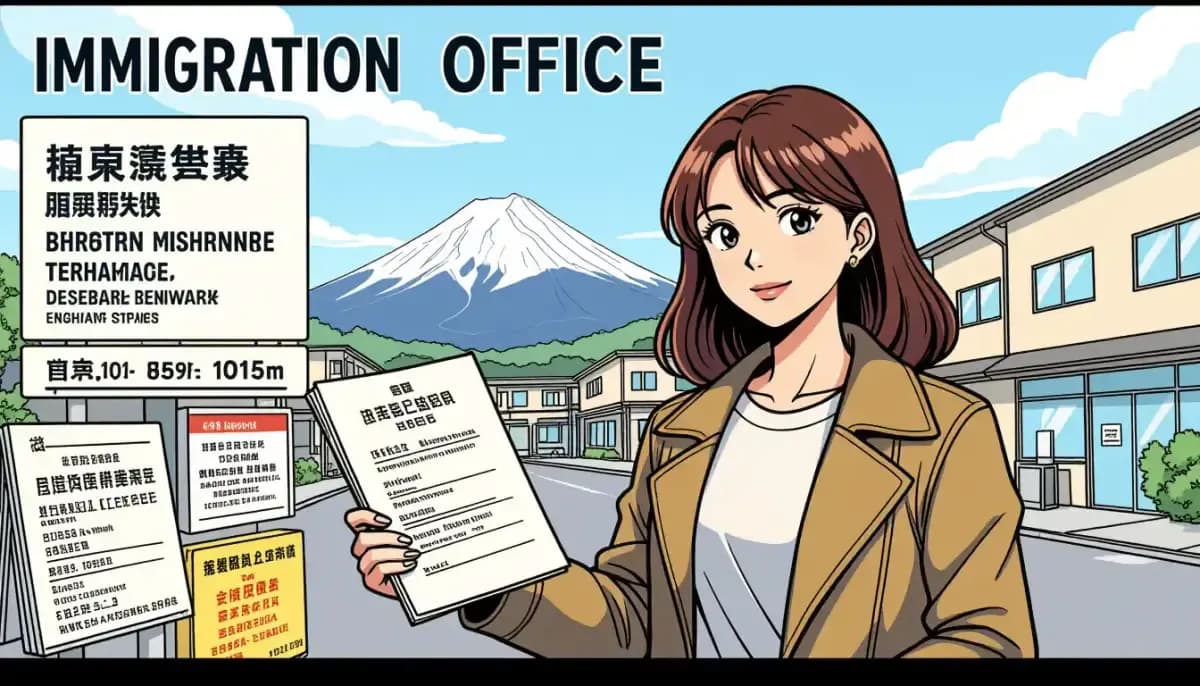
Learn the serious consequences of visa overstay in Japan, including fines, deportation, and re-entry bans. Discover the Departure Order System and how voluntary surrender can reduce your re-entry ban to just 1 year.
Visa Overstay Consequences and What to Do in Japan
Overstaying your visa in Japan is a serious immigration violation with severe consequences that can affect your ability to return to Japan for years—or even permanently. Whether you miscounted the days, experienced an emergency, or simply lost track of time, understanding what happens next and how to handle it is critical. This guide covers the legal consequences of visa overstay in Japan, the options available to you, and how to minimize the impact on your future.
!Visa overstay consequences Japan immigration office
What Counts as a Visa Overstay in Japan?
In Japan, a visa overstay—known as fuhou zanryuu (不法残留)—occurs when you remain in the country beyond your authorized period of stay without obtaining an extension or changing your residency status. Unlike some countries that offer grace periods, Japan operates strictly: even one day over your authorized period is considered illegal.
Your authorized period of stay is printed on your residence card (zairyu card) or, for short-term visitors, stamped in your passport at entry. It is your responsibility to track these dates and take action before they expire.
Common scenarios that lead to accidental overstay include:
- Forgetting to renew your residence status before expiration
- A status change application being rejected with no time to appeal
- Medical emergencies or hospitalization preventing timely departure
- Misreading the expiration date format (Japan uses Year/Month/Day)
- Natural disasters or other force majeure events
Regardless of the reason, Japanese immigration law does not automatically provide leniency. However, how you respond to the situation can make a significant difference.
Consequences of Overstaying Your Visa in Japan
The consequences of visa overstay in Japan are serious and escalate with the length of time you have overstayed. In 2024, 18,908 people were deported under the Immigration Control and Refugee Recognition Act, with approximately 90% of cases related to visa overstays.
Fines
Overstaying your visa can result in a fine of up to ¥300,000. In many deportation cases, this fine is waived, but it remains a potential penalty especially for shorter overstays where deportation may not be the primary outcome.
Detention
Once discovered—whether through voluntary surrender or a police encounter—you may be detained at a Regional Immigration Services Bureau. Detention can last:
- Up to 30 days for initial investigation
- Up to 60 days total while your case is under review
Provisional release (kari homen) is available under strict conditions, typically requiring a cash deposit of ¥200,000 to ¥300,000 and compliance with regular check-ins.
Deportation
Formal deportation (kyosei taisho) means being escorted out of Japan by immigration officers. A deportation order goes on your permanent immigration record and significantly affects future visa applications not only for Japan but potentially for other countries.
Re-entry Bans
This is often the most long-lasting consequence. Re-entry bans typically last:
| Situation | Re-entry Ban Duration |
|---|---|
| Voluntary departure via Departure Order System | 1 year |
| Standard voluntary departure | 1-5 years |
| Formal deportation | 5 years minimum |
| Repeat offender or criminal conviction | 10 years or permanent ban |
| Drug-related offenses | Indefinite or permanent ban |
Even a 1-year ban can disrupt your career, relationships, and plans significantly. A 5-year or longer ban effectively ends many people's lives in Japan.
Immigration Record
Your overstay is permanently recorded in Japan's immigration database. This record can affect:
- Future visa applications for Japan
- Visa applications for other countries that share immigration data
- Employment decisions by Japanese companies
- Applications for permanent residency or naturalization in the future
For more context on Japan's visa and residency status system, see The Complete Guide to Japan Visa and Immigration.
The Departure Order System: Your Best Option If You Overstay
If you are currently overstaying your visa in Japan and have not yet been caught by authorities, voluntarily reporting yourself to a Regional Immigration Services Bureau is almost always your best course of action. This is called shuttou shinkoku (出頭申告).
By voluntarily reporting, you may qualify for the Departure Order System (shukkoku-meirei-seido), a more lenient pathway that offers:
- Departure without prolonged detention
- Re-entry ban reduced to only 1 year instead of 5+ years
Eligibility Requirements for the Departure Order System
To qualify, you must meet ALL of the following criteria:
- You voluntarily report to an immigration office (not caught by police or authorities)
- Overstay is your only immigration violation (no illegal work, no other status violations)
- You have no criminal convictions since entering Japan
- You have no prior deportation record or previous departure orders
- You can leave Japan within 15 days at your own expense
- You genuinely intend to leave Japan immediately
If you meet all these criteria, immigration officers will issue you a departure order rather than a deportation order, and you will have up to 15 days to arrange your departure.
For additional guidance on immigration processes, resources like Living in Nihon's Japan Visa Guide provide comprehensive information on residency statuses.
!Japan Immigration Bureau voluntary departure process
What Happens When You Report to Immigration Voluntarily
The process of voluntarily surrendering at a Regional Immigration Services Bureau generally follows these steps:
- Arrive at the immigration bureau with your passport, residence card, and any relevant documents
- Declare your overstay to an officer and state your intention to depart
- Answer questions about the duration of overstay, reason for remaining, whether you worked illegally, and your financial situation
- Wait for an eligibility determination on whether you qualify for the Departure Order System
- If approved, receive your departure order and arrange flights within the 15-day window
- If not approved, you may face detention while your case is processed
Be honest during questioning. Lying to immigration officers can result in criminal charges in addition to deportation.
Special Permission to Stay: An Alternative Path
For foreigners with strong ties to Japan—such as a Japanese spouse, Japanese children, or long-term legal residence before the overstay—there is another option: Special Permission to Stay (zairy tokubetsu kyoka).
This is not guaranteed and is evaluated on a case-by-case basis. Factors immigration authorities consider include:
- Whether you are married to a Japanese national or permanent resident
- Whether you have minor children with Japanese citizenship
- The age and circumstances of your children
- How long you legally resided in Japan before overstaying
- Your overall conduct and character
Special Permission to Stay allows you to remain in Japan legally rather than being deported. It is typically handled through administrative proceedings and strongly benefits from professional legal assistance.
For information about marriage-related visas and status, see The Complete Guide to Marriage and Relationships in Japan.
Getting Legal Help for Visa Overstay Issues
Given the complexity and high stakes of overstay situations, professional legal assistance is strongly recommended. There are two main types of professionals who can help:
Immigration Lawyers (Bengoshi)
Full attorneys licensed to practice law in Japan. They can:
- Represent you in formal administrative hearings
- File appeals against deportation orders
- Assist with Special Permission to Stay applications
- Accompany you to immigration offices
Cost: ¥50,000–¥300,000+ depending on complexity
Administrative Scriveners (Gyosei Shoshi)
Handle immigration paperwork and can accompany you to immigration bureaus, but cannot represent you in court. More affordable than lawyers but limited in scope.
Cost: ¥30,000–¥150,000 depending on service level
Firms like Cuarteto Administrative Lawyers Office specialize specifically in overstay cases and offer tiered service packages. For work visa-related aspects of your situation, For Work in Japan provides resources on work visas and employment for foreigners.
NGOs and Legal Aid
Some nonprofit organizations and legal aid societies provide free or reduced-cost consultations for foreigners in difficult immigration situations. Contact your country's embassy in Japan for referrals. The GaijinPot blog also provides useful firsthand accounts and practical advice from expats who have navigated similar situations.
If You Are Caught Rather Than Surrendering Voluntarily
If immigration officers or police discover your overstay rather than you reporting it yourself, the process is less forgiving:
- You will be detained and taken to a Regional Immigration Services Bureau or detention center
- You will not qualify for the Departure Order System (it requires voluntary surrender)
- A formal deportation order will likely be issued
- You will typically face a 5+ year re-entry ban
- You have only 3 days to file an objection to a deportation order
An objection requires compelling grounds, and Japan rarely grants appeals for long-term overstayers unless there are exceptional humanitarian circumstances. If you choose to appeal, you must do so through a lawyer immediately.
How to Prevent Visa Overstay in Japan
Prevention is far better than dealing with the consequences. Key practices to avoid accidental overstay:
- Set calendar reminders 3 months, 1 month, and 2 weeks before your status expiration
- Track your residence card expiration separately from your visa stamp (they may differ)
- Apply for renewal or extension early—processing typically takes 1-3 months
- Understand the difference between your visa validity and your authorized period of stay
- Keep copies of all application receipts, which may protect you if processing is delayed
- Know the regional immigration bureau hours so you can act quickly if needed
If you submitted a renewal application before expiration and it is still pending, you are generally protected—your previous status is extended until a decision is made. Keep your application receipt as proof.
For more information on daily life logistics as a foreigner in Japan, including important bureaucratic processes, see The Complete Guide to Daily Life in Japan for Foreigners. For resources on finding stable employment with proper work authorization, visit Ittenshoku which specializes in job placement for foreigners in Japan.
Summary: Key Actions If You Are Currently Overstaying
If you discover you are overstaying your visa right now, here is what to do:
| Situation | Recommended Action |
|---|---|
| Overstay just discovered, no other violations | Report voluntarily to immigration ASAP |
| Married to Japanese national or have Japanese children | Consult immigration lawyer about Special Permission to Stay |
| Involved in illegal work or other violations | Consult lawyer before approaching immigration |
| Received a deportation order | File objection within 3 days, hire lawyer immediately |
| Medical emergency caused overstay | Gather documentation, consult lawyer |
The most important thing to remember: acting sooner almost always leads to better outcomes. The longer you wait, the harder it becomes to qualify for lenient options like the Departure Order System, and the more serious the potential consequences become.
Japan's immigration authorities take overstays seriously, but the system does provide pathways for those who come forward honestly and promptly. Understanding your options and taking the right steps can make the difference between a 1-year separation from Japan and a permanent ban.

Originally from Vietnam, living in Japan for 16+ years. Graduated from Nagoya University, with 11 years of professional experience at Japanese and international companies. Sharing information about living in Japan for foreigners.
View Profile →Related Articles
Can Foreigners Vote in Japan Explained
Foreigners cannot vote in Japan's elections — only citizens can. Learn about the history of foreign suffrage, naturalization, and how to vote in your home country while living in Japan.
Read more →
Workers Compensation Insurance in Japan Guide
Complete guide to Japan's workers compensation insurance (Rousai Hoken) for foreign workers. Learn about coverage, benefits, how to file a claim, and what to do if your employer refuses to help.
Read more →
Free Legal Consultation Services for Foreigners in Japan
Find free legal consultation services for foreigners in Japan. Covers Houterasu, bar associations, Ministry of Justice, and municipal centers. Multilingual support available.
Read more →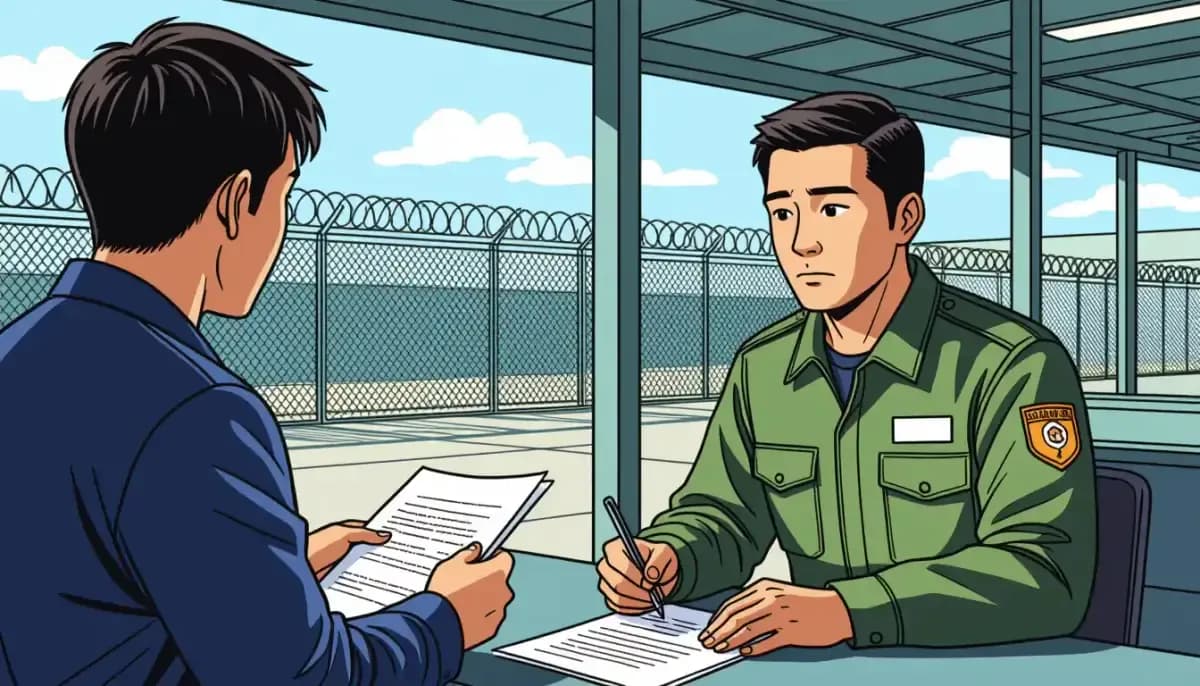
Immigration Detention in Japan What to Know
Everything foreigners need to know about immigration detention in Japan: how it works, your rights, detention duration, provisional release, deportation consequences, and how to get help.
Read more →
Consumer Protection Laws in Japan for Foreign Residents
A complete guide to consumer protection laws in Japan for foreigners — covering the cooling-off period, return policies, product safety, complaint processes, and your rights as a foreign resident.
Read more →
Tenant Rights in Japan for Foreign Renters
Know your rights as a foreign tenant in Japan. Learn about security deposit rules, eviction laws, lease protections, and free legal resources for expats renting in Japan.
Read more →