
How to Report Discrimination in Japan

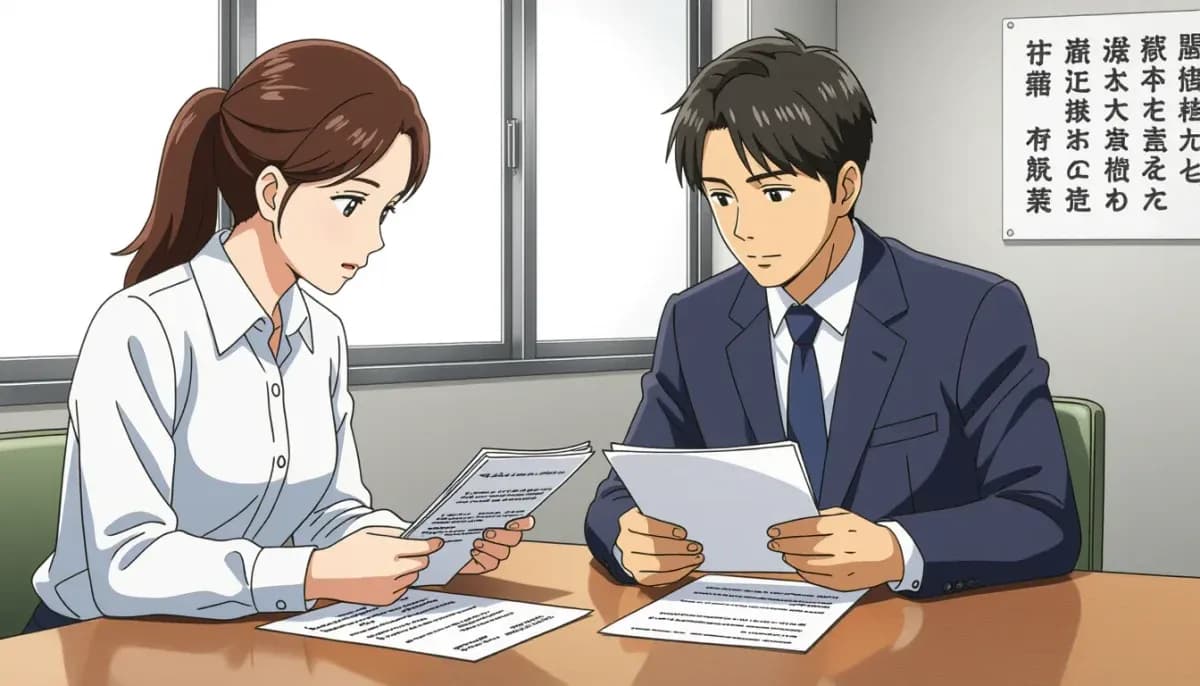
Learn how to report discrimination in Japan as a foreigner. Complete guide covering the Ministry of Justice hotline, workplace discrimination, housing rights, NGO support, and step-by-step reporting procedures available in multiple languages.
How to Report Discrimination in Japan: A Complete Guide for Foreigners
Discrimination is an unfortunate reality that many foreigners living in Japan face — whether it's being denied a rental apartment, refused service at a restaurant, or experiencing unfair treatment at work. The good news is that Japan has established multiple channels through which you can report and seek redress for discrimination. This guide walks you through everything you need to know about how to report discrimination in Japan, what agencies to contact, and what to expect from the process.
Understanding Discrimination Against Foreigners in Japan
Before diving into the reporting process, it helps to understand the scope of discrimination in Japan. According to a landmark Ministry of Justice survey conducted in 2016 — Japan's first nationwide study on the subject — the findings were sobering:
- About 40% of foreign respondents reported being rejected for rental housing because they were not Japanese
- Roughly 25% abandoned their housing search entirely after seeing "No Foreigners" signs
- Almost 9 out of 10 private housing units in Tokyo do not accept foreign tenants, according to Ichii Group real estate agency
- Even foreign nationals born and raised in Japan are not immune: 22.9% of those who had lived in Japan since birth reported rental rejections based on their nationality
Discrimination is also common in workplaces, restaurants, public baths, and other service settings. Despite signing the International Convention on the Elimination of All Forms of Racial Discrimination (ICERD) in 1996, Japan lacks domestic legislation specifically criminalizing racial or ethnic discrimination. However, you still have avenues for reporting and seeking resolution.
For a broader overview of the legal landscape, see our guide on Working in Japan as a Foreigner and Finding Housing in Japan.
The Ministry of Justice Human Rights Bureau
The primary government body handling discrimination complaints in Japan is the Human Rights Bureau under the Ministry of Justice. They operate Legal Affairs Bureaus in all 47 prefectures and provide free, confidential human rights counseling services for foreigners.
How to Contact Them
There are three main ways to access the Ministry of Justice's human rights services:
| Method | Details | Languages |
|---|---|---|
| Phone Hotline | 0570-090911 (weekdays 9:00–17:00) | English, Chinese, Korean, Filipino, Portuguese, Vietnamese, Nepali, Spanish, Indonesian, Thai (10 total) |
| Online Form | https://www.jinken.go.jp/soudan/PCAD/0101en.html | 10 languages |
| In-Person Visit | 50 Legal Affairs Bureaus nationwide (weekdays 9:00–17:00) | Approximately 80 languages |
All services are completely free of charge (standard phone charges may apply for the hotline). No paperwork is required to begin, and your inquiry will be handled with confidentiality.
For workplace-specific issues such as harassment, unfair dismissal, or discriminatory pay, the Ministry of Justice also provides dedicated guidance through its Legal Affairs Bureaus.
Types of Discrimination You Can Report
The Ministry of Justice's human rights counseling service covers a wide range of discrimination cases:
- Housing discrimination: Being refused an apartment rental because of your nationality
- Service refusals: Being turned away from restaurants, hotels, or public baths
- Workplace discrimination: Unfair treatment, discriminatory wages, or harassment based on ethnicity or nationality
- School bullying: Foreign children being bullied or excluded at school
- Public facility exclusion: Being denied entry to parks, gyms, or cultural facilities
- Event exclusion: Being excluded from community events due to cultural differences
Each case is reviewed by human rights officials who conduct fact-finding investigations and, where appropriate, provide relief measures.
Reporting Workplace Discrimination in Japan
If you experience discrimination at your job — whether it's discriminatory pay, harassment, or wrongful dismissal — Japan has specific labor-related channels available to you.
!Reporting Workplace Discrimination in Japan - illustration for How to Report Discrimination in Japan
Step 1: Document Everything
Keep detailed records of any discriminatory incidents: dates, times, what was said or done, who was present, and any written communications. This documentation is critical for any formal complaint.
Step 2: Contact the Prefectural Labour Bureau
Each prefecture has a Labour Bureau that handles employment-related complaints. You can file a request for administrative mediation regarding discriminatory treatment in the workplace. Labour Standards Offices (労働基準監督署) can also investigate wage theft, unsafe working conditions, and unfair dismissal.
Step 3: Use the Labor Tribunal System
For more serious cases, you can petition the Labour Tribunal — a quasi-judicial process designed to resolve labor disputes efficiently, usually within three hearings. If you need to escalate further, civil court proceedings are also an option.
For comprehensive information on anti-discrimination protections in the workplace, visit For Work in Japan's guide on anti-discrimination law, which covers legal frameworks applicable to foreign workers in Japan. You can also consult the labor consultation service guide for multilingual support options.
Reporting Housing Discrimination in Japan
Housing discrimination is one of the most commonly reported issues among foreigners in Japan. While there is no domestic law explicitly prohibiting landlords from refusing to rent to foreigners, you can still take action.
What You Can Do
- Report to the Ministry of Justice Hotline (0570-090911): The Human Rights Bureau can investigate and mediate housing discrimination complaints
- Contact your local municipality: Many city and ward offices have human rights divisions that handle discrimination cases
- Seek NGO support: Organizations such as Human Rights Now and Amnesty International Japan offer pro-bono legal clinics and publish know-your-rights handbooks in multiple languages
- Consult a lawyer: The Japan Federation of Bar Associations (日弁連) runs free legal consultation services for foreigners
For a detailed overview of your rights as a foreign renter and strategies for finding foreigner-friendly housing, check Living in Nihon's guide on important laws foreigners must know.
NGO and Community Resources for Discrimination Support
Beyond government channels, several non-governmental organizations actively support foreigners dealing with discrimination in Japan:
| Organization | Services | Contact |
|---|---|---|
| Human Rights Now | Pro-bono legal clinics, advocacy | hrn.or.jp/eng/ |
| Amnesty International Japan | Know-your-rights guides, advocacy | amnesty.or.jp/en/ |
| JFBA (Japan Federation of Bar Associations) | Free legal consultations | nichibenren.or.jp |
| CERD Shadow Report Network | International treaty monitoring | Works with UN bodies |
| Ittenshoku | Career and life support for foreigners in Japan | ittenshoku.com |
These organizations can provide legal advice, help document your case, accompany you to consultations, and even represent your interests in advocacy campaigns.
Filing an International Complaint
If domestic channels have been exhausted or are insufficient, Japan is a signatory to several international human rights treaties, which means international bodies can receive reports:
- UN Committee on the Elimination of Racial Discrimination (CERD): Accepts shadow reports from civil society organizations
- UN Human Rights Committee: Reviews state compliance with the International Covenant on Civil and Political Rights
- ILO (International Labour Organization): Handles labor-related human rights violations
While individual complaints to these bodies can be complex, NGOs like Human Rights Now can guide you through the process and even submit reports on your behalf.
Practical Tips When Reporting Discrimination
Navigating the reporting system can be daunting, especially with language barriers. Here are some practical tips to make the process smoother:
- Use the multilingual hotline (0570-090911): Available in 10 languages including English, calls are routed to the nearest Legal Affairs Bureau
- Request an interpreter: In-person consultations at Legal Affairs Bureaus support approximately 80 languages
- Keep all evidence: Screenshots, photos of signs, written communications, and witness names
- File promptly: The sooner you report, the easier it is to investigate
- Know your rights: Japan's Constitution guarantees fundamental human rights to all residents, not just citizens
- Don't give up: Even if your first report doesn't result in immediate action, creating an official record is valuable for broader advocacy efforts
For more general support on navigating daily life challenges as a foreigner in Japan, see our Daily Life in Japan Guide and the Safety and Emergency Preparedness Guide.
What to Expect After Filing a Complaint
Once you file a complaint with the Ministry of Justice Human Rights Bureau:
- A human rights official will contact you to discuss your case in more detail
- The bureau will conduct a fact-finding investigation, which may include contacting the party who discriminated against you
- If discrimination is confirmed, the bureau can issue recommendations, provide mediation, or in serious cases, refer the matter for further legal action
- For workplace cases, the Labour Bureau may arrange mediation sessions between you and your employer
The process is designed to be accessible and non-confrontational, but outcomes vary depending on the nature of the case. In most housing discrimination cases, for example, the bureau can encourage landlords to reconsider but cannot force them to rent to you.
Conclusion
Experiencing discrimination in Japan is frustrating and demoralizing, but you are not without recourse. The Ministry of Justice Human Rights Bureau offers free, multilingual support through its hotline (0570-090911), online portal, and 50 in-person locations across Japan. For workplace issues, the prefectural Labour Bureau and Labor Tribunal system provide additional pathways. NGOs and pro-bono legal services offer further support for those who need it.
By knowing your rights and the channels available to you, you can take meaningful steps to address discrimination — and contribute to broader progress toward a more inclusive Japan. Remember: every reported case helps build the record that advocates use to push for stronger legal protections for foreigners in Japan.
For more resources on living in Japan as a foreigner, explore our pillar guides on Healthcare in Japan, Daily Life in Japan, and Working in Japan.

Originally from Vietnam, living in Japan for 16+ years. Graduated from Nagoya University, with 11 years of professional experience at Japanese and international companies. Sharing information about living in Japan for foreigners.
View Profile →Related Articles
Visa Overstay Consequences and What to Do in Japan
Learn the serious consequences of visa overstay in Japan, including fines, deportation, and re-entry bans. Discover the Departure Order System and how voluntary surrender can reduce your re-entry ban to just 1 year.
Read more →
Can Foreigners Vote in Japan Explained
Foreigners cannot vote in Japan's elections — only citizens can. Learn about the history of foreign suffrage, naturalization, and how to vote in your home country while living in Japan.
Read more →
Workers Compensation Insurance in Japan Guide
Complete guide to Japan's workers compensation insurance (Rousai Hoken) for foreign workers. Learn about coverage, benefits, how to file a claim, and what to do if your employer refuses to help.
Read more →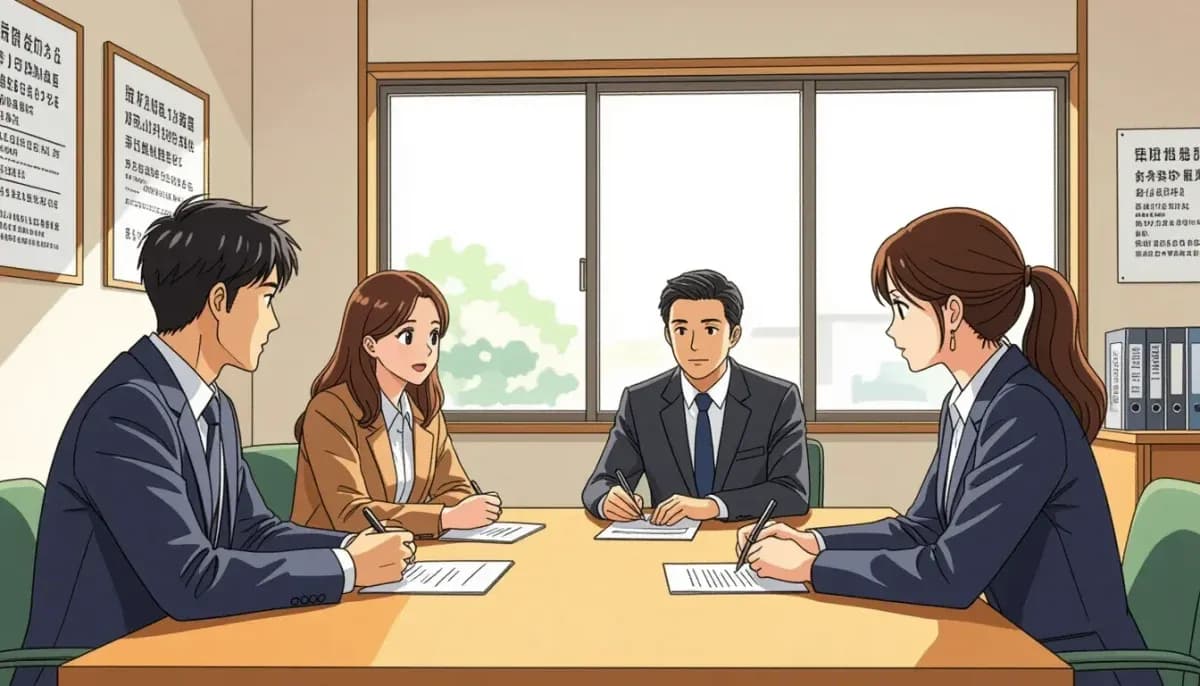
Free Legal Consultation Services for Foreigners in Japan
Find free legal consultation services for foreigners in Japan. Covers Houterasu, bar associations, Ministry of Justice, and municipal centers. Multilingual support available.
Read more →
Immigration Detention in Japan What to Know
Everything foreigners need to know about immigration detention in Japan: how it works, your rights, detention duration, provisional release, deportation consequences, and how to get help.
Read more →
Consumer Protection Laws in Japan for Foreign Residents
A complete guide to consumer protection laws in Japan for foreigners — covering the cooling-off period, return policies, product safety, complaint processes, and your rights as a foreign resident.
Read more →