
Living in Sendai as a Foreigner Complete Guide
Everything foreigners need to know about living in Sendai, Japan: neighborhoods, housing costs, transportation, jobs, schools, and community resources in Tohoku's largest city.
Read more →
Discover the best regions to live in Japan as a foreigner. Compare costs, job markets, and lifestyle across Osaka, Fukuoka, Nagoya, rural areas and more. Complete expat guide.
Japan is far more than Tokyo. While the capital city draws the majority of foreign residents with its global job market and international infrastructure, millions of expats are discovering that Japan's regions offer something Tokyo simply cannot: space, affordability, community, and a deeper connection to Japanese culture. Whether you are drawn to the culinary streets of Osaka, the startup energy of Fukuoka, or the mountain serenity of Nagano, this guide will help you understand what regional living in Japan really means for foreigners.
From cost comparisons to job market realities, visa considerations to community life, this complete guide covers everything you need to decide where in Japan you want to put down roots.
![A scenic Japanese countryside town with traditional machiya townhouses, forested mountains and rice paddies under a clear blue sky]()
Tokyo is home to over 600,000 registered foreign residents, representing nearly 20% of all foreigners in Japan. But the concentration of expat life in Tokyo has a cost. Rent in the 23 wards averages ¥80,000–¥120,000 per month for a small 1K apartment, commutes are long and crowded, and the city's pace can be relentless.
Regional Japan offers an alternative that is gaining traction among digital nomads, remote workers, families, retirees, and career professionals alike:
The trade-off is real: fewer English-language jobs, less international infrastructure, and services that operate primarily in Japanese. But for those who are prepared, regional Japan rewards richly.
For a broader overview of making the move, see our Complete Guide to Moving to Japan as a Foreigner.
Understanding the financial landscape is the first step in choosing where to live. The table below compares monthly living costs for a single person across Japan's major regional centers.
| Region | 1K Rent (monthly) | Food | Transport | Estimated Monthly Total |
|---|---|---|---|---|
| Tokyo (23 wards) | ¥80,000–¥120,000 | ¥40,000–¥60,000 | ¥10,000–¥15,000 | ¥150,000–¥210,000 |
| Osaka | ¥50,000–¥70,000 | ¥30,000–¥50,000 | ¥8,000–¥12,000 | ¥100,000–¥145,000 |
| Nagoya | ¥60,000–¥80,000 | ¥30,000–¥45,000 | ¥7,000–¥12,000 | ¥105,000–¥145,000 |
| Fukuoka | ¥40,000–¥60,000 | ¥30,000–¥45,000 | ¥5,000–¥10,000 | ¥90,000–¥130,000 |
| Sapporo | ¥35,000–¥50,000 | ¥30,000–¥45,000 | ¥8,000–¥10,000 | ¥85,000–¥120,000 |
| Kyoto | ¥55,000–¥75,000 | ¥35,000–¥50,000 | ¥8,000–¥12,000 | ¥105,000–¥145,000 |
| Okinawa | ¥40,000–¥55,000 | ¥30,000–¥40,000 | Car required | ¥90,000–¥120,000+ |
| Rural areas | ¥20,000–¥40,000 | ¥25,000–¥40,000 | Car required | ¥60,000–¥100,000 |
For a detailed breakdown of what you will pay in the capital, read our Cost of Living in Tokyo Complete Breakdown.
For detailed regional and job market guidance, Living in Nihon's regional guide is an excellent resource covering housing and cost comparisons across Japan's major cities.
Japan's second city is a powerhouse for expats who want urban convenience without Tokyo's price tag or pace. Osaka is roughly 20–30% cheaper than Tokyo and is renowned as Japan's culinary capital — a genuine selling point for food-focused residents.
Pros:
Cons:
Central apartments in areas like Namba or Umeda range from ¥70,000–¥130,000, while suburban neighborhoods can drop to ¥50,000–¥70,000.
Fukuoka has quietly become one of Japan's most exciting cities for foreign residents. Located in northern Kyushu, it is Japan's closest major city to South Korea and China, making it a strategic hub for international business. The city government has actively courted startups and remote workers with visa programs and English-language support.
Pros:
Cons:
Central apartments start around ¥55,000/month. For insights on finding work in regional Japan, For Work in Japan's regional job market guide covers employment trends across prefectures.
Japan's fourth-largest city is often overlooked by expats but represents one of the best opportunities for foreigners in manufacturing, engineering, and IT. As the home of Toyota and a dense cluster of auto industry suppliers, Nagoya offers steady employment and a lower cost of living than Tokyo.
Pros:
Cons:
For those seeking beauty, culture, and a slower pace, Kyoto is a compelling option. The former imperial capital retains its temple-town atmosphere, traditional festivals, and machiya (townhouse) architecture.
Pros:
Cons:
For nature lovers and those who can work remotely, Hokkaido is Japan at its most spectacular. Sapporo offers a genuine city experience with one of Japan's lowest cost of living profiles among prefectural capitals.
Pros:
Cons:
![Foreigner exploring a rural Japanese mountain village with traditional wooden buildings and autumn foliage]()
Japan has approximately 8.5 million vacant homes (akiya), a result of population decline and urbanization. Many rural municipalities are actively offering these homes for free or at minimal cost to attract new residents — including foreigners.
Akiya (空き家) literally means "empty house." These are abandoned or unused properties that local governments and owners wish to see reoccupied. While conditions vary greatly, some akiya have been renovated and are move-in ready; others require substantial investment.
Japan's Regional Revitalization Program (地方創生) provides financial support to people moving from major urban areas to rural regions:
Many municipalities add their own incentives on top of national programs, including renovation grants, business startup funding, and free Japanese language classes.
Rural Japan is beautiful and affordable, but it comes with genuine challenges:
Employment: Unless you can work remotely, operate your own business, or work in agriculture, finding employment in rural Japan is difficult. This is the single biggest barrier for most foreign residents.
Transportation: A car is essential in most rural areas. Public transport outside major rail corridors is minimal and infrequent.
Housing quality: Much of Japan's rural housing stock has not been significantly updated since the 1990s bubble economy. Even with adequate budget, finding quality properties requires patience.
Natural disaster risk: Rural areas often have greater exposure to landslides, flooding, and earthquakes with less protective infrastructure than urban centers.
Language: Services in rural Japan operate almost entirely in Japanese. A functional level of Japanese is not optional — it is essential.
For practical advice on navigating Japan's systems as a foreigner, our City Hall Procedures Guide is essential reading when relocating to any Japanese municipality.
Your visa status does not change based on where in Japan you live. However, regional living does affect some practical immigration matters.
All foreign residents must register their address at their local city hall within 14 days of moving. This applies whether you are in Tokyo or a remote village. Your residence card (在留カード, zairyu card) must reflect your current address.
If you are on a work visa, your employer is your visa sponsor. Regional job hunting requires finding employers willing to sponsor a work visa, which can be more challenging outside major cities. Engineering, IT, English teaching, and the hospitality industry tend to offer the most regional opportunities.
For detailed visa information, see our Complete Guide to Japan Visa and Immigration.
Japan's permanent residency (PR) requirements are the same regardless of where you live. The standard path requires 10 years of continuous residence, or 5 years if married to a Japanese national. Living in a rural municipality does not accelerate PR qualification, but some municipalities offer support services to long-term foreign residents pursuing PR.
See our Japan Permanent Residency Application Guide for full details.
Japan's foreign labor force reached approximately 2.3 million workers in 2024, up 12.4% year-over-year. The regional distribution of these workers reflects Japan's industrial geography.
| Region | Key Industries | Foreign Worker Profile | Salary Range |
|---|---|---|---|
| Tokyo/Kanagawa | IT, Finance, Services | High-skill visa holders | ¥300,000–¥600,000+/month |
| Osaka/Kobe | Manufacturing, Commerce, Tourism | Diverse | ¥230,000–¥400,000/month |
| Aichi/Nagoya | Automotive, Manufacturing | Large Brazilian, Vietnamese communities | ¥220,000–¥380,000/month |
| Fukuoka | IT, Startups, Tourism | Growing tech sector | ¥220,000–¥380,000/month |
| Hokkaido | Tourism, Agriculture, Dairy | Seasonal + permanent | ¥180,000–¥300,000/month |
| Okinawa | Tourism, US Military base-related | English speakers | ¥180,000–¥280,000/month |
Remote work has transformed regional Japan's viability for English-speaking professionals. If your employer allows remote work, or if you operate your own business, the regional cost advantage is enormous. A remote worker earning a Tokyo salary while living in Fukuoka or Sapporo can save ¥50,000–¥80,000 per month compared to Tokyo living.
For job search strategies, see our How to Find a Job in Japan as a Foreigner guide.
For IT career changers considering regional Japan, Ittenshoku provides resources on navigating Japan's IT job market, which has opportunities across multiple prefectures.
Once you have chosen your area, key early steps include:
One of the most important — and underestimated — aspects of regional living is building your social network. Outside of Tokyo and Osaka, formal expat communities are smaller but often tighter-knit.
Look for:
For broader tips on social integration, our How to Make Friends in Japan as a Foreigner guide covers strategies that work across all regions.
For a rural-specific guide to relocating, Japan Cheapo's countryside moving guide offers candid advice from people who have made the move.
For a broader international perspective on Japan's best expat cities, International Citizens' Japan living guide covers additional cities and lifestyle considerations.
Moving to a region far from Tokyo's international bubble can intensify culture shock. The daily encounters with Japanese bureaucracy, social norms, and language become more frequent and unavoidable.
Our Stages of Culture Shock When Living in Japan walks through what to expect and how to build psychological resilience — particularly relevant for those relocating to smaller cities.
Understanding local customs becomes even more important in regional Japan, where community expectations may be stronger. Familiarize yourself with Essential Japanese Manners before settling in.
Regional living in Japan is not for everyone — but for those who are ready, it can be transformative. Lower costs, bigger spaces, deeper cultural immersion, and a quality of life that Tokyo's crowded wards cannot match are real and achievable.
The key is honest self-assessment:
If the answers align with regional living, Japan's countryside and mid-size cities are waiting — with lower rents, stunning scenery, and a version of Japan that most expats never discover.
Start your journey with our Moving to Japan Complete Guide and use this regional guide as your roadmap to finding the perfect corner of Japan for you.
Everything foreigners need to know about living in Sendai, Japan: neighborhoods, housing costs, transportation, jobs, schools, and community resources in Tohoku's largest city.
Read more →
Planning to move from Tokyo to rural Japan? Discover the real costs, challenges, government subsidies, best regions, and practical steps for foreigners making the inaka transition.
Read more →
Compare Tokyo, Osaka, Fukuoka, Nagoya, and Sapporo as cities to live in Japan as a foreigner. Cost of living, job markets, expat communities, and which city suits your lifestyle.
Read more →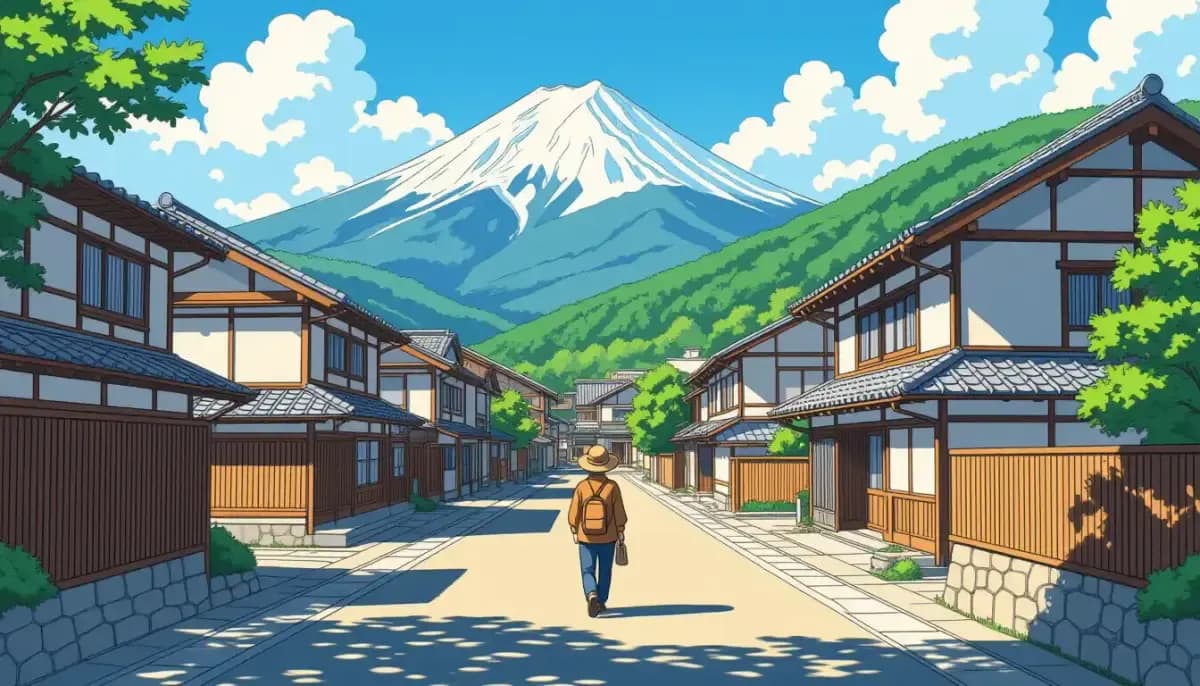
Thinking about moving to rural Japan? Discover the real pros and cons of small town living in Japan for foreigners — costs, community, language barriers, and tips for making inaka life work.
Read more →
Everything you need to know about living in Okinawa as a foreigner — neighborhoods, cost of living, visas, housing, jobs, and practical tips for expats moving to Japan's tropical paradise.
Read more →
Everything you need to know about living in Kobe as a foreigner: neighborhoods, cost of living, international schools, healthcare, work, and daily life in this expat-friendly Japanese city.
Read more →
Everything foreigners need to know about living in Sapporo: cost of living, best neighborhoods, housing, weather, jobs, healthcare, and expat community resources in Japan's northern capital.
Read more →
The complete guide to living in Yokohama as a foreigner. Covers neighborhoods, housing costs, transportation, international schools, healthcare, and expat community resources.
Read more →
Everything foreigners need to know about rural living in Japan (inaka) — housing costs, akiya homes, job options, community life, transport, and practical tips for moving to the Japanese countryside.
Read more →
Everything foreigners need to know about living in Nagoya, Japan — neighborhoods, housing costs, transportation, work, food, and support services for expats.
Read more →
Everything you need to know about living in Fukuoka as a foreigner: neighborhoods, cost of living, housing, jobs, schools, healthcare, and expat community tips.
Read more →
Everything foreigners need to know about living in Kyoto: neighborhoods, cost of living (¥150K-200K/month), housing, visas, jobs, and daily life tips from expats who've made it home.
Read more →
Your complete guide to living in Osaka as a foreigner. Covers best neighborhoods, cost of living, housing tips, healthcare, transportation, and daily life advice for expats.
Read more →
Everything foreigners need to know about living in Tokyo: best neighborhoods, finding an apartment, cost of living, transportation, work opportunities, and tips for thriving as an expat in Japan's capital city.
Read more →