
Living in Tokyo as a Foreigner Complete Guide

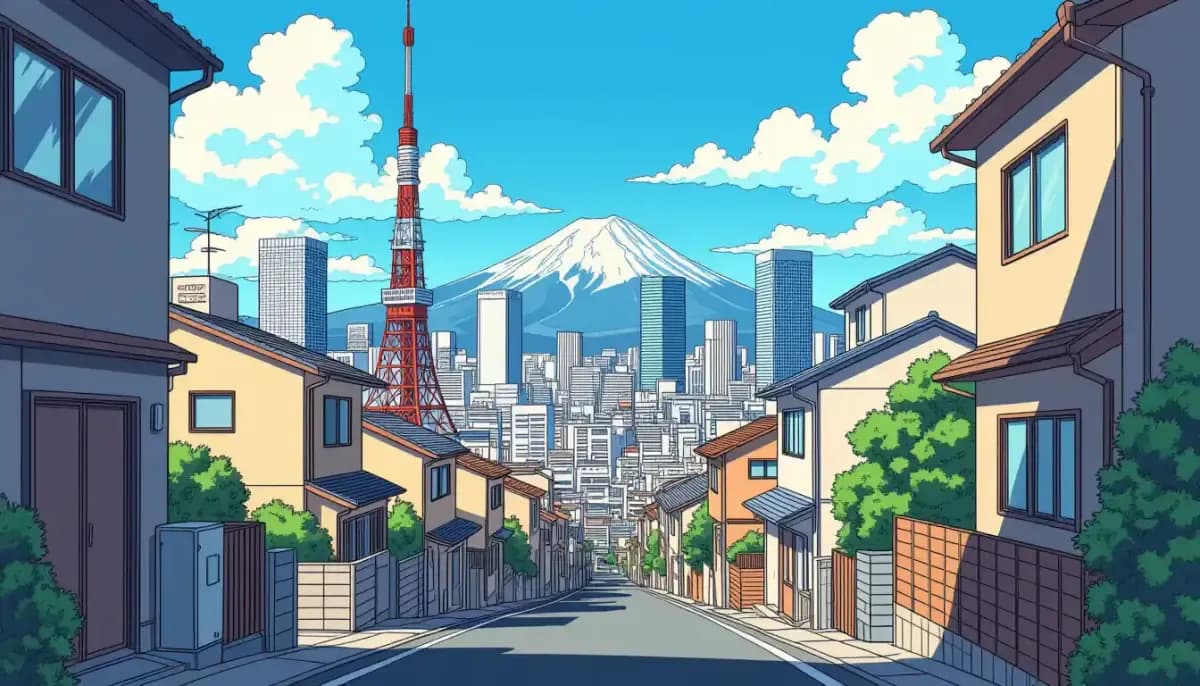
Everything foreigners need to know about living in Tokyo: best neighborhoods, finding an apartment, cost of living, transportation, work opportunities, and tips for thriving as an expat in Japan's capital city.
Living in Tokyo as a Foreigner: The Complete Guide
Tokyo is one of the world's most exciting cities — a place where ancient temples sit next to neon-lit skyscrapers, where ramen shops serve world-class bowls at midnight, and where the trains run on time (almost always). For foreigners, Tokyo offers incredible career opportunities, a safe and efficient urban environment, and access to one of the most fascinating cultures on Earth. But living here as an expat comes with its own unique challenges.
This complete guide covers everything you need to know about living in Tokyo as a foreigner: from finding an apartment and understanding the transit system to building a social life and navigating the day-to-day realities of expat life in Japan's capital.
Why Foreigners Choose Tokyo
Tokyo is the most popular destination for foreigners moving to Japan. With a population of over 13 million in the city proper and 37 million in the greater metro area, it is the largest city in the world — and it shows. There is always something happening, always a new neighborhood to explore, and always more to learn.
As of the end of 2024, Japan had 3.8 million registered foreign residents, with the largest concentration in Tokyo. Expats are drawn by:
- Career opportunities: Tokyo is home to international corporations, tech startups, and the largest concentration of Fortune 500 company offices in Asia
- World-class infrastructure: Tokyo's public transportation is consistently ranked among the best globally
- Safety: Japan has one of the lowest crime rates in the world, and Tokyo is considered very safe for daily life
- Cultural richness: From Kabuki theater to J-pop concerts to Michelin-starred restaurants, Tokyo has it all
- International community: A growing expat community means English-friendly services, international schools, and multicultural neighborhoods
That said, Tokyo is not without its difficulties. High cost of living, a notoriously challenging rental market for foreigners, language barriers, and intense work culture are real factors to consider before making the move.
!Tokyo skyline at dusk showing modern skyscrapers and Tokyo Tower, aerial view of the city

Best Neighborhoods for Foreigners in Tokyo
Tokyo is divided into 23 special wards (ku), each with its own character and vibe. Choosing where to live will significantly shape your Tokyo experience.
Minato-ku (港区)
Minato Ward is the top choice for expats at large corporations and embassies. It contains some of Tokyo's most prestigious addresses — Azabu, Hiroo, Roppongi, and Akasaka. The area has a high concentration of embassies, international schools, and English-speaking services. Expect premium prices: a standard 1LDK in Hiroo can easily run ¥200,000–¥350,000 per month.
Shibuya-ku (渋谷区)
Shibuya is energetic, trendy, and very international. The Daikanyama and Ebisu sub-neighborhoods are especially popular with younger expats who want hip cafes, boutique shopping, and a cosmopolitan atmosphere. Prices are high but slightly more accessible than Minato.
Shinjuku-ku (新宿区)
Shinjuku offers something for everyone — from the quiet, walkable residential streets of Yotsuya to the vibrant Kabukicho entertainment district. Shinjuku is also home to one of Tokyo's largest Korean and Chinese communities. Rents are more moderate in the quieter residential pockets.
Setagaya-ku (世田谷区)
If you are looking for a quieter family-friendly neighborhood with greenery and good schools, Setagaya is a top pick. It is one of the most densely populated wards but retains a neighborhood feel. Rent is more affordable than central Tokyo, typically 30–50% less than Minato-ku.
Edogawa-ku (江戸川区)
Located in eastern Tokyo, Edogawa is increasingly popular with expat families due to its affordability and access to good parks and schools. It has a sizable Indian and Southeast Asian expat community, making it one of the more multicultural areas of the city.
| Neighborhood | Character | Avg. 1LDK Rent | Best For |
|---|---|---|---|
| Minato-ku | International, upscale | ¥200,000–¥350,000 | Diplomats, executives |
| Shibuya-ku | Trendy, cosmopolitan | ¥160,000–¥250,000 | Young professionals |
| Shinjuku-ku | Diverse, vibrant | ¥120,000–¥200,000 | Singles, couples |
| Setagaya-ku | Quiet, family-friendly | ¥90,000–¥150,000 | Families |
| Edogawa-ku | Affordable, multicultural | ¥70,000–¥120,000 | Families, budget expats |
| Nakano-ku | Laid-back, local | ¥80,000–¥130,000 | Budget-conscious expats |
Finding an Apartment as a Foreigner in Tokyo
The Tokyo rental market is one of the most challenging aspects of moving to Japan. Studies suggest that 80–90% of real estate agencies are unwilling to rent to foreigners, mainly due to language barriers and a preference for Japanese tenants with guarantors.
Typical Costs
Initial move-in costs in Japan can be substantial — often 4–6 months' rent paid upfront. This includes:
- Shikikin (敷金): Security deposit, typically 1–2 months' rent
- Reikin (礼金): "Key money" gifted to the landlord, typically 1–2 months' rent (increasingly rare in newer buildings)
- Agency fee: Typically 1 month's rent
- First month's rent + utilities deposit
The average monthly rent for a studio in Tokyo is approximately ¥80,000–¥95,000, though prices vary wildly by neighborhood and building age. Budget ¥145,000–¥160,000 per month for total living expenses as a single person when you include food, utilities, transportation, and incidentals.
Tips for Finding Housing
- Use foreigner-friendly agencies: Services like Sakura House, Leopalace21, and Tokyo Lease Corporation cater specifically to foreigners and often have English-speaking staff
- Look for share houses: Share houses are an excellent entry point — they typically require less upfront money and no guarantor
- Consider guarantor services: Companies like JLPF (Japan Lease Guaranty) provide guarantor services if you do not have a Japanese co-signer
- Check foreigner-friendly real estate sites: PLAZA HOMES, Real Estate Japan, and E-Housing all have English-language platforms for foreign renters
For a deeper dive into Japanese housing, see our Complete Guide to Finding Housing in Japan.
!Residential street in Tokyo showing apartment buildings and local shops, typical expat neighborhood

Transportation in Tokyo
Tokyo's public transportation system is world-class. The city has an extensive network of subway lines, JR trains, private railways, buses, and taxis that connects virtually every neighborhood. Learning to navigate the system is one of the most empowering things you can do as a new resident.
Key Transportation Facts
- Monthly commuter pass: A typical monthly commuter pass between two central stations costs ¥8,000–¥15,000, depending on distance
- IC Cards: Get a Suica or Pasmo card to tap in and out of stations — they also work at convenience stores and vending machines
- Yamanote Line: The circular JR Yamanote Line connects major hubs including Shinjuku, Shibuya, Harajuku, Ueno, Akihabara, and Shinagawa — essential for city navigation
- Rush hour: Tokyo trains during morning (7–9am) and evening (6–8pm) rush hours are notoriously crowded; platform attendants (oshiya) may physically push passengers aboard during peak times
Driving in Tokyo is generally not recommended for foreigners. Roads are congested, parking is scarce, and monthly parking fees in central wards can reach ¥30,000–¥80,000. Most residents get by entirely on public transit and occasional taxis or ride-shares.
See our full Transportation in Japan Guide for everything from getting a Japanese driver's license to cycling rules.
Cost of Living in Tokyo
Tokyo has a reputation for being expensive, and while it is one of Asia's priciest cities, many expats find it more affordable than cities like New York or London once they adjust their habits.
| Expense | Monthly Estimate (Single Person) |
|---|---|
| Rent (1K/Studio, central area) | ¥80,000–¥120,000 |
| Food (mix of home cooking + restaurants) | ¥30,000–¥50,000 |
| Transportation (commuter pass) | ¥8,000–¥15,000 |
| Utilities (electricity, gas, water) | ¥8,000–¥15,000 |
| Internet + Mobile phone | ¥5,000–¥10,000 |
| Health insurance (national) | ¥3,000–¥10,000 |
| Miscellaneous (entertainment, clothing) | ¥20,000–¥40,000 |
| Total Estimate | ¥154,000–¥260,000 |
Food is one area where Tokyo genuinely delivers value. Convenience store meals, ramen shops, and kaiten-zushi (conveyor belt sushi) offer satisfying, high-quality meals for ¥500–¥1,000. Cooking at home using Japanese supermarkets is also very affordable.
For comprehensive cost breakdowns, visit Living in Nihon's Japan living guide and our Complete Guide to Cost of Living in Japan.
Working in Tokyo as a Foreigner
Tokyo is Japan's economic engine and the center for nearly all major industries — finance, technology, fashion, media, and more. Foreigners with specialized skills can find excellent opportunities, though navigating the job market requires some preparation.
Common Careers for Expats
- English teaching: The most accessible entry point for foreigners without Japanese. JET Programme, Eikaiwa chains (NOVA, AEON, ECC), and international schools all hire regularly
- IT and engineering: Tech companies like Rakuten, LINE, and numerous startups actively recruit international engineers, often with English-only work environments
- Finance: International banks and financial services firms in Marunouchi and Otemachi hire foreign professionals
- Translation and interpretation: High demand for business interpreters and document translators
- International business development: Many Japanese companies expanding globally seek bilingual or multilingual professionals
For more details on working in Japan, see the Complete Guide to Working in Japan as a Foreigner.
For job seekers considering the IT path, For Work in Japan offers resources on working in Japan's technology sector.
Registering and Setting Up Life in Tokyo
Once you arrive in Tokyo, several administrative steps must be completed within the first two weeks of your residency.
- Register at your local Ward Office (区役所): Within 14 days of moving in, register your address at the ward office to obtain your Residence Card stamp
- National Health Insurance: Enroll in Japan's national health insurance system (国民健康保険, Kokumin Kenko Hoken) if your employer does not cover you — this gives access to Japan's excellent healthcare at a fraction of international insurance costs
- Open a Japanese bank account: Japan Post Bank or Yucho Bank are the most accessible for newly arrived foreigners. Other banks may require 6 months of residency
- Get a SIM card or mobile plan: Major carriers (docomo, au, SoftBank) and MVNOs (IIJmio, Rakuten Mobile) offer various plans; MVNOs are significantly cheaper
For all things related to healthcare access, read our Complete Guide to Healthcare in Japan for Foreigners.
Social Life and Community in Tokyo
One of the most common concerns among expats is loneliness or difficulty making friends. Tokyo's social culture can feel closed off at first — many Japanese people are reserved with strangers — but the expat community is large and welcoming.
Ways to Build a Social Network
- Meetup.com: Tokyo has active English-speaking meetup groups for hiking, language exchange, tech, board games, and more
- International bars and cafes in Roppongi, Ebisu, and Shibuya: These spots serve as natural gathering points for expats
- Language exchanges (tandem partners): Apps like HelloTalk or in-person events at cafes help you meet Japanese people wanting to practice English while you learn Japanese
- Expat Facebook groups: Tokyo Expats, Americans in Tokyo, and similar groups have thousands of members sharing tips and organizing events
- Sports and fitness clubs: Team sports, running clubs, and group fitness classes are great social equalizers
For practical advice on making connections, see our Complete Guide to Making Friends and Social Life in Japan.
Resources like Ittenshoku provide career-focused networking for those building professional connections in Tokyo's tech and business world.
Practical Tips for Thriving in Tokyo
- Learn basic Japanese: Even basic phrases like greetings, ordering food, and asking for help go a long way in building goodwill with locals
- Get a bicycle: For neighborhoods without direct train access, a mamachari (city bike) makes daily errands much easier
- Explore beyond your ward: Tokyo is 23 wards plus many surrounding cities — day trips to Kamakura, Nikko, Hakone, or the Izu Peninsula offer incredible escapes
- Understand garbage sorting: Tokyo's garbage rules are strict and vary by ward — learn your ward's collection schedule and sorting rules early
- Embrace convenience stores: 7-Eleven, FamilyMart, and Lawson in Tokyo are genuinely convenient — ATMs, bill payments, hot food, printing, and more are all available 24/7
For more on the Japanese lifestyle, see our Complete Guide to Daily Life in Japan for Foreigners and The Complete Guide to Japanese Culture and Etiquette.
Comparing Tokyo to Other Japanese Cities
Tokyo is the default choice for many foreigners, but it is not the only option. If you value lower cost of living, a more relaxed pace, or a specific lifestyle, other Japanese cities may suit you better.
- Osaka: More affordable, warmer culture, great food scene — see our Living in Osaka Guide
- Fukuoka: Smaller, beach access, growing tech scene — see our Living in Fukuoka Guide
- Kyoto: Cultural immersion, quieter lifestyle — see our Living in Kyoto Guide
- Rural Japan: Dramatically lower cost, strong community, unique cultural experiences — see our Rural Living in Japan Guide
For a full comparison of Japanese cities for foreign residents, check our Japan City Comparison Guide.
Conclusion
Living in Tokyo as a foreigner is a deeply rewarding experience. The city rewards curiosity, patience, and an open mind. Yes, finding an apartment is hard. Yes, rush-hour trains are overwhelming. Yes, some days you will feel hopelessly lost. But Tokyo also offers safety, efficiency, incredible food, world-class infrastructure, and a quality of life that is genuinely hard to match anywhere on Earth.
With the right preparation — understanding the rental market, securing your visa, learning some Japanese, and connecting with the expat community — your Tokyo life can be everything you imagined and more.
For more essential Japan guides, explore our Complete Guide to Moving to Japan as a Foreigner and the Complete Guide to Japan Visa and Immigration.
Sources and further reading:

Originally from Vietnam, living in Japan for 16+ years. Graduated from Nagoya University, with 11 years of professional experience at Japanese and international companies. Sharing information about living in Japan for foreigners.
View Profile →Related Articles
Living in Sendai as a Foreigner Complete Guide
Everything foreigners need to know about living in Sendai, Japan: neighborhoods, housing costs, transportation, jobs, schools, and community resources in Tohoku's largest city.
Read more →
Moving from Tokyo to Rural Japan Experience Guide
Planning to move from Tokyo to rural Japan? Discover the real costs, challenges, government subsidies, best regions, and practical steps for foreigners making the inaka transition.
Read more →
Japan City Comparison Guide for Foreign Residents
Compare Tokyo, Osaka, Fukuoka, Nagoya, and Sapporo as cities to live in Japan as a foreigner. Cost of living, job markets, expat communities, and which city suits your lifestyle.
Read more →
Small Town Living in Japan Pros and Cons for Foreigners
Thinking about moving to rural Japan? Discover the real pros and cons of small town living in Japan for foreigners — costs, community, language barriers, and tips for making inaka life work.
Read more →
Living in Okinawa as a Foreigner Complete Guide
Everything you need to know about living in Okinawa as a foreigner — neighborhoods, cost of living, visas, housing, jobs, and practical tips for expats moving to Japan's tropical paradise.
Read more →
Living in Kobe as a Foreigner Complete Guide
Everything you need to know about living in Kobe as a foreigner: neighborhoods, cost of living, international schools, healthcare, work, and daily life in this expat-friendly Japanese city.
Read more →