
Living in Osaka as a Foreigner Complete Guide

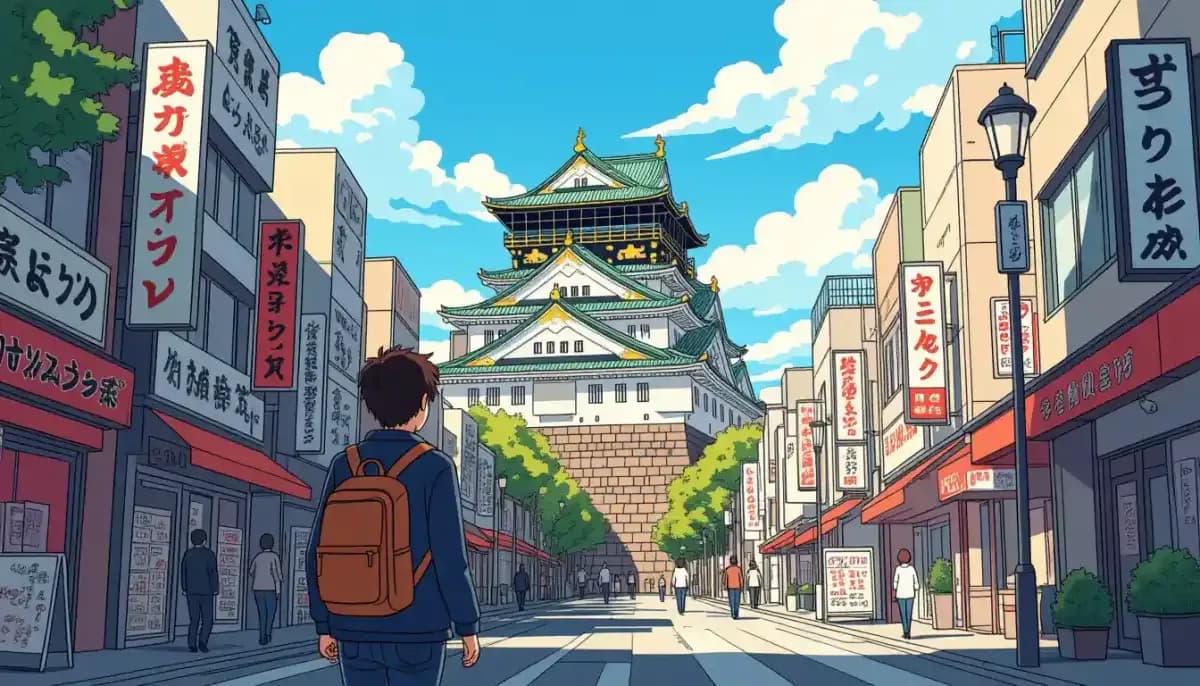
Your complete guide to living in Osaka as a foreigner. Covers best neighborhoods, cost of living, housing tips, healthcare, transportation, and daily life advice for expats.
Living in Osaka as a Foreigner: Complete Guide
Osaka is Japan's second-largest city and one of the most exciting places in the world to call home. Whether you are moving for work, love, or a new adventure, Osaka offers foreigners a unique blend of vibrant street food culture, affordable living, excellent transportation, and famously friendly locals. This complete guide covers everything you need to know about living in Osaka as a foreigner — from finding housing to building your social life.
Why Osaka Is a Great Choice for Foreigners
Osaka has a well-deserved reputation as one of the most foreigner-friendly cities in Japan. Known for its lively, open, and sometimes hilariously direct residents, the city offers a very different feel compared to Tokyo's corporate intensity or Kyoto's formal traditions. Osakans — locally called "Osaka-jin" — are known for their warmth, humor, and love of good food.
The city's nickname, Tenka no daidokoro (天下の台所), meaning "the Nation's Kitchen," reflects its deep food culture. The local philosophy "Kuidaore!" (eat until you drop) is not just a saying — it's a way of life. Takoyaki (octopus balls), kushikatsu (deep-fried skewers), and ramen are just a few of the staples you'll encounter at every turn.
Beyond culture, Osaka is also significantly cheaper than Tokyo, with lower rents, cheaper dining options, and generally lower costs for daily life. And with excellent train connections to Kyoto, Kobe, and Nara, you will never run out of things to explore on weekends.
As of 2023, foreigners make up approximately 6% of Osaka City's population — around 169,392 residents — up from 4% in 2013. This growing international community makes it easier than ever to settle in.
For a broader overview of moving to Japan, check out our Complete Guide to Moving to Japan as a Foreigner.
Best Neighborhoods in Osaka for Foreigners
Choosing the right neighborhood in Osaka can make a huge difference in your daily life. Here is a breakdown of the most popular areas for expats:
| Neighborhood | Character | Average Rent (1BR) | Best For |
|---|---|---|---|
| Umeda / Kita | Business & shopping hub | ¥70,000–¥100,000 | Young professionals |
| Namba / Minami | Entertainment & nightlife | ¥60,000–¥90,000 | Singles, couples |
| Fukushima Ward | Trendy, international | ¥55,000–¥85,000 | Expat community |
| Tennoji | Up-and-coming, affordable | ¥50,000–¥80,000 | Budget-conscious |
| Bentencho | Residential, convenient | ¥50,000–¥75,000 | Commuters |
| Minoh City | Quiet, family-friendly | ¥70,000–¥120,000 | Families, nature lovers |
Kita (Umeda area): This is the main business and transportation hub of Osaka, centered around Osaka Station and Umeda. It has excellent transport connections, world-class shopping malls, and countless dining options. Rent is higher, but convenience is unmatched.
Minami (Namba/Shinsaibashi): The heart of Osaka's entertainment scene, Minami is perfect for those who love nightlife, restaurants, and street food. It can feel a bit noisy and touristy, but it's endlessly fun.
Fukushima Ward: This modern, trendy ward just west of Umeda has become increasingly popular with expats. It has an excellent mix of international restaurants, cafes, and bars, with easy access to the city center.
Bentencho: A largely residential area where the JR Loop Line and Osaka Metro Chuo Line intersect, Bentencho is very convenient for commuters and offers good supermarkets and quieter living at lower rents.
Minoh City: Located in the northern outskirts of Osaka Prefecture, Minoh is a top choice for expat families. It offers spacious housing, international schools, natural surroundings, and hiking trails, while remaining well-connected to central Osaka.
Ikuno Ward: Home to one of Japan's largest Korean communities (Tsuruhashi), Ikuno Ward has the highest percentage of foreign residents in Osaka at 21.8%. It's culturally diverse and rich with authentic Korean cuisine.
For tips on finding housing in Japan, visit our Complete Guide to Finding Housing in Japan.
Cost of Living in Osaka
One of Osaka's biggest attractions is its cost of living, which is noticeably lower than Tokyo's. Here is what to expect:
| Expense | Estimated Monthly Cost |
|---|---|
| Studio apartment (central) | ¥60,000–¥100,000 |
| 2LDK apartment | ¥90,000–¥150,000 |
| Groceries (single person) | ¥25,000–¥40,000 |
| Eating out (local restaurants) | ¥600–¥1,200 per meal |
| Monthly transit pass | ¥8,000–¥15,000 |
| National Health Insurance | ¥2,000–¥10,000 |
| Utilities (basic) | ¥10,000–¥20,000 |
Important note about renting: As in much of Japan, renting as a foreigner can be challenging. Many landlords are hesitant to rent to foreign nationals, especially those without a Japanese co-signer (guarantor). Additionally, be prepared for Key Money (礼金) — a non-refundable gift payment to the landlord that can equal one to two months' rent — plus a security deposit, agency fees, and advance rent.
Services like MAEDA REAL ESTATE offer English-language rental services including serviced apartments with short-term stays and English support. Using a real estate agent that specializes in foreigners can save you significant stress.
For more on managing money in Japan, see our guide to Banking and Finance in Japan for Foreigners.
Transportation in Osaka
Osaka has one of the best public transportation systems in Japan, making it very easy to get around the city and beyond without a car.
Osaka Metro (Subway): The city's subway network covers the entire city efficiently. The main lines you'll use are the Midosuji Line (red), Chuo Line (green), and Tanimachi Line (purple).
JR Lines: The JR Osaka Loop Line circles the city center, and JR lines also connect Osaka to Kyoto (15 minutes), Kobe (20 minutes), Nara (45 minutes), and Shin-Osaka Station for Shinkansen (bullet train) access to Tokyo (about 2.5 hours).
Hankyu, Hanshin, and Kintetsu Private Railways: These private railways provide additional connections across the Kansai region at competitive prices.
ICOCA Card: The most convenient way to pay for transportation in Osaka and across the entire Kansai region is the ICOCA prepaid IC card. You can use it on almost all trains, buses, and even at many convenience stores and vending machines.
Employers cover commuting costs: In Japan, it is standard practice for employers to reimburse your commuting expenses. This significantly reduces your monthly transport burden.
For a complete overview, visit our Complete Guide to Transportation in Japan.
Healthcare in Osaka for Foreigners
All foreigners residing in Japan for more than three months are required to enroll in either the National Health Insurance (NHI) or their employer's Employees' Health Insurance (EHI) program. Once enrolled, you will pay a portion of your medical bills (typically 30%), with the insurance covering the rest.
NHI premiums are income-based, generally ranging from around ¥2,000 to ¥10,000+ per month for lower-income residents. Your local ward office (区役所) handles NHI enrollment.
English-speaking medical facilities in Osaka:
- Osaka International Clinic — Specializes in providing English-speaking services for expats and travelers
- JCHO Osaka Hospital — Offers multilingual support
- Several university hospitals in Osaka also have international patient departments
Navigating Japanese healthcare can be complicated, but Osaka has enough English-speaking resources to make it manageable. Keep your health insurance card (保険証) with you at all times when visiting clinics.
For a deeper dive into healthcare in Japan, see our Complete Guide to Healthcare in Japan for Foreigners.
Working in Osaka
Osaka is Japan's second most important business hub after Tokyo. Industries including manufacturing, trade, retail, hospitality, technology, and education all have significant presences in the city. The Osaka-Kobe-Kyoto metropolitan area (known as Keihanshin) is home to major companies like Panasonic, Sharp, Daikin, and Osaka Gas.
English teaching remains one of the most accessible job categories for foreigners without Japanese language skills. The city has many ALT (Assistant Language Teacher) positions through programs like JET, as well as private eikaiwa (English conversation school) jobs.
Visa requirements: Most foreigners working in Japan will hold a work visa such as the Engineer/Specialist in Humanities/International Services visa, which is the most common for office workers, or the Instructor visa for teachers. For more information, see our Complete Guide to Japan Visa and Immigration and the comprehensive resources at For Work in Japan.
For a full breakdown of employment options, visit our Complete Guide to Working in Japan as a Foreigner.
Daily Life and Culture in Osaka
Living in Osaka offers some unique cultural experiences compared to other Japanese cities:
Food is everything: Osaka takes its food more seriously than perhaps anywhere else in Japan. The city has countless Michelin-starred restaurants alongside cheap and delicious street food. Dotonbori, Kuromon Ichiba Market, and Shinsekai are essential food destinations.
Friendly locals: Osakans are notably more outgoing and talkative than residents in many other Japanese cities. Expect strangers to strike up conversations, especially when food is involved. This makes daily interactions easier for foreigners.
Convenience stores (Konbini): Like the rest of Japan, Osaka's convenience stores (7-Eleven, FamilyMart, Lawson) are outstanding. They offer fresh hot meals, ATMs, bill payments, printing services, and much more — often with basic English labels.
Language barriers: While many younger residents speak some English, navigating daily life in Osaka without Japanese can be challenging in non-tourist areas. Downloading Google Translate and the DeepL app is essential. Consider also starting Japanese language study early — see our Complete Guide to Learning Japanese as a Foreigner.
Expat communities: Osaka has a vibrant expat community. Facebook groups, Meetup events, language exchange cafes, and international clubs make it easy to build a social life. The Osaka International House (OFIX) provides multilingual information and cultural exchange programs for foreign residents.
For more on building a social life in Japan, visit our guide on Making Friends and Social Life in Japan.
Practical Tips for Moving to Osaka
Here are some practical tips to help you get settled in Osaka:
!Practical Tips for Moving to Osaka - illustration for Living in Osaka as a Foreigner Complete Guide
- Register at your ward office (区役所): Within 14 days of arriving at your address, you must register as a resident (住民登録). This unlocks access to health insurance, the My Number card system, and other services.
- Get a My Number card: Japan's national ID system. Your ward office will issue you a My Number, and you can apply for the physical card there.
- Open a Japanese bank account: Many services and employers require a Japanese bank account. Japan Post Bank (ゆうちょ銀行) is often the easiest for newcomers.
- Set up a Japanese phone plan: A Japanese SIM card or phone plan is essential. Options include major carriers (Docomo, SoftBank, au) and cheaper MVNOs (IIJmio, Mineo, etc.).
- Learn basic Japanese phrases: Even a small effort to speak Japanese will be greatly appreciated by locals and make daily life much easier.
- Use Suumo or GaijinPot Housing to search for foreigner-friendly apartments.
For comprehensive information on navigating daily life in Japan, refer to Living in Nihon and our Complete Guide to Daily Life in Japan for Foreigners.
For additional resources on getting started as a new resident, the Ittenshoku relocation guide offers useful advice on settling into a new city in Japan.
For detailed expat-written insights about life in Osaka, Hana's Travel Journal expat guide to Osaka is an excellent resource. Statistics on the foreign population in Osaka are available from Find Osaka Agents.
Final Thoughts
Osaka is a city that rewards those who embrace it fully. From the world-class food scene to the friendly locals, from affordable living compared to Tokyo to incredible access to other Kansai destinations, Osaka offers foreigners a genuinely exciting and welcoming place to build a life.
The foreign community in Osaka is growing every year — and with the city's preparations for Expo 2025 and increasing international investment, this trend is set to continue. Whether you are coming for a year or planning to settle permanently, Osaka will leave a lasting impression.
Welcome to Osaka. Now go find some takoyaki.

Originally from Vietnam, living in Japan for 16+ years. Graduated from Nagoya University, with 11 years of professional experience at Japanese and international companies. Sharing information about living in Japan for foreigners.
View Profile →Related Articles
Living in Sendai as a Foreigner Complete Guide
Everything foreigners need to know about living in Sendai, Japan: neighborhoods, housing costs, transportation, jobs, schools, and community resources in Tohoku's largest city.
Read more →
Moving from Tokyo to Rural Japan Experience Guide
Planning to move from Tokyo to rural Japan? Discover the real costs, challenges, government subsidies, best regions, and practical steps for foreigners making the inaka transition.
Read more →
Japan City Comparison Guide for Foreign Residents
Compare Tokyo, Osaka, Fukuoka, Nagoya, and Sapporo as cities to live in Japan as a foreigner. Cost of living, job markets, expat communities, and which city suits your lifestyle.
Read more →
Small Town Living in Japan Pros and Cons for Foreigners
Thinking about moving to rural Japan? Discover the real pros and cons of small town living in Japan for foreigners — costs, community, language barriers, and tips for making inaka life work.
Read more →
Living in Okinawa as a Foreigner Complete Guide
Everything you need to know about living in Okinawa as a foreigner — neighborhoods, cost of living, visas, housing, jobs, and practical tips for expats moving to Japan's tropical paradise.
Read more →
Living in Kobe as a Foreigner Complete Guide
Everything you need to know about living in Kobe as a foreigner: neighborhoods, cost of living, international schools, healthcare, work, and daily life in this expat-friendly Japanese city.
Read more →