
Japan City Comparison Guide for Foreign Residents

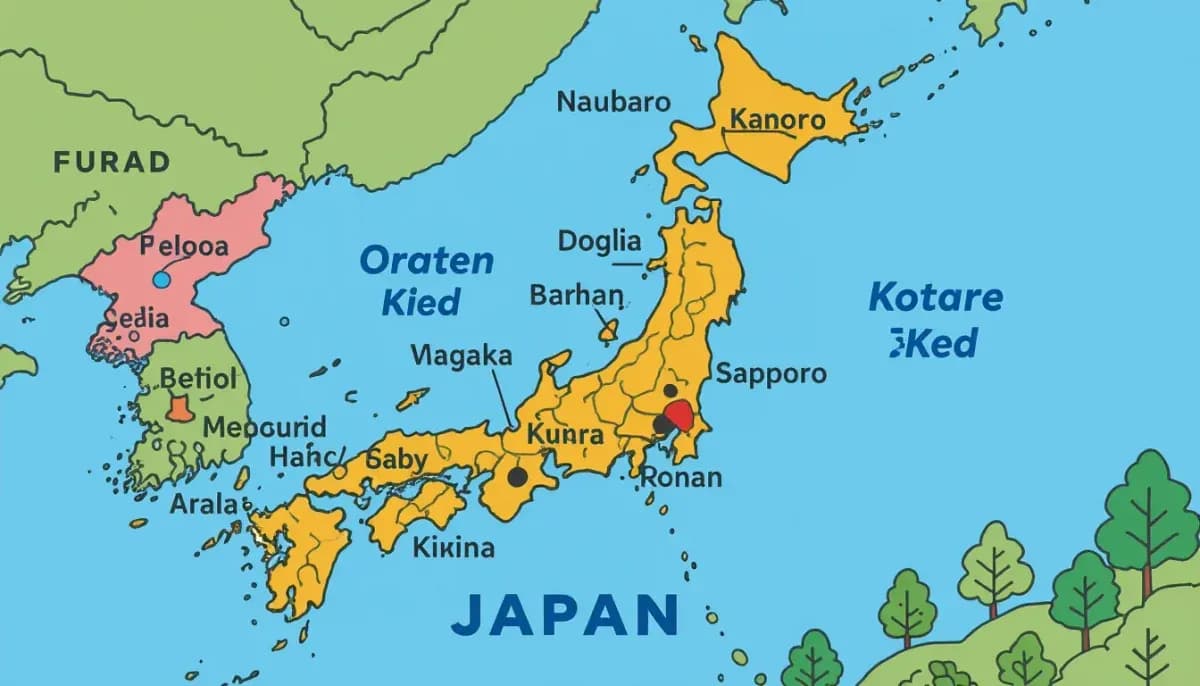
Compare Tokyo, Osaka, Fukuoka, Nagoya, and Sapporo as cities to live in Japan as a foreigner. Cost of living, job markets, expat communities, and which city suits your lifestyle.
Japan City Comparison Guide for Foreign Residents
Choosing where to live in Japan is one of the most consequential decisions you will make as a foreigner relocating to the country. Japan offers a remarkable range of urban experiences — from the relentless pace of Tokyo to the laid-back warmth of Fukuoka — and the "best" city for you depends entirely on your career goals, budget, lifestyle preferences, and language ability. As of October 2024, Japan's foreign workforce has surpassed 2.3 million workers, a 12.4% year-on-year increase, meaning more foreigners than ever are making this choice. This guide breaks down the major cities in detail so you can make an informed decision before you move.
If you are still in the planning stages, you should also read our Complete Guide to Moving to Japan as a Foreigner and understand the Cost of Living in Japan before committing to a particular city.
Tokyo: The Global Metropolis
Tokyo is the default choice for most foreigners arriving in Japan, and for good reason. With over 600,000 foreign residents — roughly 20% of all expats in the country — Tokyo offers the largest international community, the widest range of English-language services, and the deepest job market of any city in Japan.
Job Market: Tokyo dominates Japan's white-collar economy. IT, finance, international business, marketing, and language education all have significant English-speaking job markets here. Average full-time salaries in Tokyo run approximately ¥4.7 million to ¥5.1 million per year, roughly 10–20% higher than other major cities.
Cost of Living: This is where Tokyo becomes challenging. Average rent for a single apartment in the 23 wards runs ¥80,000–¥120,000 per month for a 1K unit, and a comfortable single lifestyle costs ¥180,000–¥240,000 per month including food, transport, and utilities. Tokyo has the highest minimum wage nationally, but expenses quickly absorb the premium salaries.
Expat Life: Tokyo's established foreign communities include Korean Town in Shin-Okubo, Indian neighborhoods in Edogawa, and large Western expat clusters in Minato and Shibuya. Multilingual administrative services are widely available.
Best for: Career-focused professionals, those needing a deep English-language job market, families with international school requirements.
For a comprehensive look at how to find work in the capital, see our Complete Guide to Working in Japan as a Foreigner.
Osaka: The Affordable Alternative to Tokyo
Osaka is the second-largest metropolitan economy in Japan and has emerged as the top alternative to Tokyo for foreigners who want urban amenities without the capital's price tag. Locals have a well-earned reputation for being warm, outgoing, and extraordinarily welcoming to foreigners.
Cost of Living: Osaka costs 20–30% less than Tokyo for rent and daily expenses. Average rent for a single apartment in Osaka City runs approximately ¥75,000 per month. A comfortable single lifestyle costs ¥140,000–¥200,000 per month. According to NUMBEO's 2025 data, grocery prices in Osaka are 17.7% lower than in Tokyo, and restaurant prices are 15.2% lower.
Job Market: Osaka's economy is driven by manufacturing, trade, logistics, and a growing IT sector. It is also a major commercial tourism hub, creating opportunities in hospitality. The job market is smaller than Tokyo's but still substantial, and competition for English-language roles is comparatively lower.
Culture & Community: Osaka's food culture — takoyaki, okonomiyaki, kushikatsu — is legendary and affordable, meaning your food budget goes significantly further. The city has a thriving nightlife, a vibrant arts scene, and a relaxed social atmosphere that many expats find more livable than Tokyo.
Best for: Budget-conscious professionals, those in manufacturing or trade, people who value social warmth and food culture over career network size.
Fukuoka: The Rising Star for Expats
Fukuoka has quietly become Japan's most celebrated city for expatriate quality of life. Located on the northern coast of Kyushu, it combines big-city amenities with small-city charm, all at prices significantly below the major metropolitan areas.
Cost of Living: Government surveys show that total living costs in Fukuoka run 25–30% lower than Tokyo. While Fukuoka's popularity has driven rents upward (average single apartment now approximately ¥66,000 in 2025, up sharply from previous years), it remains substantially more affordable than Tokyo or even Osaka. A comfortable single lifestyle can be maintained for ¥140,000–¥180,000 per month.
Startup Ecosystem: Fukuoka is designated as Japan's National Strategic Special Zone for startup activity. A dedicated Startup Visa program exists for foreign entrepreneurs, making it the easiest city in Japan to launch a business as a foreigner. The city has invested heavily in attracting international talent and foreign-led companies.
Geography: Fukuoka's compact size means commutes are short. Its proximity to South Korea and China makes it a natural gateway to Asia. The city hosts Japan's third-highest international student enrollment nationally and has a growing English-language support infrastructure.
Best for: Entrepreneurs, digital nomads, those seeking work-life balance, families prioritizing affordability and quality of life.
For regional job market data, see the detailed guide at For Work in Japan's Regional Job Market Guide.
Nagoya: The Manufacturing and Engineering Hub
Nagoya is Japan's third-largest city and the center of Japan's automotive and manufacturing industries. It is home to Toyota's global headquarters, along with Honda, Mitsubishi Aircraft, and hundreds of automotive suppliers. For engineers, technicians, and logistics professionals, Nagoya offers unmatched career opportunities within commuting distance of factories and corporate campuses that simply do not exist in Tokyo or Osaka.
Cost of Living: Nagoya sits in the middle ground — more expensive than Fukuoka or Sapporo, but noticeably cheaper than Tokyo. Apartment rents in central Nagoya run ¥60,000–¥80,000 for a 1K/1DK unit, roughly 20–30% less than equivalent Tokyo rents.
Expat Community: Nagoya has well-established Brazilian and Filipino communities, products of decades of manufacturing-sector migration. The city is less internationally diverse than Tokyo but has developed solid foreign resident support services.
Language: Nagoya is less English-friendly than Tokyo or Fukuoka. Japanese language ability is a significant advantage here, particularly for those working in manufacturing environments.
Best for: Engineers, automotive industry professionals, those on specified skills or technical visas, STEM graduates.
Sapporo: Nature, Space, and a Slower Pace
Sapporo, the capital of Hokkaido, is the choice for foreigners who prioritize natural beauty, space, and a fundamentally different lifestyle from the crowded Honshu cities. The city is surrounded by mountains, skiing, and some of Japan's best seafood, dairy, and agriculture.
Cost of Living: Sapporo offers some of Japan's lowest urban living costs. Average rent for a 1K apartment runs ¥35,000–¥50,000 per month, with total monthly budgets of ¥90,000–¥130,000 feasible for frugal single residents. However, heating costs spike significantly in winter, which can partially offset the low base rent.
Climate Warning: Winters in Sapporo are severe, with temperatures regularly dropping below -10°C. This is a dealbreaker for some and a selling point for winter sports enthusiasts.
Job Market: Sapporo's economy is driven by agriculture, tourism, and food processing. The international job market is small and primarily seasonal. The notable exception is Niseko, a world-famous ski resort town in Hokkaido that has developed a large Australian expat community and offers English-language hospitality work year-round.
Best for: Nature lovers, those seeking a slow-paced lifestyle, winter sports enthusiasts, hospitality workers.
For in-depth information about living in different Japanese regions, see Living in Nihon's Regional Living Guide for Foreigners.
City Comparison Table
| City | Monthly Rent (1K) | Total Monthly Budget | English Friendliness | Main Industries | Best For |
|---|---|---|---|---|---|
| Tokyo | ¥80,000–¥120,000 | ¥180,000–¥240,000 | ★★★★★ | IT, Finance, International Business | Career-focused professionals |
| Osaka | ¥65,000–¥80,000 | ¥140,000–¥200,000 | ★★★★☆ | Manufacturing, Trade, Logistics | Budget-conscious urban dwellers |
| Fukuoka | ¥55,000–¥70,000 | ¥140,000–¥180,000 | ★★★★☆ | Startups, Tourism, IT | Entrepreneurs, digital nomads |
| Nagoya | ¥60,000–¥80,000 | ¥150,000–¥200,000 | ★★★☆☆ | Automotive, Manufacturing | Engineers, STEM professionals |
| Sapporo | ¥35,000–¥50,000 | ¥90,000–¥130,000 | ★★★☆☆ | Tourism, Agriculture | Nature lovers, frugal lifestyle |
| Kyoto | ¥60,000–¥85,000 | ¥150,000–¥200,000 | ★★★★☆ | Tourism, Education, Tradition | Cultural immersion seekers |
Factors to Consider When Choosing Your City
1. Your Visa Type Your visa category significantly constrains your city options. Specified Skills visa holders are often tied to employer locations, which tend to cluster in manufacturing zones around Nagoya, Toyota City, and Osaka's industrial belt. Engineers and IT visa holders have the most flexibility. If you are on a startup visa, Fukuoka is the most supportive environment. See our Complete Guide to Japan Visa and Immigration for details.
2. Japanese Language Ability Tokyo and Fukuoka offer the most robust English-language support infrastructure. Nagoya and Sapporo require more functional Japanese for daily life and workplace integration. As a general rule, the further you move from Tokyo, the more Japanese language ability matters. Our Complete Guide to Learning Japanese can help you assess your current level.
3. Family Considerations Families with children should investigate international school availability and cost. Tokyo has the widest selection, including the American School in Japan, British School Tokyo, and dozens of others. Osaka, Fukuoka, and Nagoya also have international schools but fewer options. See our Complete Guide to Raising Children in Japan for school and family life information.
4. Career Stage and Goals Early-career professionals maximizing income and network should strongly consider Tokyo. Mid-career professionals prioritizing quality of life and work-life balance often find Fukuoka or Osaka more rewarding. Senior professionals with established credentials can live anywhere and often choose Kyoto or smaller cities for cultural richness.
5. Healthcare Access All major Japanese cities have excellent public healthcare systems. Tokyo has the most specialized international hospitals with English-speaking staff. Our Complete Guide to Healthcare in Japan covers what to expect in each region.
Which City Is Right for You?
There is no universally correct answer. Tokyo remains the dominant choice by sheer weight of job market depth, international community size, and English-language infrastructure — if you are uncertain, defaulting to Tokyo or its suburbs is a reasonable starting position. That said, the consistent pattern among long-term expats is that many who start in Tokyo eventually migrate to Osaka or Fukuoka as their careers stabilize and quality of life becomes the priority.
For additional city-specific advice, resources, and rankings, Expatica's Japan city guide and International Citizens' best places to live in Japan offer comprehensive coverage. For career-specific relocation guidance tailored to your industry, Ittenshoku provides detailed resources for IT professionals considering Japan.
The most important step is to visit your shortlisted cities before committing. Japan's cities differ more dramatically in atmosphere, pace, and culture than their proximity on a map would suggest. Spend at least a week in each serious candidate city before signing a lease or accepting a job offer.

Originally from Vietnam, living in Japan for 16+ years. Graduated from Nagoya University, with 11 years of professional experience at Japanese and international companies. Sharing information about living in Japan for foreigners.
View Profile →Related Articles

Living in Sendai as a Foreigner Complete Guide
Everything foreigners need to know about living in Sendai, Japan: neighborhoods, housing costs, transportation, jobs, schools, and community resources in Tohoku's largest city.
Read more →
Moving from Tokyo to Rural Japan Experience Guide
Planning to move from Tokyo to rural Japan? Discover the real costs, challenges, government subsidies, best regions, and practical steps for foreigners making the inaka transition.
Read more →
Small Town Living in Japan Pros and Cons for Foreigners
Thinking about moving to rural Japan? Discover the real pros and cons of small town living in Japan for foreigners — costs, community, language barriers, and tips for making inaka life work.
Read more →
Living in Okinawa as a Foreigner Complete Guide
Everything you need to know about living in Okinawa as a foreigner — neighborhoods, cost of living, visas, housing, jobs, and practical tips for expats moving to Japan's tropical paradise.
Read more →
Living in Kobe as a Foreigner Complete Guide
Everything you need to know about living in Kobe as a foreigner: neighborhoods, cost of living, international schools, healthcare, work, and daily life in this expat-friendly Japanese city.
Read more →
Living in Sapporo as a Foreigner Complete Guide
Everything foreigners need to know about living in Sapporo: cost of living, best neighborhoods, housing, weather, jobs, healthcare, and expat community resources in Japan's northern capital.
Read more →