
Small Town Living in Japan Pros and Cons for Foreigners

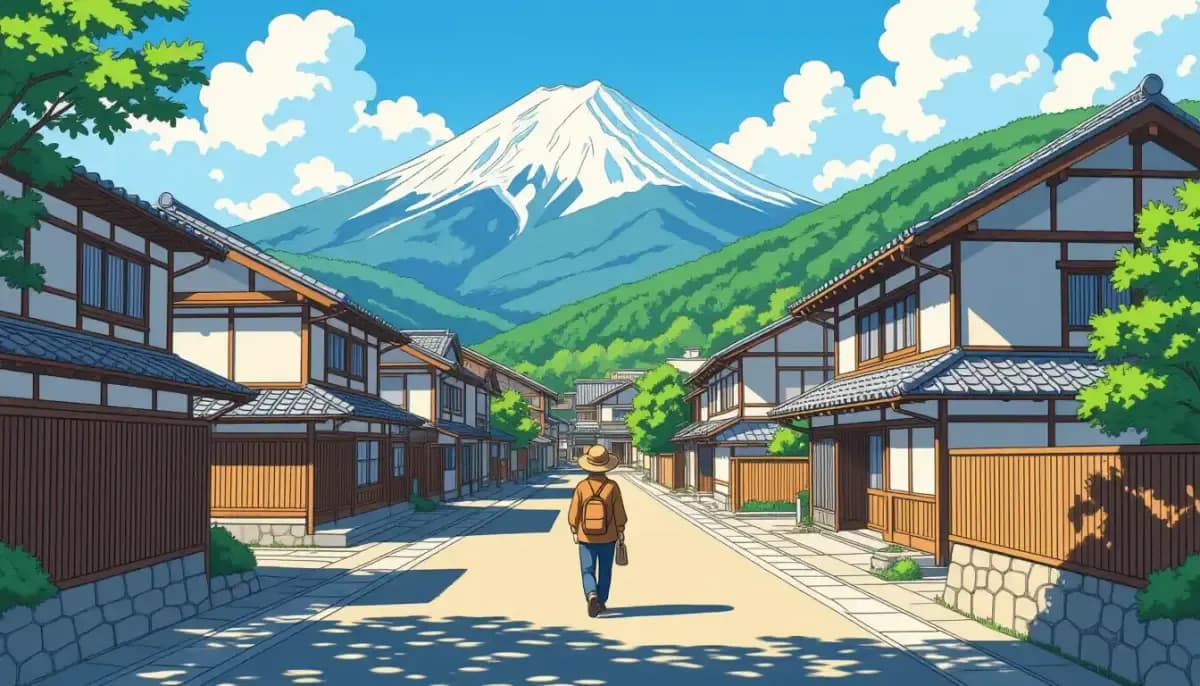
Thinking about moving to rural Japan? Discover the real pros and cons of small town living in Japan for foreigners — costs, community, language barriers, and tips for making inaka life work.
Small Town Living in Japan: Pros and Cons for Foreigners
Moving to Japan doesn't have to mean navigating Tokyo's crowded trains or paying sky-high rent in Osaka. Thousands of foreigners have discovered that small town Japan — known locally as inaka (田舎) — offers an entirely different quality of life. Lower costs, cleaner air, deep community ties, and a more authentic Japanese experience await those willing to venture beyond the major cities. But rural life also comes with real challenges: language barriers, limited services, and social isolation can make it tough for newcomers.
This guide breaks down everything you need to know about small town living in Japan as a foreigner — the genuine pros, the honest cons, and practical tips to make the most of your inaka experience.
What Counts as a "Small Town" in Japan?
Japan's population is highly concentrated. Tokyo alone holds about 14% of the nation's population. Outside the major urban corridors (Tokyo, Osaka, Nagoya, Fukuoka), life shifts dramatically. "Small town" typically refers to municipalities with fewer than 50,000 residents — often surrounded by rice paddies, mountains, or coastline.
Popular small towns and rural areas for foreigners include:
- Hakuba (Nagano) — mountain resort town, popular with skiers
- Kurashiki (Okayama) — historic canal district, manageable size
- Beppu (Oita) — hot spring city with a relaxed pace
- Matsumoto (Nagano) — scenic castle town with expat community
- Shimane — one of Japan's least populous prefectures, very traditional
- Noto Peninsula (Ishikawa) — rural coastal living, rebuilt after 2024 earthquake
The experience in each varies significantly, but the core trade-offs remain consistent across rural Japan.
The Pros of Small Town Living in Japan
1. Dramatically Lower Cost of Living
The cost difference between rural and urban Japan can be staggering. Rent alone can make or break your budget:
| Item | Tokyo (Shinjuku) | Small Town (e.g., Rural Nagano) |
|---|---|---|
| 1-bedroom apartment | ¥100,000–¥150,000/month | ¥30,000–¥60,000/month |
| Detached house | ¥200,000+/month | ¥40,000–¥80,000/month |
| Grocery basket (weekly) | ¥8,000–¥12,000 | ¥4,000–¥7,000 |
| Car ownership | Optional (expensive parking) | Essential but cheaper overall |
| Total monthly budget | ¥250,000+ | ¥100,000–¥150,000 |
Japan has over 8.5 million akiya (abandoned homes) — many located in rural areas. Some local governments offer these properties for free or under ¥1 million (about $7,000 USD) to attract new residents. While renovation costs can add ¥5–10 million for structural repairs and modernization, the entry point is dramatically lower than buying in a city.
For freelancers, remote workers, and retirees, rural Japan can be genuinely affordable in a way that Tokyo simply isn't.
2. A Slower, More Balanced Lifestyle
Small town Japan operates at a different rhythm. There's no 6 AM commute packed into a sardine-can train car. The pace encourages you to actually enjoy life: morning walks through rice fields, soaking in a local onsen (hot spring) after work, attending seasonal festivals that have been celebrated for centuries.
Many foreign residents report a significant improvement in mental health and work-life balance after leaving major cities. The concept of ma (間) — meaningful pause, space, and quietude — feels much more accessible in the countryside.
3. Authentic Japanese Culture and Community
Urban Japan can feel surprisingly international — and sometimes impersonal. Small towns offer something rarer: genuine immersion in traditional Japanese culture. You'll encounter:
- Local festivals (*matsuri*) that entire communities participate in
- Seasonal food traditions tied to the agricultural calendar
- Neighborhood associations (*jichikai*) that coordinate community life
- Crafts and arts that have been passed down for generations
Many foreigners find that locals in small towns are genuinely curious and welcoming. Rather than being one of thousands of tourists or expats, you may be the only foreigner your neighbors have ever met — which can create surprisingly warm and lasting relationships. Locals often feel honored that someone from overseas chose their community.
4. Nature and Outdoor Access
Japan's natural landscapes are extraordinary, and small towns put you right in the middle of them. Whether it's skiing in Hokkaido, surfing in Kochi, hiking volcanic peaks in Kyushu, or cycling along coastal Shikoku, rural Japan offers outdoor experiences that city dwellers spend weekends traveling to reach.
Fresh air, lower noise pollution, and easy access to nature also contribute to better physical health. Farm-fresh produce at local markets (chokusanjo) is typically higher quality and cheaper than supermarket options in cities.
5. Lower Competition for Housing and Opportunities
In major cities, apartments rent within hours of listing. In small towns, you have time to view properties, negotiate terms, and find something that genuinely suits you. Some municipalities actively court foreign residents with subsidies, language support, and relocation bonuses as part of rural revitalization (chihou sousei) policies.
The Cons of Small Town Living in Japan
1. Severe Language Barrier
This is the most significant hurdle for most foreigners. While Tokyo and Osaka have English signage, English-speaking staff, and multilingual government services, small towns typically have none of these. You will encounter:
- Municipal offices with no English-speaking staff
- Medical facilities where doctors don't speak English
- Landlords who communicate exclusively in Japanese
- Regional dialects (hougen) that differ substantially from standard Japanese
Japanese is classified as a "super-hard language" for English speakers, requiring approximately 2,200 class hours for professional proficiency. Without at least conversational Japanese (N4 or N3 JLPT level), daily life in rural Japan becomes genuinely difficult. Many experienced expats recommend getting a base-level of Japanese in a larger city before relocating to the countryside.
For help building your Japanese skills before the move, see our guide on learning Japanese as a foreigner.
2. Limited Transportation — Car Is Essential
Rural Japan's public transport ranges from "infrequent" to "nonexistent." Buses may run a few times a day. Train stations may be 30-60 minutes away. Unlike Tokyo where a bicycle or train pass covers everything, rural life almost universally requires a car.
Getting a Japanese driver's license can be expensive and time-consuming for foreigners, involving written tests (in Japanese in most prefectures), driving tests, and fees totaling ¥200,000–¥400,000 at a driving school. Those with an International Driving Permit or licenses from certain countries (Australia, France, Germany, etc.) can convert more easily. Check transportation in Japan for full details on licensing.
3. Social Isolation and Limited Expat Community
In Tokyo, there are hundreds of thousands of expats. Finding community — whether through language exchange meetups, international churches, or foreigner-friendly bars — is straightforward. In small towns, you may be one of five foreigners in the entire municipality.
The Japanese concept of uchi-soto (inside-outside group) can make it hard to form deep friendships even with Japanese neighbors. Relationships build slowly, through shared activities, neighborhood events, and patient consistency. English-language mental health support is virtually nonexistent in rural areas.
For strategies on building connections in Japan, see making friends and social life in Japan.
4. Limited Access to International Goods and Services
Small town Japan typically has:
- Limited international cuisine options (though local Japanese food is excellent)
- No specialty grocery stores for international ingredients
- Fewer entertainment options (cinemas, live music venues, international events)
- Limited specialized healthcare — certain treatments require travel to a larger city
- Fewer English-language resources for bureaucratic processes (taxes, insurance, residency)
Online shopping via Amazon Japan and similar platforms helps bridge some gaps, but shipping to rural areas can take longer and cost more.
5. Potential Discrimination in Housing
While Japan overall has improved in welcoming foreign residents, rural landlords can be more conservative. Some explicitly refuse to rent to non-Japanese tenants. Navigating the rental market without a Japanese guarantor (hoshounin) or without a rental agency that supports foreigners adds additional complexity.
Programs like the Japan Housing Finance Agency's housing loan system and local government assistance schemes help, but knowledge of these requires research. See our guide to finding housing in Japan for full strategies.
Is Small Town Japan Right for You? A Practical Framework
Before relocating to rural Japan, honestly assess these factors:
Small town Japan is likely a good fit if you:
- Have conversational Japanese (N4 level or above)
- Work remotely or have a Japan-based rural job (JET Programme, local company)
- Value nature, quiet, and community over convenience
- Are comfortable driving and willing to get a Japanese license
- Have experience living in Japan (ideally 1+ years in a larger city first)
- Are genuinely curious about traditional Japanese culture
Small town Japan may be challenging if you:
- Are new to Japan with no Japanese language skills
- Rely on specialized healthcare, mental health support, or international community
- Need a vibrant social scene or cultural diversity
- Work in an office job based in a major city
- Have children who need international school or English education
Tips for Making Small Town Life Work as a Foreigner
Learn Japanese before you go. Even N4 level significantly improves your daily life, safety, and relationship-building capacity in a small town. Start with our language guide here.
Get connected to local community organizations. Join the neighborhood association (jichikai), attend local festivals, and introduce yourself to neighbors. These actions signal respect and open doors that remain closed to those who stay isolated.
Explore akiya programs. Many municipalities have akiya banks (空き家バンク) where you can browse available properties. Some offer renovation subsidies alongside properties. Check local government websites or platforms like All Akiyas.
Research the specific town before committing. Visit for a week or two before signing a lease. Talk to other foreigners already living in the area — communities like inakalifestyle.com and GaijinPot forums have expats sharing firsthand experiences.
Build a financial buffer. Rural life is cheaper monthly, but setup costs (car, renovation, appliances) can be significant. Have 6 months of living expenses saved before the move.
Additional Resources
For deeper research into rural Japan living and working as a foreigner, these resources are worth bookmarking:
- Living in Nihon — comprehensive guides on visas, housing, and daily life in Japan for foreigners
- For Work in Japan — career and work guides for foreigners navigating the Japanese job market
- Ittenshoku — resources on career transitions and working in Japan
- Inaka Lifestyle — firsthand accounts of rural Japan life from foreigners who've done it
- E-Housing Japan — city vs. countryside comparison for Japan property and living
Also explore our related guides:
Final Verdict: The Honest Truth About Inaka Life
Small town Japan is not for everyone — and that's okay. For the right person, it can be transformative: a slower, richer, more connected way of living that's increasingly rare in the modern world. The cost savings are real, the nature is spectacular, and the cultural depth you access in a small town is simply unavailable in Tokyo.
But it demands preparation. Language skills, driving ability, financial planning, and a genuine openness to Japanese community norms all make the difference between a fulfilling rural life and an isolating struggle. The most successful foreign residents of small-town Japan consistently share one trait: they came prepared, stayed curious, and integrated with patience.
If you're ready to put in that work, Japan's countryside might be exactly the life you've been looking for.

Originally from Vietnam, living in Japan for 16+ years. Graduated from Nagoya University, with 11 years of professional experience at Japanese and international companies. Sharing information about living in Japan for foreigners.
View Profile →Related Articles
Living in Sendai as a Foreigner Complete Guide
Everything foreigners need to know about living in Sendai, Japan: neighborhoods, housing costs, transportation, jobs, schools, and community resources in Tohoku's largest city.
Read more →
Moving from Tokyo to Rural Japan Experience Guide
Planning to move from Tokyo to rural Japan? Discover the real costs, challenges, government subsidies, best regions, and practical steps for foreigners making the inaka transition.
Read more →
Japan City Comparison Guide for Foreign Residents
Compare Tokyo, Osaka, Fukuoka, Nagoya, and Sapporo as cities to live in Japan as a foreigner. Cost of living, job markets, expat communities, and which city suits your lifestyle.
Read more →
Living in Okinawa as a Foreigner Complete Guide
Everything you need to know about living in Okinawa as a foreigner — neighborhoods, cost of living, visas, housing, jobs, and practical tips for expats moving to Japan's tropical paradise.
Read more →
Living in Kobe as a Foreigner Complete Guide
Everything you need to know about living in Kobe as a foreigner: neighborhoods, cost of living, international schools, healthcare, work, and daily life in this expat-friendly Japanese city.
Read more →
Living in Sapporo as a Foreigner Complete Guide
Everything foreigners need to know about living in Sapporo: cost of living, best neighborhoods, housing, weather, jobs, healthcare, and expat community resources in Japan's northern capital.
Read more →