
Living in Sendai as a Foreigner Complete Guide

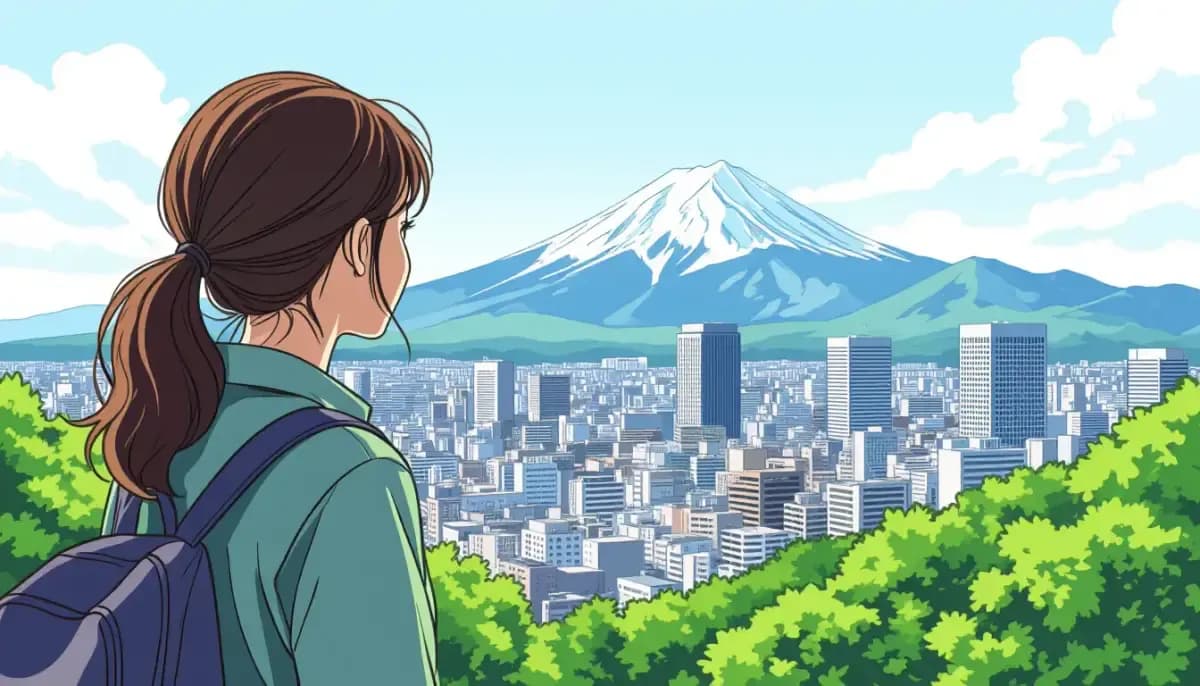
Everything foreigners need to know about living in Sendai, Japan: neighborhoods, housing costs, transportation, jobs, schools, and community resources in Tohoku's largest city.
Living in Sendai as a Foreigner: Complete Guide
Sendai is one of Japan's most underrated cities for foreigners. Nestled in the Tohoku region in northern Honshu, this vibrant city of roughly 1.08 million people offers a compelling blend of urban convenience, natural beauty, and a genuinely welcoming expat community — all at a fraction of Tokyo's cost. If you're considering relocating to Japan outside the usual urban giants, Sendai deserves a serious look.
This comprehensive guide covers everything you need to know about living in Sendai as a foreigner, from finding housing and navigating the local job market to understanding the community resources available and what day-to-day life actually looks like.
!Sendai city skyline with lush green trees known as the City of Trees in Tohoku Japan

Why Sendai? The Case for Tohoku's Biggest City
Sendai is the capital of Miyagi Prefecture and the largest city in the Tohoku region. Known affectionately as the "City of Trees" or "Capital of Greens" (Mori no Miyako), the city is famous for its extensive canopy of zelkova trees lining the central avenues — a striking visual contrast to the concrete jungles of Tokyo or Osaka.
But greenery is just the beginning. Sendai offers:
- Lower cost of living — rent and daily expenses are significantly cheaper than Tokyo or Osaka
- Manageable size — big enough for world-class amenities, small enough to navigate comfortably
- Strong local character — distinct food culture, festivals, and regional identity
- International infrastructure — its own international airport, multiple universities, and a growing foreign community
Approximately 14,000 foreign nationals call Sendai home, with Chinese, Nepalese, Korean, and Vietnamese residents making up the largest groups. The city has steadily built up support infrastructure for its international community since the early 2000s.
For a broader overview of living in different parts of Japan, check out the Regional Living Guide at Living in Nihon.
Neighborhoods: Where to Live in Sendai
Choosing the right neighborhood significantly shapes your Sendai experience. The city is divided into five wards (ku), each with its own character.
Aoba Ward (青葉区) — Best for Most Foreigners
Aoba Ward is the cultural and commercial heart of Sendai. It contains the main downtown shopping area (Ichibancho), Sendai Station, and most of the city's entertainment options. For foreigners, especially those new to the city, Aoba Ward offers:
- Proximity to major supermarkets, restaurants, and services
- The highest concentration of English-friendly businesses
- Easy access to both subway lines
- Popular residential streets like Jozenji-dori and Hirose-dori
Rent here is higher than other wards, but still very affordable compared to major Japanese cities.
Miyagino Ward (宮城野区) — Quieter Residential Option
Miyagino Ward sits east of the station and offers a more residential, lower-key atmosphere. It's popular with families and those who want lower rent without sacrificing commute time. This ward includes the Miyagi Sports Park and several suburban shopping areas.
Taihaku Ward (太白区) — Southern Suburban Life
Taihaku Ward is a sprawling southern district with a mix of residential areas, parks, and access to mountain hiking. Rent is generally lower here, making it attractive for budget-conscious residents.
Izumi Ward (泉区) and Wakabayashi Ward (若林区)
Izumi Ward to the north has a suburban feel with good schools, while Wakabayashi Ward to the east is quieter and primarily residential.
| Ward | Character | Avg 1BR Rent (city center) | Foreign-Friendly |
|---|---|---|---|
| Aoba | Central, vibrant | ¥60,000–75,000 | High |
| Miyagino | Eastern residential | ¥45,000–60,000 | Medium |
| Taihaku | Southern suburban | ¥40,000–55,000 | Medium |
| Izumi | Northern suburban | ¥42,000–58,000 | Medium |
| Wakabayashi | Eastern quiet | ¥38,000–50,000 | Low–Medium |
Housing in Sendai: What to Expect
One of Sendai's biggest draws for foreigners is its housing affordability. While finding an apartment in Japan as a foreigner can be challenging due to guarantor requirements, Sendai has several agencies and platforms that cater specifically to non-Japanese residents.
Average Rents
- 1-bedroom apartment (city center): ¥50,000–70,000/month
- 1-bedroom apartment (suburbs): ¥30,000–50,000/month
- 2-bedroom apartment: ¥70,000–100,000/month
These figures make Sendai roughly 30–40% cheaper than comparable Tokyo accommodations.
Renting as a Foreigner
Renting in Japan typically requires:
- A guarantor (hoshounin) — many landlords now accept institutional guarantors like LICC or Orico for a fee
- Shikikin (security deposit) — usually 1–2 months' rent
- Reikin (key money) — 0–2 months' rent, though this is increasingly uncommon in Sendai
- First month's rent upfront
Foreign-friendly real estate agencies such as Best Estate Japan and Wagaya Japan list properties with English support and more flexible guarantor arrangements. The finding housing in Japan guide covers the full rental process in detail.
Share Houses and Guest Houses
For newcomers, share houses are a low-barrier entry option. Companies like Borderless House operate in Sendai, offering furnished rooms with utilities included, making the transition to Japan smoother.

Cost of Living in Sendai
Sendai's cost of living is noticeably lower than Japan's biggest cities. Here's a practical breakdown:
| Expense | Monthly Cost (approx.) |
|---|---|
| 1BR rent (city center) | ¥50,000–70,000 |
| Groceries (single person) | ¥20,000–35,000 |
| Utilities (base) | ¥8,000–12,000 |
| Utilities (winter Dec–Mar) | +¥5,000–15,000 extra |
| Subway commute (monthly pass) | ¥8,000–12,000 |
| Gym membership | ¥5,000–8,000 |
| Dining out (avg meal) | ¥600–1,500 |
| Mobile phone (SIM plan) | ¥2,000–5,000 |
Note on winters: Sendai winters are genuinely cold. From December to March, heating costs spike significantly. Many apartments use kerosene heaters, adding fuel costs on top of electricity bills. Budget accordingly.
A comfortable single-person budget in Sendai runs approximately ¥150,000–200,000/month including rent, which is substantially lower than Tokyo's equivalent.
For detailed cost comparisons across Japan, see the complete cost of living guide.
Transportation in Sendai
Sendai has a reliable public transportation network, though it is not as extensive as Tokyo's. Understanding how to get around is essential for daily life.
The Subway
Sendai has two subway lines:
- Nanboku Line (North-South) — runs through the city center, connecting Izumi-Chuo in the north to Tomizawa in the south
- Tozai Line (East-West) — opened in 2015, connecting Arai in the east to Yagiyama Zoological Park in the west, passing through Sendai Station
Subway fares range from ¥210 to ¥360 depending on distance. Monthly commuter passes significantly reduce daily costs.
Buses
JR Bus Tohoku and city buses cover areas not served by the subway. A flat-rate city loop bus (Loople Sendai) serves major tourist and residential areas on weekends.
Trains
JR Lines connect Sendai to surrounding cities and Tohoku regions, including Shinkansen (bullet train) services to Tokyo (approx. 90 minutes) and other major destinations.
Sendai Airport
Sendai Airport is located about 35 minutes from downtown by train. It offers domestic flights throughout Japan and several international routes, making regional travel highly convenient.
Cycling
Many residents use bicycles for short-distance travel. Sendai's relatively flat city center and tree-lined streets make cycling pleasant in spring and autumn, though winter conditions make it impractical for a few months.
For more on getting around Japan, see the Japan transportation guide.
Working in Sendai as a Foreigner
Sendai's job market for foreigners is smaller than Tokyo or Osaka but offers genuine opportunities, particularly in specific sectors.
English Teaching
English teaching is the most accessible entry point for many foreign residents. The JET Program places approximately 60 English teachers in Sendai and surrounding Miyagi Prefecture annually. Private conversation schools (eikaiwa) like NOVA, GEOS successors, and local independent schools also hire regularly. For guidance on teaching opportunities, see the teaching English in Japan guide.
University and Research
Sendai is home to several prestigious universities, including Tohoku University (consistently ranked in Japan's top 5 for research). International researchers, postdoctoral fellows, and university staff make up a significant portion of the foreign community.
IT and Tech
Sendai's IT sector has grown steadily, and some multinational companies maintain regional offices in the city. The regional job market guide at For Work in Japan provides useful context on working outside Tokyo.
Manufacturing and Industry
The Tohoku region has a substantial manufacturing base. Foreign engineers with technical skills find opportunities with domestic and international companies in the area.
For comprehensive guidance on working legally in Japan, see the complete working in Japan guide.
International Schools and Education
Families moving to Sendai with children have several schooling options:
- Tohoku International School (TIS) — IB curriculum, English-medium instruction, K–12
- Horizon Sendai — international-style education
- Abroad International School Sendai — English instruction preschool and elementary
Japanese public and private schools are also an option, particularly for families committed to long-term stays who want their children to integrate and learn Japanese. For more on education in Japan, see the raising children in Japan guide.
Healthcare in Sendai
Japan's national health insurance system covers all registered residents, including foreign nationals. Enrolling is mandatory and done at your local ward office (kuyakusho). After enrollment, standard medical costs are covered at 70% (you pay 30%).
A doctor's visit typically costs ¥1,000–3,000 after insurance. Hospital stays and procedures are substantially subsidized.
Sendai has multiple hospitals with foreign-language services:
- Tohoku University Hospital — one of Japan's top research hospitals
- Sendai Open Hospital — offers some English-language support
- Sendai Multicultural Center — provides referrals to foreign-language-capable medical facilities
For a full overview of Japan's healthcare system, read the healthcare in Japan guide for foreigners.
Community and Social Life
One of Sendai's underappreciated strengths is its expat community. While smaller than Tokyo's, it is tight-knit and welcoming.
Sendai Multicultural Center (SenTIA)
The Sendai Tourism, Convention and International Association (SenTIA) runs the Sendai Multicultural Center, providing:
- Multilingual daily-life consultation
- Community events and cultural exchange programs
- Information in English, Chinese, Korean, and other languages
This center is genuinely useful and proactively supported by the city government. It's a first stop for many new arrivals.
Expat Events and Groups
Active expat groups organize regular events including language exchange meetups, sports outings, holiday celebrations, and cultural tours. Facebook groups like "Foreigners in Sendai" and platforms like Meetup.com host regular gatherings.
Festivals
Sendai's festival calendar is a highlight of living here:
- Aoba Festival (May) — celebrates the legendary daimyo Date Masamune with parades and traditional dance
- Tanabata Festival (August) — one of Japan's largest and most elaborate Tanabata celebrations, drawing over two million visitors annually
- Pageant of Starlight (December) — Jozenji-dori is lined with illuminated trees creating a magical winter atmosphere
For more on Japanese social life, see the making friends and social life in Japan guide.
Food and Daily Life
Sendai's food culture is a genuine draw. The city is famous for several regional specialties:
- Gyutan (牛タン) — grilled beef tongue, Sendai's most iconic dish served with barley rice and oxtail soup
- Zunda mochi — sweet rice cakes with edamame paste, a beloved local dessert
- Sasakamaboko — grilled fishcake shaped like a bamboo leaf
- Sendai miso — a distinctive local variety of the Japanese staple
Supermarkets like Maruzen, York Benimaru, and Ito Yokado carry extensive selections of local and imported products. International grocery stores and online services like Amazon Japan supplement local options for hard-to-find foreign ingredients.
For guidance on Japanese cuisine and cooking at home, see the Japanese food and cooking guide.
Pros and Cons of Living in Sendai
Pros
- Affordable cost of living — rent and daily expenses significantly lower than Tokyo
- Quality of life — less crowded, green spaces, clean city
- Accessible natural environment — mountains, beaches, hot springs within an hour or two
- Strong university presence — vibrant student population, intellectual atmosphere
- Good transportation links — shinkansen to Tokyo in ~90 minutes
- Genuine expat community — smaller but welcoming and active
- Excellent local food culture — distinctive regional cuisine
Cons
- Harsh winters — snow and cold from November through March; heating costs spike
- English proficiency — noticeably lower than Tokyo; Japanese language skills more essential
- Smaller job market — fewer multinational employers and specialized positions
- Less international variety — fewer imported goods, international restaurants, and diversity than Tokyo
Practical Tips for New Arrivals in Sendai
- Register at your ward office within 14 days of arrival to obtain your residence card (zairyu card) and enroll in health insurance and other services.
- Learn basic Japanese early — Sendai's lower English proficiency makes this more urgent than in Tokyo. Consider classes at Sendai International Language School or online platforms.
- Budget for winter heating — allocate an extra ¥10,000–15,000/month from December through March.
- Get a bicycle — for navigating the city center between subway stops, cycling is faster and more economical.
- Join SenTIA — the Sendai Multicultural Center is a genuinely useful resource with bilingual staff who can assist with administrative tasks, translation, and community connections.
- Explore Tohoku from Sendai — the city is an excellent base for day trips to Matsushima (one of Japan's three scenic views), Yamadera temple, Akiu hot springs, and Zao mountain.
For general guidance on navigating Japanese bureaucracy as a foreigner, see the Japan bureaucracy and paperwork guide. For additional insights into IT career opportunities in Japan, Ittenshoku has resources on career transitions that may be useful if you're in the tech sector.
Conclusion
Sendai offers a quality of life that is difficult to match in Japan's larger cities. Lower costs, greener surroundings, a manageable pace, strong local culture, and a surprisingly well-developed support infrastructure for foreigners make it a compelling choice for expats at all life stages — students, working professionals, researchers, and families alike.
The tradeoffs are real: winters are tough, English support is limited compared to Tokyo, and the job market is narrower. But for those willing to engage with Japan on its own terms — learn the language, embrace the seasons, and connect with a smaller but genuinely welcoming international community — Sendai delivers an exceptionally rewarding expat experience.
For an in-depth look at cost comparisons across Japan's cities, the expat guide at Expatolife is a useful additional resource, as is the destination guide from All Japan Relocation.

Originally from Vietnam, living in Japan for 16+ years. Graduated from Nagoya University, with 11 years of professional experience at Japanese and international companies. Sharing information about living in Japan for foreigners.
View Profile →Related Articles
Moving from Tokyo to Rural Japan Experience Guide
Planning to move from Tokyo to rural Japan? Discover the real costs, challenges, government subsidies, best regions, and practical steps for foreigners making the inaka transition.
Read more →
Japan City Comparison Guide for Foreign Residents
Compare Tokyo, Osaka, Fukuoka, Nagoya, and Sapporo as cities to live in Japan as a foreigner. Cost of living, job markets, expat communities, and which city suits your lifestyle.
Read more →
Small Town Living in Japan Pros and Cons for Foreigners
Thinking about moving to rural Japan? Discover the real pros and cons of small town living in Japan for foreigners — costs, community, language barriers, and tips for making inaka life work.
Read more →
Living in Okinawa as a Foreigner Complete Guide
Everything you need to know about living in Okinawa as a foreigner — neighborhoods, cost of living, visas, housing, jobs, and practical tips for expats moving to Japan's tropical paradise.
Read more →
Living in Kobe as a Foreigner Complete Guide
Everything you need to know about living in Kobe as a foreigner: neighborhoods, cost of living, international schools, healthcare, work, and daily life in this expat-friendly Japanese city.
Read more →
Living in Sapporo as a Foreigner Complete Guide
Everything foreigners need to know about living in Sapporo: cost of living, best neighborhoods, housing, weather, jobs, healthcare, and expat community resources in Japan's northern capital.
Read more →