
Rural Living in Japan Inaka Life Guide for Foreigners

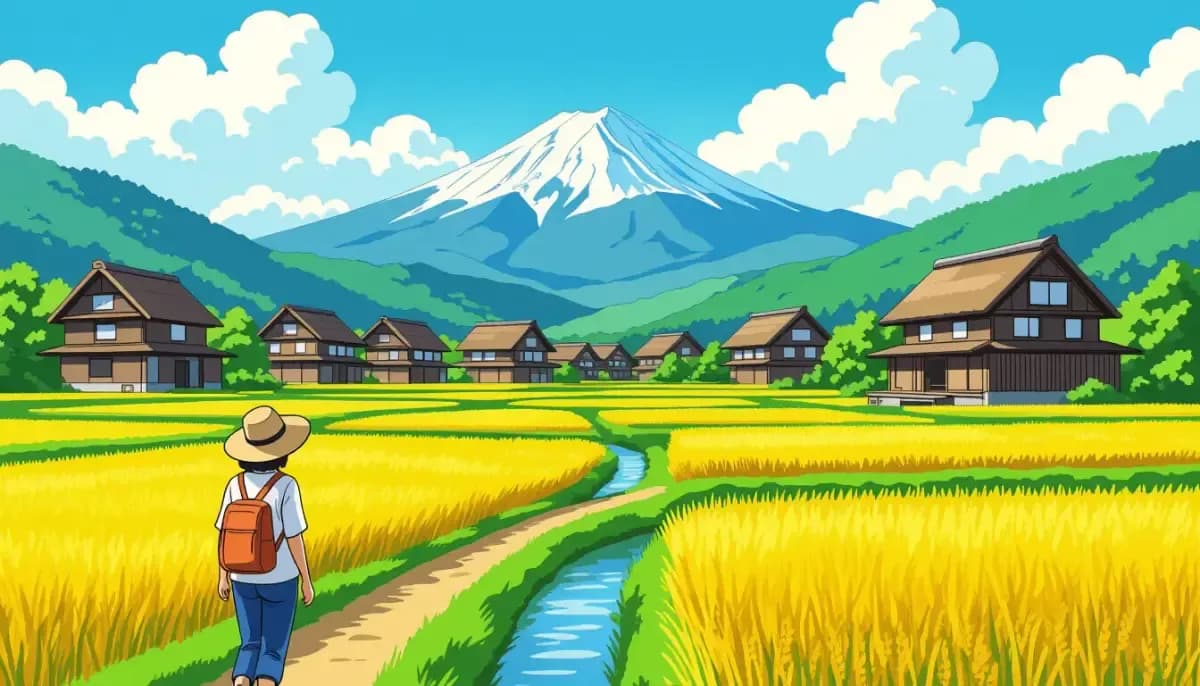
Everything foreigners need to know about rural living in Japan (inaka) — housing costs, akiya homes, job options, community life, transport, and practical tips for moving to the Japanese countryside.
Rural Living in Japan: The Complete Inaka Life Guide for Foreigners
Japan's countryside — known as inaka (田舎) — offers a radically different lifestyle from the neon-lit streets of Tokyo or Osaka. For foreigners dreaming of rice paddies, mountain views, tight-knit communities, and significantly lower living costs, rural Japan can be genuinely life-changing. But it also comes with real challenges: language barriers, limited job markets, car dependency, and a social microscope pointed firmly in your direction.
This guide covers everything you need to know about rural living in Japan as a foreigner — from finding housing and work to integrating into the community and navigating the practical realities of inaka life.

What Is Inaka? Understanding Japan's Countryside
The word inaka (田舎) literally means "countryside" or "rural area," but it carries deep cultural weight in Japan. Inaka isn't just a geographic description — it's a way of life. It evokes images of terraced rice fields, festivals with portable shrines, neighbors sharing homegrown vegetables, and a slower, more intentional rhythm of daily existence.
Practically speaking, inaka refers to any area outside Japan's major urban centers. This includes:
- Small towns and villages (人口 under 50,000)
- Agricultural regions in prefectures like Niigata, Akita, and Shimane
- Mountain communities in Nagano, Gifu, and Yamanashi
- Coastal fishing towns scattered throughout Hokkaido, Kyushu, and Shikoku
- Remote islands like those in Okinawa or the Seto Inland Sea
As of 2025, Japan faces significant rural depopulation. More than 28% of the population is over 65, and urban migration has left many rural communities with shrinking populations and thousands of vacant homes. This creates a unique opportunity for foreigners willing to embrace inaka life — municipalities are actively welcoming newcomers with subsidies, grants, and community support programs.
For broader context on living throughout Japan's diverse regions, check out this Living in Different Regions of Japan Guide.
Housing in Rural Japan: Akiya, Costs, and What to Expect
Housing is one of the biggest draws of rural Japan — and one of the most misunderstood. The promise of "free houses" sounds too good to be true. The reality is more nuanced.
Akiya: Japan's Vacant House Phenomenon
As of 2025, Japan has approximately 9 million akiya (空き家, vacant homes) — roughly 13.8% of all homes nationwide, double the number from 1993. High concentrations exist in Tokushima, Wakayama, Yamanashi, and many rural prefectures.
Akiya can be very affordable, but rarely truly "free" in practical terms:
- Purchase prices: ¥2–6 million (approximately $13,000–$40,000 USD)
- Renovation costs: ¥2–8 million (often unavoidable for older structures)
- Annual property taxes: ¥50,000–¥200,000
- Mandatory insurance: ¥100,000–¥300,000/year
Akiya Banks are government-operated online databases listing vacant properties. Top options for foreigners include regional akiya bank websites operated by prefectural and municipal governments. For a full breakdown of the buying process, Akiya Hub's foreigner guide is an excellent resource.
Important note: As of April 2025, Japan introduced new restrictions on foreigners acquiring farmland, so confirm current regulations before purchasing agricultural property.
Rural Rental Housing
Not ready to buy? Rental options are far cheaper than in Tokyo:
| Location | Studio/1K Monthly | 2LDK Monthly | Notes |
|---|---|---|---|
| Rural Akita | ¥20,000–¥35,000 | ¥40,000–¥60,000 | Very affordable, cold winters |
| Rural Nagano | ¥25,000–¥45,000 | ¥50,000–¥80,000 | Mountain climate, scenic |
| Rural Kyushu | ¥25,000–¥50,000 | ¥50,000–¥90,000 | Mild climate, good access |
| Rural Hokkaido | ¥20,000–¥40,000 | ¥40,000–¥70,000 | Very cold winters, car essential |
| Rural Okinawa | ¥35,000–¥65,000 | ¥60,000–¥100,000 | Higher due to island costs |
Overall, rural living runs 40–60% less than major cities like Tokyo or Osaka — but factor in hidden costs like car ownership (¥300,000–¥600,000/year) and utilities that run 20–40% higher than urban equivalents due to heating and cooling demands.
For comprehensive housing advice, see our guide on finding housing in Japan.
Working in Rural Japan: Job Options for Foreigners
Landing a job in inaka Japan is one of the biggest practical hurdles. The corporate job market of Tokyo doesn't exist here. But viable options do exist:
Top Employment Paths in Rural Japan
1. English Teaching (ALT / Eikaiwa) The most accessible path for native English speakers. ALT (Assistant Language Teacher) positions are widely available in rural schools through the JET Program and private dispatch companies. Monthly salaries: ¥200,000–¥300,000 ($1,400–$2,100 USD). Private eikaiwa schools exist even in smaller towns.
2. Remote Work The fastest-growing option. If you work in tech, marketing, writing, design, or customer service for an overseas employer, rural Japan's improving internet infrastructure makes remote work increasingly viable. Many rural municipalities now offer co-working spaces and high-speed fiber internet.
3. Regional Revitalization Program (地域おこし協力隊) One of the most compelling options: the Japanese government's Regional Revitalization Program offers guaranteed income of ¥2.7–4.7 million for 1–3 years to people who relocate to depopulated areas and contribute to community revitalization. Some municipalities specifically welcome foreigners.
4. Tourism and Hospitality Rural Japan's growing appeal to international tourists — seeking authentic cultural experiences, hiking, hot springs, and agritourism — creates demand for multilingual guides, guesthouse operators, and hospitality staff.
5. Agriculture and Organic Farming Some foreigners find work on farms or establish their own agricultural ventures. Visa constraints apply — confirm eligibility based on your residence status.
For detailed guidance on employment paths, explore our complete guide to working in Japan. For job hunting specifically in Japan's workforce, For Work in Japan offers useful resources on employment and career navigation.
!Foreigner living in Japanese countryside inaka farming rice fields community

Community Life: Fitting In as a Foreigner
Rural Japanese communities are tight-knit. When you move to inaka Japan, expect everyone to know your name within weeks. This can feel overwhelming — or wonderfully welcoming — depending on your personality.
The Social Reality of Inaka Life
You will be visible. As one of few (or perhaps the only) foreigners in your area, you'll be noticed everywhere you go. Shop clerks, neighbors, local officials — they'll all know who you are. This visibility fades over time as you become a familiar face, but it defines the early months.
Community participation matters. Rural Japanese communities revolve around collective activities:
- Neighborhood association (町内会, chonaikai) meetings and cleanup days
- Local festivals (matsuri) — participating shows respect and builds relationships
- Agricultural cooperation — helping neighbors during harvest season earns deep goodwill
- Disaster preparedness drills — mandatory in many rural areas
Gifts and reciprocity. Japanese culture places high value on gift-giving (omiyage). When neighbors share vegetables, bring a small return gift. This reciprocal exchange is the foundation of rural social bonds.
Language is non-negotiable. Unlike Tokyo, where some English is expected, rural Japan operates almost entirely in Japanese — often with thick regional dialects (方言, hougen). Functional Japanese (JLPT N4 or higher) is strongly recommended before moving to inaka. For structured language learning advice, see our guide to learning Japanese.
Transportation in Rural Japan: The Car Reality
Public transportation in rural Japan ranges from limited to nonexistent. Many inaka villages have one bus per hour — or per day. Train lines may be a 20-minute drive away.
A car is not optional in most rural areas — it's essential infrastructure. Budget accordingly:
- Car purchase: ¥500,000–¥1,500,000 for a reliable used kei car
- Annual maintenance + insurance + road tax: ¥200,000–¥400,000
- Parking: usually free (a major cost saving vs. cities)
Kei cars (軽自動車) — Japan's mini-class vehicles — are the rural standard. They're fuel-efficient, cheap to insure, and navigate narrow rural roads with ease.
For more on getting around Japan, our transportation guide covers all the details.
The Real Costs of Inaka Living: A Realistic Budget
Here's a realistic monthly budget comparison for a single foreigner in rural Japan vs. Tokyo:
| Expense Category | Tokyo (Typical) | Rural Inaka | Savings |
|---|---|---|---|
| Rent (1K/studio) | ¥80,000–¥120,000 | ¥20,000–¥45,000 | ¥50,000–¥90,000 |
| Groceries | ¥30,000–¥45,000 | ¥20,000–¥35,000 | ¥10,000–¥15,000 |
| Transportation | ¥15,000–¥30,000 | ¥25,000–¥50,000 (car) | -¥10,000 |
| Utilities | ¥12,000–¥20,000 | ¥15,000–¥30,000 | -¥5,000 |
| Entertainment | ¥20,000–¥50,000 | ¥5,000–¥15,000 | ¥20,000+ |
| Monthly Total | ¥160,000–¥265,000 | ¥85,000–¥175,000 | ¥50,000–¥100,000 |
The savings are real — but so are the trade-offs. Rural life means fewer restaurants, limited nightlife, longer delivery times (2–5 days instead of same-day), and reduced access to specialty goods and international products.
For a comprehensive breakdown of Japan living costs, see our cost of living in Japan guide.
Challenges of Rural Living for Foreigners
Be honest with yourself about these challenges before committing to inaka life:
Language Barriers Are Amplified
Rural Japan has far fewer English speakers than cities. Government offices, hospitals, mechanics — you'll handle everything in Japanese. Regional dialects can be incomprehensible even to urban Japanese speakers.
Limited Healthcare Access
Rural healthcare is functional but limited. Specialists, international clinics, and English-speaking doctors are rare. For chronic conditions or complex medical needs, rural Japan requires careful planning. Our healthcare guide for foreigners in Japan explains the insurance system thoroughly.
Social Isolation Risk
The quiet and community of inaka life is its greatest appeal — and its greatest challenge. If you're extroverted and need diverse social stimulation, rural Japan can feel isolating. Building a social circle takes active effort.
The "Gaijin Tax" of Visibility
Being a visible foreigner in a small town means your every action reflects on foreign people broadly. This pressure — while not malicious — is constant and can be exhausting.
Bureaucratic Complexity
Municipal offices in small towns often have less experience handling foreign residents. Paperwork for residency, national health insurance, and pension registration may require more persistence. Some towns have international exchange associations (国際交流協会) that provide support.
For navigating legal status and visa requirements, see our comprehensive Japan visa and immigration guide. For insights on finding work in rural areas, IT転職 (Ittenshoku) covers career transitions that can enable remote work lifestyles suited for inaka living.
Is Inaka Life Right for You? A Self-Assessment
Before making the leap, honestly evaluate these factors:
Strong candidate for inaka life if you:
- Enjoy solitude, nature, and a slower pace over urban energy
- Have 6–12 months of savings for the transition period
- Can work remotely or have marketable rural skills (teaching, hospitality, farming)
- Are comfortable with basic Japanese (or committed to learning quickly)
- Don't depend heavily on nightlife, diverse restaurants, or specialized shopping
- Are flexible, adaptable, and genuinely curious about Japanese rural culture
Reconsider inaka life if you:
- Depend entirely on public transportation
- Require regular access to specialized healthcare
- Need a diverse social circle and multicultural community
- Aren't prepared to engage seriously with the Japanese language
- Expect city-level convenience and entertainment options
For resources on building social connections in Japan, our guide to making friends and social life offers practical advice.
How to Make the Move: Practical Steps
- Visit before committing. Spend at least a week — ideally a month — in your target area before signing any leases or purchase agreements.
- Research your specific municipality. Local government websites list available subsidies, akiya programs, community support resources, and foreigner-specific services.
- Connect with local international exchange associations. Most prefectures have 国際交流協会 (International Exchange Associations) that can connect you with support networks and Japanese language resources.
- Inspect properties thoroughly. Many rural properties require significant structural repairs. Hire a qualified inspector before purchasing any akiya.
- Sort your visa situation first. Confirm your visa status allows rural employment or remote work. Our moving to Japan guide covers the initial steps.
- Budget for the full picture. Include renovation costs, car purchase, annual car costs, and higher utility bills in your financial planning — not just monthly rent.
For detailed research on rural property options, Akiya Hub and Inaka Lifestyle both offer excellent firsthand perspectives.
Conclusion: Inaka Life Can Be Extraordinary — With Eyes Open
Rural Japan offers something increasingly rare: genuine community, natural beauty, affordable living, and a window into Japan's cultural soul that most tourists never see. For the right foreigner — patient, language-committed, adventurous, and financially prepared — inaka life can be profoundly rewarding.
But it demands honesty. The fantasy of a ¥0 house and idyllic rice field sunsets is real in spirit but complex in execution. The language barrier, car dependency, limited job market, and social visibility are genuine challenges that require preparation and resilience.
Go in with clear eyes, a solid plan, and genuine respect for the community you're joining — and rural Japan will welcome you more warmly than you might expect.

Originally from Vietnam, living in Japan for 16+ years. Graduated from Nagoya University, with 11 years of professional experience at Japanese and international companies. Sharing information about living in Japan for foreigners.
View Profile →Related Articles
Living in Sendai as a Foreigner Complete Guide
Everything foreigners need to know about living in Sendai, Japan: neighborhoods, housing costs, transportation, jobs, schools, and community resources in Tohoku's largest city.
Read more →
Moving from Tokyo to Rural Japan Experience Guide
Planning to move from Tokyo to rural Japan? Discover the real costs, challenges, government subsidies, best regions, and practical steps for foreigners making the inaka transition.
Read more →
Japan City Comparison Guide for Foreign Residents
Compare Tokyo, Osaka, Fukuoka, Nagoya, and Sapporo as cities to live in Japan as a foreigner. Cost of living, job markets, expat communities, and which city suits your lifestyle.
Read more →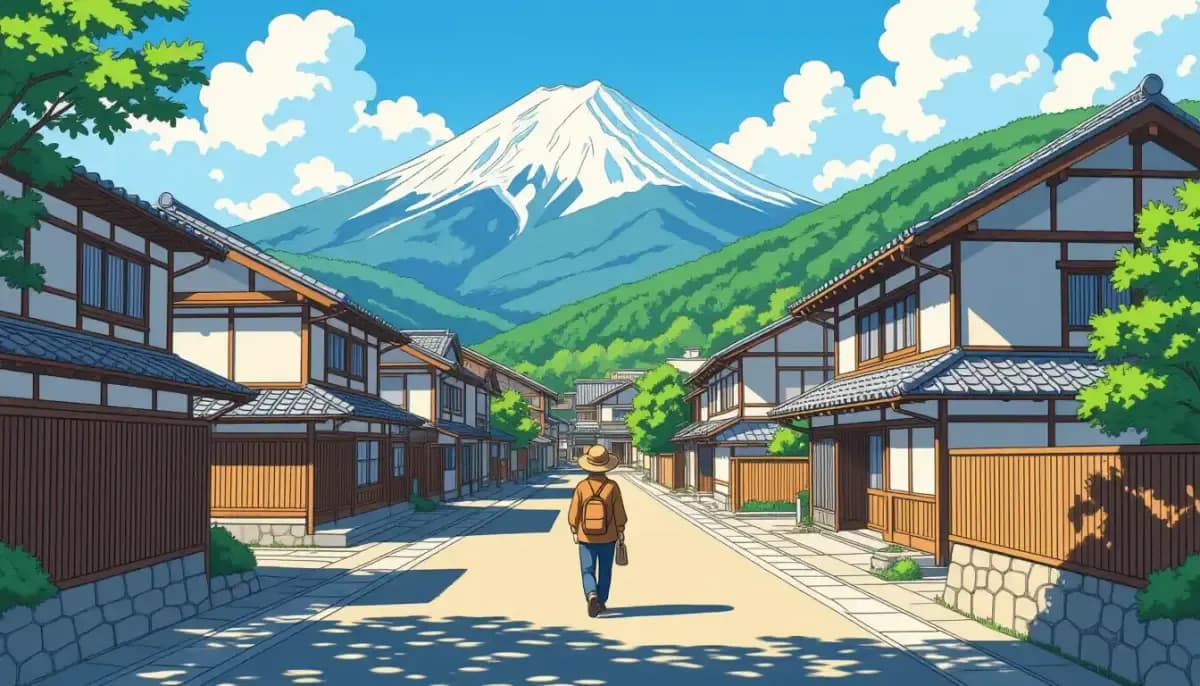
Small Town Living in Japan Pros and Cons for Foreigners
Thinking about moving to rural Japan? Discover the real pros and cons of small town living in Japan for foreigners — costs, community, language barriers, and tips for making inaka life work.
Read more →
Living in Okinawa as a Foreigner Complete Guide
Everything you need to know about living in Okinawa as a foreigner — neighborhoods, cost of living, visas, housing, jobs, and practical tips for expats moving to Japan's tropical paradise.
Read more →
Living in Kobe as a Foreigner Complete Guide
Everything you need to know about living in Kobe as a foreigner: neighborhoods, cost of living, international schools, healthcare, work, and daily life in this expat-friendly Japanese city.
Read more →