
Living in Kyoto as a Foreigner Complete Guide


Everything foreigners need to know about living in Kyoto: neighborhoods, cost of living (¥150K-200K/month), housing, visas, jobs, and daily life tips from expats who've made it home.
Living in Kyoto as a Foreigner: The Complete Guide
Kyoto — Japan's ancient imperial capital — is one of the most beautiful and culturally rich cities in the world. For foreigners, it offers a unique blend of traditional Japanese culture, modern conveniences, and a welcoming international community. Whether you're drawn by the centuries-old temples, the slower pace of life compared to Tokyo, or the world-class universities, living in Kyoto as a foreigner is an experience unlike any other.
This guide covers everything you need to know about making Kyoto your home — from finding housing and understanding the cost of living to navigating visas, healthcare, and daily life.
!Kyoto traditional streets with foreigners walking through historic neighborhoods

Why Foreigners Choose Kyoto: City Overview
Kyoto is Japan's 8th most populous city with approximately 1.5 million residents. As of July 2025, the city is home to 64,457 foreign residents from 157 countries and regions — roughly 1 in every 20 people in Kyoto is a foreigner. This makes Kyoto the 4th largest city in Japan by foreign resident population, reflecting its status as a truly international destination.
The top nationalities living in Kyoto include:
| Nationality | Percentage of Foreign Residents |
|---|---|
| South Korea | 27.1% |
| China | 26.9% |
| Nepal | 7.3% |
| Vietnam | 7.1% |
| Other countries | 27.6% |
The city is home to prestigious institutions like Kyoto University and Ritsumeikan University, attracting students, researchers, and academics from around the world. Meanwhile, tech companies, traditional industries, and a growing startup scene create diverse employment opportunities for foreign professionals.
Unlike Tokyo's overwhelming scale, Kyoto is compact and walkable — a quality of life advantage that many expats deeply appreciate. For comprehensive regional comparison across Japan, check out Living in Different Regions of Japan Guide from Living in Nihon.
Neighborhoods: Where Foreigners Live in Kyoto
Choosing the right neighborhood is crucial to enjoying life in Kyoto. Each area has its own character, price point, and lifestyle.
Central/Upscale Areas
Nakagyo-ku (中京区) — The heart of Kyoto, close to Nishiki Market and major shopping streets. Convenient but pricier. Popular with young professionals.
Shimogyo-ku (下京区) — Near Kyoto Station, excellent transport connections. Offers a good mix of residential and commercial areas. Popular with expats who commute to Osaka.
Higashiyama-ku (東山区) — The most traditional neighborhood, surrounded by temples, shrines, and cobblestone streets. Highly desirable but limited rental availability.
Affordable Alternatives
Fushimi-ku (伏見区) — Known for its famous Fushimi Inari shrine. More residential and affordable, with rents around ¥50,000-65,000 for a studio.
Yamashina-ku (山科区) — A quiet, suburban area with good train connections to central Kyoto and Osaka. Very affordable and popular with families.
Kita-ku (北区) — Northern Kyoto near Kinkakuji (Golden Pavilion). Quieter, greener, and more affordable than central districts.
For most expats, Shimogyo-ku or Nakagyo-ku offer the best combination of convenience, English-friendly services, and access to the expat community.
Cost of Living in Kyoto
Kyoto is approximately 15-20% cheaper than Tokyo while offering comparable quality of life. Here's what to budget:
| Expense | Monthly Cost (JPY) | Monthly Cost (USD approx.) |
|---|---|---|
| Studio apartment (central) | ¥65,000–85,000 | $430–$560 |
| Studio apartment (suburbs) | ¥50,000–60,000 | $330–$400 |
| 2LDK apartment (family) | ¥120,000–150,000 | $800–$1,000 |
| Groceries (single person) | ¥25,000–35,000 | $165–$230 |
| Utilities (gas, electricity, water) | ¥8,000–12,000 | $53–$80 |
| Internet | ¥3,000–5,000 | $20–$33 |
| Local transportation | ¥5,000–10,000 | $33–$66 |
| Eating out (budget-friendly) | ¥15,000–25,000 | $100–$165 |
Total monthly budget for a single professional: ¥150,000–200,000 ($1,000–$1,330)
Keep in mind that Kyoto's tourist-heavy economy means some areas — particularly around Gion and Higashiyama — can be expensive for dining and entertainment. Shopping at local supermarkets like Frescay, Aeon, or Fresco and cooking at home significantly reduces food costs.
For a broader perspective on Japan's cost of living, see our Complete Guide to Cost of Living in Japan.
!A cozy Kyoto apartment interior with modern amenities and traditional Japanese elements

Housing in Kyoto: Finding and Renting an Apartment
Finding a rental in Kyoto as a foreigner has become easier in recent years, but challenges remain. Traditional landlords may hesitate to rent to foreigners due to language barriers or unfamiliarity, though the situation is improving rapidly.
Initial Move-In Costs
Be prepared for significant upfront costs:
- Shikikin (敷金) — Security deposit: 1-2 months' rent
- Reikin (礼金) — Key money (non-refundable gift to landlord): 0-2 months' rent (many foreigner-friendly apartments now waive this)
- Agency fee — Usually 1 month's rent
- First month's rent — Paid in advance
- Guarantor fee — If using a guarantee company (required for most foreigners): 0.5-1 month's rent
Total move-in costs: approximately 4-6 months' rent
Foreigner-Friendly Housing Options
Share houses are an excellent starting point. They typically require no key money, include utilities, and come furnished. They're also a great way to meet other expats. Services like Sakura House and Oak House operate in Kyoto.
Monthly mansions (short-term furnished apartments) offer flexibility for newcomers who haven't yet found permanent housing.
Foreign-friendly real estate agencies include Leopalace21, UR Housing (government housing with no key money or guarantor requirements), and agencies catering to international residents in the Kansai region.
For comprehensive guidance on the rental process, see our Complete Guide to Finding Housing in Japan.
Working in Kyoto: Employment Opportunities
Kyoto has 27,294 foreign workers as of October 2024, with approximately 1 in 3 holding specialized professional positions. The city's economy is more diverse than its temple-heavy reputation suggests.
Top Industries Employing Foreigners in Kyoto
| Industry | Share of Foreign Employment |
|---|---|
| Manufacturing | 21.73% |
| Accommodation & Food Service | 21.32% |
| Wholesale & Retail Trade | 13.93% |
| Education & Learning Support | 12.76% |
| Healthcare & Social Services | 8.2% |
Major Employers and Opportunities
Kyoto is home to some of Japan's most innovative companies:
- Nintendo — Headquartered in Kyoto, occasionally hires internationally
- Kyocera, Murata Manufacturing — Global electronics manufacturers with English-friendly work environments
- Shimadzu Corporation — Scientific instruments manufacturer
- Kyoto University research institutions — Research positions and postdoctoral opportunities
The city also has a growing startup ecosystem, supported by Kyoto Prefecture's Startup Visa program, which allows foreign entrepreneurs to establish businesses with reduced initial requirements.
For teaching positions — a popular path for English speakers — Kyoto has numerous English conversation schools, international schools, and university positions. See our Complete Guide to Teaching English in Japan for details.
For broader working opportunities, For Work in Japan provides detailed regional job market guidance across Japan.
Visas and Legal Status for Living in Kyoto
To live in Kyoto long-term, you'll need an appropriate visa. Common options for foreigners include:
- Engineer/Specialist in Humanities/International Services — For technical and professional roles
- Instructor visa — For English teachers at public schools
- Highly Skilled Professional visa — Points-based system offering accelerated permanent residency (PR can be obtained in 1-3 years instead of the usual 10)
- Student visa — For those enrolled at Kyoto's universities
- Business Manager visa — For entrepreneurs
- Startup Visa — Kyoto Prefecture-specific program for foreign entrepreneurs
Once you arrive, register at your local ward office (ku-yakusho) within 14 days to obtain your Residence Card (Zairyu Card) and set up your My Number (Japan's social security number equivalent).
See our Complete Guide to Japan Visa and Immigration for step-by-step guidance.
For detailed visa and residency information specific to Kyoto, the Kyoto City International Foundation (KCIF) offers an "Easy Living in Kyoto" guide with multilingual support.
Daily Life: Transportation, Healthcare, and Community
Getting Around Kyoto
Kyoto is refreshingly compact and bicycle-friendly. Most foreigners find that a bicycle handles 80% of their daily transportation needs.
- Bicycle — Most practical option; new bikes cost ¥10,000–30,000. Dedicated bike lanes exist throughout the city.
- City bus — Extensive network covering all major districts. Day passes available.
- Subway — Two lines (Karasuma and Tozai) connecting key areas
- JR and Kintetsu trains — Useful for travel to Osaka (15-20 min), Nara (45 min), and beyond
For comprehensive transportation guidance, see our Complete Guide to Transportation in Japan.
Healthcare in Kyoto
All residents (including foreigners) must enroll in Japan's National Health Insurance (NHI) system. It covers 70% of most medical costs, leaving you responsible for 30%.
Monthly NHI premiums depend on your income but typically range from ¥2,000–15,000 for a single individual. If employed, you'll likely be enrolled in your company's health insurance plan instead.
Several hospitals and clinics in Kyoto offer English-speaking services, particularly near Kyoto University. The Kyoto City Hospital and Kyoto University Hospital are main facilities.
For full healthcare guidance, see our Complete Guide to Healthcare in Japan.
Expat Community and Social Life
Kyoto has a vibrant international community. Key resources include:
- Kyoto City International Foundation (KCIF) — Offers Japanese language classes, cultural programs, and foreigner support services
- International clubs and meetup groups — Regular events for expats to socialize, exchange information, and participate in volunteer activities
- University international offices — Kyoto University and Ritsumeikan both have active international student communities
- Online communities — Facebook groups like "Kyoto Expats" and "Foreigners in Kansai"
For tips on building your social network, see our Complete Guide to Making Friends and Social Life in Japan.
For practical relocation support and destination guides, All Japan Relocation provides detailed information for expats moving to Kyoto. And Ittenshoku's career resources can help with IT and professional job transitions in the region.
Banking, Taxes, and Practical Setup
Banking
Opening a bank account in Japan requires your Residence Card and My Number. Foreigner-friendly options include:
- Japan Post Bank (Yucho) — Easy to open, accepts foreigners, widely accessible ATMs
- SMBC, MUFG — Major city banks with some English services
- Wise (formerly TransferWise) — Excellent for international money transfers
See our Complete Guide to Banking and Finance in Japan for setup details.
Taxes
As a Kyoto resident, you'll pay:
- Income tax — National (progressive rate: 5-45%)
- Residence tax — Local tax paid to Kyoto City (~10% of previous year's income)
Our Complete Guide to Taxes in Japan explains everything you need to know.
Is Kyoto Right for You?
Kyoto is ideal for foreigners who:
- Value quality of life over career advancement speed
- Want to immerse deeply in Japanese culture
- Prefer a smaller, more manageable city than Tokyo
- Are involved in academia, research, traditional arts, or tourism industries
- Seek a base with easy access to Osaka and other Kansai cities
It may be less ideal if you need a large English-speaking professional network in cutting-edge tech, or if you require the extensive international infrastructure found in Tokyo.
That said, for those who choose it, Kyoto consistently ranks among the most livable cities in Japan for foreigners. Its blend of ancient beauty and modern convenience, combined with a growing international community and relatively affordable cost of living, makes it a compelling choice for long-term residence.
For more regional living guides across Japan, explore our Complete Guide to Moving to Japan and discover which city is the best fit for your lifestyle.

Originally from Vietnam, living in Japan for 16+ years. Graduated from Nagoya University, with 11 years of professional experience at Japanese and international companies. Sharing information about living in Japan for foreigners.
View Profile →Related Articles

Living in Sendai as a Foreigner Complete Guide
Everything foreigners need to know about living in Sendai, Japan: neighborhoods, housing costs, transportation, jobs, schools, and community resources in Tohoku's largest city.
Read more →
Moving from Tokyo to Rural Japan Experience Guide
Planning to move from Tokyo to rural Japan? Discover the real costs, challenges, government subsidies, best regions, and practical steps for foreigners making the inaka transition.
Read more →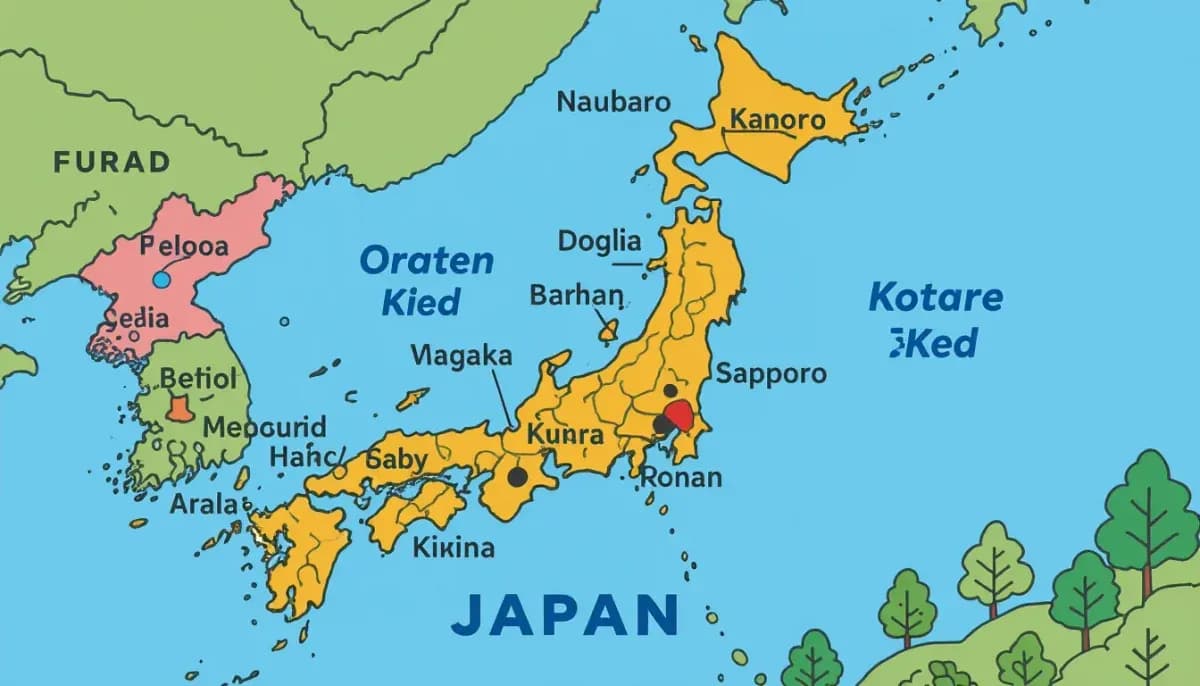
Japan City Comparison Guide for Foreign Residents
Compare Tokyo, Osaka, Fukuoka, Nagoya, and Sapporo as cities to live in Japan as a foreigner. Cost of living, job markets, expat communities, and which city suits your lifestyle.
Read more →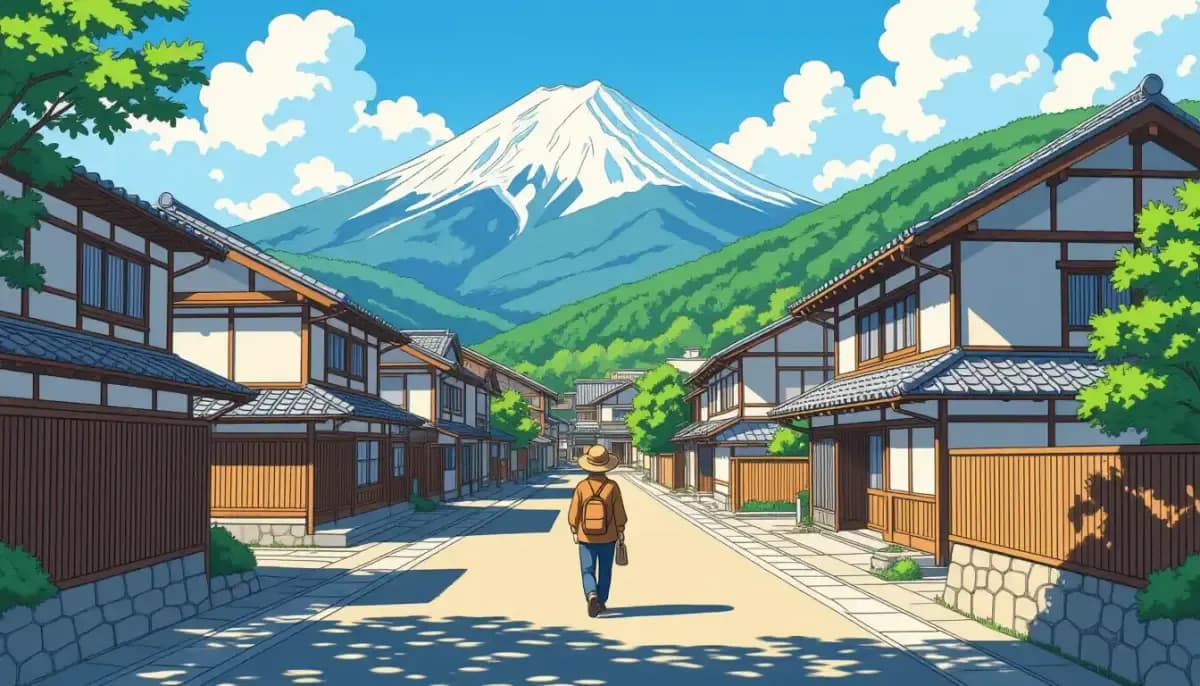
Small Town Living in Japan Pros and Cons for Foreigners
Thinking about moving to rural Japan? Discover the real pros and cons of small town living in Japan for foreigners — costs, community, language barriers, and tips for making inaka life work.
Read more →
Living in Okinawa as a Foreigner Complete Guide
Everything you need to know about living in Okinawa as a foreigner — neighborhoods, cost of living, visas, housing, jobs, and practical tips for expats moving to Japan's tropical paradise.
Read more →
Living in Kobe as a Foreigner Complete Guide
Everything you need to know about living in Kobe as a foreigner: neighborhoods, cost of living, international schools, healthcare, work, and daily life in this expat-friendly Japanese city.
Read more →