
Cost of Living in Tokyo Complete Breakdown

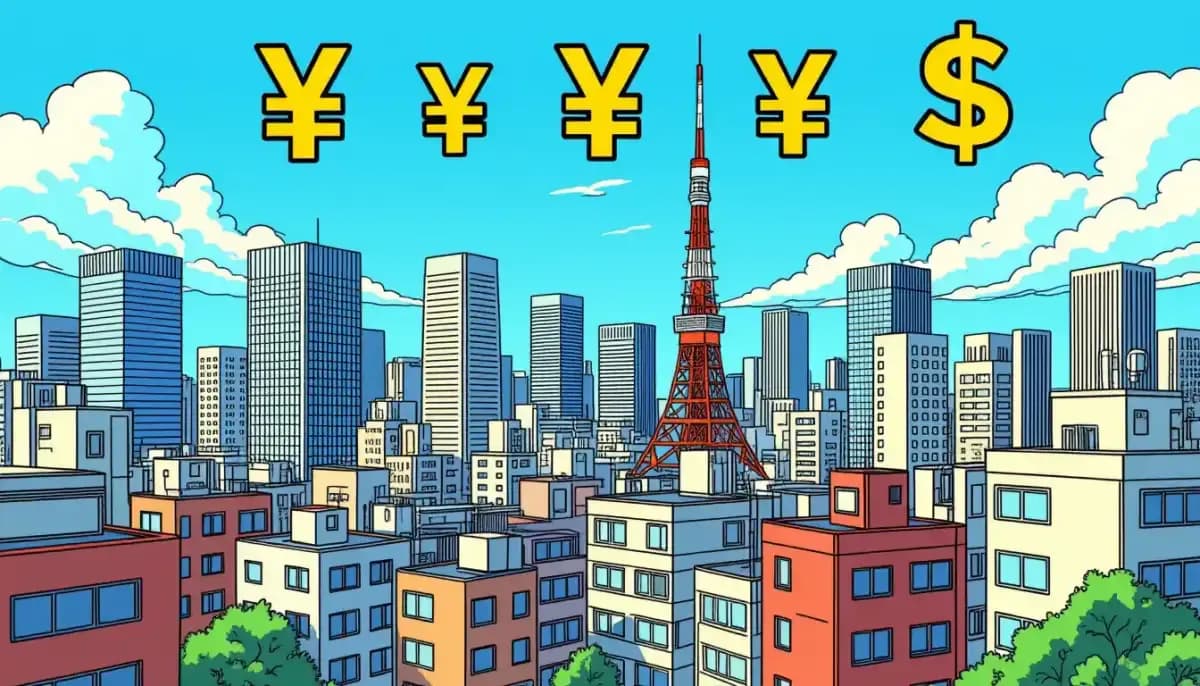
Complete breakdown of the cost of living in Tokyo for foreigners — rent, food, utilities, transport, healthcare, and sample monthly budgets from ¥180,000 to ¥400,000+.
Cost of Living in Tokyo: Complete Breakdown for Foreigners (2025–2026)
Tokyo is one of the world's most iconic cities — vibrant, safe, efficient, and endlessly fascinating. But before you pack your bags, you need to understand what it actually costs to live here. Whether you're moving for work, a working holiday, or simply chasing a dream, this complete breakdown covers every major expense category so you can budget realistically and avoid nasty surprises.
This guide covers everything from rent and utilities to groceries, transport, healthcare, and entertainment — all from a foreigner's perspective.
Housing: The Biggest Chunk of Your Tokyo Budget
Rent is the single largest expense for most people living in Tokyo. Prices vary dramatically depending on the ward (区, ku), apartment size, age of the building, and distance from train stations.
Typical Rent by Apartment Type
| Apartment Type | Outer Wards (e.g., Adachi, Nerima) | Central Wards (e.g., Shibuya, Minato) |
|---|---|---|
| Studio (1R / 1K) | ¥70,000–¥90,000 | ¥110,000–¥160,000 |
| 1DK / 1LDK | ¥90,000–¥130,000 | ¥140,000–¥220,000 |
| 2LDK | ¥130,000–¥180,000 | ¥190,000–¥300,000 |
| 3LDK (family) | ¥170,000–¥250,000 | ¥250,000–¥450,000 |
Popular neighborhoods by budget:
- Budget (¥70,000–¥90,000 studio): Koenji, Koenji, Nerima, Adachi, Edogawa
- Mid-range (¥90,000–¥130,000 studio): Nakameguro, Shimokitazawa, Koenji, Ikebukuro
- Premium (¥130,000+): Shibuya, Shinjuku, Roppongi, Minato, Daikanyama
Move-In Costs: Japan's Upfront Rental System
One major shock for newcomers is Japan's move-in cost system. You should budget 3–5 months of your monthly rent upfront when signing a lease. This typically includes:
- Deposit (敷金, *shikikin*): 1–2 months' rent, refundable
- Key money (礼金, *reikin*): 0–2 months' rent, non-refundable "gift" to the landlord
- Agency fee: 1 month's rent
- Guarantor fee: ¥10,000–¥30,000 (most foreigners use a guarantor agency)
- First month's rent + any pro-rated days
For a ¥100,000/month apartment, expect to pay ¥300,000–¥500,000 before you move in.
For a full guide to navigating Japan's rental market as a foreigner, see our Complete Guide to Finding Housing in Japan.
Utilities: What to Expect Each Month
Tokyo's utility costs are moderate compared to Western cities. However, they spike in summer (air conditioning) and winter (heating).
| Utility | Monthly Average | Notes |
|---|---|---|
| Electricity | ¥7,000–¥15,000 | Higher in summer/winter |
| Gas | ¥3,500–¥8,000 | Cooking + water heating |
| Water / Sewer | ¥2,500–¥6,000 | Billed every 2 months |
| Internet (fiber) | ¥4,000–¥8,000 | Usually 1-year contract |
| Total | ¥17,000–¥37,000 | Average ~¥22,000–¥25,000 |
Most apartments include gas (city gas or propane) and electricity separately. Fiber internet is widespread and fast — speeds of 1Gbps are common at ¥4,000–¥6,000/month.
Food and Groceries: Eating in Tokyo
Tokyo has an incredibly diverse food scene. You can eat extremely cheaply or splurge at world-class restaurants — the choice is yours.
Grocery Shopping
For a single person cooking at home regularly, expect to spend ¥30,000–¥45,000/month on groceries. Key tips:
- Gyomu Super (業務スーパー): Bulk discount supermarket, 20–30% cheaper than average
- AEON / Ito-Yokado: Large supermarkets with good variety and regular sales
- Local shotengai (商店街): Neighborhood shopping streets often have fresh produce at good prices
- Convenience stores (7-Eleven, FamilyMart, Lawson): Great for quick meals at ¥400–¥900
Eating Out
| Meal Type | Cost per Person |
|---|---|
| Convenience store meal | ¥400–¥900 |
| Ramen / gyudon set | ¥800–¥1,200 |
| Restaurant lunch set | ¥1,000–¥1,800 |
| Mid-range dinner | ¥2,500–¥4,500 |
| Casual bar drinks | ¥500–¥800 per drink |
| Izakaya evening out | ¥3,000–¥6,000 |
If you eat out frequently, your food budget can reach ¥60,000–¥80,000/month. Cooking at home most days keeps it around ¥35,000–¥45,000.
Transportation: Getting Around Tokyo
Tokyo has one of the world's best public transit systems. Most foreigners live car-free, and you'll rarely need one.
| Transport Option | Cost |
|---|---|
| Single IC card ride (train/metro) | ¥140–¥500+ |
| Average single ride | ¥215–¥250 |
| Monthly commuter pass | ¥8,000–¥15,000 |
| Airport express (Narita) | ¥3,070–¥4,070 |
| Taxi starting fare | ¥500 |
| Bus (flat fare) | ¥210–¥230 |
| Suica/Pasmo IC card | Required for most rides |
Pro tip: Your employer is legally required to reimburse your commuter pass costs in Japan. Check your employment contract — this can save you ¥8,000–¥15,000/month.
For more on getting around Japan efficiently, see our Complete Guide to Transportation in Japan.
Healthcare and Insurance
All residents in Japan — including foreigners on long-term visas — must enroll in the National Health Insurance (国民健康保険, *Kokumin Kenko Hoken*) or, if employed full-time, the Employees' Health Insurance (健康保険, *Kenko Hoken*).
- National Health Insurance (NHI): Based on your previous year's income; typically ¥15,000–¥25,000/month for a working adult
- Employees' Health Insurance: ~10% of gross salary (split with employer), usually more favorable
- Doctor visits with insurance: ¥1,000–¥3,000 for most consultations
- Prescriptions: Very affordable, often ¥500–¥2,000
Japan's healthcare system is excellent and affordable for everyday needs. Dental care is covered but cosmetic treatments are not. For a complete overview, see our Complete Guide to Healthcare in Japan for Foreigners.
Mobile Phone & Internet
| Plan Type | Monthly Cost |
|---|---|
| Major carriers (SoftBank, Docomo, au) | ¥7,000–¥9,000 |
| Budget MVNO (Rakuten, IIJmio, Mineo) | ¥2,000–¥4,000 |
| Rakuten Mobile (unlimited) | ¥3,278 |
| Pocket WiFi router | ¥3,000–¥5,000 |
Most foreigners switch to budget MVNO providers after getting settled. The savings of ¥4,000–¥6,000/month add up to ¥50,000+ annually.
Entertainment and Lifestyle
Tokyo offers world-class entertainment at a range of price points.
| Activity | Typical Cost |
|---|---|
| Movie ticket | ¥2,100 |
| Karaoke | ¥500–¥800/hour/person |
| Gym membership | ¥8,000–¥13,000/month |
| Tokyo Disneyland / DisneySea | ¥9,900–¥11,000/day |
| Museum entry | ¥500–¥2,000 |
| Annual sports club | ¥50,000–¥120,000 |
| Haircut (men's) | ¥1,000–¥3,000 (QBHouse ¥1,320) |
| Haircut (women's, salon) | ¥4,000–¥10,000 |
Many parks, temples, and local festivals are completely free. Tokyo is full of affordable activities if you know where to look.
Sample Monthly Budgets: Three Scenarios
Budget Lifestyle (¥180,000–¥200,000/month)
Living in an outer ward, cooking at home, using budget mobile, minimal entertainment.
| Category | Monthly Cost |
|---|---|
| Rent (studio, outer ward) | ¥80,000 |
| Utilities | ¥17,000 |
| Groceries (cooking at home) | ¥30,000 |
| Transportation | ¥10,000 |
| Mobile (MVNO) | ¥3,000 |
| Health insurance | ¥15,000 |
| Entertainment / misc | ¥25,000 |
| Total | ¥180,000 |
Comfortable Lifestyle (¥250,000–¥280,000/month)
Central/mid-range area, mix of cooking and eating out, standard mobile plan, active social life.
| Category | Monthly Cost |
|---|---|
| Rent (1K, mid-range area) | ¥110,000 |
| Utilities | ¥22,000 |
| Food (mix home + dining out) | ¥55,000 |
| Transportation | ¥13,000 |
| Mobile + internet | ¥10,000 |
| Health insurance | ¥20,000 |
| Entertainment / misc | ¥30,000 |
| Total | ¥260,000 |
Premium Lifestyle (¥350,000–¥450,000+/month)
Central ward apartment, frequent dining out, gym, travel, car optional.
| Category | Monthly Cost |
|---|---|
| Rent (1LDK, central) | ¥180,000 |
| Utilities | ¥30,000 |
| Food (mostly dining out) | ¥80,000 |
| Transportation | ¥15,000 |
| Mobile + internet | ¥12,000 |
| Health insurance | ¥25,000 |
| Entertainment / misc | ¥50,000 |
| Total | ¥392,000 |
Tokyo vs Other Major Cities: Cost Comparison
Tokyo is expensive by Asian standards but competitive with major Western cities.
| City | Est. Single Person Monthly Cost (excl. rent) | 1-Bedroom Rent (Center) |
|---|---|---|
| Tokyo | ¥145,000–¥170,000 | ¥140,000–¥180,000 |
| Singapore | ~¥200,000 | ~¥280,000 |
| Hong Kong | ~¥195,000 | ~¥310,000 |
| New York | ~¥270,000 | ~¥420,000 |
| London | ~¥240,000 | ~¥360,000 |
| Seoul | ~¥100,000 | ~¥80,000 |
Figures approximate based on 2025–2026 exchange rates.
Tokyo compares favorably to other world-class cities, especially considering the quality of public transit, safety, food quality, and healthcare.
Money-Saving Tips for Tokyo Life
- Live beyond the Yamanote Line — rents drop significantly just a few stops outside the central loop
- Get a commuter pass — and verify your employer reimburses it
- Shop at Gyomu Super and Nitori — discount food and household goods
- Switch to a budget MVNO — saves ¥50,000+ per year vs major carriers
- Use coin laundromats — many Tokyo apartments lack dryers; coin laundries are cheap and efficient
- Take advantage of 100-yen stores — Daiso, Seria, and Can*Do for household items
- Eat set lunches (ランチセット) — many restaurants offer lunch specials at half the dinner price
- Buy end-of-day discounted food — supermarkets mark down fresh food by 20–50% after 7 PM
Additional Resources
For broader financial context when planning your move to Japan, these resources provide excellent guidance:
- Living in Nihon — Comprehensive guides for foreigners on housing, banking, and daily life in Japan
- For Work in Japan — Salary guides, job market insights, and relocation advice for professionals moving to Japan
- Ittenshoku — Career and lifestyle resources for foreigners navigating Japanese workplaces and life
- Tokyo Relocation Guide: Cost of Living — Detailed breakdown by category for 2025
- Numbeo: Tokyo Cost of Living — Crowd-sourced, up-to-date price data for Tokyo
Conclusion
Tokyo is expensive — but it's manageable with the right expectations and a bit of smart planning. A single person can live comfortably on ¥200,000–¥260,000/month, while a frugal lifestyle is possible around ¥180,000/month. The city's world-class transit, incredible food scene, and high safety make it excellent value compared to other global metropolises.
The biggest variable is always rent. Choose your neighborhood wisely, and the rest falls into place. For more on managing your finances in Japan, read our Complete Guide to Banking and Finance in Japan and our Complete Guide to Cost of Living in Japan for a broader nationwide perspective.
Ready to make the move? Start with our Complete Guide to Moving to Japan for the full picture.

Originally from Vietnam, living in Japan for 16+ years. Graduated from Nagoya University, with 11 years of professional experience at Japanese and international companies. Sharing information about living in Japan for foreigners.
View Profile →Related Articles

Retirement Cost of Living in Japan Estimate
How much does it really cost to retire in Japan as a foreigner? Get realistic monthly budget estimates, expense breakdowns, visa options, and savings targets for retiring in Japan in 2025-2026.
Read more →
Student Cost of Living in Japan Complete Guide
Complete guide to student cost of living in Japan. Learn about tuition fees, housing costs, monthly budgets, part-time work rules, and scholarships for international students.
Read more →
Hidden and Unexpected Costs of Living in Japan
Discover the hidden and unexpected costs of living in Japan that shock most foreigners — from key money and second-year tax surprises to mandatory pension and insurance fees. Budget properly for Japan.
Read more →
Japan Cost of Living Compared to Other Countries
How does Japan's cost of living compare to the USA, UK, Europe, and Asia? Get real numbers for rent, food, transport, and healthcare in this complete expat guide.
Read more →
Healthcare Costs in Japan for Foreign Residents
A complete guide to healthcare costs in Japan for foreigners: insurance premiums, clinic fees, hospital costs, NHI vs Shakai Hoken, and money-saving tips for expats.
Read more →
How Much Does It Cost to Raise Children in Japan
How much does it cost to raise children in Japan? A complete breakdown of childcare, education, and government subsidies for foreign residents — including free childcare and child allowance.
Read more →