
Key Money and Deposit System in Japan Explained

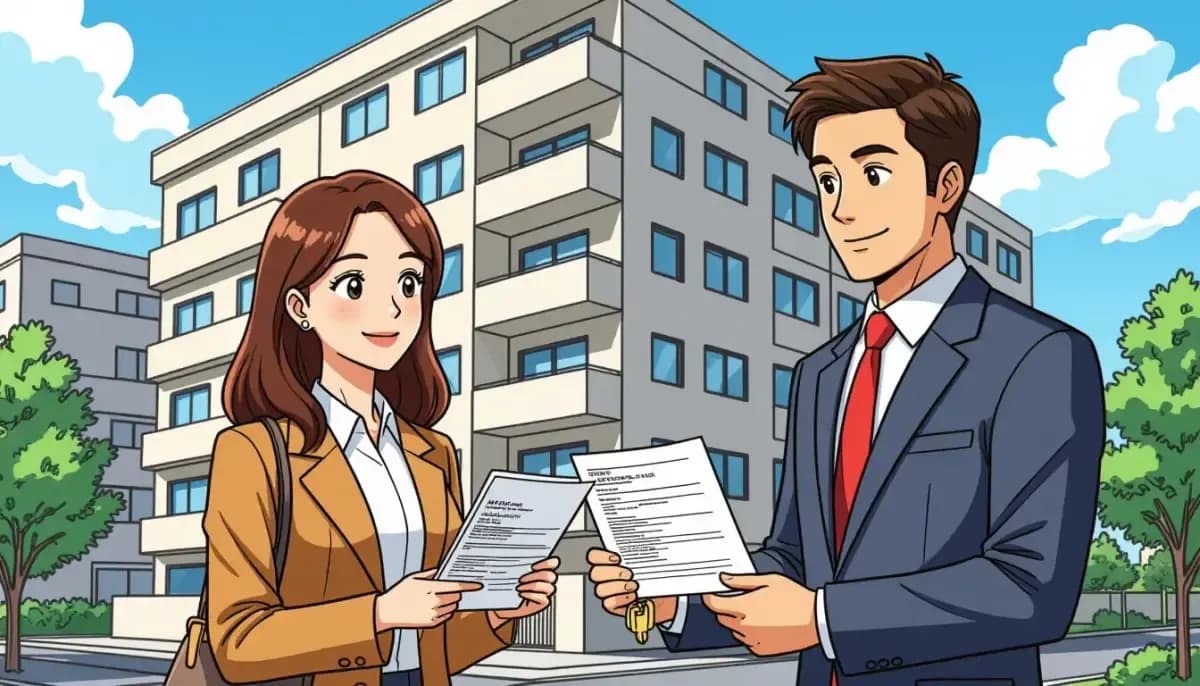
Understanding key money (reikin) and security deposit (shikikin) in Japan. Complete guide covering costs, regional differences, negotiation tips, and how to avoid key money when renting an apartment.
Key Money and Deposit System in Japan Explained
Moving into an apartment in Japan as a foreigner can feel overwhelming, especially when you encounter the unique upfront costs that the Japanese rental system demands. Unlike many Western countries where you typically pay just first month's rent and a security deposit, Japan requires several additional fees — most notably key money (reikin) and security deposit (shikikin). Understanding these costs is essential to budgeting correctly and avoiding unpleasant surprises. This guide breaks down everything you need to know about the key money and deposit system in Japan.
What Is Key Money (Reikin)?
Key money, known as reikin (礼金) in Japanese, literally translates to "gratitude money." It is a non-refundable payment made to the landlord as a traditional gesture of thanks for allowing you to rent their property. This practice originated during the post-war housing shortage in Japan when rental properties were scarce, and tenants offered money to landlords as an expression of gratitude for being given a place to live.
Despite the housing shortage being long over, the tradition persists in many parts of Japan. Key money is typically equivalent to one to two months' rent, though the exact amount varies by region and property. The most important thing to remember is that key money is never refunded — it is a one-time cost that you will not get back when you move out.
For foreigners, this is often one of the biggest surprises when renting an apartment in Japan. Many newcomers mistakenly assume reikin works like a deposit, leading to disputes when they discover it is non-refundable. Make sure you understand this distinction before signing any lease.
What Is a Security Deposit (Shikikin)?
The security deposit, or shikikin (敷金), is a refundable deposit paid to the landlord at the start of your lease. This deposit is held as insurance against potential damages to the property, unpaid rent, or cleaning costs when you move out.
The standard amount for shikikin is one to two months' rent. After you vacate the apartment, the landlord will conduct a move-out inspection, calculate any restoration costs, and return the remaining balance to your bank account. According to the 2020 Civil Code revision, tenants are not responsible for normal wear and tear from regular use — only actual damage beyond ordinary use can be deducted.
The deposit return process typically follows these steps:
- Move-out inspection by the management company
- Repair cost calculation and itemized statement
- Deduction of legitimate costs (cleaning, repairs for damage)
- Bank transfer of remaining funds within approximately one month
If you feel the deductions are unreasonable, you can challenge them through local housing consultation services. Always request an itemized receipt of all deductions. For more tips on managing your finances in Japan, check our banking guide.
Complete Breakdown of Upfront Rental Costs
When renting in Japan, key money and deposit are just two of the several fees you will need to pay upfront. Here is a complete breakdown of all the initial costs you should expect:
| Fee | Amount | Refundable? | Description |
|---|---|---|---|
| First month's rent | 1 month | No | Standard advance rent payment |
| Security deposit (shikikin) | 1-2 months | Yes (partial) | Covers damages and cleaning |
| Key money (reikin) | 0-2 months | No | Gratitude payment to landlord |
| Agent fee (chuukai tesuuryou) | 0.5-1 month | No | Real estate agency commission |
| Guarantor company fee | 0.5-1 month | No | Required if no personal guarantor |
| Fire insurance | ¥15,000-20,000 | No | Mandatory renter's insurance |
| Lock change fee | ¥15,000-25,000 | No | New key cylinder installation |
| Cleaning fee | ¥30,000-80,000 | No | Prepaid or deducted from deposit |
Example total for a ¥100,000/month apartment: The upfront cost can easily reach ¥400,000 to ¥600,000 (approximately 4-6 months' rent). In central Tokyo, where rents are higher, total initial costs for a modest 1K apartment average ¥350,000 to ¥450,000. This is significantly more than what most foreigners are accustomed to paying when moving into a new home.
Understanding the full cost of living in Japan helps you prepare financially before making the move.
Regional Differences in Key Money and Deposits
One of the most important factors affecting your upfront costs is where in Japan you choose to live. Key money and deposit practices vary significantly by region:
| Region | Key Money | Deposit | Notes |
|---|---|---|---|
| Central Tokyo | 1-2 months | 1-2 months | Highest overall costs in Japan |
| Osaka/Kansai | 0-1 month | Uses "shikibiki" system | Guarantee deposit system common |
| Nagoya/Tokai | 1-3 months | 1-2 months | Can be higher than Tokyo |
| Fukuoka | 0-1 month | 1 month | Many zero key money options |
| Hokkaido | Rare | 1 month | Key money uncommon in this region |
| Rural areas | Often zero | 0-1 month | Landlords more flexible |
In Osaka, the traditional shikibiki system is sometimes used instead of the standard reikin/shikikin model. Under this system, a larger initial deposit is collected, and a portion is automatically deducted when you move out. While the terminology differs, the concept is similar.
If you are considering different areas, research local rental customs before committing. For a broader perspective on daily life across Japan, our comprehensive guide covers regional lifestyle differences.
How to Avoid or Reduce Key Money
The good news for budget-conscious renters is that zero key money properties are increasingly common in Japan, especially in these situations:
- Older buildings: Properties built more than 20 years ago often waive key money to attract tenants
- Suburban and rural locations: Landlords outside major city centers are more willing to negotiate
- Properties listed for extended periods: If an apartment has been vacant for months, the landlord may be flexible
- Foreigner-friendly agencies: Companies like GaijinPot Apartments, Real Estate Japan, and similar services often list reikin-free properties
- Furnished apartments and share houses: Short-term housing providers like Sakura House and Oakhouse typically do not charge key money
Negotiation strategies that work:
- Rent during off-season — Summer months (July-September) tend to have more vacancies and negotiable landlords
- Offer a longer lease — Committing to 2+ years can convince landlords to waive or reduce key money
- Move in quickly — Landlords lose money on vacant units, so offering immediate occupancy helps
- Negotiate through your agent — A skilled real estate agent can advocate on your behalf
- Accept slightly higher monthly rent — Some landlords will trade zero key money for an increase of ¥5,000-10,000/month
When searching for apartments, look for listings marked "礼金なし" (reikin nashi) or "zero key money." You can learn more about navigating the housing search in our guide on finding housing in Japan. For additional rental contract details, Living in Nihon's rental contracts guide provides excellent Japanese market insights.
Getting Your Deposit Back: Tips for a Smooth Move-Out
One of the most stressful aspects of renting in Japan is the move-out process and recovering as much of your deposit as possible. Here are practical tips to maximize your refund:
Before moving in:
- Take detailed photos and videos of the apartment's condition on move-in day
- Note any existing scratches, stains, or damage on the condition report (現況確認書)
- Keep copies of all documents signed at lease commencement
During your tenancy:
- Maintain the apartment in good condition with regular cleaning
- Report any maintenance issues promptly to avoid being blamed for neglect
- Use furniture pads to prevent floor scratches
At move-out:
- Clean the apartment thoroughly before the inspection
- Be present during the move-out inspection to discuss any issues
- Request an itemized deduction statement (明細書)
- Know your rights: the 2020 Civil Code revision protects you from charges for normal wear and tear
If you believe the deductions are excessive, contact your local consumer affairs center (消費生活センター) for free advice. Foreign residents can also seek help from their municipal international association. For broader guidance on living in Japan as a foreigner, our moving guide covers essential settlement tips.
You can also find practical housing infrastructure information at For Work in Japan's housing guide and career-related financial planning at Ittenshoku.
Frequently Asked Questions About Key Money and Deposits
Can I negotiate key money to zero? Yes, especially for older properties, those in less popular areas, or during off-peak seasons. About 30-40% of rental listings in major cities now offer zero key money options.
Is key money legal? Yes, key money is completely legal in Japan. While there have been discussions about reforming the practice, it remains a standard part of the Japanese rental system.
What happens if I break my lease early? Early termination may result in penalties, typically one to two months' rent. Your security deposit may also be fully forfeited depending on the lease terms. Check your contract carefully for the early termination clause (中途解約条項).
Do I need a guarantor to rent in Japan? Most landlords require either a personal guarantor (連帯保証人) or a guarantor company (保証会社). Guarantor company fees typically cost 0.5-1 month's rent initially, plus annual renewal fees. Read more about guarantor requirements in our complete housing guide.
How much should I budget for initial rental costs? As a general rule, prepare 5-6 months' rent for total upfront costs. For a ¥80,000/month apartment, that means approximately ¥400,000-480,000 in initial fees. For detailed budgeting advice, the A-Realty guide on deposits and key money provides an excellent cost calculator.
Are deposits different for foreigners? The legal requirements are the same regardless of nationality. However, some landlords may request higher deposits from foreign tenants, especially those without a guarantor. Using a foreigner-friendly agency helps avoid discriminatory practices. The GTN Magazine guide on rental fees has detailed information specifically for international residents.
Conclusion
The key money and deposit system in Japan may seem complicated at first, but understanding the differences between reikin and shikikin — and knowing your options for reducing costs — puts you in a much stronger position when apartment hunting. Remember that key money is non-refundable while deposits are partially returned, regional differences can significantly impact your costs, and zero key money properties are becoming more widely available.
Start your apartment search early, budget for 5-6 months' rent in upfront costs, and don't hesitate to negotiate. With the right preparation and knowledge, you can find affordable housing in Japan without breaking the bank. For comprehensive guidance on all aspects of settling in Japan, explore our complete guide to moving to Japan and finding housing in Japan.

Originally from Vietnam, living in Japan for 16+ years. Graduated from Nagoya University, with 11 years of professional experience at Japanese and international companies. Sharing information about living in Japan for foreigners.
View Profile →Related Articles
Tokyo Apartment Hunting Tips for Foreigners
Complete guide to finding an apartment in Tokyo as a foreigner. Learn about rental costs, required documents, guarantor system, best neighborhoods, and negotiation strategies for expats.
Read more →
Short Term Housing Options in Japan for Foreigners
Discover the best short term housing options in Japan for foreigners, including monthly apartments, share houses, serviced apartments, and vacation rentals with costs and tips.
Read more →
Furnished vs Unfurnished Apartments in Japan
Compare furnished and unfurnished apartments in Japan with detailed cost breakdowns, pros and cons, and practical tips for foreigners choosing the right rental option.
Read more →
Complete Guide to Moving Out of a Japanese Apartment
Step-by-step guide to moving out of a Japanese apartment as a foreigner. Learn about notice periods, security deposits, restoration fees, cleaning tips, and how to protect your deposit refund.
Read more →
Monthly Apartment Costs in Japan Fully Explained
Complete breakdown of monthly apartment costs in Japan including rent by city, utilities, internet, management fees, and budget-saving tips for foreign residents.
Read more →
How to Get a Guarantor Company in Japan
Complete guide to getting a guarantor company (hoshō kaisha) in Japan as a foreigner. Learn about types, costs, application process, required documents, and tips for approval.
Read more →