
Cheapest Cities to Live in Japan for Foreigners

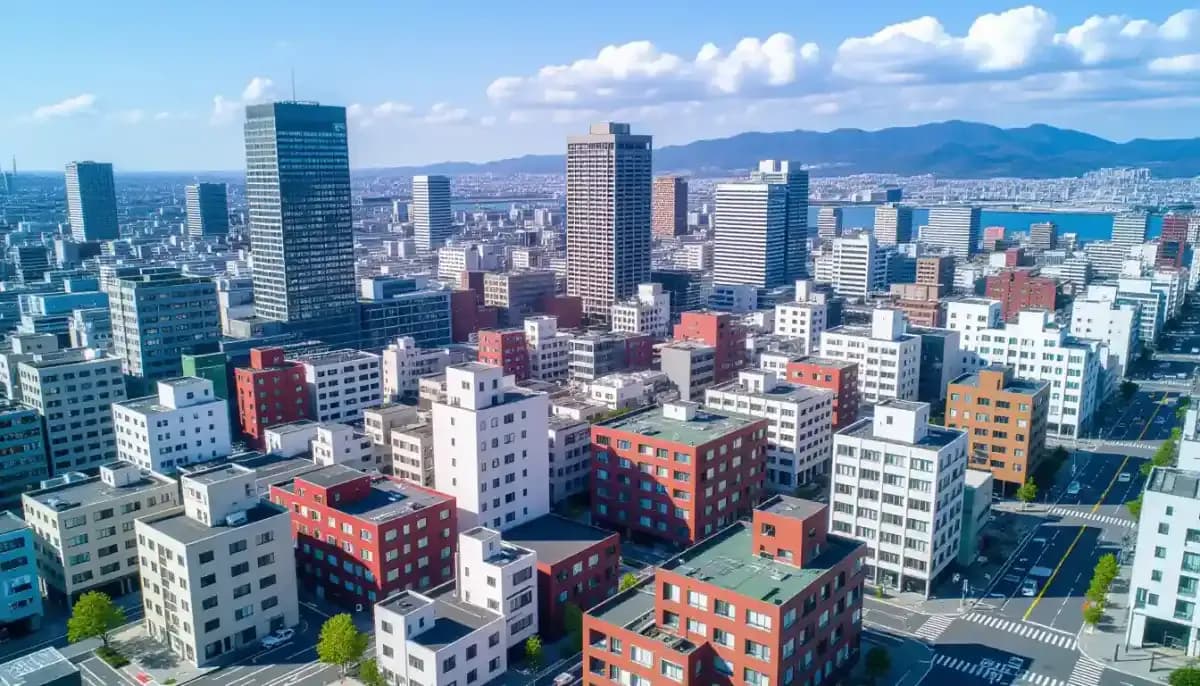
Discover the most affordable cities to live in Japan as a foreigner. Compare rent, monthly budgets, and lifestyle across Fukuoka, Osaka, Sapporo, Nagoya, and more with real cost data.
Cheapest Cities to Live in Japan for Foreigners: Your 2025 Guide
Japan has a reputation for being expensive — but the reality is far more nuanced. While Tokyo's rent prices can rival Manhattan, there are plenty of cities across Japan where foreigners can live comfortably, enjoy excellent public transport, eat great food, and save money at the same time. Whether you're a new expat, a digital nomad, or planning a long-term move, this guide breaks down the cheapest cities to live in Japan for foreigners, with real numbers to help you plan your budget.
!Affordable cities in Japan skyline showing Fukuoka modern urban landscape

Why Cost of Living Varies So Much Across Japan
Japan is a long, geographically diverse country with significant regional differences in housing prices, wages, and lifestyle costs. The Kanto region (centered on Tokyo) has the highest average household monthly expenditure at around ¥289,137, while Okinawa Prefecture sits at just ¥180,460 per month on average — a difference of over ¥100,000 per month simply based on location.
For foreigners, these differences are even more impactful. Lower-cost cities often:
- Have lower initial move-in costs (fewer cities require "key money")
- Offer larger apartments for the same rent
- Have cheaper supermarkets and local dining options
- Provide a more relaxed pace of life with less commuting pressure
That said, salary levels also vary by region. Tokyo and Osaka tend to offer higher wages than Fukuoka or Sapporo, so weigh your expected income against your expected costs when choosing where to live.
For a comprehensive breakdown of living costs across Japan, see our Complete Guide to Cost of Living in Japan.
Monthly Cost of Living Comparison by City
Here's a quick overview of average monthly costs for a single foreigner living in major Japanese cities:
| City | Rent (1K/1DK) | Monthly Total | Compared to Tokyo |
|---|---|---|---|
| Tokyo | ¥78,000–¥100,000 | ¥150,000–¥220,000 | Baseline |
| Osaka | ¥60,000–¥75,000 | ¥100,000–¥160,000 | ~20–30% cheaper |
| Nagoya | ¥60,000–¥80,000 | ¥100,000–¥160,000 | ~20–25% cheaper |
| Fukuoka | ¥50,000–¥65,000 | ¥80,000–¥130,000 | ~30–40% cheaper |
| Sapporo | ¥45,000–¥65,000 | ¥80,000–¥130,000 | ~25–35% cheaper |
| Kobe | ¥50,000–¥70,000 | ¥90,000–¥140,000 | ~25–30% cheaper |
| Regional Cities | ¥30,000–¥55,000 | ¥70,000–¥110,000 | ~35–50% cheaper |
Note: Monthly totals include rent, utilities, food, transport, and basic daily expenses.
Fukuoka: Japan's Most Affordable Major City
Fukuoka is consistently ranked as the most affordable major city in Japan and has become extremely popular among expats and digital nomads. Located on Kyushu island — Japan's generally cheapest region — Fukuoka combines the convenience of a modern city with significantly lower costs than Tokyo or Osaka.
Key numbers:
- Average citywide rent: ¥50,000s per month
- 1LDK apartment: around ¥80,000/month
- Monthly total budget: ¥80,000–¥130,000 for a single person
- Key money: often waived entirely by landlords
What makes Fukuoka especially attractive for foreigners is the international community, excellent food scene (Fukuoka is famous for Hakata ramen and fresh seafood), a compact city layout, and direct flights to many Asian cities. The startup scene is growing too, making it increasingly popular among remote workers.
One resident famously noted paying "half the rent for twice the space" compared to Tokyo. With a 1LDK running roughly ¥80,000 versus Tokyo's ¥150,000+, the math is hard to argue with.
For more on finding an apartment in Japan, check our Complete Guide to Finding Housing in Japan.
Sapporo: The Affordable Northern Capital
Sapporo, the capital of Hokkaido, offers housing costs approximately 25% lower than Tokyo. As Japan's fifth-largest city, it has all the urban infrastructure you'd expect — good public transport, modern hospitals, international schools, and a large expat community — but at a fraction of the capital's price.
Key numbers:
- Rent 25% lower than Tokyo on average
- 1K/1DK apartments: ¥45,000–¥65,000/month
- Monthly total: around ¥80,000–¥130,000
The tradeoff is Hokkaido's winters, which are harsh with heavy snowfall. Heating costs can spike significantly from November to March, so factor that into your budget. Summers, however, are mild and beautiful — one of the best in Japan.
Sapporo also hosts the famous Snow Festival, has exceptional local produce, and is home to Hokkaido's renowned dairy and agriculture industries. For food lovers who don't mind cold winters, it's an excellent choice.
!Sapporo city view with snow-capped mountains and affordable urban living

Osaka: The Budget-Friendly Big City
If you want big-city energy without Tokyo's price tag, Osaka is your answer. Japan's second-largest metropolitan area offers excellent job opportunities, a world-class food scene, vibrant nightlife, and a cost of living approximately 20–30% below Tokyo.
Key numbers:
- Average rent: ¥60,000–¥75,000/month
- 1LDK in center: around ¥100,000/month
- Monthly total: ¥100,000–¥160,000
Osaka's initial move-in costs have historically been high (with "key money" sometimes reaching 6–8 months' rent), but this practice has been declining. The city has no renewal fees, which saves you money over the long term.
Osaka is also one of the best cities in Japan for working foreigners, with a large manufacturing and services sector. The people of Osaka have a well-earned reputation for being warm, direct, and friendly — making it easier for foreigners to integrate socially.
Learn more about working opportunities in our Complete Guide to Working in Japan as a Foreigner.
Nagoya: The Underrated Middle Ground
Nagoya doesn't get as much attention as Tokyo, Osaka, or Fukuoka, but it's one of Japan's most livable cities for foreigners on a budget. Home to Toyota's headquarters and a major manufacturing hub, Nagoya offers stable employment alongside affordable living.
Key numbers:
- 1K/1DK apartments in city center: ¥60,000–¥80,000/month
- Monthly total for a single person: ¥100,000–¥160,000
- Located centrally between Tokyo and Osaka (30–45 minutes by Shinkansen)
Nagoya's central location is a major plus — you're close to both Tokyo and Osaka for weekend trips, yet paying significantly less rent. The city has a large foreign resident population due to its automotive industry, making it well-equipped with international schools, multilingual services, and foreign supermarkets.
Kobe: Cosmopolitan Living at a Discount
Kobe is one of Japan's most international cities, with a long history of foreign residents dating back to the 19th century. It sits just 20 minutes from Osaka by train, which means you get Osaka's employment market while paying Kobe's lower rents.
Key numbers:
- Housing costs approximately 30% lower than Tokyo
- 1K apartments: ¥50,000–¥70,000/month
- Excellent access to both Osaka and Kyoto
Kobe offers a uniquely cosmopolitan atmosphere, with Western-style architecture, international cuisine, and a well-developed foreign community. It's also one of Japan's most scenic cities, nestled between mountains and Osaka Bay. For foreigners seeking a high quality of life without Tokyo's expenses, Kobe consistently ranks among the best options.
Regional Cities and Rural Japan: The Budget Frontier
If you're willing to step off the beaten track, Japan's regional cities and rural areas offer some of the lowest living costs in the developed world.
Kyushu's smaller cities (Kumamoto, Miyazaki, Saga) are particularly affordable:
- Miyazaki: consistently lowest average rent for one-room apartments among all prefectures
- Kumamoto: monthly costs for a single person around ¥134,000
- Saga: incredibly low living costs, especially in cities like Saga and Karatsu
For those open to truly rural living, Japan's akiya (vacant house) system allows some properties to be rented for as little as ¥40,000/month (~$300). While business opportunities and English-speaking services are limited in these areas, the cost savings are dramatic.
See our Complete Guide to Regional Living in Japan for more on life outside Japan's major cities.
What Foreigners Should Budget For
Beyond rent, here are the key monthly expenses to budget for:
| Category | Low Budget | Mid Budget | Comfortable |
|---|---|---|---|
| Rent (1K/1DK, outside central areas) | ¥40,000 | ¥60,000 | ¥80,000+ |
| Utilities (electricity, gas, water) | ¥8,000 | ¥12,000 | ¥18,000 |
| Food (home cooking + occasional dining) | ¥25,000 | ¥40,000 | ¥60,000+ |
| Transportation | ¥5,000 | ¥10,000 | ¥20,000+ |
| Phone + Internet | ¥5,000 | ¥7,000 | ¥10,000 |
| Miscellaneous | ¥10,000 | ¥20,000 | ¥30,000+ |
| Total | ¥93,000 | ¥149,000 | ¥218,000+ |
Initial costs: For a ¥70,000 monthly rent apartment, expect ¥280,000–¥420,000 in upfront costs covering security deposit, agent fees, key money (where applicable), and insurance. Fukuoka and many regional cities now waive key money, significantly reducing this burden.
For help opening a bank account to manage your finances, see our Complete Guide to Banking and Finance in Japan.
Tips for Finding Affordable Housing as a Foreigner
Finding affordable housing in Japan as a foreigner comes with some unique challenges. Historically, many landlords were reluctant to rent to non-Japanese tenants. While this has improved significantly, here are practical tips:
- Use foreigner-friendly services: Platforms like Suumo, LIFULL HOME'S, and GaijinPot Housing specialize in listings that accept foreign residents
- Consider share houses: Monthly costs of ¥30,000–¥70,000 with very low initial fees — a great way to start in a new city
- Look for guarantor companies: A guarantor (hoshounin) is almost always required; if you don't have one, guarantor companies charge a fee (typically one month's rent) and solve this problem
- Timing matters: April and September see the highest apartment turnover in Japan, so January–February and July–August offer better negotiating power
For detailed guidance on the apartment hunting process, Living in Nihon's housing resources cover everything from contracts to neighborhood research.
The For Work in Japan housing guide also provides excellent practical information on navigating Japan's housing system as a foreign resident.
Additionally, the career and relocation resources at Ittenshoku can help you find job opportunities in affordable cities that match your skill set — a key factor in determining where you can realistically afford to live.
Choosing the Right City for Your Budget and Lifestyle
The "cheapest" city isn't always the best fit. Here's a quick summary to help you decide:
| Profile | Recommended City | Why |
|---|---|---|
| Digital nomad / remote worker | Fukuoka | Startup culture, co-working spaces, low cost |
| Career-focused professional | Osaka or Nagoya | Strong job market, affordable vs Tokyo |
| Winter lover / nature enthusiast | Sapporo | Low rent, stunning nature, unique culture |
| Wants big-city access cheaply | Kobe | 20 min from Osaka, 30% cheaper than Tokyo |
| Maximum savings / adventure | Rural Kyushu or Hokkaido | Akiya houses, slow lifestyle, extreme savings |
| Student | Any regional university city | Campus areas often have cheapest rents |
Moving to Japan on a Budget
Choosing an affordable city is just the first step. Your overall financial situation in Japan depends on visa type, employment, and how well you navigate daily costs. Our Complete Guide to Moving to Japan as a Foreigner covers everything from visa applications to the practicalities of settling in.
For additional research, Travel Safe Abroad's guide to cheapest places in Japan and the E-Housing cost comparison between Tokyo, Osaka, and Fukuoka provide useful data for deeper comparison.
Japan's affordable cities offer an outstanding quality of life — excellent food, safe streets, efficient public transport, and rich cultural experiences — at a fraction of what you'd pay in comparable Western cities. With the right planning, living in Japan on a reasonable budget is absolutely achievable.

Originally from Vietnam, living in Japan for 16+ years. Graduated from Nagoya University, with 11 years of professional experience at Japanese and international companies. Sharing information about living in Japan for foreigners.
View Profile →Related Articles

Retirement Cost of Living in Japan Estimate
How much does it really cost to retire in Japan as a foreigner? Get realistic monthly budget estimates, expense breakdowns, visa options, and savings targets for retiring in Japan in 2025-2026.
Read more →
Student Cost of Living in Japan Complete Guide
Complete guide to student cost of living in Japan. Learn about tuition fees, housing costs, monthly budgets, part-time work rules, and scholarships for international students.
Read more →
Hidden and Unexpected Costs of Living in Japan
Discover the hidden and unexpected costs of living in Japan that shock most foreigners — from key money and second-year tax surprises to mandatory pension and insurance fees. Budget properly for Japan.
Read more →
Japan Cost of Living Compared to Other Countries
How does Japan's cost of living compare to the USA, UK, Europe, and Asia? Get real numbers for rent, food, transport, and healthcare in this complete expat guide.
Read more →
Healthcare Costs in Japan for Foreign Residents
A complete guide to healthcare costs in Japan for foreigners: insurance premiums, clinic fees, hospital costs, NHI vs Shakai Hoken, and money-saving tips for expats.
Read more →
How Much Does It Cost to Raise Children in Japan
How much does it cost to raise children in Japan? A complete breakdown of childcare, education, and government subsidies for foreign residents — including free childcare and child allowance.
Read more →