
Japan Post Bank Account Guide for Foreign Residents

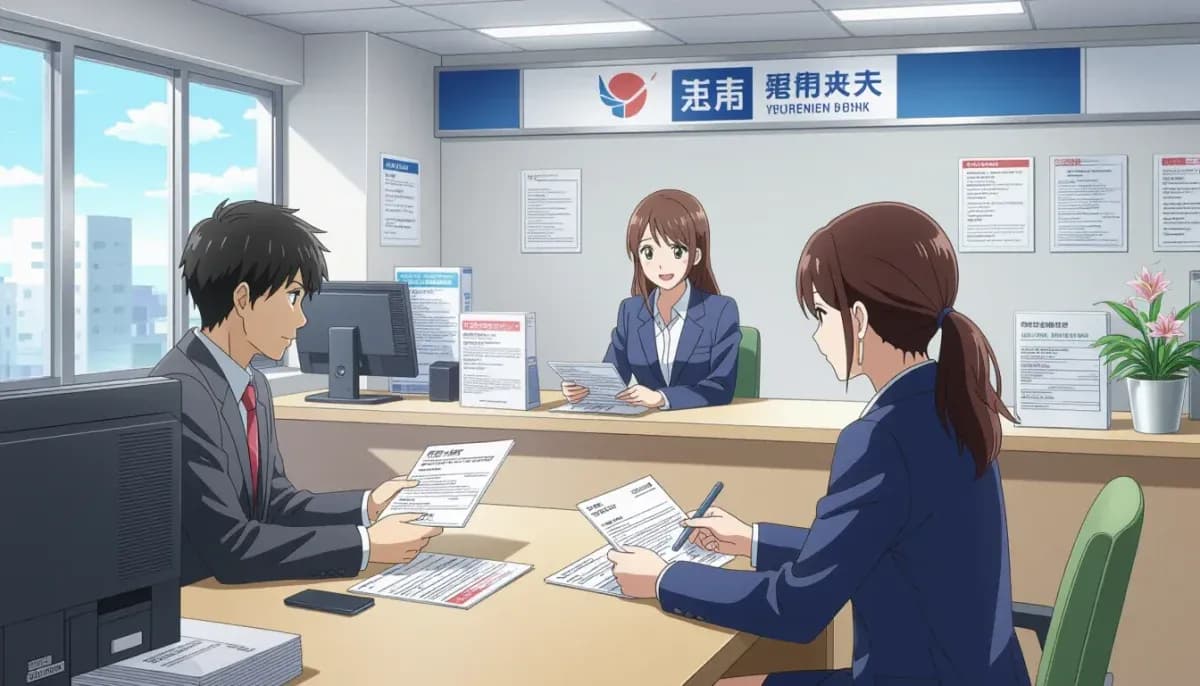
Complete guide to opening a Japan Post Bank (Yucho) account as a foreign resident in Japan. Learn about requirements, documents, fees, ATM access, online banking, and step-by-step instructions.
Japan Post Bank Account Guide for Foreign Residents
Opening a bank account is one of the first essential steps when settling in Japan. Japan Post Bank (Yucho Bank) is widely regarded as the most foreigner-friendly bank in Japan, offering accessible services, a massive ATM network, and lower residency requirements than most major banks. This comprehensive guide walks you through everything you need to know about opening and using a Japan Post Bank account as a foreign resident.
Why Choose Japan Post Bank Over Other Banks?
Japan Post Bank stands out as the top choice for foreign residents in Japan for several compelling reasons. With over 205 trillion yen in managed assets, it is one of the largest retail banks in the country. Unlike major banks such as MUFG, Mizuho, or SMBC that typically require six months of residence before allowing foreigners to open accounts, Japan Post Bank lets you apply after just three months with a valid residence card.
The bank operates through nearly 24,000 branches attached to post offices nationwide, meaning you can find a branch even in rural areas where other banks have limited presence. Additionally, Japan Post Bank maintains over 30,000 ATMs across Japan, making it incredibly convenient for daily banking needs.
For foreigners who are still building their financial foundation in Japan, the combination of accessibility, low fees, and widespread availability makes Yucho Bank an excellent starting point. You can also learn more about managing your finances in Japan at Living in Nihon.
Required Documents for Opening an Account
Before heading to your nearest post office, make sure you have the following documents ready. The requirements differ slightly depending on your visa status and whether you apply in person or online.
| Document | In-Person Application | Online Application (Yucho App) |
|---|---|---|
| Residence Card (Zairyu Card) | Required (3+ months validity) | Required (3+ months validity) |
| Passport | Required | Not required |
| Personal Seal (Hanko/Inkan) | Optional but recommended | Not required |
| My Number Card | Not required for opening | May be needed later |
| Proof of Address | Residence card serves as proof | Residence card serves as proof |
| Student/Employee ID | Required for students and trainees | Required for students and trainees |
| Initial Deposit | Any amount (even 1 yen) | Not applicable |
If your visa status is "Student" or "Technical Intern Training," you will need to bring additional identification such as a student ID card, employee ID card, or certificate of enrollment. Keep in mind that individuals whose names include Roman numerals (II, III, etc.) or those classified as Foreign Politically Exposed Persons (PEPs) may face restrictions when opening an account.
How to Open a Japan Post Bank Account In Person
Opening an account at a post office branch is the most straightforward method, especially if your Japanese language skills are limited. Here is the step-by-step process:
Step 1: Locate your nearest Japan Post Bank branch. Most post offices have a banking counter, but larger branches offer more services. Use the Japan Post website to find branches near you.
Step 2: Visit during business hours (typically 9:00 AM to 4:00 PM on weekdays). Tell the staff "Koza o tsukuritai desu" (I would like to open an account). Many larger branches have English-speaking staff or multilingual guides available.
Step 3: Complete the application form. You will need to provide your name, address, date of birth, phone number, and an initial deposit amount. Staff can assist you with filling out the form.
Step 4: Submit your residence card and passport for identity verification. The staff will make copies and verify your information.
Step 5: Receive your bankbook (tsuchou) immediately at the counter. Your cash card (ATM card) will be delivered to your registered address by registered mail within one to two weeks.
This process is a crucial part of moving to Japan and getting your daily life set up. For more about salary and income management as a foreigner, check out this salary guide at For Work in Japan.
How to Open an Account Online via the Yucho App
If you prefer a digital approach, Japan Post Bank offers the Yucho Tetsuzuki App for online account opening. This method is particularly convenient if you already have a smartphone and want to avoid visiting a branch.
To apply online, download the Yucho Tetsuzuki App from the App Store or Google Play. You will also need to install the Yucho Authentication App for identity verification. The process involves taking photos of your residence card through the app and completing the application form digitally.
The online application results in a Yucho Direct Plus account, which is a bankbook-free digital account. Your cash card will be mailed to your address within approximately two weeks. While this method is convenient, note that the app interface is primarily in Japanese, so you may need assistance if you are not comfortable reading Japanese.
One advantage of the online method is that you do not need a personal seal (hanko), which can be a barrier for newcomers who have not yet had one made. For tips on navigating daily life in Japan including getting a hanko, check our dedicated guide.
Account Types and Features Explained
Japan Post Bank offers two main account types, each suited to different needs:
Bankbook-type General Account is the traditional option where you receive a physical bankbook that records all transactions. This is ideal if you prefer a tangible record of your finances and plan to visit branches regularly. You can deposit and withdraw at any Japan Post ATM and use the bankbook at counter windows.
Yucho Direct Plus is the modern, bankbook-free alternative. All transactions are managed digitally through the Yucho Direct online banking platform. This option suits tech-savvy users who prefer managing finances from their smartphone or computer.
| Feature | Bankbook-type Account | Yucho Direct Plus |
|---|---|---|
| Physical Bankbook | Yes | No |
| Cash Card | Yes | Yes |
| Online Banking | Available (opt-in) | Included by default |
| Branch Deposits | Yes | Yes |
| Application Method | In-person only | In-person or online |
| Deposit Limit | 13 million yen | 13 million yen |
Both account types have a deposit limit of 13 million yen. If you need to manage larger amounts, you may want to consider opening accounts at additional banks. For financial planning tips, Ittenshoku offers guidance on financial preparation that can be helpful when managing your money in Japan.
Fees, ATM Access, and Transfer Costs
One of Japan Post Bank's biggest advantages is its fee structure. ATM withdrawals at Japan Post Bank ATMs are completely free during all operating hours, including weekends and holidays. This is a significant benefit compared to other banks that charge 110 to 220 yen for after-hours or weekend withdrawals.
| Transaction Type | Fee |
|---|---|
| ATM Withdrawal (JP Bank ATM) | Free (all hours) |
| Online Transfer to JP Bank | Free (up to 5/month) |
| Online Transfer to Other Banks | 216-432 yen |
| ATM Cash Transfer | 152-366 yen |
| International Transfer (online) | 2,000 yen |
| Receiving Foreign Currency | USD $10 / EUR 5 |
| Monthly Account Fee | Free |
The bank's ATM network operates during specific hours depending on the location. Most post office ATMs are available from early morning until 9:00 PM on weekdays, with slightly reduced hours on weekends. Convenience store ATMs affiliated with Japan Post may have different hours.
For international money transfers, Japan Post Bank charges 2,000 yen per transaction when using online banking. Receiving foreign currency costs USD $10 or EUR 5 per transfer. If you need to send money overseas frequently, consider comparing rates with services like Wise or Western Union. You can learn more about banking options in Japan to find the best solution for your needs.
Online Banking and Digital Services
Japan Post Bank's online banking service, Yucho Direct, allows you to manage your account from home. You can check balances, transfer money, and set up automatic payments. The service operates from 00:05 to 23:55 daily and is free to use.
To register for Yucho Direct, you need your bankbook or cash card number, and you will receive login credentials by mail. The main limitation is that the online banking platform is primarily in Japanese, which can be challenging for non-Japanese speakers. However, browser translation tools can help navigate the interface.
The bank also offers a multilingual call center with support in English, Chinese, Korean, Vietnamese, and Indonesian. This is particularly helpful when you encounter issues or need to understand specific banking procedures. The call center can explain account features, help with lost cards, and guide you through various services.
For managing your cost of living in Japan, having online banking set up is essential for tracking expenses and setting up automatic bill payments for utilities, rent, and other recurring costs.
Tips for Foreign Residents Using Japan Post Bank
Bring a Japanese speaker for your first visit. While larger branches may have multilingual staff, smaller post office branches typically only have Japanese-speaking employees. Having a friend or colleague accompany you can make the process smoother.
Set up automatic transfers early. Many landlords and utility companies prefer automatic bank transfers (jido furikae). Setting these up at your Japan Post Bank account can save you from late payment issues. This is especially important when finding housing in Japan.
Keep your bankbook updated. If you have a bankbook-type account, regularly insert it into an ATM to update your transaction records. This serves as an important financial record for tax purposes and visa renewals.
Register for the Yucho Pay app. Japan Post Bank offers a QR code payment service that works at many stores, adding to your cashless payment options alongside the cash card.
Update your address promptly. If you move, update your registered address at a Japan Post Bank branch as soon as possible. This is crucial for receiving replacement cards and important notices. Make sure your address also matches your residence card information.
Consider the auto-swing feature. Japan Post Bank offers an interest-free automatic transfer feature for balances exceeding a set threshold. This can help you manage savings by automatically moving excess funds.
For a comprehensive overview of banking and finance options in Japan, comparing Japan Post Bank with other institutions can help you decide if you need additional accounts as your financial needs grow. Understanding how taxes work in Japan is also important for managing your bank accounts effectively.
Frequently Asked Questions
Can I open a Japan Post Bank account on a tourist visa? No, you need a residence card with at least three months of remaining validity. Tourist visa holders cannot open standard bank accounts in Japan.
Is there an English version of the online banking platform? Unfortunately, the Yucho Direct platform is only available in Japanese. However, you can use browser translation tools, and the multilingual call center can assist you with any questions.
Can I use my Japan Post Bank card overseas? Japan Post Bank cash cards can be used at ATMs displaying the VISA or Plus network logos in some countries, but international ATM withdrawal functionality must be activated beforehand at a branch.
What happens to my account if I leave Japan? You should close your account before leaving if you plan to surrender your residence card. Dormant accounts may be subject to restrictions after extended periods of inactivity. The process of preparing for your move should include closing or managing your bank accounts.
How do I close my Japan Post Bank account? Visit any Japan Post Bank branch with your bankbook, cash card, residence card, and personal seal (if registered). The remaining balance will be paid out in cash at the counter.
Japan Post Bank remains the most accessible and practical banking option for foreign residents in Japan. With its low fees, extensive branch and ATM network, and relatively easy account opening process, it provides a solid foundation for managing your finances while living and working in Japan.

Originally from Vietnam, living in Japan for 16+ years. Graduated from Nagoya University, with 11 years of professional experience at Japanese and international companies. Sharing information about living in Japan for foreigners.
View Profile →Related Articles
Shinsei Bank vs SMBC Prestia for Foreigners in Japan
Detailed comparison of SBI Shinsei Bank and SMBC Prestia for foreigners living in Japan. Compare fees, ATM access, English support, international transfers, and multi-currency accounts to find the best bank for your needs.
Read more →
Sony Bank Japan English Friendly Banking Guide
Complete guide to Sony Bank Japan for foreigners. Learn about account opening, fees, Sony Bank WALLET, English support, foreign currency exchange, and how it compares to other banks.
Read more →
Best Money Management Apps Available in Japan
Discover the best money management and budgeting apps available in Japan for foreigners. Compare Zaim, Money Forward ME, Moneytree, and multi-currency options for expats managing yen expenses.
Read more →
Cryptocurrency Regulations in Japan for Foreign Investors
Complete guide to cryptocurrency regulations in Japan for foreign investors. Learn about FSA rules, crypto tax rates up to 55%, licensed exchanges, KYC requirements, and upcoming 2026 tax reforms.
Read more →
Japan Savings Accounts and Interest Rates Guide
Complete guide to Japan savings accounts and interest rates for foreigners. Compare bank rates, learn how to open accounts, understand tax withholding, and maximize your savings as an expat in Japan.
Read more →
Investment Options Available for Foreigners in Japan
Discover the best investment options available for foreigners in Japan, including NISA tax-free accounts, iDeCo retirement savings, stocks, real estate, and bonds. Complete guide with step-by-step instructions.
Read more →