
Using ATMs in Japan as a Foreigner Complete Guide

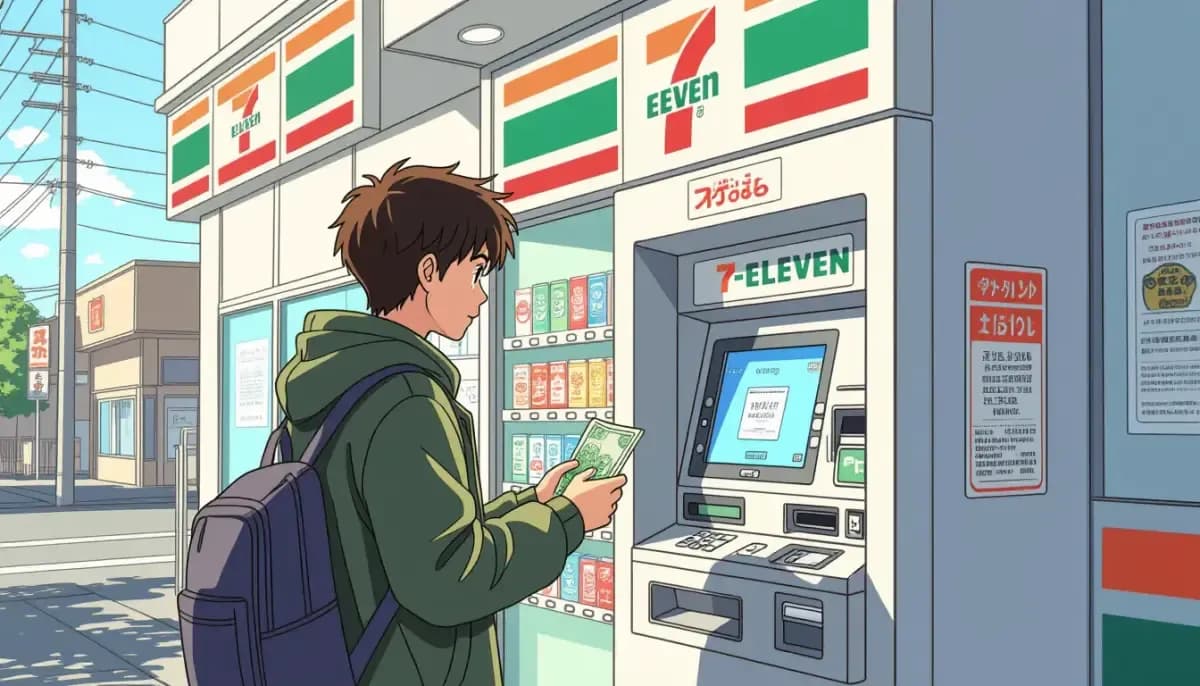
Learn how to use ATMs in Japan with a foreign card. Find the best ATMs at 7-Eleven and post offices, compare fees and limits, and get tips to save money on cash withdrawals.
Using ATMs in Japan as a Foreigner: Complete Guide
Japan remains a heavily cash-based society, and having access to Japanese yen is essential for daily life. Whether you are a tourist, expat, or long-term resident, understanding how to use ATMs in Japan with a foreign card will save you time, money, and frustration. This guide covers everything you need to know about finding the right ATMs, avoiding unnecessary fees, and making the most of your international debit or credit card in Japan.
Why Cash Still Matters in Japan
Despite the growing adoption of cashless payments such as IC cards and QR codes, many small restaurants, local shops, shrines, and rural areas in Japan still only accept cash. Vending machines, coin lockers at train stations, and some public transportation systems also require coins or bills. Even if you carry a credit card, keeping a reasonable amount of yen on hand is a practical necessity for daily life in Japan.
Best ATMs for Foreign Cards in Japan
Not all ATMs in Japan accept international cards. In fact, most ATMs at Japanese banks such as Mizuho, MUFG, and SMBC do not work with cards issued overseas. The good news is that several ATM networks are specifically designed to handle foreign cards.
Seven Bank (7-Eleven) ATMs
Seven Bank ATMs are the most popular choice for foreigners. With over 26,000 locations at 7-Eleven convenience stores across Japan, they are easy to find in virtually every neighborhood. These ATMs accept Visa, Mastercard, Maestro, Cirrus, Plus, UnionPay, American Express, JCB, and Discover cards. They are available 24 hours a day, 7 days a week, and offer multilingual support including English, Chinese, Korean, Portuguese, and more.
Japan Post Bank ATMs
Japan Post Bank operates over 20,000 ATMs at post offices nationwide. They accept Visa, Plus, Mastercard, Maestro, Cirrus, JCB, UnionPay, and Discover cards. However, post office ATMs have more limited operating hours compared to Seven Bank, typically closing between 11 PM and 7 AM, and smaller branches may not be available on weekends or holidays.
Other Options
Family Mart and Lawson convenience stores have increasingly added international ATMs through E-net and Lawson Bank. AEON Bank ATMs at AEON shopping malls also accept foreign cards. Major international airports including Narita and Haneda have international ATMs in the arrival halls. For a deeper look at managing your finances in Japan, check out this banking and financial services guide for foreigners.
ATM Fees and Withdrawal Limits Comparison
Understanding the fee structure before withdrawing cash helps you minimize costs. Here is a comparison of the major ATM networks available to foreigners:
| ATM Network | Locations | Withdrawal Limit | ATM Fee | Hours | Cards Accepted |
|---|---|---|---|---|---|
| Seven Bank (7-Eleven) | 26,000+ | ¥100,000 per transaction | ¥0 (7am-7pm) / ¥110 (off-hours) | 24/7 | Visa, MC, AmEx, JCB, UnionPay |
| Japan Post Bank | 20,000+ | ¥50,000 per transaction | ¥220 per transaction | Varies (limited nights/weekends) | Visa, MC, JCB, UnionPay |
| AEON Bank | 6,000+ | ¥50,000 per transaction | ¥110-¥220 | Varies by location | Visa, MC, JCB, UnionPay |
| Lawson Bank | 13,000+ | ¥50,000 per transaction | ¥110-¥275 | 24/7 (most locations) | Visa, MC, JCB, UnionPay |
| Family Mart (E-net) | 11,000+ | ¥50,000 per transaction | ¥110-¥275 | 24/7 (most locations) | Visa, MC, JCB |
Note that these are the fees charged by the ATM operator. Your home bank may charge additional foreign transaction fees and currency conversion markups, typically ranging from 1% to 3%.
How to Use a Japanese ATM Step by Step
Using an ATM in Japan is straightforward once you know the process:
- Insert your card — Most international ATMs detect your card's country of origin and automatically switch to English.
- Select "Withdrawal" — Choose the withdrawal option from the main menu. Some machines may show "Cash Advance" for credit cards.
- Choose your amount — Enter the amount in Japanese yen. Remember to stay within the per-transaction limit.
- Select "Japanese Yen" for currency — If the ATM offers dynamic currency conversion (DCC) and shows your home currency, always choose JPY instead. DCC typically adds a 3-5% markup on the exchange rate.
- Collect your cash and card — Japanese ATMs dispense cash before returning your card, so do not walk away before grabbing both.
If you encounter an error, try a different ATM at the same store. Occasionally, network connectivity issues can cause temporary failures. For more tips on handling money in Japan, see this salary and income guide for foreigners working in Japan.
Tips to Save Money on ATM Withdrawals
Minimizing fees requires a bit of planning. Here are proven strategies:
- Withdraw larger amounts less frequently — Instead of making multiple small withdrawals, take out a larger sum to reduce per-transaction fees from both the ATM operator and your bank.
- Use Seven Bank during daytime hours — Seven Bank ATMs charge zero fees between 7 AM and 7 PM, saving you ¥110 per withdrawal.
- Get a travel-friendly debit card — Cards from Wise, Revolut, or Charles Schwab reimburse ATM fees and offer competitive exchange rates with no foreign transaction fees.
- Always decline dynamic currency conversion — When the ATM asks if you want to be charged in your home currency, always select "No" and pay in Japanese yen for a better exchange rate.
- Notify your bank before traveling — Many banks will block international transactions as a fraud prevention measure. A quick call or app notification before your trip prevents your card from being declined.
- Carry a backup card — ATMs occasionally reject certain cards due to network issues. Having a second card from a different network (for example, one Visa and one Mastercard) ensures you always have access to cash.
Opening a Japanese Bank Account as a Foreigner
If you are living in Japan long-term, opening a local bank account is far more practical than relying on international ATM withdrawals. Japanese banks such as MUFG, SMBC, Mizuho, and Japan Post Bank offer accounts to foreign residents with a valid residence card. Online banks like Sony Bank and Shinsei Bank provide English-language interfaces and are popular among expats.
With a Japanese bank account, you can withdraw cash without international fees, receive your salary through direct deposit, and set up automatic bill payments for utilities and rent. This is an essential step in establishing your financial life in Japan. You can also explore financial preparation strategies when planning your career transition to Japan.
Common Problems and How to Solve Them
Even with the right ATM, foreigners occasionally run into issues. Here are the most common problems and solutions:
- Card declined — Try a different ATM or network. If the problem persists, call your bank to check for fraud blocks or daily limit restrictions.
- ATM out of service — Post office ATMs have limited hours. Switch to a 24/7 Seven Bank ATM at the nearest 7-Eleven.
- Magnetic stripe only — Some older ATMs only read magnetic stripes. Seven Bank ATMs accept both chip and magnetic stripe cards, with a ¥30,000 limit for stripe-only transactions.
- PIN issues — Japanese ATMs require a 4-digit PIN. If your PIN is longer, contact your bank to set a 4-digit version before traveling.
- Low withdrawal limit — If ¥50,000 per transaction is not enough, use Seven Bank where the limit is ¥100,000. You can also make multiple transactions if needed.
Cashless Alternatives Worth Considering
While this guide focuses on ATMs, Japan's cashless infrastructure is rapidly expanding. IC cards like Suica and Pasmo work at convenience stores, train stations, and many restaurants. QR code payments through PayPay and LINE Pay are widely accepted. Credit cards with no foreign transaction fees can be used at most major retailers, hotels, and chain restaurants.
For managing your cost of living in Japan, combining cash withdrawals with cashless payments gives you the most flexibility. The Japan Guide ATM page is also an excellent resource that stays up to date with the latest ATM information.
Frequently Asked Questions
Can I use my foreign credit card at any ATM in Japan? No. Most Japanese bank ATMs do not accept foreign cards. Stick to Seven Bank, Japan Post Bank, AEON Bank, Lawson Bank, and Family Mart ATMs.
What is the maximum I can withdraw per day? This depends on your home bank's daily limit, not the Japanese ATM. Seven Bank allows ¥100,000 per transaction, but you may make multiple transactions up to your bank's daily cap.
Do I need to speak Japanese to use an ATM? No. Seven Bank and Japan Post ATMs offer full English-language interfaces. The machine typically switches automatically when it detects a foreign card.
Is it better to exchange currency at the airport or use an ATM? ATMs generally offer better exchange rates than airport currency counters. Using a fee-free card at a Seven Bank ATM is usually the cheapest option. For a detailed guide on managing money as a foreigner, see this comprehensive ATM guide.
Accessing your money in Japan does not have to be complicated. By using the right ATMs and following the tips in this guide, you can avoid unnecessary fees and always have yen when you need it.

Originally from Vietnam, living in Japan for 16+ years. Graduated from Nagoya University, with 11 years of professional experience at Japanese and international companies. Sharing information about living in Japan for foreigners.
View Profile →Related Articles
Shinsei Bank vs SMBC Prestia for Foreigners in Japan
Detailed comparison of SBI Shinsei Bank and SMBC Prestia for foreigners living in Japan. Compare fees, ATM access, English support, international transfers, and multi-currency accounts to find the best bank for your needs.
Read more →
Sony Bank Japan English Friendly Banking Guide
Complete guide to Sony Bank Japan for foreigners. Learn about account opening, fees, Sony Bank WALLET, English support, foreign currency exchange, and how it compares to other banks.
Read more →
Best Money Management Apps Available in Japan
Discover the best money management and budgeting apps available in Japan for foreigners. Compare Zaim, Money Forward ME, Moneytree, and multi-currency options for expats managing yen expenses.
Read more →
Cryptocurrency Regulations in Japan for Foreign Investors
Complete guide to cryptocurrency regulations in Japan for foreign investors. Learn about FSA rules, crypto tax rates up to 55%, licensed exchanges, KYC requirements, and upcoming 2026 tax reforms.
Read more →
Japan Savings Accounts and Interest Rates Guide
Complete guide to Japan savings accounts and interest rates for foreigners. Compare bank rates, learn how to open accounts, understand tax withholding, and maximize your savings as an expat in Japan.
Read more →
Investment Options Available for Foreigners in Japan
Discover the best investment options available for foreigners in Japan, including NISA tax-free accounts, iDeCo retirement savings, stocks, real estate, and bonds. Complete guide with step-by-step instructions.
Read more →