
Online Banking in Japan English Language Options

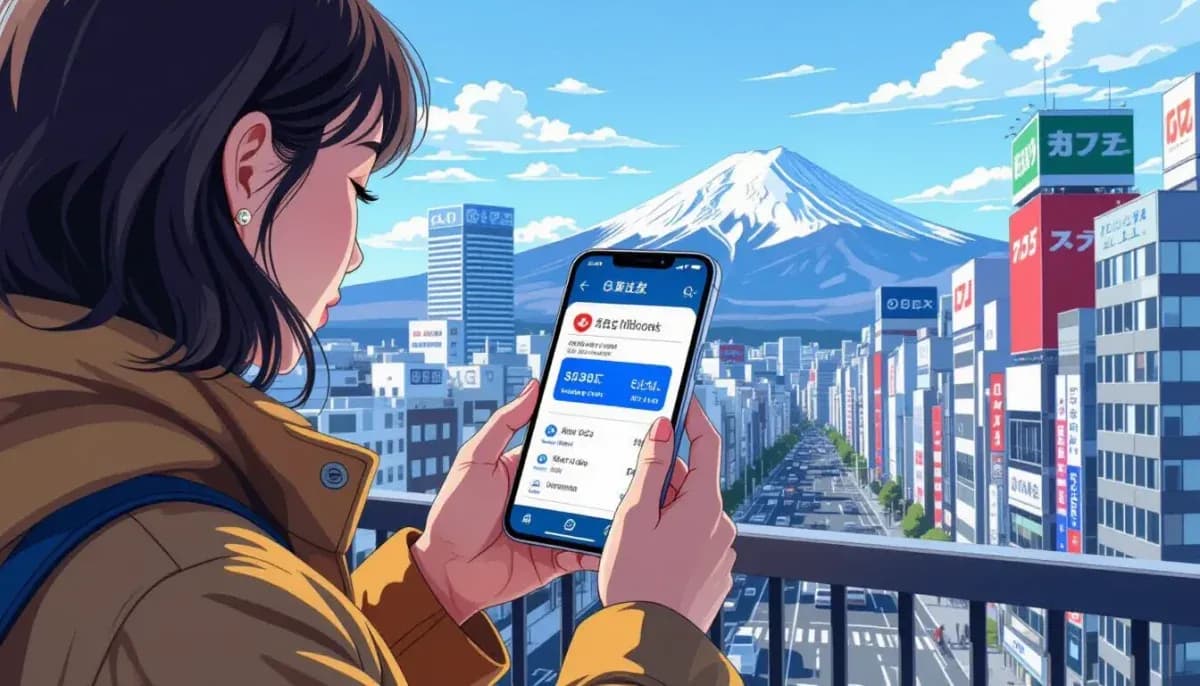
Complete guide to English-language online banking in Japan for foreigners. Compare Shinsei Bank, Sony Bank, PRESTIA, and more with fees, features, and setup instructions.
Online Banking in Japan: English Language Options for Foreigners
Managing your finances in Japan can feel overwhelming when most banking interfaces are in Japanese. The good news is that several major banks now offer English-language online banking, making it much easier for foreigners to handle everyday transactions without needing fluent Japanese. This guide covers the best English-friendly online banking options, how to set them up, and tips for getting the most out of digital banking in Japan.
Why English Online Banking Matters in Japan
Most traditional Japanese banks operate primarily in Japanese, from their ATM screens to their websites and mobile apps. For foreigners who are still learning Japanese, this creates a significant barrier to managing finances effectively. English online banking eliminates the guesswork from critical financial tasks like paying rent, transferring money internationally, and checking your balance.
Having access to English online banking also reduces the risk of making costly mistakes. Misunderstanding a transfer confirmation or accidentally selecting the wrong payment option because you could not read the screen can lead to real financial headaches. Banks with full English support let you manage your money with confidence.
Top Banks with English Online Banking
Not all banks in Japan offer the same level of English support. Here is a detailed comparison of the most foreigner-friendly options for online banking.
| Bank | English App | English Website | Int'l Transfers | Monthly Fee | Key Advantage |
|---|---|---|---|---|---|
| SBI Shinsei Bank | Yes | Yes | ¥2,000/transfer | Free | Full English application process |
| Sony Bank | Yes | Yes | ¥3,000/transfer | Free | 11 foreign currency accounts |
| SMBC Trust Bank PRESTIA | Yes | Yes | ¥2,500/transfer | ¥2,200* | 17 foreign currency deposits |
| Japan Post Bank | Partial | Partial | ¥7,500/transfer | Free | Largest ATM network in Japan |
| Rakuten Bank | Partial | Yes | ¥750/transfer | Free | Low-cost international transfers |
| Seven Bank | Partial | Yes | Varies | Free | 7-Eleven ATMs everywhere |
| PayPay Bank | Limited | Limited | Via PayForex | Free | Mobile-first, potentially ¥0 fees |
*PRESTIA monthly fee waived with balance of ¥500,000 or more.
SBI Shinsei Bank: The Best All-Around Choice
SBI Shinsei Bank is widely considered the top pick for foreigners who want comprehensive English online banking. You can complete the entire account application in English, and the bank offers toll-free English-speaking customer support for when you need help.
The online banking platform provides a clean English interface where you can check balances, make domestic transfers (furikomi), set up automatic payments, and send international remittances for a flat fee of ¥2,000. Unlike many Japanese banks, Shinsei does not require a hanko (personal seal) to open an account, which removes another common barrier for foreigners.
One standout feature is the PowerFlex account, which gives you access to ATMs at major convenience stores like 7-Eleven, Lawson, and FamilyMart with no withdrawal fees during standard hours. For more details on banking and finance options in Japan, Shinsei consistently ranks as the most accessible choice.
Sony Bank: Best for Multi-Currency Needs
Sony Bank operates as a fully online bank with an all-English app and website. It is especially popular among foreigners who need to manage money across multiple currencies, as it supports 11 different foreign currency accounts. This makes it a strong option if you regularly send money to or receive money from overseas.
The mobile app lets you handle nearly everything you would do at a physical branch, including opening term deposits, managing foreign currency holdings, and setting up recurring transfers. Transfer fees for international remittances are ¥3,000 per transaction, which is competitive compared to traditional banks.
Keep in mind that Sony Bank has no physical branches since it is entirely digital. If you prefer occasional in-person banking, this may not be ideal. However, for daily life transactions and routine banking, the English interface makes it one of the smoothest experiences available. Learn more about banking options at Living in Nihon's banking guide.
SMBC Trust Bank PRESTIA: Premium International Banking
SMBC Trust Bank, branded as PRESTIA, caters specifically to international residents and offers one of the most complete English banking experiences in Japan. The online banking platform, phone banking, and customer support are all available in English.
PRESTIA stands out for supporting deposits in 17 foreign currencies, making it the best option for expats who maintain financial ties to multiple countries. The bank does not require a personal seal to open an account, and the application process is straightforward for English speakers.
The monthly maintenance fee of ¥2,200 may seem like a drawback, but it is waived if you maintain a balance of ¥500,000 or more. For those managing significant savings or receiving a regular salary, this threshold is usually easy to meet. Check salary and income guidance for foreigners to understand typical earnings.
Setting Up Online Banking: Step by Step
Once you have opened a bank account, setting up online banking typically follows these steps:
- Register for internet banking at your bank branch or through their website. You will receive a user ID and temporary password.
- Download the bank's mobile app from the App Store or Google Play. Search for the bank name and look for the official app.
- Set up your One-Time Password (OTP) app if required. Most banks in Japan use smartphone-based OTP verification for security before processing transfers.
- Log in and change your password on first access. Choose a strong, unique password for your banking credentials.
- Register recipient accounts for regular transfers like rent payments or utility bills.
A common mistake foreigners make is confusing their user ID with their bank card number. These are separate credentials. Your user ID is specifically for online banking access and is usually provided in a separate letter or email from the bank.
Common Challenges and How to Solve Them
Even with English-language interfaces, online banking in Japan has some quirks that can trip up foreigners.
Transfer timing: Domestic transfers (furikomi) made after 3:00 PM on weekdays or on weekends are typically processed on the next business day. Plan ahead for rent and bill payments.
Phone number changes: If you switch to a new phone or change your number, you may need to visit a branch to update your OTP app registration. Some banks require in-person verification for this change.
Character limits on names: Japanese banking systems often have strict character limits for recipient names. Your full legal name may not fit, so you might need to abbreviate. Check with your bank about their specific format requirements.
Furikomi name matching: When receiving transfers from others, your name must match exactly as registered. Even small differences like middle name inclusion can cause transfers to be rejected.
For international transfers specifically, consider using services like Wise as an alternative. Wise can be up to 7 times cheaper than traditional Japanese banks for sending money overseas and supports over 50 currencies. This can save significant money if you regularly send money home. For financial planning around career transitions, IT career financial preparation tips offer useful guidance.
Security Tips for Online Banking in Japan
Protecting your online banking accounts in Japan requires attention to a few Japan-specific security practices.
Two-factor authentication: Always enable and maintain your OTP app. Japanese banks take security seriously, and the OTP is your primary defense against unauthorized access.
Beware of phishing: Scam emails and SMS messages impersonating Japanese banks are increasingly common. Never click links in unexpected messages claiming to be from your bank. Instead, access your bank directly through the official app or by typing the URL manually.
Public Wi-Fi caution: Avoid accessing your banking app or website on public Wi-Fi networks, especially at cafes and train stations. Use your mobile data connection or a trusted VPN for financial transactions.
Regular monitoring: Check your transaction history at least weekly. English online banking makes this easy since you can read each transaction description clearly. Report any suspicious activity to your bank immediately through their English customer support line.
For broader safety advice while living in Japan, staying vigilant about digital security is just as important as physical safety. You can also find helpful bank comparison data and detailed bank reviews for foreigners from specialized resources.
Choosing the Right Bank for Your Situation
The best English online banking option depends on your specific needs as a foreigner in Japan.
New arrivals (less than 6 months): Japan Post Bank or SMBC Trust Bank PRESTIA have the most flexible residency requirements. Japan Post Bank is especially accommodating and offers applications in 16 languages.
Tech workers and remote employees: Sony Bank or SBI Shinsei Bank offer the smoothest digital-first experiences with comprehensive English interfaces.
Frequent international transfers: Rakuten Bank offers the lowest per-transaction fee at ¥750, while Wise provides the most competitive exchange rates overall.
Convenience-focused users: Seven Bank's partnership with 7-Eleven means you will find ATMs on virtually every block in urban areas, making cash withdrawals effortless.
Remember that you are allowed to hold accounts at multiple banks in Japan. Many foreigners maintain a Japan Post Bank account for its ATM convenience alongside a Shinsei or Sony Bank account for English online banking. This dual-account approach gives you the best of both worlds as you settle into your new working life in Japan.

Originally from Vietnam, living in Japan for 16+ years. Graduated from Nagoya University, with 11 years of professional experience at Japanese and international companies. Sharing information about living in Japan for foreigners.
View Profile →Related Articles
Shinsei Bank vs SMBC Prestia for Foreigners in Japan
Detailed comparison of SBI Shinsei Bank and SMBC Prestia for foreigners living in Japan. Compare fees, ATM access, English support, international transfers, and multi-currency accounts to find the best bank for your needs.
Read more →
Sony Bank Japan English Friendly Banking Guide
Complete guide to Sony Bank Japan for foreigners. Learn about account opening, fees, Sony Bank WALLET, English support, foreign currency exchange, and how it compares to other banks.
Read more →
Best Money Management Apps Available in Japan
Discover the best money management and budgeting apps available in Japan for foreigners. Compare Zaim, Money Forward ME, Moneytree, and multi-currency options for expats managing yen expenses.
Read more →
Cryptocurrency Regulations in Japan for Foreign Investors
Complete guide to cryptocurrency regulations in Japan for foreign investors. Learn about FSA rules, crypto tax rates up to 55%, licensed exchanges, KYC requirements, and upcoming 2026 tax reforms.
Read more →
Japan Savings Accounts and Interest Rates Guide
Complete guide to Japan savings accounts and interest rates for foreigners. Compare bank rates, learn how to open accounts, understand tax withholding, and maximize your savings as an expat in Japan.
Read more →
Investment Options Available for Foreigners in Japan
Discover the best investment options available for foreigners in Japan, including NISA tax-free accounts, iDeCo retirement savings, stocks, real estate, and bonds. Complete guide with step-by-step instructions.
Read more →