
Tax Free Shopping in Japan How It Works for Residents

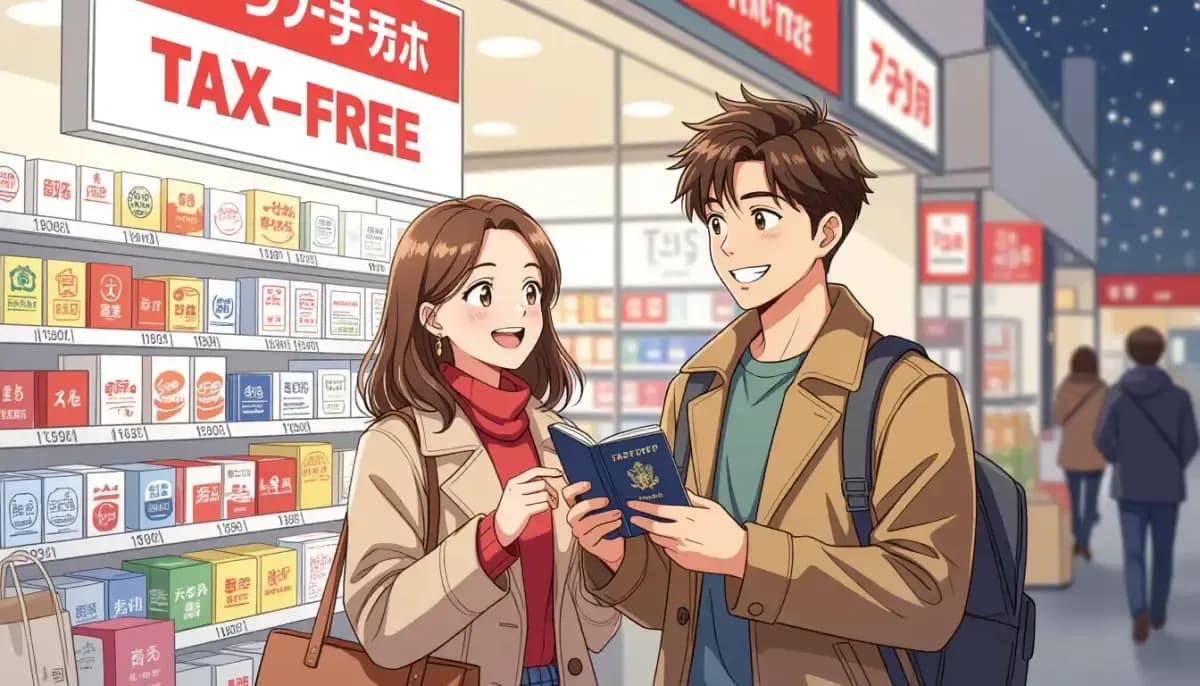
Complete guide to tax-free shopping in Japan. Learn who qualifies (tourists vs. residents), minimum purchase rules, the 2026 system changes, and how foreign residents can save money without tax-free eligibility.
Tax Free Shopping in Japan: How It Works for Foreign Residents and Visitors
Japan's tax-free shopping system is one of the most popular perks for international visitors — but if you're a foreign resident living in Japan, there's a crucial distinction you need to understand. The system is designed primarily for tourists and temporary visitors, not long-term residents. This guide explains exactly how the system works, who qualifies, what's changing in 2026, and what options exist for foreign residents who want to save money while shopping in Japan.
Who Is Actually Eligible for Tax-Free Shopping in Japan?
This is the most important point to understand: Japan's tax exemption (消費税免税制度, shōhizei menzei seido) is restricted to non-residents with a temporary visa status.
You ARE eligible if you:
- Hold a Temporary Visitor (観光) visa or short-term stay status
- Are a Japanese national who has been living abroad for over two years and are temporarily returning
- Are a cruise ship passenger with a landing permit
- Have been in Japan for less than 6 months since your most recent entry
You are NOT eligible if you:
- Hold a work visa (Engineer/Specialist in Humanities, Skilled Labor, etc.)
- Are a permanent resident (永住者)
- Have a spouse/dependent visa
- Hold a student visa with resident status
- Are registered as a resident in Japan's municipal system
This means most foreigners who actually live in Japan — the people reading this guide — do not qualify for tax-free shopping. The benefit is for tourists, not expats.
Important note: Since April 1, 2023, Japan tightened eligibility to only include those with "Temporary Visitor," "Diplomat," or "Official" residence status. The loophole where long-term residents could claim tax-free purchases has been officially closed.
How the Current Tax-Free System Works (Until November 2026)
For those who do qualify (temporary visitors), here is how the current system operates:
Step 1: Find a Participating Store
Look for stores displaying the "Tax Free" or "免税" sign. Japan has tens of thousands of registered tax-free retailers, including:
- Department stores (Takashimaya, Isetan, Mitsukoshi)
- Electronics chains (Yodobashi Camera, Bic Camera, Yamada Denki)
- Drug stores (Matsumoto Kiyoshi, Sundrug, Welcia)
- Convenience store chains at major tourist hubs
- Fashion retailers and souvenir shops
Step 2: Meet the Minimum Purchase Threshold
| Item Category | Minimum Purchase |
|---|---|
| General goods (electronics, clothing, bags, watches) | ¥5,000 per store per day |
| Consumables (food, cosmetics, medicine, beverages) | ¥5,000–¥500,000 per store per day |
| Mixed purchases (some stores) | Combined totals may apply |
Note: You cannot combine general goods and consumables purchases to meet the minimum — each category must independently reach ¥5,000.
Step 3: Present Your Passport at Checkout
Show your original passport (photocopies are not accepted) when paying. Staff will verify your entry stamp and visa status. The tax exemption is applied directly at the register — you pay the tax-exclusive price immediately.
Method A (Most Common): Present passport at checkout, pay tax-free price, sign a purchase record that gets attached to your passport.
Method B (Department Stores): Pay full price at individual shops, collect receipts, then visit the centralized tax-free counter to receive a refund the same day.
Step 4: Keep Items Sealed Until Departure
For consumable goods (food, cosmetics, medicine), items must remain in sealed tamper-evident packaging and cannot be opened before leaving Japan. Customs checks at the airport may verify this. General goods (electronics, clothing) can be used during your stay.
For more on navigating Japanese department stores and how tax-free desks work, see our dedicated guide.
What's Changing in November 2026: The New Refund System
Japan announced a major overhaul of its tax-free shopping system, effective November 1, 2026. The shift is from a point-of-sale exemption model to a refund-based system, bringing Japan in line with countries like France, Germany, and South Korea.
How the New 2026 System Will Work
- At time of purchase: Pay the full price including 10% consumption tax. Present your passport and inform staff you want a tax refund — they'll register your purchase electronically.
- At the airport (within 90 days of purchase): Declare your tax-free items at customs and submit for a refund.
- Refund timeline: Credit card refunds take 1–2 weeks; bank transfers take 2–4 weeks.
Key Improvements Under the New System
| Current System (Until Oct 2026) | New System (From Nov 2026) |
|---|---|
| Instant exemption at register | Refund after departure |
| Sealed packaging required for consumables | No sealed packaging requirement |
| ¥500,000 daily cap on consumables | No purchase cap |
| Separate general/consumable categories | Single unified category |
| No minimum stay requirements change | Same eligibility rules |
The good news: you can now use and enjoy consumable goods (cosmetics, food, medicine) during your stay and still get a refund. The bad news: you'll need to handle the refund process at the airport before departure.
For travelers who shop heavily at electronics stores in Japan or department stores, this system change is significant — you'll need to budget for the tax upfront.
What Changed in April 2025: Shipping Rules
Before April 2025, some shoppers exploited the tax-free system by buying goods tax-free and shipping them overseas via international parcel services. As of April 1, 2025, this loophole is closed:
- You cannot send tax-free purchased items via international parcel services
- Tax exemption only applies to goods carried as personal baggage
- If you want to ship heavy items overseas, you'll pay the full tax-included price
This affects travelers buying large items like electronics or appliances. If you need to ship goods home, budget for the full 10% consumption tax.
Tax-Free Shopping Strategy for Eligible Visitors: Where to Shop
If you are visiting Japan and are eligible for tax-free shopping, these store types offer the best savings:
Electronics and Appliances
Electronics stores like Yodobashi Camera and Bic Camera are among the most popular tax-free shopping destinations. The savings on high-ticket items like cameras, laptops, and headphones can be substantial — a ¥200,000 camera saves ¥20,000 in tax.
Drug Stores and Cosmetics
Japan's drug stores (Matsumoto Kiyoshi, Welcia, Sundrug, Kokumin) are legendary for affordable Japanese cosmetics and health products. Popular brands like SK-II, Shiseido, HABA, and DHC are significantly cheaper here. Note: consumables rules apply, so items must stay sealed until you leave Japan.
Department Stores
Major department stores have centralized tax-free counters that make the process convenient. Stores like Takashimaya, Isetan, and Mitsukoshi allow you to consolidate purchases from multiple floors/brands for a single refund transaction.
Outlet Malls and Discount Stores
Many outlet malls and discount stores in Japan also participate in the tax-free program. Places like Gotemba Premium Outlets (near Mt. Fuji) are particularly popular with international visitors for high-end fashion brands.
Options for Foreign Residents: Saving on Shopping Without Tax-Free Status
Since most foreign residents don't qualify for tax-free shopping, here are legitimate ways to save:
1. Point Programs and Loyalty Cards
Japan's point system (ポイント制度) is arguably more valuable than tax exemptions for regular shoppers. Major programs include:
- 楽天ポイント (Rakuten Points) — earn and use across thousands of stores, online and offline. See our Rakuten shopping guide.
- T-Point / V-Point — accepted at Tsutaya, 7-Eleven, Doutour, and many more
- Ponta Points — Lawson, au, and affiliated stores
- dポイント — NTT Docomo users earn points usable at many retailers
2. Buy Tax-Exclusive Items
Some services allow purchases excluding consumption tax for certain business purposes. If you operate a business in Japan, consult a tax accountant about recoverable consumption tax through your business filings.
3. Online Shopping Deals and Sales
Amazon Japan and Rakuten frequently offer sales that more than offset the 10% consumption tax difference. Amazon's Black Friday/Cyber Monday and Rakuten's Super Sale (held multiple times per year) offer discounts of 20–30% or more.
4. Secondhand Shopping
Japan's thriving secondhand market is another excellent route for value shopping. Apps like Mercari and stores like Hard Off, Book Off, and Treasure Factory let you find quality items at a fraction of retail price — and the effective "savings" far outpaces any tax exemption.
5. Furusato Nōzei (ふるさと納税 — Hometown Tax Donation)
For foreign residents paying Japanese income tax, the Furusato Nōzei system (hometown tax donation) is one of the best savings mechanisms available. You donate to municipalities and receive local specialty goods in return, while most of the donation amount is deducted from your income/resident taxes. See our taxes guide for foreigners for details.
For a broader perspective on managing money and finances as a foreigner in Japan, check out our Banking and Finance Guide for Foreigners.
How to Use Tax-Free Shopping at Major Store Chains
Here's a quick reference for common shopping locations:
| Store | Tax-Free Available | Notes |
|---|---|---|
| Yodobashi Camera | Yes | Electronics, cameras, appliances |
| Bic Camera | Yes | Electronics, cameras, appliances |
| Matsumoto Kiyoshi | Yes | Cosmetics, medicine, consumables |
| Don Quijote (Donki) | Yes | Everything — very popular with tourists |
| Isetan / Takashimaya | Yes | Central tax-free counters per floor |
| UNIQLO | Yes | Clothing — must meet ¥5,000 minimum |
| 7-Eleven / Lawson | Generally No | Select tourist-area locations only |
| Convenience stores | Rarely | Only in major tourist areas |
| Restaurants | Never | Services don't qualify |
Don Quijote (ドン・キホーテ / Donki) is especially popular with visitors for its late-night hours, wide selection, and tax-free counters at most large locations.
Common Mistakes to Avoid
1. Opening consumable packaging before departure This invalidates your tax-free status for those items. Customs can spot-check at the airport. Keep cosmetics, medicine, and food in their sealed bags.
2. Forgetting to show your passport Tax-free status is verified at time of purchase. You cannot retroactively apply for an exemption after paying full price (except at stores with same-day centralized refund desks).
3. Assuming all stores participate Not every retailer is registered as a tax-free shop. Always look for the "Tax Free" sign or ask staff before shopping.
4. Assuming resident status still qualifies Since the April 2023 crackdown, only Temporary Visitor status and equivalent categories qualify. Workers, students, and permanent residents no longer qualify.
5. Not budgeting for the 2026 system change After November 2026, you'll need to pay tax upfront and wait for a refund. If traveling on a tight budget, factor in that you'll pay 10% more at checkout.
For a complete overview of shopping in Japan as a foreigner, visit our main shopping guide. You might also find useful context in our Daily Life in Japan guide.
Summary: Tax-Free Shopping in Japan at a Glance
Japan's tax-free shopping benefit is a meaningful perk — saving 10% on purchases is significant, especially for high-value items. But it's reserved for temporary visitors, not long-term foreign residents.
If you're visiting Japan as a tourist, take full advantage: shop at participating stores, present your passport, meet the minimum purchase thresholds, and keep consumables sealed until you fly home. And plan ahead for the November 2026 system change to refund-based claims at the airport.
If you're a foreign resident of Japan, focus on Japan's excellent point-card systems, seasonal sales, the secondhand market, and the Furusato Nōzei system instead — these often deliver better ongoing savings than any one-time tax exemption.
For further reading:

Originally from Vietnam, living in Japan for 16+ years. Graduated from Nagoya University, with 11 years of professional experience at Japanese and international companies. Sharing information about living in Japan for foreigners.
View Profile →Related Articles
Japanese Drug Stores Best Products and Tips
Discover the best Japanese drug store products, top chains like Matsumoto Kiyoshi and Welcia, must-buy skincare and health items, and essential shopping tips for foreigners and expats in Japan.
Read more →
Rakuten Shopping Guide for Foreign Residents in Japan
Complete Rakuten Ichiba guide for foreigners in Japan: how to register, use Rakuten Points, maximize SPU multipliers, navigate sale events, and save money on every purchase.
Read more →
Buying Home Appliances in Japan Guide for Foreigners
Everything foreigners need to know about buying home appliances in Japan. Learn where to shop, how much to budget, voltage differences, used vs new options, and disposal rules.
Read more →
Best Outlet Malls and Discount Stores in Japan
Complete guide to Japan's best outlet malls (Gotemba, Kisarazu, Rinku) and discount stores (Donki, Daiso) for foreigners. Tax-free tips, sale seasons, and practical advice for expats and tourists.
Read more →
Japanese Department Stores Complete Shopping Guide
Complete guide to Japanese department stores (depato) for foreigners: tax-free shopping, floor layouts, depachika food halls, major chains like Isetan and Mitsukoshi, and essential tips for expats.
Read more →
Mercari Japan Buying and Selling Guide for Foreigners
Everything foreigners need to know about using Mercari Japan—creating an account, buying tips, selling strategies, shipping methods, fees, and common pitfalls explained.
Read more →